CIA agents successfully executed a plan for regime change in Iran in 1953 – but Trump hasn’t revealed any signs of a plan
A covert US campaign in the mid-20th century helped steer Iran toward the intense anti-American sentiment that has distinguished its government policy for decades.
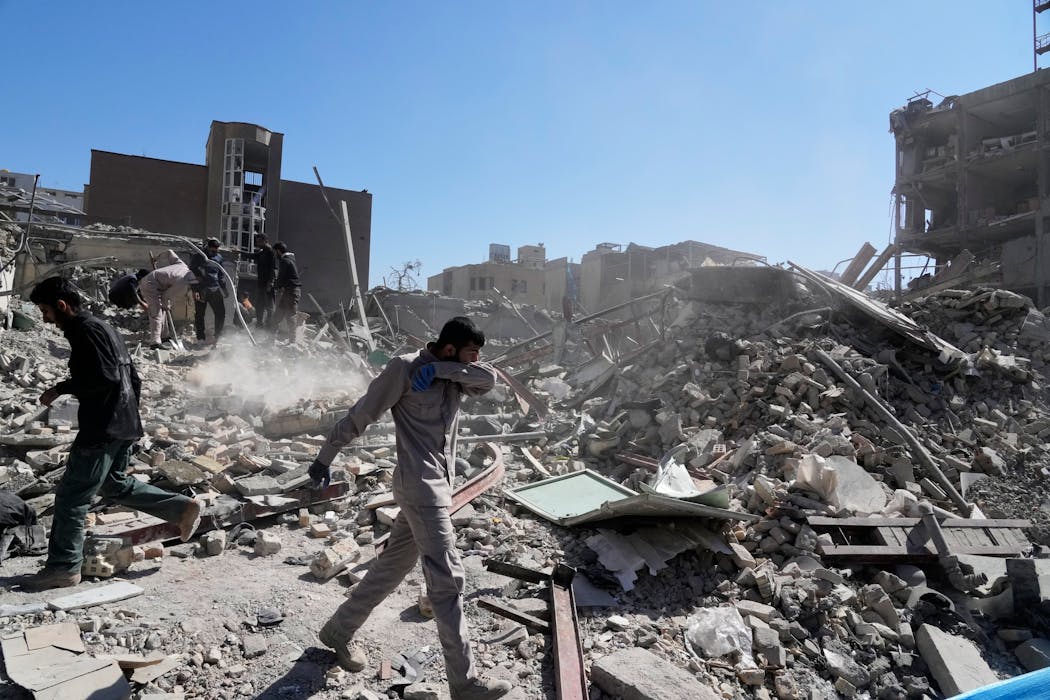
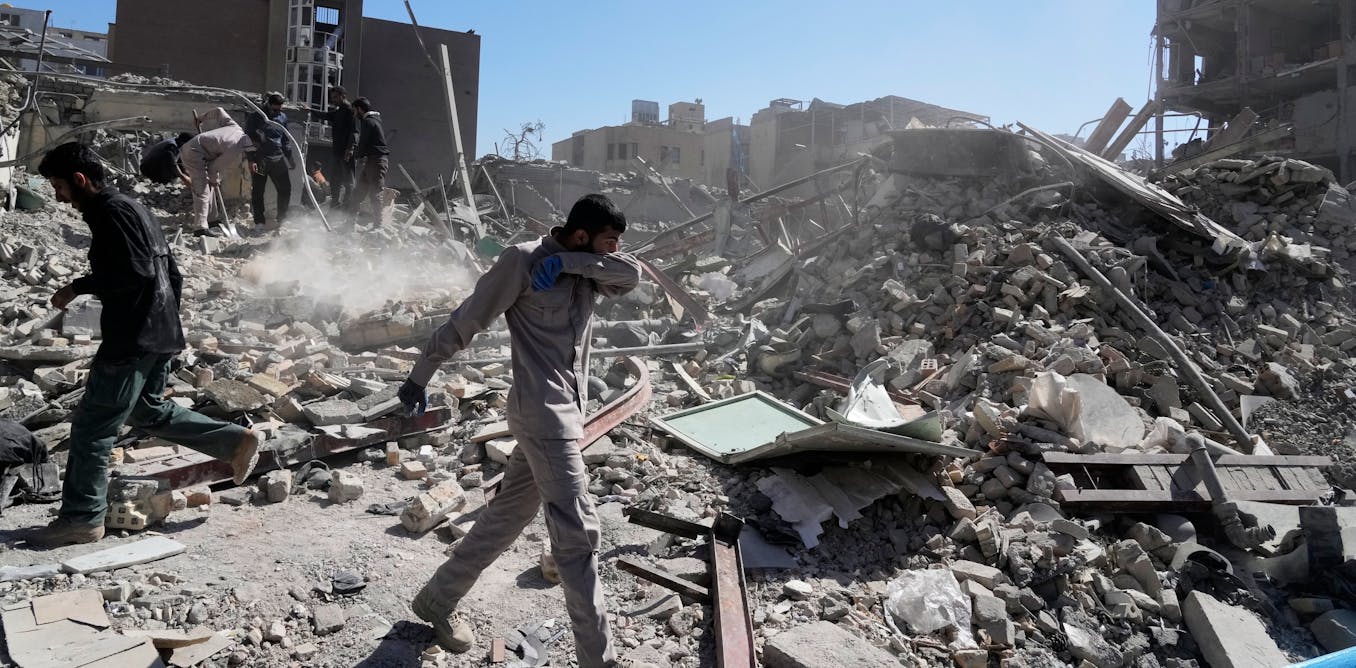
When the bombing of Iran began on Feb. 28, 2026, the Trump administration had not informed the American people exactly what it was prepared to achieve.
Was the attack intended to degrade Iran’s nuclear program? Trump had declared that “obliterated” after last June’s bombing.
Was it to slow Iran’s ballistic missile program? U.S. intelligence assesses that Iran is years away from any ballistic missile that could strike the United States.
Was it to show support for Iran’s opposition, as Trump’s earlier “HELP IS ON ITS WAY” posts on Truth Social suggested? A bombing campaign that was bound to kill innocent Iranians, including 175 people at a girls elementary school near a military base, seemed an odd form of support.
I am a scholar and former practitioner of intelligence and national security policy in the White House. I believe there are lessons in effecting political change in Iran that can be taken, ironically, from the very U.S.- and British-led clandestine campaign in the mid-20th century that set Iran on the road to the intense anti-Western and anti-American sentiment that has characterized its government policy for decades.
How does this end?
President Trump has said he wants regime change in Iran but has articulated no strategy for achieving that end.
Strategy is the connection between means and ends. For waging a war, it means asking whether the military means available match the desired military outcome. In trying to effect political change, it means asking whether the instruments employed will produce the desired change.
As journalist Fareed Zakaria put it, “‘Bomb and hope’ is not a strategy.”
Looking at the last U.S. effort at regime change in Iran – the CIA’s 1953 covert program to oust Prime Minister Mohammad Mossadegh and strengthen Shah Mohammad Reza Pahlavi’s rule – offers insight into what might have been … and what still might be this time around in Iran.
Mossadegh had moved to nationalize the Anglo-Iranian Oil Company – effectively, British oil interests. Britain responded with an an oil embargo and a severe economic squeeze on Iran.
Western powers feared that prolonged Iranian instability could open the door to Soviet influence in the oil-rich country – a central Cold War concern.
By early 1953 the U.S. government, under President Dwight D. Eisenhower, authorized the CIA to prepare a covert plan to remove Mossadegh and restore effective power to the shah, who at the time held a more ceremonial role. British intelligence had been pushing a similar agenda, and the two services collaborated on both the strategy and its implementation.
The operational details, especially those declassified in recent decades, paint a striking picture of a carefully planned clandestine political intervention that was successful, rather than a simple military invasion.
A far cry from ‘bomb and hope’
The British-American budget for the joint plan was modest by military standards. It was aimed at propaganda and influence operations, and it sought to shape public perception and political support.

It was composed of three elements. First it funded newspapers and printed propaganda designed to discredit Mossadegh, portraying him as corrupt or sympathetic to communism. The propaganda also promoted fears of instability and communist infiltration.
Second, according to declassified histories, agents staged “false flag” incidents – attacks attributed to communists, for example – to stoke fear and backlash against Mossadegh among religious and conservative groups.
Third, the coup planners attempted to engage influential clerical leaders and organizations to amplify anti-Mossadegh sentiment.

Did this story change how you see things?
Stories like this only matter when people see them. Help us get verified journalism in front of more eyes.
The Verity Ledger curates verified investigative journalism from trusted sources only.
See our sourcesMost Read This Week
Offshore Tax Haven Network: How Billionaires Hide Trillions from Public Coffers

Major Pharmaceutical Company Concealed Drug Side Effects for Over a Decade

Water Contamination Crisis: Industrial Waste Poisoning Rural Communities
Climate Data Manipulation: Energy Companies Funded Misleading Research for Decades

Foreign Influence Operations: Tracking Disinformation Networks Across Social Media