Government Surveillance & Privacy
Investigating the expanding reach of government surveillance programs, data collection practices, and the ongoing battle between national security and civil liberties. From FISA courts to facial recognition — what's happening to your privacy.
Key Facts
Section 702 of FISA was reauthorized with expanded authorities
Source: Congressional Vote Records
Federal agencies purchased location data from commercial brokers without warrants
Source: Inspector General Reports
AI-powered surveillance tools are being deployed by local law enforcement nationwide
Source: ACLU Research
Timeline
FISA Section 702 reauthorized after contentious debate
Major data broker regulations proposed
New facial recognition policies implemented
Coverage (29 articles)
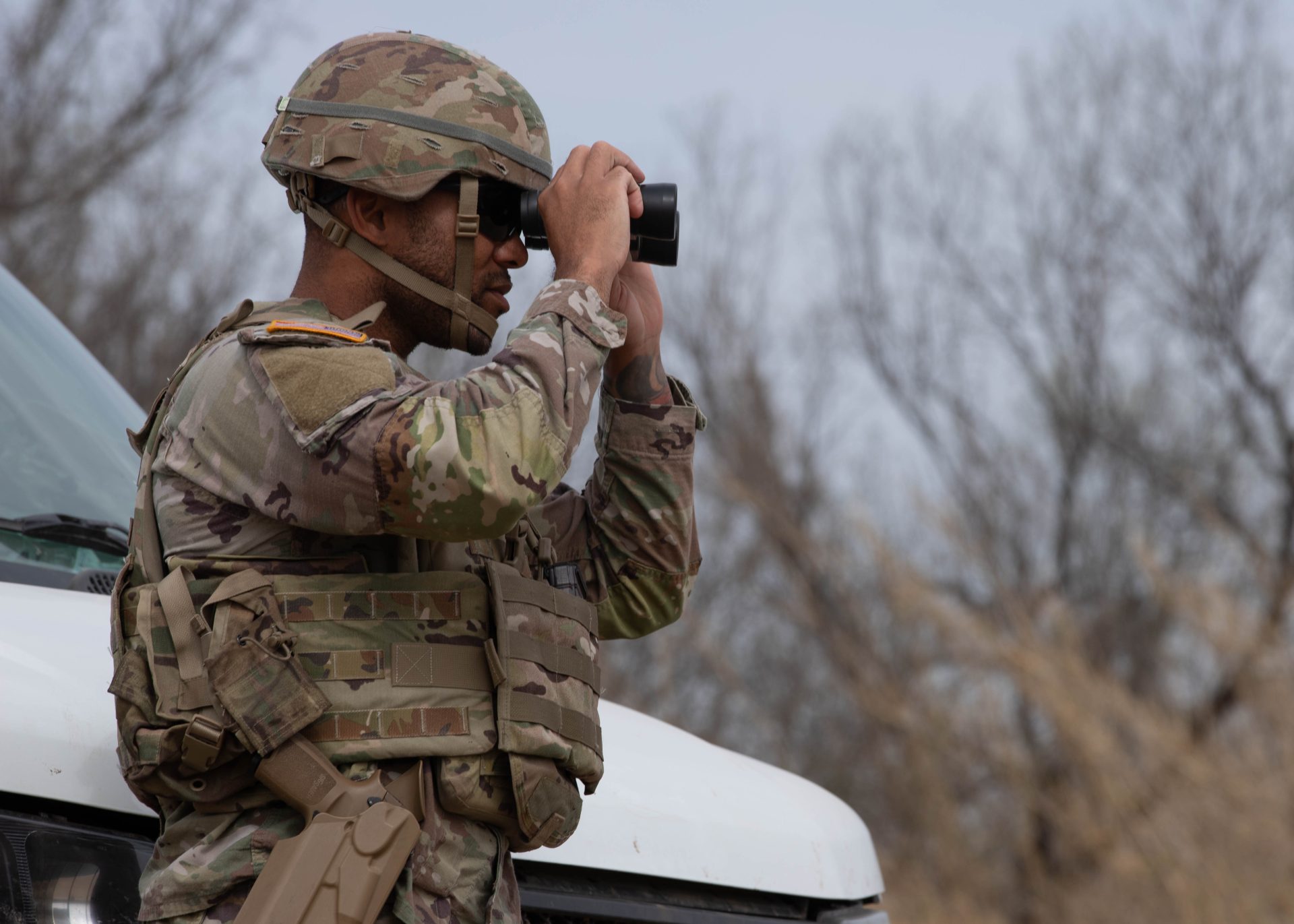
Senators criticize agencies over dual counter-drone incidents in Texas after briefing from officials
Auto-linked by cron: LLM-verified relevance
Following a closed-door briefing, senators from both parties criticized the Pentagon, FAA, and U.S. Customs and Border Protection for inadequate coordination of counter-drone systems after two incidents in Texas last month. These events included CBP using a military laser to shoot down Mylar balloons and troops shooting down a CBP drone, revealing significant interagency communication failures. Senators emphasized the urgent need for these agencies to improve coordination to ensure public safety and prevent future incidents, especially concerning the differing authorities for national airspace and border defense. This lack of clear protocols risks public confusion and potential threats to civilian air travel. The criticism highlights ongoing challenges in interagency cooperation, which lawmakers urge to accelerate.

British police arrest three men on suspicion of spying for China
LLM-verified: directly relevant to "Government Surveillance & Privacy"
British police have arrested three men on suspicion of spying for China, according to local media reports. One of those detained is reportedly the husband of a lawmaker from Prime Minister Keir Starmer's ruling Labour Party. The arrests highlight growing concerns within the UK government regarding alleged Chinese intelligence activities. This development underscores the ongoing geopolitical tensions and the UK's vigilance against foreign interference. Further details are expected as investigations proceed.

A Knock on the Window and a Glimpse of America’s Surveillance Future
LLM-verified: directly relevant to "Government Surveillance & Privacy"
The Department of Homeland Security has quietly deployed Mobile Fortify, a new facial recognition tool allowing agents to scan individuals and query DHS databases, raising significant privacy and civil liberties concerns. Somali American Uber driver Abdikafi Abdurahman Abdullahi publicly documented his encounter with ICE agents using the app, claiming racial profiling and misidentification, highlighting the technology's potential flaws and secrecy. Despite DHS stating the tool supports identity verification, civil liberties advocates like the ACLU argue it grants unchecked power, is error-prone, and poses a threat to constitutional rights. The tool has been used over 100,000 times, yet DHS removed oversight policies and is consolidating biometric data, leading to calls for legislative action and increased scrutiny. This deployment signals a significant expansion of surveillance capabilities with broad implications for American citizens.
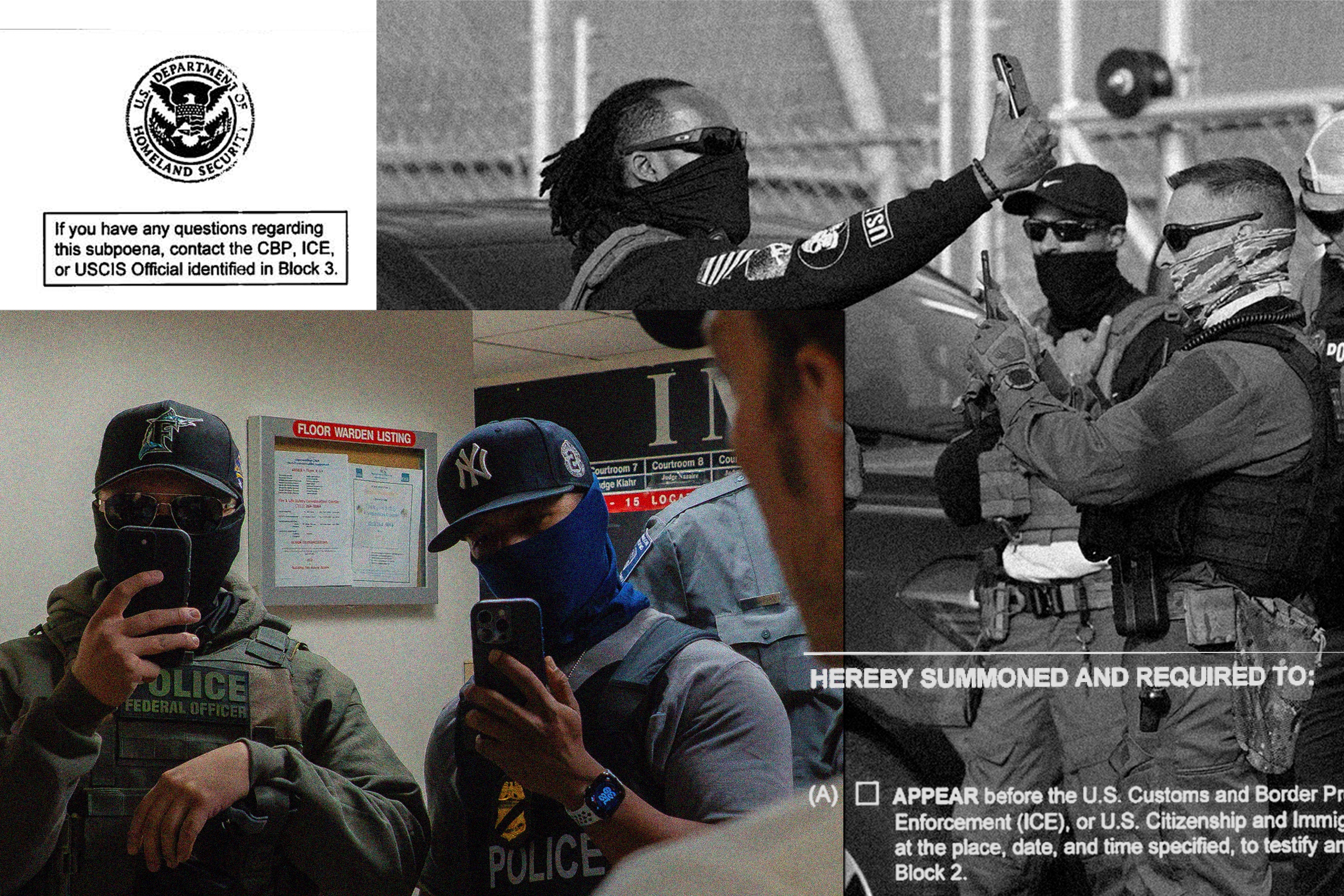
ICE has spun a massive surveillance web. We talked to people caught in it
LLM-verified: directly relevant to "Government Surveillance & Privacy"
U.S. Immigration and Customs Enforcement (ICE) has established an extensive surveillance network, utilizing a wide array of tools to monitor and apprehend individuals. Operating under the Department of Homeland Security, ICE and Border Patrol have expanded these capabilities with a growing budget. This surveillance is reportedly used to track and intimidate those targeted for deportation, as well as U.S. citizens critical of their policies. The breadth of this system raises concerns about privacy and civil liberties for both immigrants and citizens.
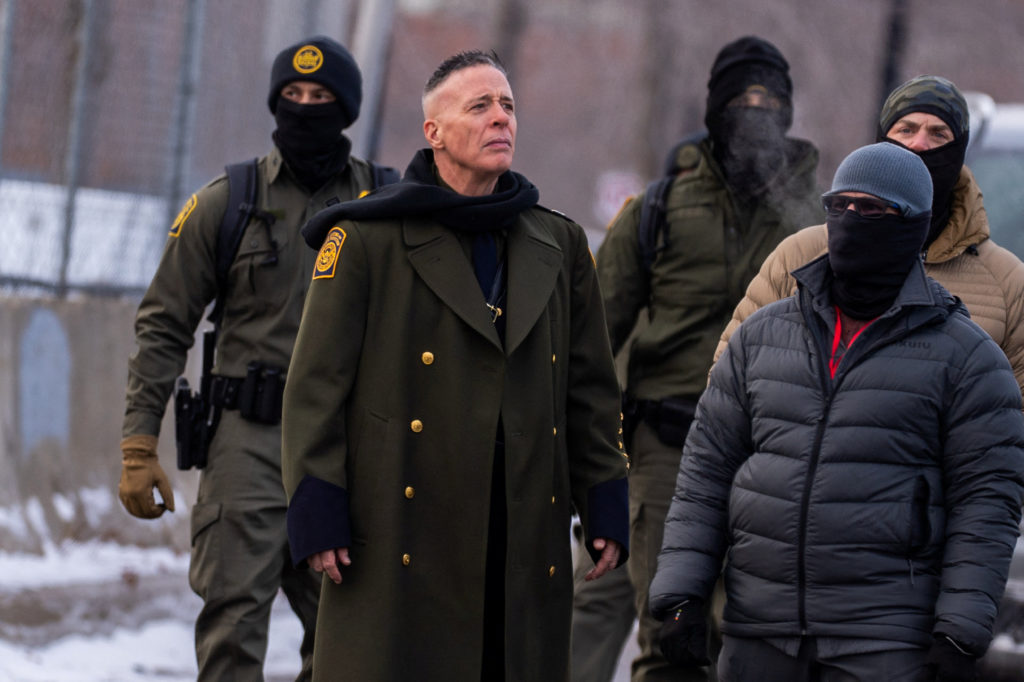
Minnesota launches probe that could bring charges against federal immigration officers
LLM-verified: directly relevant to "Government Surveillance & Privacy"
A Minnesota prosecutor has launched an investigation that could lead to charges against federal immigration officers for alleged misconduct. The probe targets actions taken during an immigration enforcement crackdown, specifically naming Border Patrol official Greg Bovino. This development signifies a rare instance of a state authority potentially prosecuting federal agents for their official duties. The investigation will determine if state laws were violated, setting a precedent for state-level oversight of federal immigration operations. The outcome could impact future enforcement strategies and inter-agency relations.
TikTok won't protect DMs with controversial privacy tech, saying it would put users at risk
LLM-verified: directly relevant to "Government Surveillance & Privacy"
TikTok has stated it will not implement end-to-end encryption for direct messages, citing potential risks to user safety. The company informed the BBC that this decision differentiates it from competitors like WhatsApp and Messenger, which utilize the controversial privacy technology. TikTok argues that end-to-end encryption could hinder its ability to detect and prevent harmful content, such as child abuse material, on its platform. This stance highlights a significant divergence in how major social media companies balance user privacy with content moderation and safety concerns. The move suggests TikTok prioritizes its ability to monitor content over offering the highest level of message privacy.

Cybercom didn’t tell troops to disable location services or uninstall apps, military officials say, after viral message spread amid Iran operation
LLM-verified: directly relevant to "Government Surveillance & Privacy"
U.S. military officials have debunked a viral message falsely attributed to Cyber Command, which warned service members to disable location services and uninstall certain apps amid ongoing operations against Iran. Defense officials, including from CENTCOM, confirmed Cyber Command did not issue such a directive, and companies like Uber and Snapchat denied their apps were compromised. The fabricated message circulated widely in military circles and social media, highlighting the proliferation of disinformation during sensitive military campaigns. This incident underscores persistent concerns about foreign actors, particularly Iran, using disinformation and cyber tactics to sow confusion and exert psychological pressure. The origin of the false message remains unclear as Operation Epic Fury continues.

Hong Kong-linked company decries search of Panama Canal port offices
LLM-verified: directly relevant to "Government Surveillance & Privacy"
A subsidiary of Hong Kong-linked CK Hutchison recently had its Panama Canal port offices searched. This incident marks a significant development amid escalating US-China tensions concerning the strategically vital trade canal. The search underscores the deepening geopolitical competition over critical global infrastructure. This event could further complicate international relations and trade dynamics in the region.
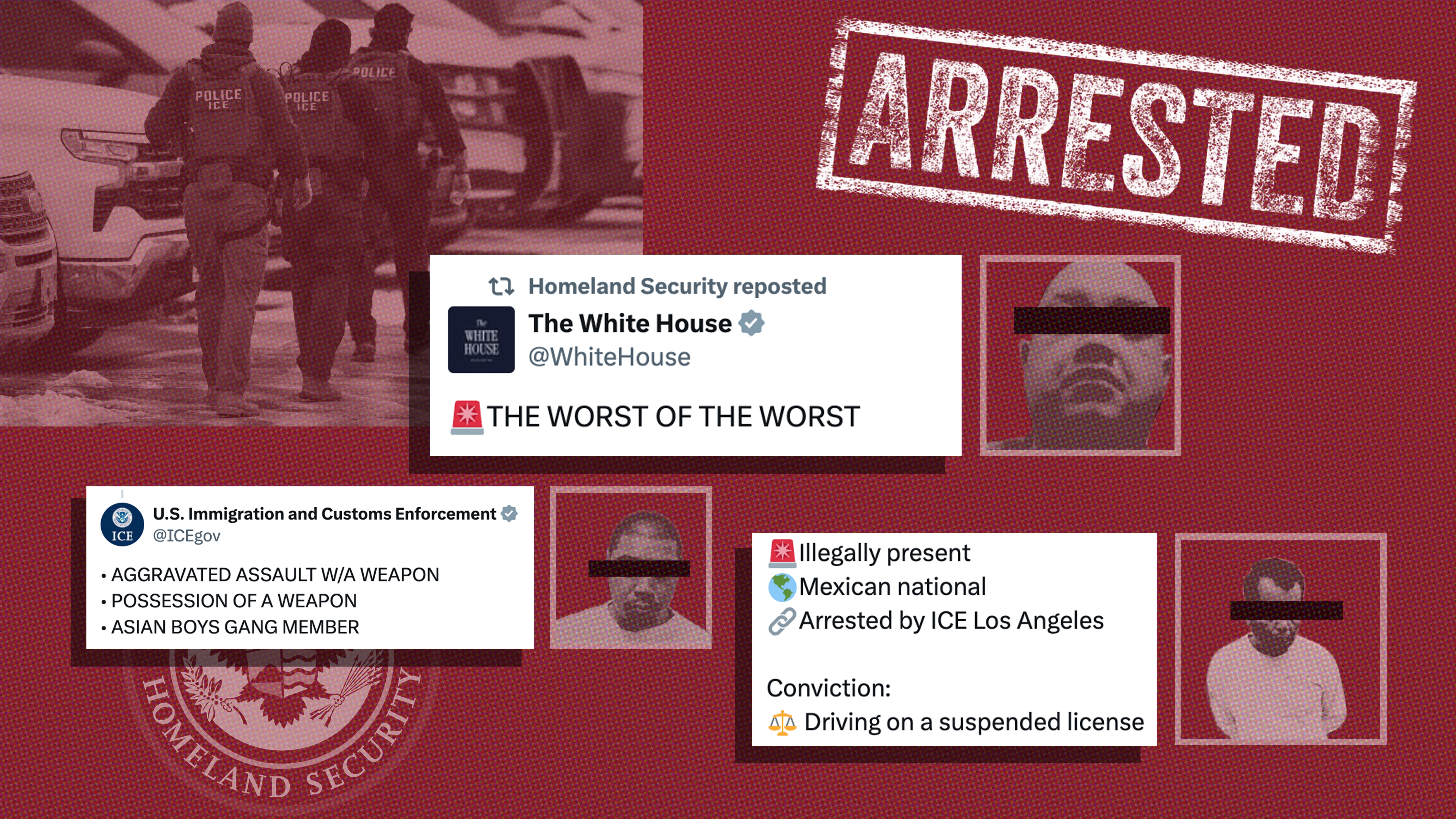
How the federal government is painting immigrants as criminals on social media
LLM-verified: directly relevant to "Government Surveillance & Privacy"
The federal government is actively using social media to depict immigrants as criminals, a strategy that experts describe as unprecedented. This campaign is generating a distorted public perception of immigrants and their connection to crime. Experts warn that such governmental communication tactics can significantly misrepresent factual data and influence public opinion negatively. This approach raises concerns about the accuracy of information disseminated by federal agencies and its societal impact.
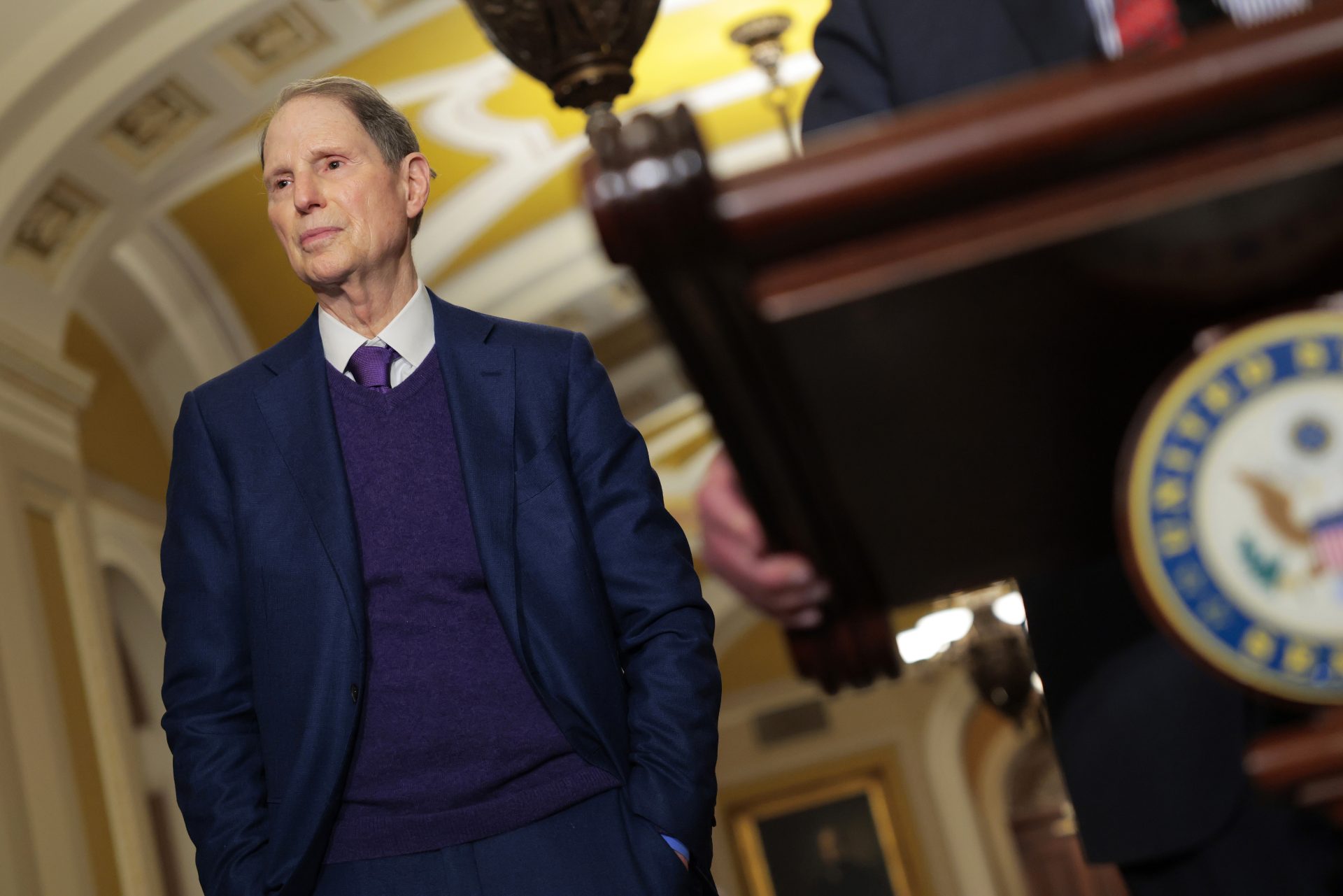
Senator puts hold on Trump’s pick for top uniformed cyber chief over lack of experience, ‘vague’ answers to surveillance questions
LLM-verified: directly relevant to "Government Surveillance & Privacy"
Senator Ron Wyden has announced he will block President Trump’s nomination of Lt. Gen. Joshua Rudd for director of the National Security Agency and commander of U.S. Cyber Command. Wyden cited Rudd’s lack of military cyber experience and "vague" answers regarding NSA surveillance authorities as reasons for his objection. Rudd, who has a special operations background, maintains his experience prepares him for the role, while Wyden argues the urgent cyber threat requires immediate expertise. This objection could force a formal Senate vote, rather than a unanimous consent approval, for the critical national security position.
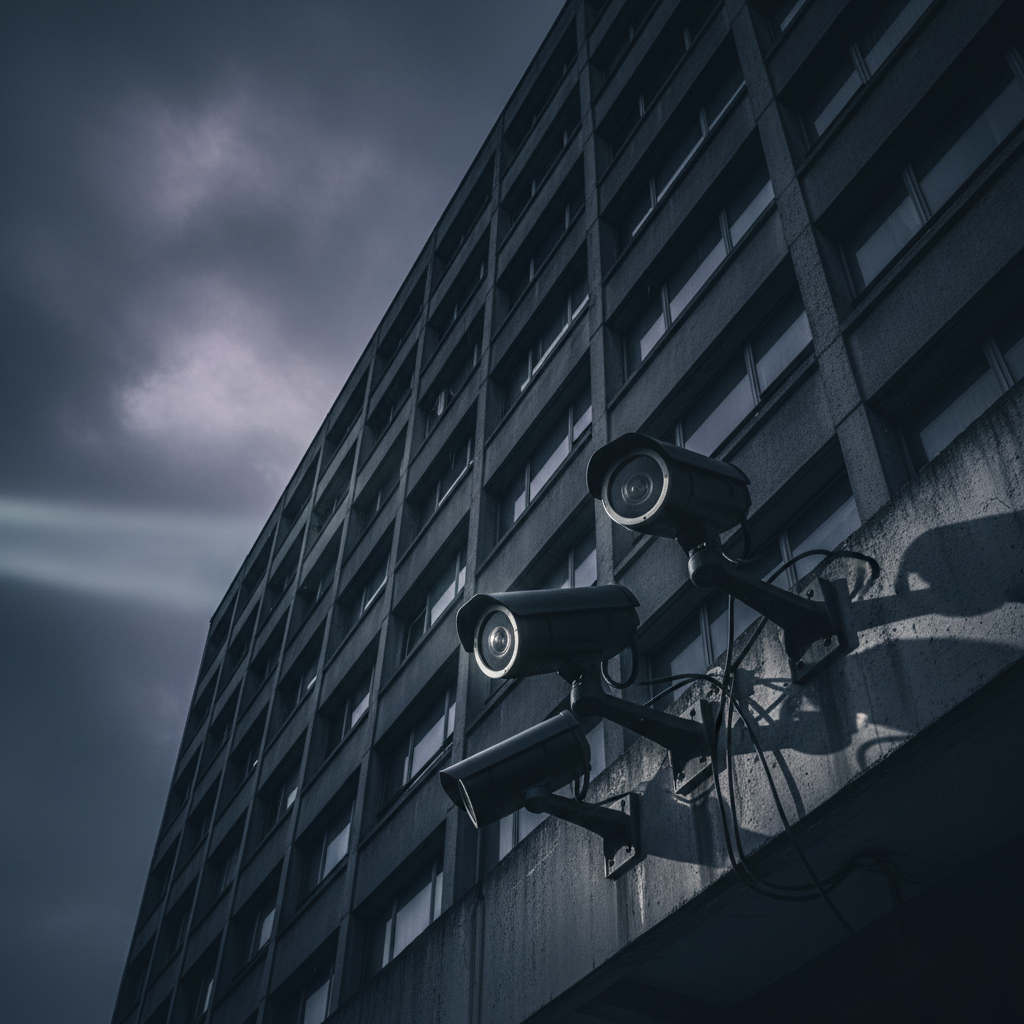
Secret Government Surveillance Program Exposed: Millions of Citizens Monitored Without Warrants
LLM-verified: directly relevant to "Government Surveillance & Privacy"
A year-long investigation has uncovered a classified government program secretly collecting communications data from millions of citizens without judicial oversight. This initiative reportedly operated without warrants, bypassing established legal protocols. The program's existence raises significant constitutional concerns regarding privacy rights and government accountability. Public outcry is anticipated, potentially leading to calls for immediate legislative review and reform of surveillance practices. This revelation underscores the ongoing debate surrounding national security and civil liberties.

Four Data Broker Breaches Cost American Consumers Over $20 Billion
LLM-verified: directly relevant to "Government Surveillance & Privacy"
A Congressional investigation has revealed that four major data broker security breaches exposed billions of personal records, costing American consumers over $20 billion. These breaches, highlighted in a Common Dreams report, underscore how data brokers operate with minimal federal regulation, creating significant security vulnerabilities. Despite the substantial financial harm to consumers, the implicated companies have faced few penalties. This situation is prompting renewed calls for comprehensive federal privacy legislation to protect personal data.

Army boots West Point cadet for extorting woman with AI-generated nude images
LLM-verified: directly relevant to "Government Surveillance & Privacy"
The Army dismissed a West Point cadet for extortion and indecent conduct after he used generative artificial intelligence to create fake nude images of a woman. Ex-cadet Cayden Cork threatened to publicly release these deepfakes unless the woman sent actual nude photos of herself. Cork pleaded guilty to the charges, resulting in his dismissal from the Army and forfeiture of pay. This case highlights the military justice system's adaptation to new technologies and underscores accountability for crimes committed with AI assistance. The incident reflects growing concerns about the misuse of AI for non-consensual sexualized imagery.

Greek court convicts Intellexa founder Tal Dilian, three others in wiretapping scandal
LLM-verified: directly relevant to "Government Surveillance & Privacy"
A Greek court has convicted four executives linked to spyware developer Intellexa, including founder Tal Dilian, for illegal wiretapping of government officials, military personnel, and journalists. The executives, who also include Dilian's ex-wife Sara Hamou, Felix Bitzios, and Yiannis Lavranos, received eight-year suspended prison sentences for breaching communication confidentiality and illegally accessing information systems. This conviction follows their involvement in selling Intellexa’s Predator spyware and comes after several were sanctioned by the U.S. government. The ruling highlights ongoing legal scrutiny over the global spyware industry and its impact on privacy and national security.

DHS Abducts Columbia Student From College Housing
LLM-verified: directly relevant to "Government Surveillance & Privacy"
Federal immigration agents detained Columbia University student Ellie Aghayeva after reportedly gaining access to university housing by falsely claiming to search for a missing child. Aghayeva, an international student from Azerbaijan, was released hours later following intervention from NYC Mayor Zohran Mamdani and a habeas corpus petition. This incident follows an "ICE Off Campus" protest at Columbia and echoes a previous detainment of a pro-Palestinian student, raising concerns about federal immigration tactics and university protections for international students. The event highlights ongoing tensions regarding immigration enforcement on college campuses and the methods used by federal agencies.

Florida Might Make Its Own Spy Squad. Muslims Think They Have a Pretty Good Idea Who’ll Be Targeted.
LLM-verified: directly relevant to "Government Surveillance & Privacy"
Florida is considering legislation to create a state-level counterintelligence and counterterrorism unit within the Florida Department of Law Enforcement. Sponsored by Rep. Danny Alvarez, the bill aims to "neutralize" entities whose "demonstrated actions, views, or opinions are a threat" to the state. Critics, including civil liberties advocates and Muslim groups, express concerns that the broad language could lead to targeting individuals based on their views, reminiscent of past federal abuses like COINTELPRO. Despite Alvarez's promise of amendments to address civil liberties, the bill has passed three House committees and a companion bill is pending in the Senate, raising fears about potential surveillance and profiling. This development highlights ongoing tensions between security measures and constitutional protections in the state.

Seized Art, Eavesdropping Guards: Parents Describe a Clampdown at Dilley Detention Center as Kids Shared Their Stories
LLM-verified: directly relevant to "Government Surveillance & Privacy"
Families detained at the Dilley Immigration Processing Center in Texas report increased restrictions, including guards seizing children's artwork and art supplies, and eavesdropping on calls. These measures reportedly intensified after detainees began sharing their stories and drawings with the public and media, sparking protests and congressional attention. Detainees also claim access to communication tools like Gmail has been restricted, making it harder to contact legal aid. While CoreCivic, which runs the facility, denies confiscating artwork, and DHS acknowledges one instance of seizure during an investigation, these accounts raise concerns about transparency and the well-being of children in detention. This situation highlights ongoing scrutiny of conditions within immigration detention facilities.

Trump May Force Banks to Demand Your Papers. Survivors of Abuse Will Pay.
LLM-verified: directly relevant to "Government Surveillance & Privacy"
The Trump administration is reportedly considering an executive order that would compel banks to collect citizenship information from all customers. This potential policy change raises concerns for survivors of domestic abuse, many of whom experience financial abuse and may not have access to crucial identification documents held by their abusers. Requiring proof of citizenship for banking could severely impede their ability to open accounts, which are vital for financial independence and escaping abusive situations. While the White House calls such reports "baseless speculation," Senator Tom Cotton has already expressed support and plans to introduce legislation on the issue. This development could further complicate an already challenging reality for vulnerable populations seeking financial security.

Digital Privacy Erosion: How Your Smart Home Devices Report to Data Brokers
LLM-verified: directly relevant to "Government Surveillance & Privacy"
Technical analysis reveals that popular smart home devices are sharing detailed behavioral data with third-party data brokers. This practice creates intimate profiles of household activities, often without users providing meaningful consent. The data includes patterns of device usage and other personal information. This raises significant concerns about digital privacy and the extent of data collection within smart homes. Consumers should be aware of these data flows, and regulators may need to address these practices to protect user autonomy.
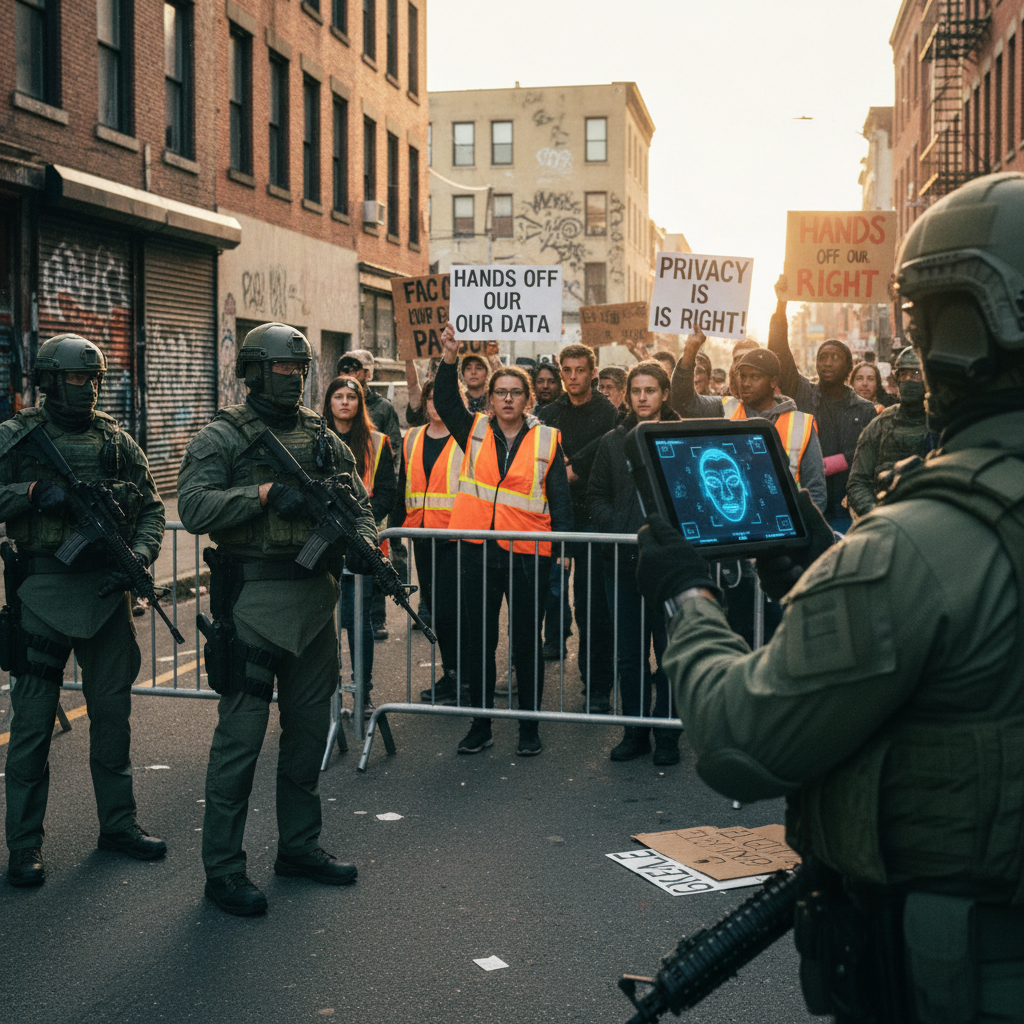
DHS Labeled Immigration Observers as "Domestic Terrorists" and Collected Their Biometrics
LLM-verified: directly relevant to "Government Surveillance & Privacy"
The Department of Homeland Security (DHS) reportedly labeled civilian observers monitoring ICE operations in Maine as "domestic terrorists" and collected their biometric data. According to an NPR report, these observers had their photographs and identifying details taken by DHS agents. The individuals have since filed a lawsuit, asserting that these actions infringe upon their constitutional rights to free speech and assembly. This incident highlights a concerning escalation in how the government treats civilian oversight of law enforcement activities. The outcome of the lawsuit could set an important precedent for civil liberties and government accountability.

DOGE Employees Copied 300 Million Americans' Personal Records to Vulnerable Cloud Server
LLM-verified: directly relevant to "Government Surveillance & Privacy"
Court filings and congressional testimony reveal that employees at the Social Security Administration (DOGE) copied personal records of nearly 300 million Americans to a cloud server with questionable security. These employees reportedly signed access agreements before transferring massive databases containing sensitive information. The unauthorized data transfer has ignited bipartisan outrage and prompted multiple lawsuits challenging the legality of these actions. This incident raises significant concerns about data privacy and the security protocols within federal agencies. Further investigations and legal proceedings are expected to address the breach and its implications for national data security.

Exposed Database Contained Over 1 Billion Social Security Numbers Accessible to Anyone Online
LLM-verified: directly relevant to "Government Surveillance & Privacy"
A research team recently discovered an exposed online database containing over 1 billion Social Security numbers and roughly 3 billion email-password pairings. Discovered the week of January 12, 2026, this massive trove of sensitive personal data was accessible to anyone. While there's no evidence of criminal exploitation from this specific database yet, the incident highlights severe vulnerabilities in data storage and protection practices. This exposure underscores the ongoing risk to consumer data, especially given that previous data broker breaches have cost US consumers over $20 billion.

CIA and Pentagon Secretly Reviewed Havana Syndrome Weapon Built by Norwegian Researcher Who Tested It on Himself
LLM-verified: directly relevant to "Government Surveillance & Privacy"
A Norwegian researcher reportedly built a pulsed-energy device capable of inducing Havana Syndrome symptoms, which he tested on himself. Both the CIA and Pentagon conducted classified reviews of this weapon, according to recent reports by Reuters and the Washington Post. This development challenges previous official dismissals regarding the existence of such devices. The revelation reignites discussions about whether a foreign adversary has been targeting American personnel with similar technology since 2016.

DHS Sent Hundreds of Demands to Google and Meta to Expose Anti-ICE Social Media Accounts
LLM-verified: directly relevant to "Government Surveillance & Privacy"
The Department of Homeland Security has reportedly issued hundreds of demands to Google and Meta, seeking to unmask social media users critical of ICE operations. These requests often target ordinary Americans exercising their First Amendment rights, not just those suspected of crimes. Civil liberties organizations have condemned this practice as an unprecedented assault on free speech. This revelation coincides with ICE's deployment of AI surveillance tools, originally for border security, to track US citizens domestically, raising significant concerns about privacy and civil liberties.
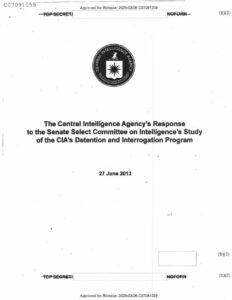
CIA Reprocesses Detention Program Record Under FOIA More Than a Decade After Public Disclosure
LLM-verified: directly relevant to "Government Surveillance & Privacy"
The CIA has finally completed a 2013 FOIA request, re-releasing a 2013 response to the Senate Select Committee on Intelligence regarding its former Rendition, Detention, and Interrogation (RDI) Program. This document, largely identical to a version publicly released in 2014, maintains extensive redactions and reiterates the CIA's disputes against claims of systematically misleading Congress, while acknowledging past inaccuracies. The new release offers slightly more explicit detail on the role of the Covert Action Review Group (CARG) in overseeing sensitive covert actions. The most significant aspect is the nearly twelve-year delay for the formal release of material already in the public domain, highlighting the protracted nature of FOIA processes. This underscores ongoing transparency challenges despite the document's limited new substantive information.

NSA Whistleblower: Tulsi Gabbard Blocked Intelligence Report About Person Close to Trump
LLM-verified: directly relevant to "Government Surveillance & Privacy"
An NSA whistleblower alleges that Director of National Intelligence Tulsi Gabbard blocked the dissemination of an intelligence report concerning a foreign intelligence phone call about an individual in former President Trump's inner circle. According to The Guardian, Gabbard intervened as analysts prepared to share the finding through standard channels. This account has been corroborated by multiple intelligence officials, prompting calls for a congressional investigation into the alleged obstruction. The incident raises significant questions about the integrity of intelligence reporting and potential political interference at the highest levels.

ICE Now Using AI Built for Border Security to Track US Citizens in Their Own Neighborhoods
LLM-verified: directly relevant to "Government Surveillance & Privacy"
The American Immigration Council reports that U.S. Immigration and Customs Enforcement (ICE) is now deploying AI surveillance tools, originally designed for border security, to track American citizens domestically. These systems monitor movements, associations, and activities of individuals not suspected of any crime. This represents a significant mission creep for the technology, raising serious concerns about the Fourth Amendment and the scope of government surveillance. The expansion prompts a critical examination of privacy rights and the limits of state power within a democratic society.

FBI Conducted Over 3.4 Million Warrantless Searches of Americans' Communications in a Single Year
LLM-verified: directly relevant to "Government Surveillance & Privacy"
The FBI conducted over 3.4 million warrantless searches of American citizens' communications in a single year, utilizing Section 702 of the Foreign Intelligence Surveillance Act (FISA). This authority, intended for targeting foreign persons abroad, was used by the broader intelligence community for these searches, with the FBI alone performing over 200,000. These figures, reported by The Intercept and Brookings Institution, highlight significant concerns about privacy. A bipartisan SAFE Act has been proposed to require warrants for such searches, indicating ongoing debate and potential legislative action regarding the scope of government surveillance.

How a US Citizen Was Scanned With ICE’s Facial Recognition Tech
LLM-verified: directly relevant to "Government Surveillance & Privacy"
A U.S. citizen was reportedly scanned by Immigration and Customs Enforcement (ICE) using a facial recognition app called Mobile Fortify, despite asserting his citizenship. Jesus Gutiérrez, 23, was stopped by agents in Chicago, handcuffed, and had his face scanned, which agents then used to confirm his U.S. status. This incident highlights concerns about ICE and Customs and Border Protection (CBP) agents using the app, which queries vast government databases, to identify individuals on U.S. streets. Critics argue this practice is a privacy violation and raises questions about the constitutional rights of citizens and the reliability of the technology. The ACLU has called for an immediate end to the use of Mobile Fortify on American streets.