
25 million people lost Medicaid after the COVID-19 pandemic — and state policies shaped who stayed covered
Quick Insights
The Bottom Line
25 million Americans lost Medicaid coverage after the COVID-19 pandemic due to state policy changes.
How This Affects You
You could lose Medicaid coverage if your state implements stricter eligibility checks or new work rules starting January 1, 2027.
AI Summary
More than 25 million people were disenrolled from Medicaid between April 2023 and mid-2025 after states resumed eligibility checks that had been paused during the COVID-19 pandemic. This process, known as the "Great Unwinding," followed a period where Medicaid enrollment reached an all-time high of over 94 million people by early 2023 due to continuous coverage policies. The disenrollments were not evenly distributed, reflecting state-by-state differences in how eligibility checks were conducted and the administrative burden placed on individuals. A majority, 69%, of those who lost coverage did so due to administrative reasons like procedural disenrollments rather than being deemed ineligible. These state policy differences are likely to matter again as states enforce new Medicaid work rules and more frequent eligibility checks under the 2025 budget law starting January 1, 2027.
What's Being Done
States are enforcing new Medicaid work rules and more frequent eligibility checks under the 2025 budget law starting January 1, 2027.
Following this story?
Get notified when new coverage appears
Should this be getting more attention?
You Might Have Missed
Related stories from different sources and perspectives
 Health
Medicaid work rules will stress states' staffing capacity
Some states already don't have enough staff to quickly process Medicaid applications and answer enrollees' phone calls. Researchers say they may not be prepared to handle new Medicaid work rules, predicting people will lose coverage as a result.
 Politics
Bracing for federal cuts, some states are already paring back Medicaid services
Paying for doulas to help birthing moms in maternity care deserts was a priority for Montana. But it halted the plan amid a budget shortfall and fears over coming federal Medicaid cuts.
 Politics
Political turmoil in Indian border state as nine million lose voting rights
Nine million voters have been dropped from rolls in West Bengal, raising concerns over exclusion and fairness.
 Health
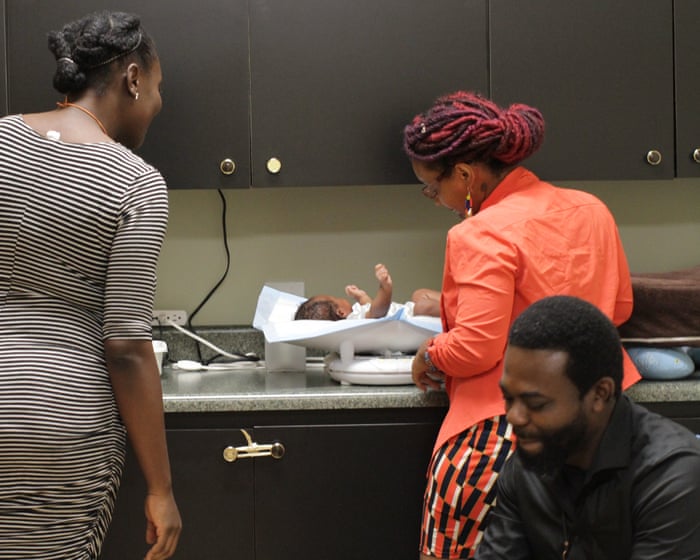
Black women in Georgia turn to midwives for safer births – so why does the state criminalize many of them?
<p>A new lawsuit seeks to decriminalize the work of midwives banned from providing care amid a worsening maternal health crisis</p><p>When Tamara Taitt moved to Georgia in 2023 to run the Atlanta Birth Center, she found herself in what she calls “an extraordinary position”. Under Georgia law, the center’s own executive director cannot provide routine clinical care for the center’s own clients. She could even face criminal charges for doing so.</p><p>Taitt is a nationally accredited midwife. She directs one of the only freestanding birth centers in the state – a destination for women seeking to give birth outside a hospital, cared for by midwives rather than obstetricians. Families choose birth centers to access more holistic, less medicalized prenatal care and birth, and to avoid invasive medical interventions in a state where C-sections occur at three times the rate recommended by the World Health Organization.</p> <a href="https://www.theguardian.com/us-news/2026/apr/11/georgia-mi...
 Health
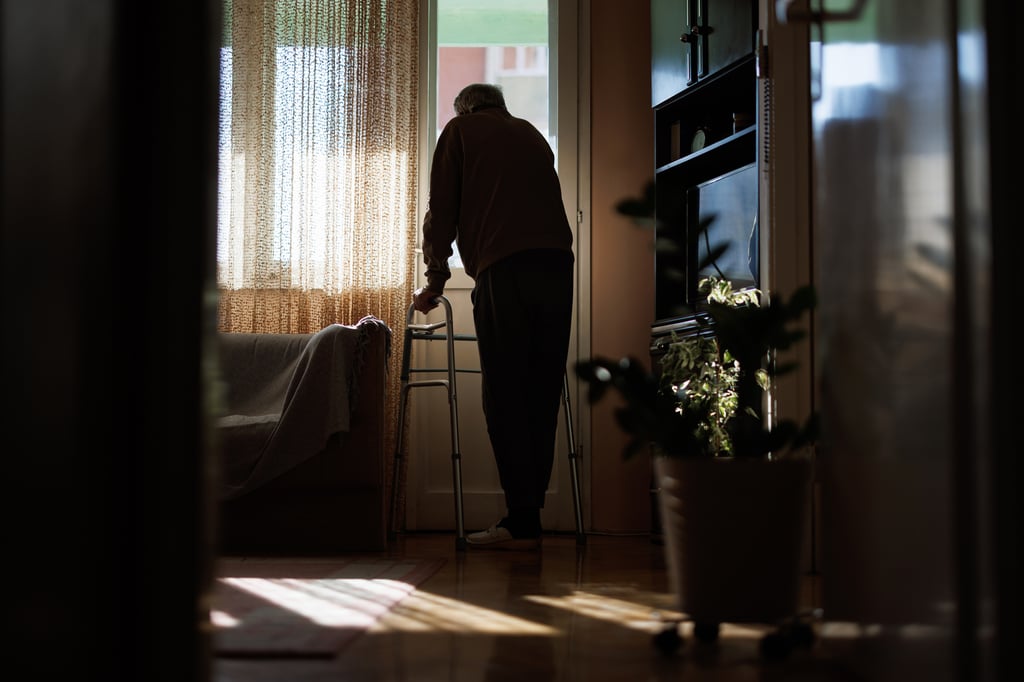
Medicaid Cuts Could Force More Kids to Become Caregivers
Trump’s Medicaid cuts are expected to limit access to home care services—potentially forcing many kids to become caregivers, warns Lisa McCarty.
 Health
Measles rise across US: Dozens of states report alarming outbreaks
In the US vaccine rates are dropping leading to outbreaks in the measles virus. The country is on the verge of losing its status as having eliminated the virus. The most cases have occurred in the state of South Carolina, where medical professionals are sounding the alarm for the rest of the country.

‘I didn’t want to be on medication the rest of my life’: veteran runs psilocybin retreats for PTSD before FDA approval
<p>Researchers say ‘magic mushrooms’ can help with traumatic symptoms, but urge caution as states expand access</p><ul><li><p><a href="https://www.theguardian.com/news/2026/feb/17/sign-up-for-the-breaking-news-us-email-to-get-newsletter-alerts-direct-to-your-inbox?utm_medium=ACQUISITIONS_STANDFIRST&utm_campaign=BN22326&utm_content=signup&utm_term=standfirst&utm_source=GUARDIAN_WEB">Sign up for the Breaking News US email to get newsletter alerts in your inbox</a></p></li></ul><p>After three combat deployments in Afghanistan, during which he suffered traumatic brain injuries from concussive blasts, army ranger Jesse Gould developed post-traumatic stress <a href="https://www.theguardian.com/society/mental-health">disorder</a> and said he “drank almost every night to cope”.</p><p>In times of hardship, veterans sometimes turn to “medication and talk therapy, but it tends to be more of a maintenance program than actually overcoming it”, Gould said, but added that at age 38...
Did this story change how you see things?
Stories like this only matter when people see them. Help us get verified journalism in front of more eyes.
The Verity Ledger curates verified investigative journalism from trusted sources only.
See our sourcesMost Read This Week
Fuel efficiency a hot topic at New York Auto Show

Automatic registration for US military draft to begin in December

DOJ’s Civil Rights Division Investigates Cassidy Hutchinson, Who Testified Against Trump

WATCH LIVE: Hegseth and Caine hold Pentagon briefing as Trump threatens Iran's infrastructure

People in recovery find a fresh start by crafting Troublesome Creek instruments