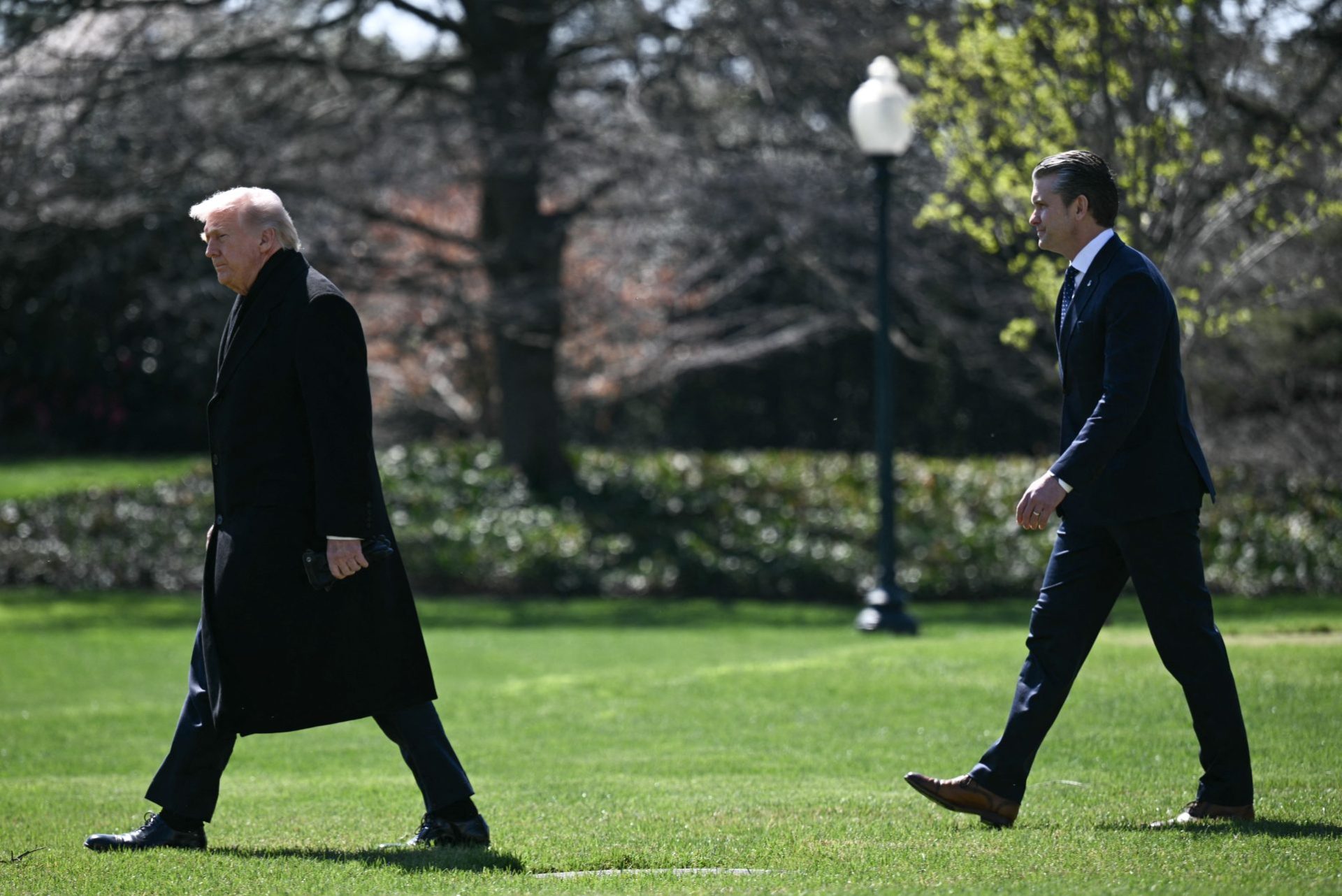
4 pivotal questions that could define the Iran war's next phase - Axios
Quick Insights
The Bottom Line
Axios analyzes four critical questions determining whether U.S.-Iran military tensions will escalate into a broader regional war or find diplomatic resolution.
How This Affects You
If the Iran-U.S. conflict escalates into wider war, oil prices could spike significantly, raising gas and heating costs for American households.
AI Summary
Axios examines four critical questions that will shape the trajectory of potential military escalation between the U.S. and Iran. The analysis considers variables including whether Iran will retaliate for recent strikes, how the Trump administration will respond to any Iranian action, whether regional allies will become directly involved, and what diplomatic off-ramps might exist to prevent wider conflict. These questions are significant because Iran and the U.S. have exchanged military strikes in recent months, raising the risk of an uncontrolled spiral that could destabilize the Middle East. The piece reflects uncertainty among policymakers and analysts about how the current tensions will unfold and whether either side will choose restraint or escalation. The answers to these questions will likely determine whether the conflict remains contained or expands into a broader regional war.
Source Coverage Map
15 of 43 tracked sources covered this story
Following this story?
Get notified when new coverage appears
Other Sources Covering This Story
5 sourcesMultiple outlets have reported on this story. Compare perspectives from different sources.


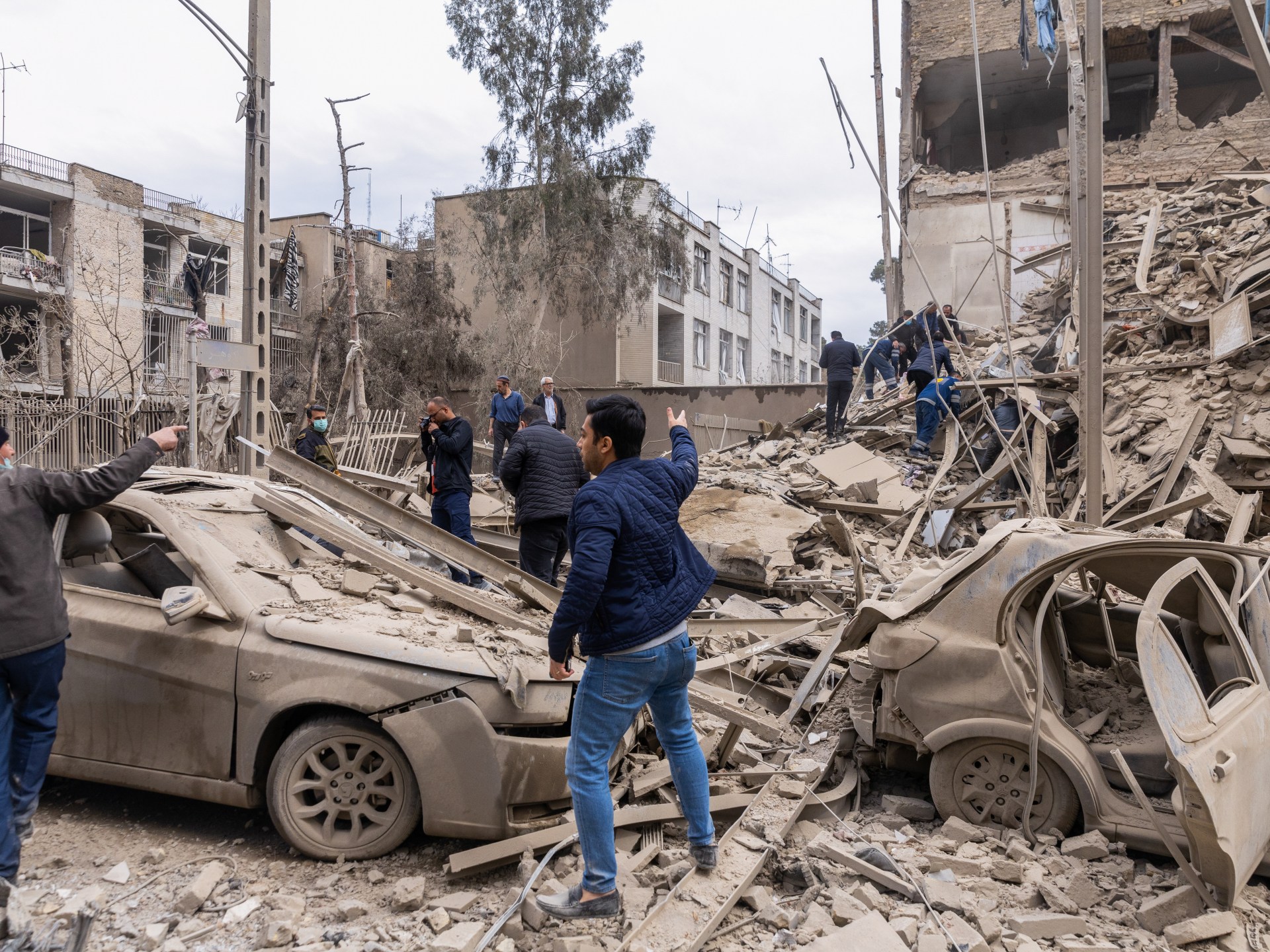

Middle East war live: Iran targets UK-US military base Diego Garcia, US and Israel strike Natanz nuclear site
Should this be getting more attention?
You Might Have Missed
Related stories from different sources and perspectives
 Global
16 Reader Questions on the War in Iran and Our Reporting, Answered
Do the United States and Israel share similar goals? What kind of leadership will Iran have next? How does The Times report on wartime deaths?
 Global
Iran war's energy impact forces world to pay up, cut consumption - Reuters
<a href="https://news.google.com/rss/articles/CBMisAFBVV95cUxNa3ZsUWlwZVNmajd6U1hZS2dwUG41YS1hVHUtY1N2RTlCZHdtUjdVRDJmcFB2bzBITG5aWE1NWTNOUm82aVhCV2d6MGc3eWJZczJFZzlIdHg2czZZeU43MXVaTTg5Mm5wX0pyUUEybHFDaWhHV0tWVGJ4Z0Z6N2FyRkJYMlBwNFRTeFhOZUNfN0pTc3Q3VWhFRVdwN2xuTElvaUQyR3I0X2Z5aUNjdHg0VQ?oc=5" target="_blank">Iran war's energy impact forces world to pay up, cut consumption</a> <font color="#6f6f6f">Reuters</font>
 Politics
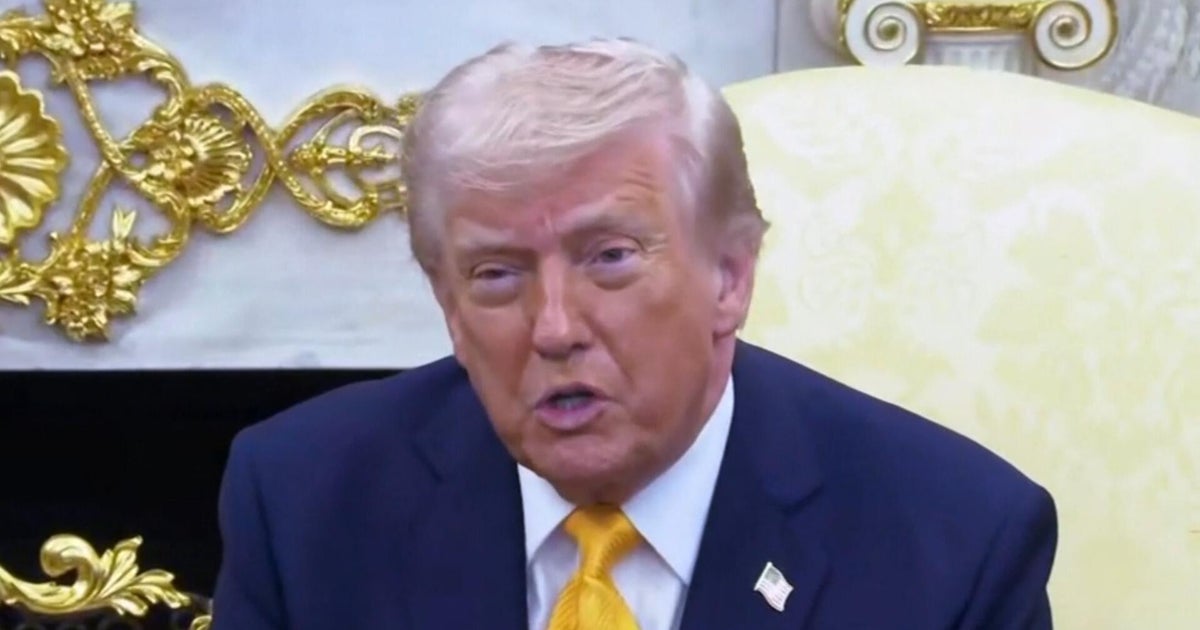
Trump downplays Iran war's impact on global energy prices
Hosting the prime minister of Japan in the Oval Office, President Trump downplayed the Iran war's impact on global energy prices. But gas prices are continuing to climb as the Defense Department asks for more funding. Weijia Jiang has the latest.
 AI & Warfare
WATCH: Anduril's Palmer Luckey talks AI, nukes and Iran on "The Axios Show"
<iframe src="https://cdn.jwplayer.com/players/rAFojuim-AeXnLRNE.html" frameborder="0" scrolling="auto" allowfullscreen ></iframe><p>The U.S. holds an "extremely small" lead on China in the AI race, in part because authoritarian governments have certain advantages in deploying new technology, <a href="https://www.axios.com/2025/01/16/anduril-weapons-factory-ohio-brose" target="_blank">Anduril Industries</a> founder Palmer Luckey said in a new episode of "The Axios Show."</p><p><strong>Why it matters: </strong>Having Beijing dominate AI — and thus set the rules of the road globally — is considered a risk to U.S. national and economic security.</p><hr><p><strong>What they're saying: </strong>China has done a "very good job of distilling our models, copying a lot of our technology, leveraging <a href="https://www.axios.com/2025/10/03/ai-deepseek-alarm" target="_blank">open-source</a> AI advancements and getting those advancements into fielding — not just with the military, but also thei...
 National Security
Trump mulls risky Kharg Island takeover to force Iran to open strait - Axios
 Global
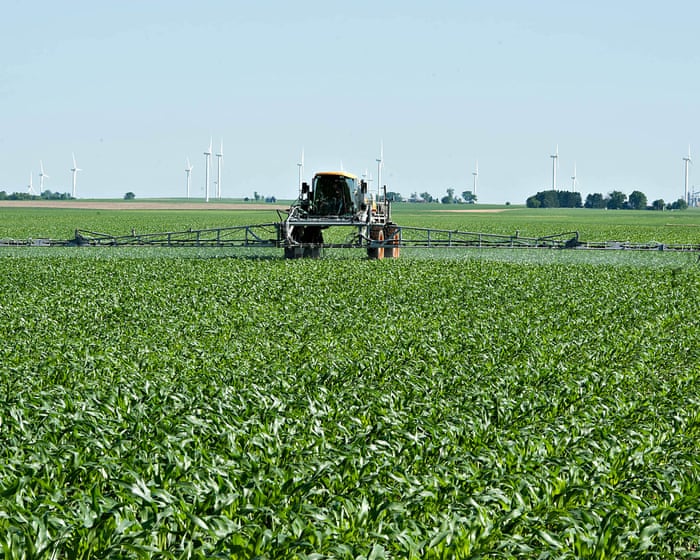
‘It’s not sustainable’: US farmers reeling as Iran war pushes fertilizer costs up
<p>Closure of strait of Hormuz – a key fertilizer production and transportation route – has squeezed farmers as prices jump</p><p>Rodney Bushmeyer has been farming as long as he can remember. Bushmeyer’s father was a farmer, as was his grandfather.</p><p>The family-run Bushmeyer Farms in Illinois dates back more than 100 years, when his ancestors came to the US from Germany. They acquired the first 80 acres cost-free as homesteaders, cleared the land, and worked it.</p> <a href="https://www.theguardian.com/us-news/2026/mar/20/iran-war-us-farming-impact">Continue reading...</a>
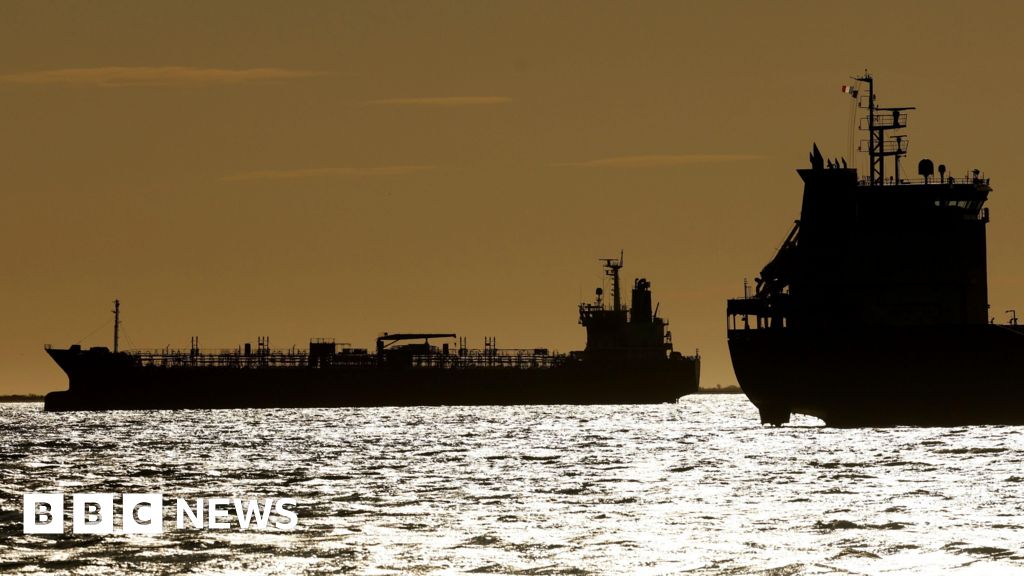
US considers lifting sanctions on some Iranian oil
Treasury Secretary Scott Bessent broached waiving sanctions on oil already at sea, which would be a stunning reversal of longstanding American policy.
Did this story change how you see things?
Stories like this only matter when people see them. Help us get verified journalism in front of more eyes.
The Verity Ledger curates verified investigative journalism from trusted sources only.
See our sourcesMost Read This Week
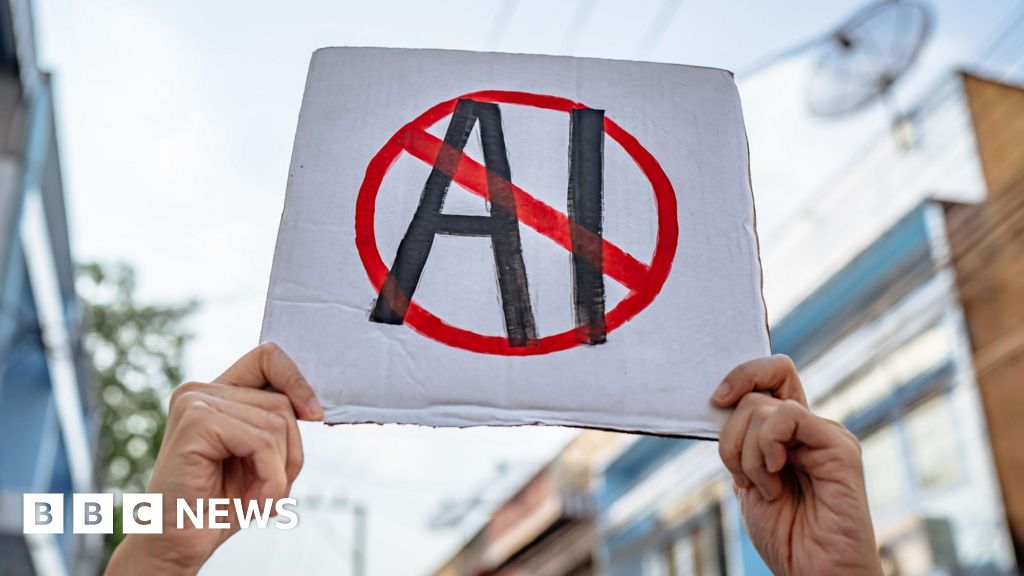
Race on to establish globally recognised 'AI-free' logo
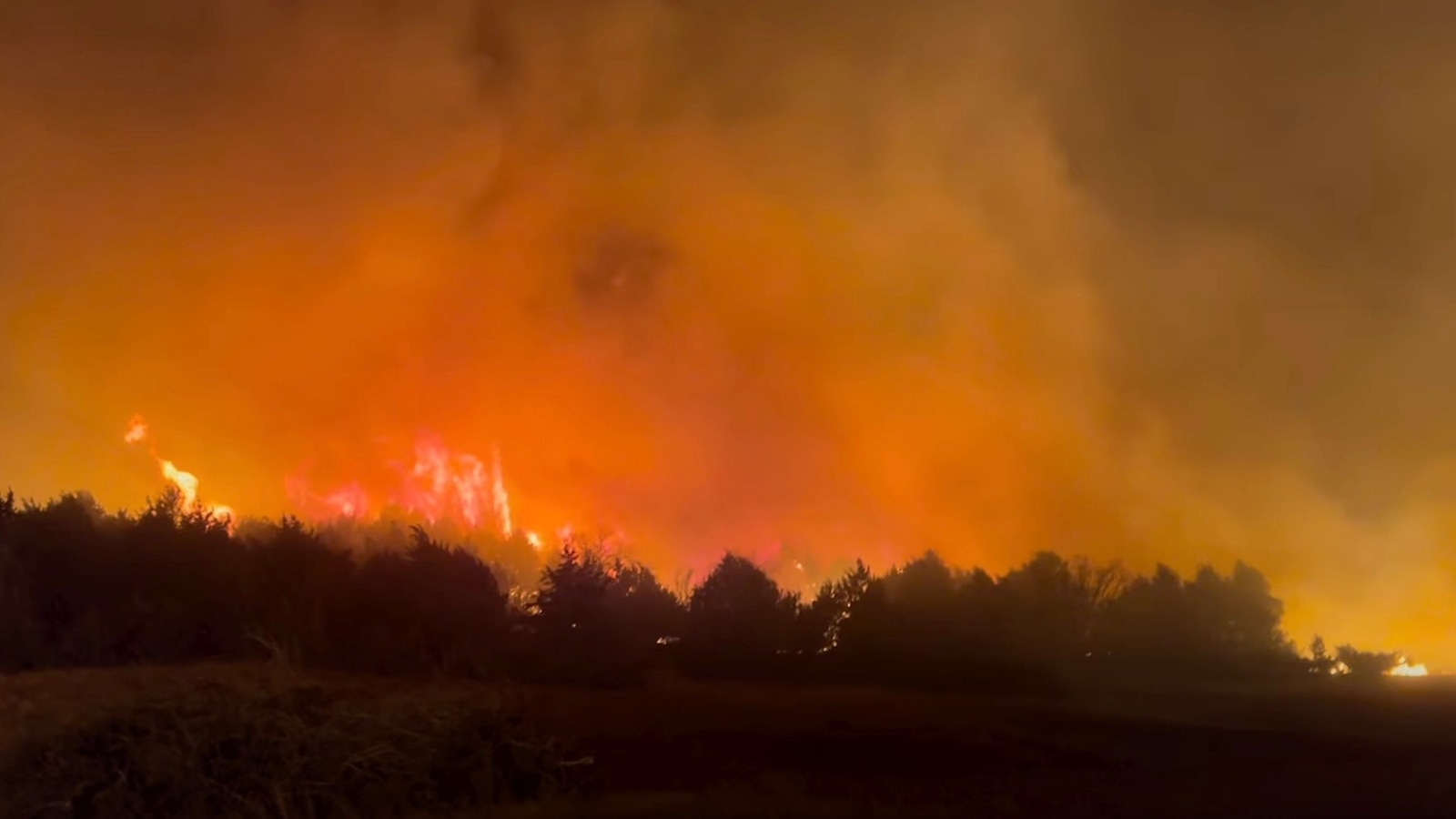
Biggest wildfire in Nebraska history continues to burn out of control - abcnews.com
TikTok and Meta risked safety to win algorithm arms race, whistleblowers say

Bank of America reaches proposed, non-binding settlement in Jeffrey Epstein suit
White House registers new ‘alien’-related .gov domains as DOD tackles Trump’s disclosure directive