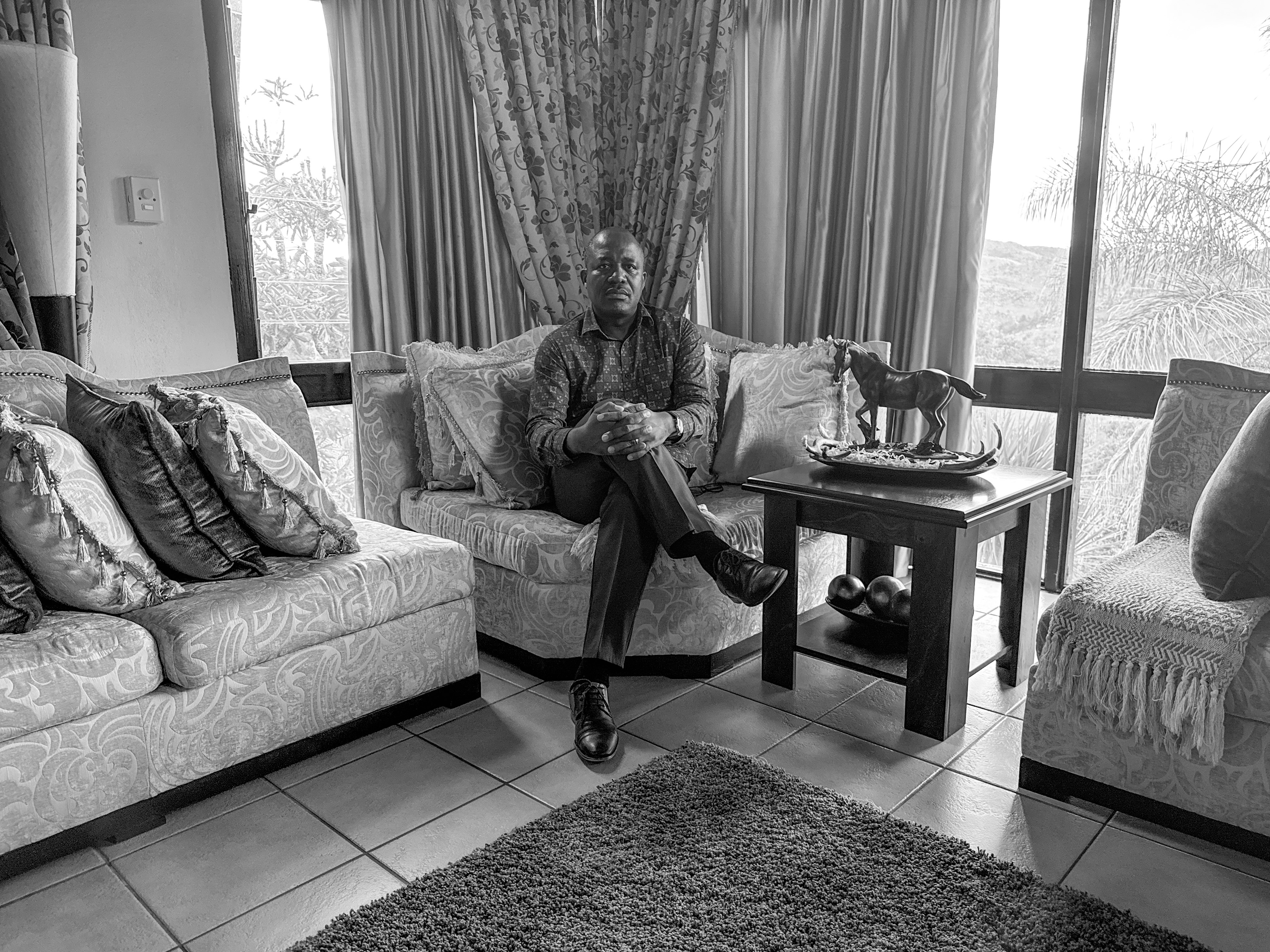

An American Company Drilled for Oil in Kenya — and Left Behind Soaring Cancer Rates
Quick Insights
The Bottom Line
An American company's past oil drilling in Kenya is linked to environmental contamination and high cancer rates.
AI Summary
Amoco, an American oil company now owned by BP, drilled for oil in Kenya's remote Kargi village and surrounding Chalbi Desert in the 1980s, leaving behind drilling waste. This waste, which included a dry white substance containing heavy metals and carcinogens, contaminated the local water supply, leading to high levels of nitrates and arsenic. Residents, who mistakenly used the substance as salt, and their livestock began suffering from digestive tract cancers and mass animal deaths; by the early 2000s, Kargi's cancer rate was three times the national average. In 2020, residents sued the Kenyan national and county governments for failing to police Amoco's environmental damage, seeking clean water. The lawsuit, the first based on Kenya's constitutional right to a safe environment, is still proceeding through the court system six years later.
What's Being Done
Rural Kenyans are suing Amoco, now part of BP, for a right to a clean environment.
Following this story?
Get notified when new coverage appears
This article is part of a story we're tracking:
Should this be getting more attention?
You Might Have Missed
Related stories from different sources and perspectives
 Environment
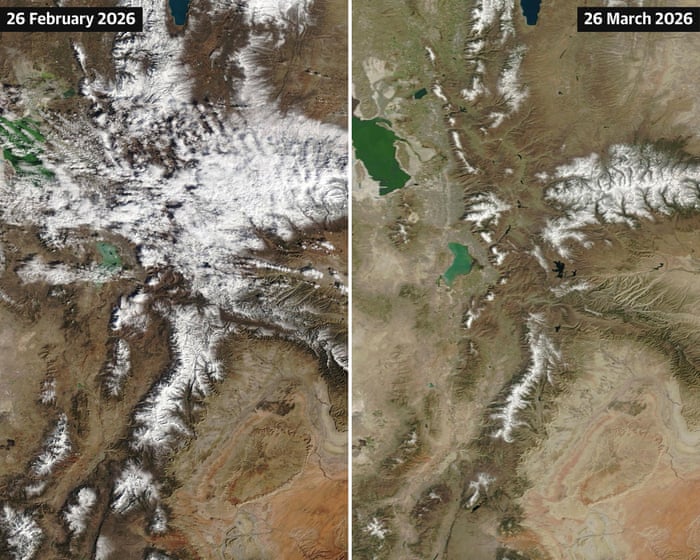
‘On a whole other level’: rapid snow melt-off in American west stuns scientists
<p>Experts say brutal March heat has left critical snowpack at record-low levels – and key basins in uncharted territory</p><p>Snow surveys taking place across the American west this week are offering a grim prognosis, after a historically warm winter and searing March temperatures left the critical snowpack at record-low levels across the region.</p><p>Experts warned that even as the heat begins to subside, the stunning pace of melt-off over the past month has left key basins in uncharted territory for the dry seasons ahead. Though there’s still potential for more snow in the forecast, experts said it will likely be too little too late.</p> <a href="https://www.theguardian.com/us-news/2026/apr/01/snowmelt-american-west">Continue reading...</a>
 Politics
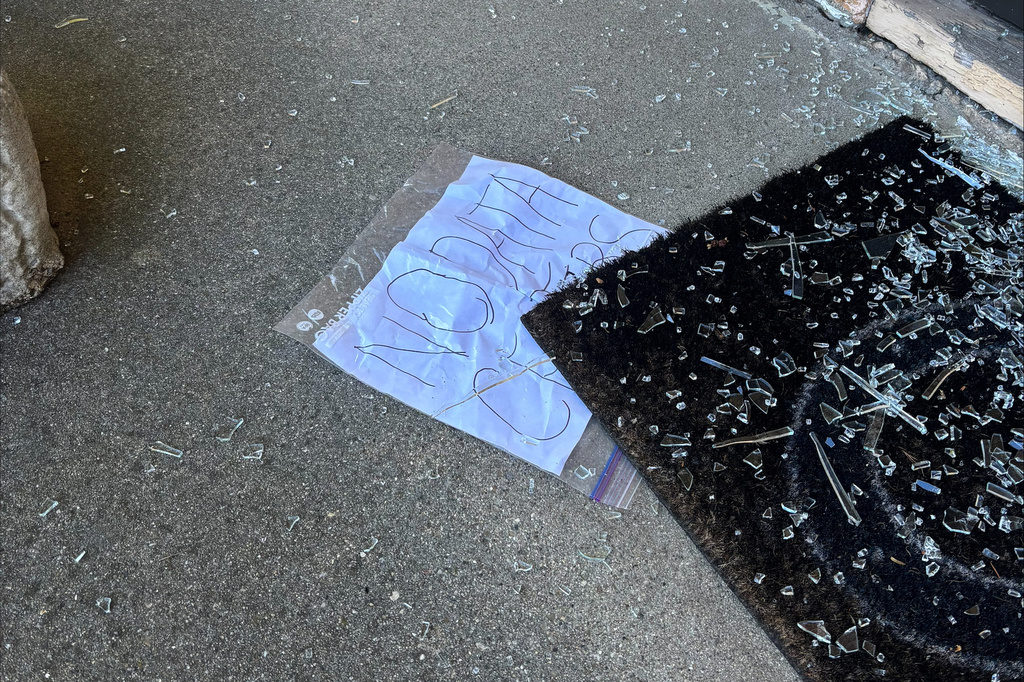
Indianapolis councilman says shots fired at home and 'No Data Centers' note left at door
An Indiana politician says someone fired 13 shots at his front door and left behind a note reading "No Data Centers" on his doorstep.

Behind the controversy and criticism surrounding the film "The Drama"
(Spoilers ahead): The new film "The Drama," which stars Zendaya and Robert Pattinson, is stirring controversy and even some criticism over a shocking admission made by Zendaya's character. Nigel Smith, a senior news editor with People, breaks down the big reveal and if he thinks the backlash is warranted.
 Environment
The Trump Administration’s Latest Target: This Woolly American Icon
This story was originally published by Inside Climate News and is reproduced here as part of the Climate Desk collaboration. The American buffalo—those ornery, hairy prairie beasts that reign as the official mammal of the United States—have joined wind turbines, electric cars, and climate researchers in the crosshairs of the Trump administration. Acceding to anti-bison grumbling from cattle ranchers and […]
 Civil Rights
California 'architect' of 19th century native American genocide, 'US govt 'funded' most of killing'
Eve Irvine is pleased to welcome Benjamin Madley, History Professor at UCLA and author of 'An American Genocide: The United States and the California Indian Catastrophe, 1846-1873'. Drawing upon years of archival research, his work challenges long-standing narratives that attribute this demographic collapse primarily to disease or displacement. He argues that what occurred meets the legal and historical criteria of genocide: a state-sponsored system of violence. Despite immense loss, California’s Indigenous peoples have endured, rebuilt, and continue to assert their sovereignty.
 Politics
“Economic Civil War”: States Push Laws to Shield Oil and Gas Companies From Accountability
The post “Economic Civil War”: States Push Laws to Shield Oil and Gas Companies From Accountability appeared first on ProPublica .
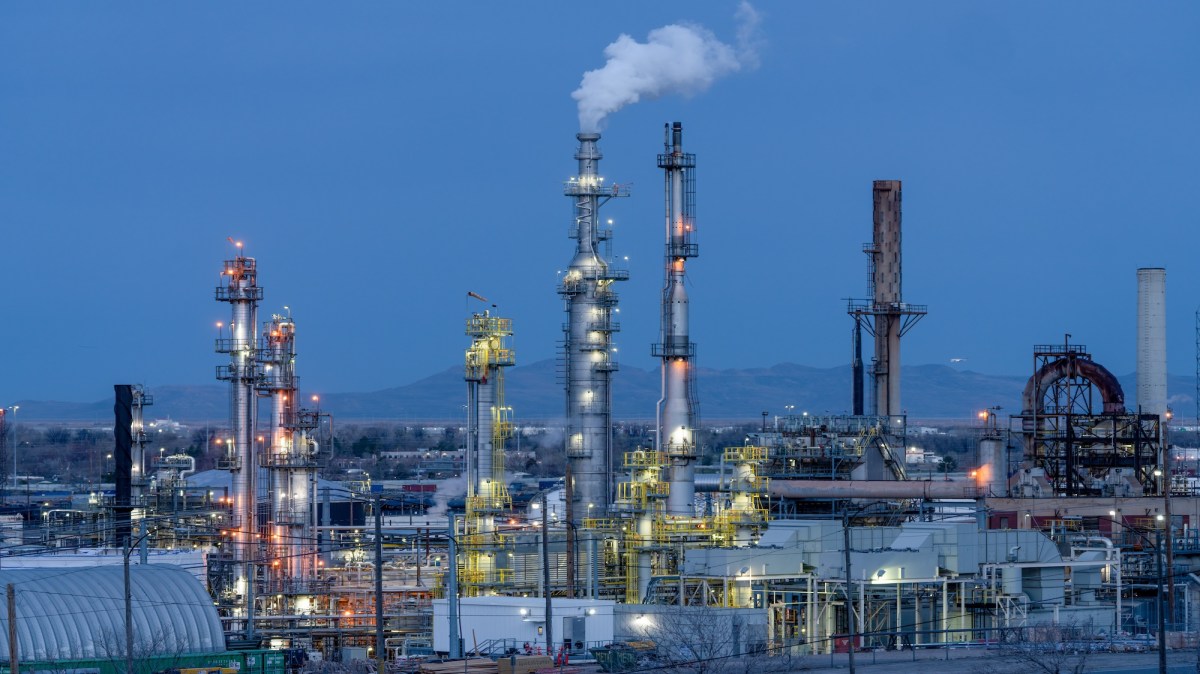
New Utah Law Shields Fossil Fuel Firms From Liability for Climate Chaos
This story was originally published by the Guardian and is reproduced here as part of the Climate Desk collaboration. Utah has made it nearly impossible for residents to hold fossil fuel companies legally accountable for climate damages in a move one advocacy group described as putting “profits for the biggest polluters over communities,” with other states expected to follow suit. The new state legislation […]
Did this story change how you see things?
Stories like this only matter when people see them. Help us get verified journalism in front of more eyes.
The Verity Ledger curates verified investigative journalism from trusted sources only.
See our sourcesMost Read This Week
Protests erupt in West Bank as Israel approves death penalty for Palestinians

Over-the-counter medication abortion? These researchers say it would be safe

US Democratic lawmakers visit Cuba, call on Trump to "bring the rhetoric down" - Reuters

Iran live updates: IRGC says Strait of Hormuz will 'never' revert to pre-war state
Congress gave money for global HIV work. The Trump administration isn't spending it