Armaments consortium to help speed, standardize drone fuze production
The Bottom Line
A consortium is working to standardize drone fuzing technology for the U.S. military to speed production.
The National Armaments Consortium (NAC) is intensifying efforts to standardize drone fuzing technology for the U.S. military, a critical component for the Pentagon's lethal unmanned aerial systems initiative. This collaboration, involving over 1,200 organizations, aims to unify fuzing components adaptable across diverse drone platforms, addressing safety and rapid production needs. According to NAC executive director Ben Harris, the goal is to establish common standards similar to the Picatinny rail for rifles, ensuring safe and efficient munition deployment. This standardization is crucial for the military's aggressive push to integrate drones widely, potentially yielding initial results within 12 months for existing systems. The initiative seeks to streamline development and deployment of lethal UAS by creating interoperable fuzing solutions.
What's Being Done
Actions, solutions, and how to get involved
The National Armaments Consortium (NAC), comprising over 1,200 organizations, is actively working to standardize drone fuzing technology for the U.S. military's lethal unmanned aerial systems initiative. This collaborative effort aims to unify fuzing components across diverse drone platforms to enhance safety and production efficiency. Readers can monitor announcements from the Department of Defense and defense contractors regarding drone technology advancements and engage in discussions about military procurement and standardization efforts.
Following this story?
Get notified when new coverage appears
Should this be getting more attention?
You Might Have Missed
Related stories from different sources and perspectives
 AI & Warfare
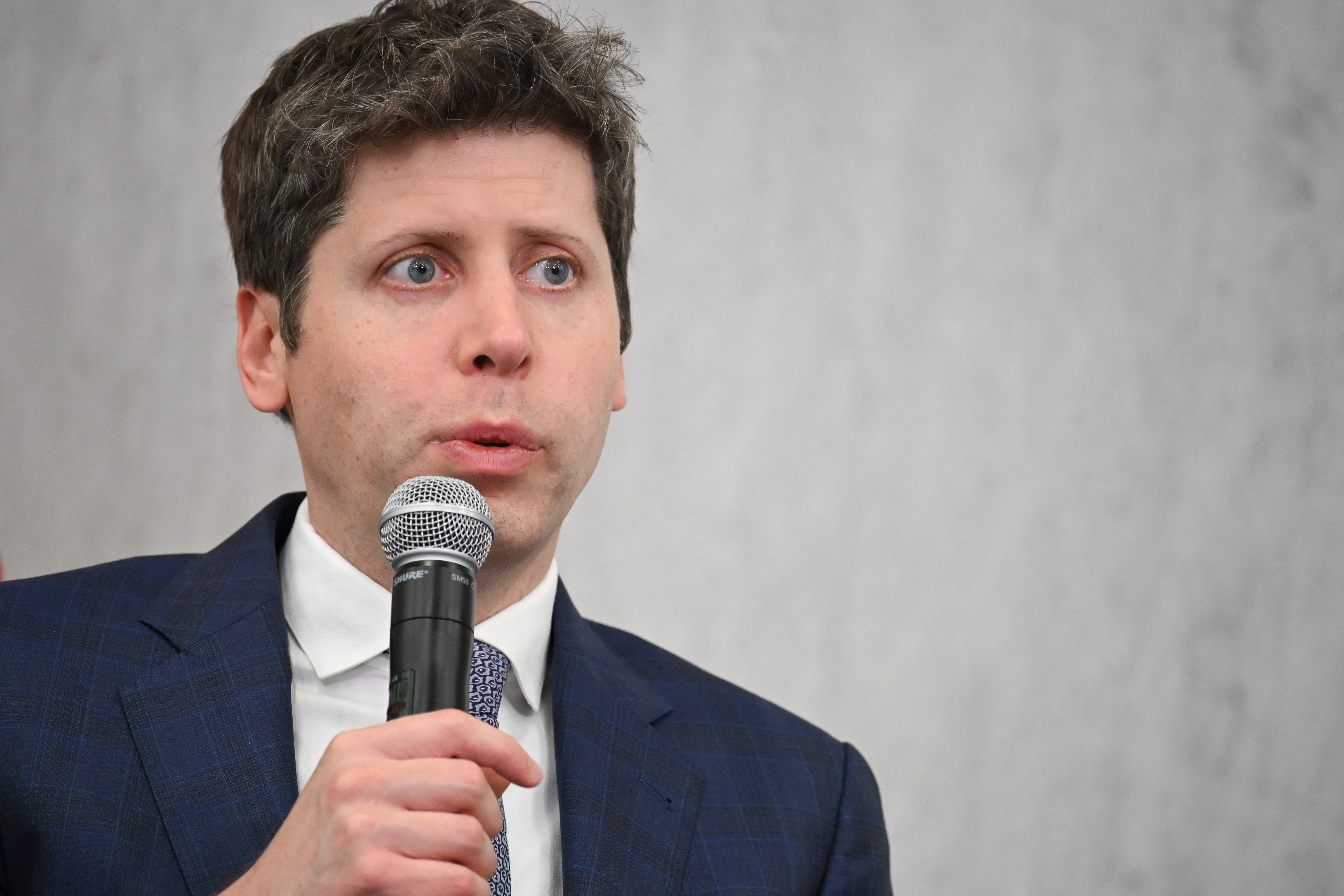
OpenAI robotics leader resigns over concerns about Pentagon AI deal
A senior member of OpenAI's robotics team said guardrails around certain AI uses were not sufficiently defined before OpenAI announced an agreement with the Pentagon.
 AI & Warfare
Pentagon's chief tech officer says he clashed with AI company Anthropic over autonomous warfare - AP News
<a href="https://news.google.com/rss/articles/CBMisgFBVV95cUxOczhXc3VIT1h3OUJEZEUxMVA5UGJ5YVcyMmFoOFlWaFJhNzJXNU5lT1RqLUNDbUdaMXhJOVl4ZTI3OXd2eThkMEczMTYwYjd5MGxxc2pnQTB2Z2ZRdVZndzRqR3FCV3A4elZwUWNyb0pzeWdoSGYyN1lCcy1OalVmTXExcGRId2d3SU9vWnY2ZEwtUW5CY1FFRHFxa3Z0a01fdy1zV2Ruc0ktZU5uTnNmOTFB?oc=5" target="_blank">Pentagon's chief tech officer says he clashed with AI company Anthropic over autonomous warfare</a> <font color="#6f6f6f">AP News</font>
 AI & Warfare
Anthropic sues in federal court to reverse Trump administration's 'supply chain risk' designation
The Pentagon last week formally designated San Francisco tech company a supply chain risk after an unusually public dispute over how its AI chatbot Claude could be used in warfare.
60 Minutes Havana Syndrome report finds U.S. tested energy weapon
Producers Oriana Zill de Granados and Michael Rey discuss mysterious injuries suffered by government officials, known as Havana Syndrome. Their reporting revealed U.S. government testing of a directed energy weapon.
OpenAI robotics leader resigns over concerns about Pentagon AI deal
A senior member of OpenAI's robotics team said guardrails around certain AI uses were not sufficiently defined before OpenAI announced an agreement with the Pentagon.
Did this story change how you see things?
Stories like this only matter when people see them. Help us get verified journalism in front of more eyes.
The Verity Ledger curates verified investigative journalism from trusted sources only.
See our sourcesMost Read This Week
White House halts security bulletin warning of Iran-related threats - Reuters

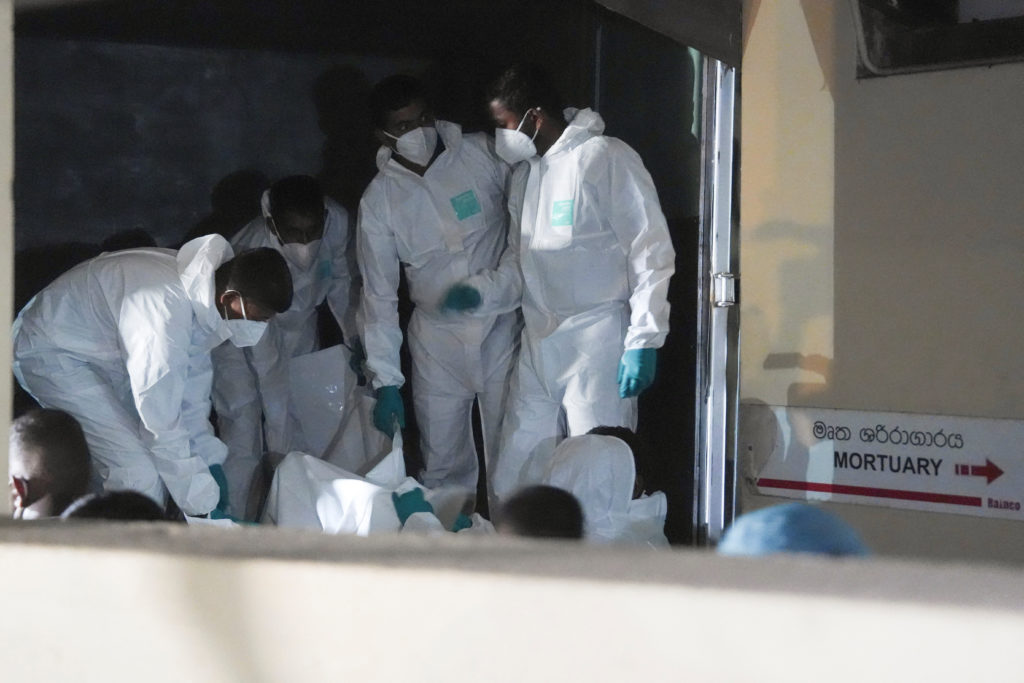
Sri Lanka recovers 87 bodies from Iranian warship sunk off its coast by U.S. submarine
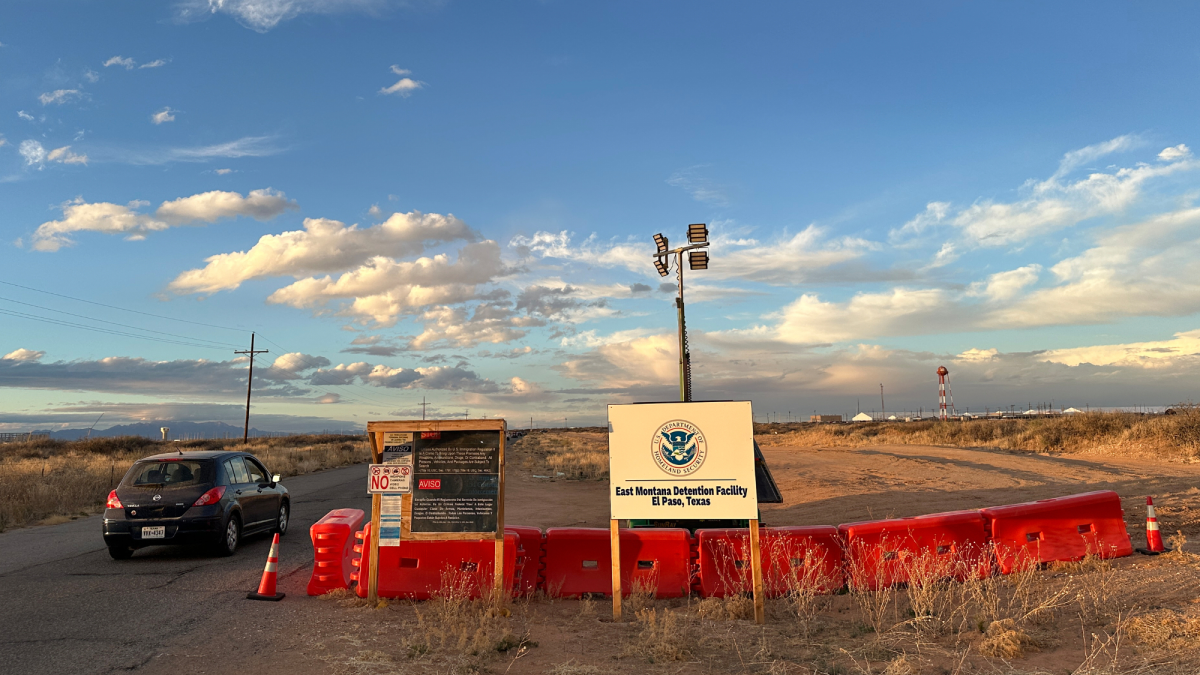
At Largest ICE Detention Camp, Staff Bet on Detainee Suicides, AP Reports
Laden Iranian ships depart Chinese port tied to key military chemicals - The Washington Post

Fact-checking Trump's comments that a 2015 deal gave Iran the right to nuclear weapons