
Artemis II Mission Concludes Successfully
NASA's Artemis II mission, carrying four astronauts, successfully concluded its historic journey around the Moon and returned to Earth with a splashdown in the Pacific Ocean. This mission marks a significant step in humanity's return to lunar exploration and provides crucial data for future deep-space endeavors.
Latest Developments

Cheers welcome Artemis II astronauts home after record-breaking trip
The Artemis II astronauts were welcomed home at Ellington Field near NASA's Johnson Space Center after completing their record-breaking trip. The crew of four flew in from San Diego, where they had splashed down offshore the previous evening. This event marks the successful conclusion of a significant mission for NASA's Artemis program. The return of the astronauts to Mission Control signals a critical step in the ongoing efforts to return humans to the Moon.

Artemis II crew returns to Houston after successful mission
The Artemis II astronauts returned to Houston after successfully completing their mission. Their spacecraft splashed down off the coast of San Diego on Friday night, marking the end of their journey. This successful return signifies a major milestone for NASA's Artemis program, which aims to return humans to the Moon. Retired Lieutenant Colonel David Mahan is discussing the mission's completion with CBS News.

Artemis II’s moon-traveling astronauts return home to cheers after a record-breaking trip - AP News
Artemis II’s moon-traveling astronauts have returned home to cheers following their record-breaking trip. This mission marks a significant milestone in humanity's return to lunar exploration, demonstrating the capabilities of the Artemis program. The successful journey and safe return of the crew advance preparations for future missions that aim to land humans on the Moon. The record-breaking nature of the trip likely refers to duration, distance, or specific achievements during the lunar flyby. This accomplishment sets the stage for further deep-space exploration efforts by NASA and its international partners.

Artemis II splashdown captures nationwide attention - NPR
The Artemis II mission's splashdown has captured nationwide attention, according to NPR. This event marks the successful return of the crewed mission that orbited the Moon as part of NASA's ambitious lunar exploration program. The splashdown signifies a major milestone for the Artemis program, which aims to return humans to the lunar surface. Public interest in the mission highlights the ongoing enthusiasm for space exploration and scientific achievement. The success of Artemis II sets the stage for future crewed lunar landings.

Artemis II crew used modern photography to tell the visual story of their lunar journey – and update some classic Apollo images
The Artemis II crew used modern photography, including iPhones and Nikon digital cameras, to document their recent lunar journey. NASA astronaut Christina Koch was photographed gazing at Earth on April 2, 2026, with an iPhone 17 Pro Max. These digital photographs, some transmitted mid-mission, provide a refreshed look at space for generations born after Apollo 17's last lunar mission in 1972. The crew, including Reid Wiseman, Victor Glover, Christina Koch, and Jeremy Hansen, underwent weeks of photography training. Their images, which include a solar eclipse captured on April 6, 2026, and an "Earthset," are now safely stored on memory cards with NASA.
Key Facts
The Artemis II Orion crew module, carrying four astronauts, successfully splashed down in the Pacific Ocean on Friday evening.
Source: NPR
The mission completed a historic 695,081-mile, 10-day journey around the Moon and back.
Source: ABC News
NASA officials hailed the mission as a 'fantastic feat' and a significant step in lunar exploration.
Source: Al Jazeera
Astronauts Christina Koch, Victor Glover, Jeremy Hansen, and Reid Wiseman were airlifted from their capsule after splashdown.
Source: CBS News
The mission's success provides NASA with significant momentum in the renewed effort to return humans to the Moon.
Source: New York Times
Recent Highlights
Astronauts are safely recovered and undergo initial medical checks.
The Orion crew module splashes down in the Pacific Ocean, concluding the mission.
Artemis II astronauts prepare for re-entry and splashdown near San Diego after historic moon flyby.
NASA holds a press conference to discuss the mission's success and future plans.
Full Coverage (54 articles)
Showing 20 of 54 articles
Cheers welcome Artemis II astronauts home after record-breaking trip
The Artemis II astronauts were welcomed home at Ellington Field near NASA's Johnson Space Center after completing their record-breaking trip. The crew of four flew in from San Diego, where they had splashed down offshore the previous evening. This event marks the successful conclusion of a significant mission for NASA's Artemis program. The return of the astronauts to Mission Control signals a critical step in the ongoing efforts to return humans to the Moon.
Artemis II crew returns to Houston after successful mission
The Artemis II astronauts returned to Houston after successfully completing their mission. Their spacecraft splashed down off the coast of San Diego on Friday night, marking the end of their journey. This successful return signifies a major milestone for NASA's Artemis program, which aims to return humans to the Moon. Retired Lieutenant Colonel David Mahan is discussing the mission's completion with CBS News.
Artemis II’s moon-traveling astronauts return home to cheers after a record-breaking trip - AP News
Artemis II’s moon-traveling astronauts have returned home to cheers following their record-breaking trip. This mission marks a significant milestone in humanity's return to lunar exploration, demonstrating the capabilities of the Artemis program. The successful journey and safe return of the crew advance preparations for future missions that aim to land humans on the Moon. The record-breaking nature of the trip likely refers to duration, distance, or specific achievements during the lunar flyby. This accomplishment sets the stage for further deep-space exploration efforts by NASA and its international partners.
Artemis II splashdown captures nationwide attention - NPR
The Artemis II mission's splashdown has captured nationwide attention, according to NPR. This event marks the successful return of the crewed mission that orbited the Moon as part of NASA's ambitious lunar exploration program. The splashdown signifies a major milestone for the Artemis program, which aims to return humans to the lunar surface. Public interest in the mission highlights the ongoing enthusiasm for space exploration and scientific achievement. The success of Artemis II sets the stage for future crewed lunar landings.
Artemis II crew used modern photography to tell the visual story of their lunar journey – and update some classic Apollo images
The Artemis II crew used modern photography, including iPhones and Nikon digital cameras, to document their recent lunar journey. NASA astronaut Christina Koch was photographed gazing at Earth on April 2, 2026, with an iPhone 17 Pro Max. These digital photographs, some transmitted mid-mission, provide a refreshed look at space for generations born after Apollo 17's last lunar mission in 1972. The crew, including Reid Wiseman, Victor Glover, Christina Koch, and Jeremy Hansen, underwent weeks of photography training. Their images, which include a solar eclipse captured on April 6, 2026, and an "Earthset," are now safely stored on memory cards with NASA.

Artemis II crew splashes down safely
The Artemis II crew, consisting of Commander Reid Wiseman, Christina Koch, Victor Glover, and Jeremy Hansen, safely splashed down off the California coast on Friday. This event capped NASA's successful crewed test mission around the Moon, marking the first such flyby in over 50 years. The mission's completion signifies a major milestone for the US space agency's deep space exploration efforts. All four crew members were reported to be "stable" and "green" after the landing. Dr. Christ James, a Senior Lecturer at the Center for Hypersonics, offered insights on the mission and its landing.

First lunar flyby in over 50 years hailed as perfect mission
Four NASA astronauts safely splashed down off the California coast late Friday, completing the first crewed lunar flyby in over 50 years. This mission marks a significant achievement for the US space agency's efforts to return humans to the moon. The successful return of the crew is a major milestone, demonstrating progress in NASA's deep space exploration ambitions. France 24 correspondent Wassim Cornet reported on the landing from the AirSpace Museum.
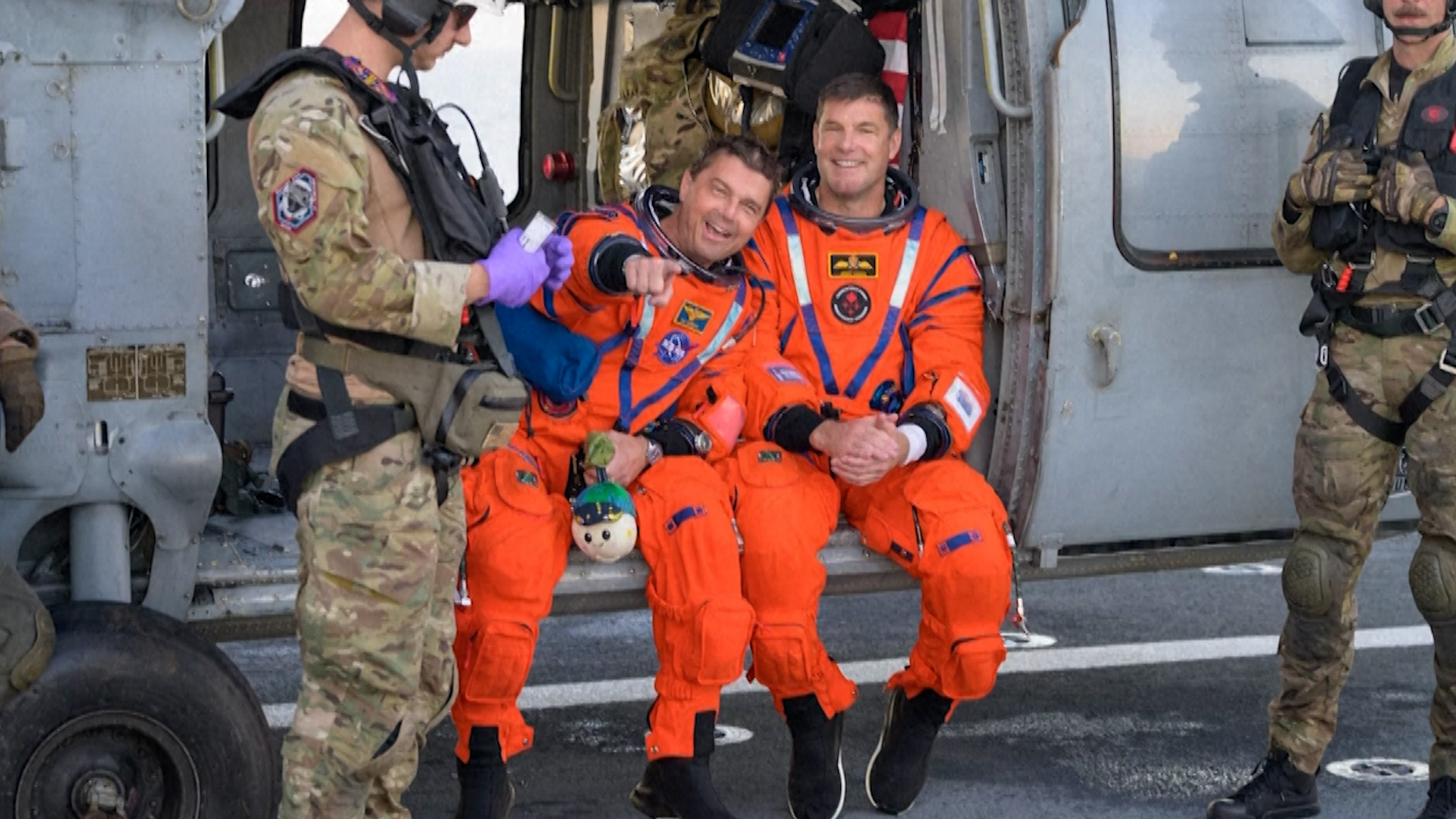
Artemis II crew seen on recovery ship after moon mission return
NASA's Artemis II astronauts were seen being helped across the deck of a US Navy recovery ship following their return from a moon mission. This marks the successful conclusion of the Artemis II mission, which was the first crewed test flight of the Orion spacecraft around the Moon. The recovery operation ensures the safety and well-being of the crew after their journey. This event represents a significant milestone for NASA's Artemis program, which aims to return humans to the lunar surface.
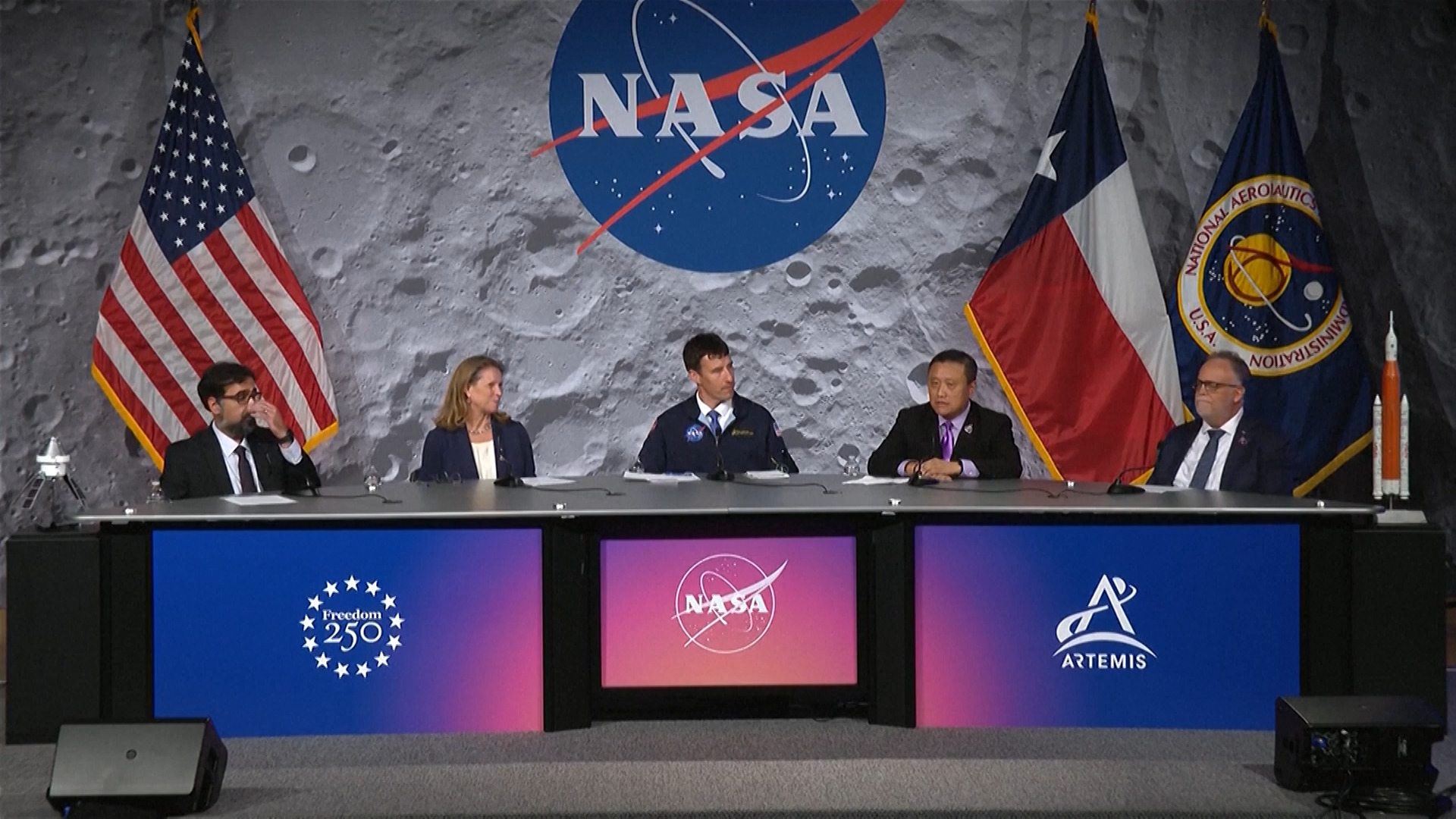
NASA hails success of Artemis moon mission but says more work to do
NASA scientists have hailed the Artemis II mission, which sent astronauts around the moon, as a "fantastic feat." This assessment follows the mission's completion, marking a significant step in the agency's efforts to return humans to the lunar surface. Despite the success, NASA indicates that more work is necessary for its broader Artemis program goals. The Artemis II mission served as a crewed test flight, paving the way for future lunar landings. This ongoing work aims to establish a long-term human presence on and around the Moon.

After a whirlwind mission to the moon, astronauts are back home. Here's what's next
The Orion crew module, carrying the four Artemis II astronauts, successfully splashed down in the Pacific Ocean Friday evening. This marks the completion of their whirlwind mission to the moon. The immediate consequence is the safe return of the astronauts. The article does not provide further details about what happens next.

Artemis astronauts return to earth
Four astronauts from the Artemis mission successfully splashed down off the California coast late Friday, completing the first crewed lunar flyby in over 50 years. This triumphant return marks a significant achievement for NASA, which aims to re-establish human presence in deep space. The mission's success is a major milestone for the US space agency's ambitions to return humans to the Moon. Caitlin Brown reported on the event.

Artemis II: “Taking care of space means taking care of Earth”
The NASA spacecraft Artemis II, carrying four astronauts, successfully splashed down off the California coast on Friday, completing the US space agency's crewed test mission around the Moon. This marks the first such lunar flyby with a crew in over 50 years, demonstrating a significant milestone in space exploration. The successful splashdown paves the way for future Artemis missions, including a planned return of humans to the lunar surface. Olivier Sanguy, Editor-in-Chief of Space News at the Cité de l'Espace, is providing further insights into the mission's conclusion and upcoming plans. The mission's success underscores the connection between space exploration and environmental stewardship, as highlighted by the mission's theme, "Taking care of space means taking care of Earth."

Artemis crew home safely after completing historic mission to the Moon
Four astronauts have safely returned to Earth, splashing down in the Pacific after completing the historic Artemis mission to the Moon. Their nine-day voyage took them further from Earth than any humans have traveled before. This successful return marks a significant milestone in humanity's renewed efforts for lunar exploration. The mission demonstrates critical capabilities for future deep-space endeavors, including potential crewed missions to Mars.

Artemis II marks historic lunar return with Pacific splashdown success
The Artemis II mission successfully concluded its historic lunar return with a Pacific splashdown. This achievement marks a significant step in human space exploration, as the mission treated astronauts to a solar eclipse and set records around the moon. The success of Artemis II helps unveil lunar mysteries and demonstrates advanced capabilities for future deep-space endeavors. This mission is crucial for the ongoing development of NASA's Artemis program, which aims to establish a long-term human presence on the Moon.

Artemis II marks historic lunar return with Pacific splashdown success
The Artemis II mission successfully concluded its historic lunar return with a splashdown in the Pacific Ocean. This mission involved astronauts who were treated to a solar eclipse and set records around the Moon, as indicated by the excerpt. The success of Artemis II marks a significant step in the ongoing exploration of Earth's natural satellite, unveiling lunar mysteries. This mission is a crucial precursor to future crewed lunar landings, demonstrating critical capabilities for deep space travel.

Splashdown! Artemis 2 astronauts return to Earth after historic NASA mission to the moon - Space
Artemis 2 astronauts successfully returned to Earth after completing their historic NASA mission to the moon. Their splashdown marks the conclusion of a significant lunar journey, paving the way for future crewed deep-space exploration. This mission served as a critical test flight for NASA's Artemis program, which aims to establish a long-term human presence on the Moon. The safe return of the crew provides vital data and experience for upcoming lunar landings.

Artemis II splashes down safely after historic voyage around the moon - The Washington Post
The Artemis II mission successfully concluded its historic voyage around the moon, splashing down safely. This mission marked the first crewed test flight of NASA's Orion spacecraft and Space Launch System rocket, carrying astronauts further than any human has traveled since Apollo 17. The safe return of Artemis II is a critical step in the Trump administration's broader Artemis program, which aims to return humans to the lunar surface. This achievement paves the way for future lunar landings and eventual missions to Mars.
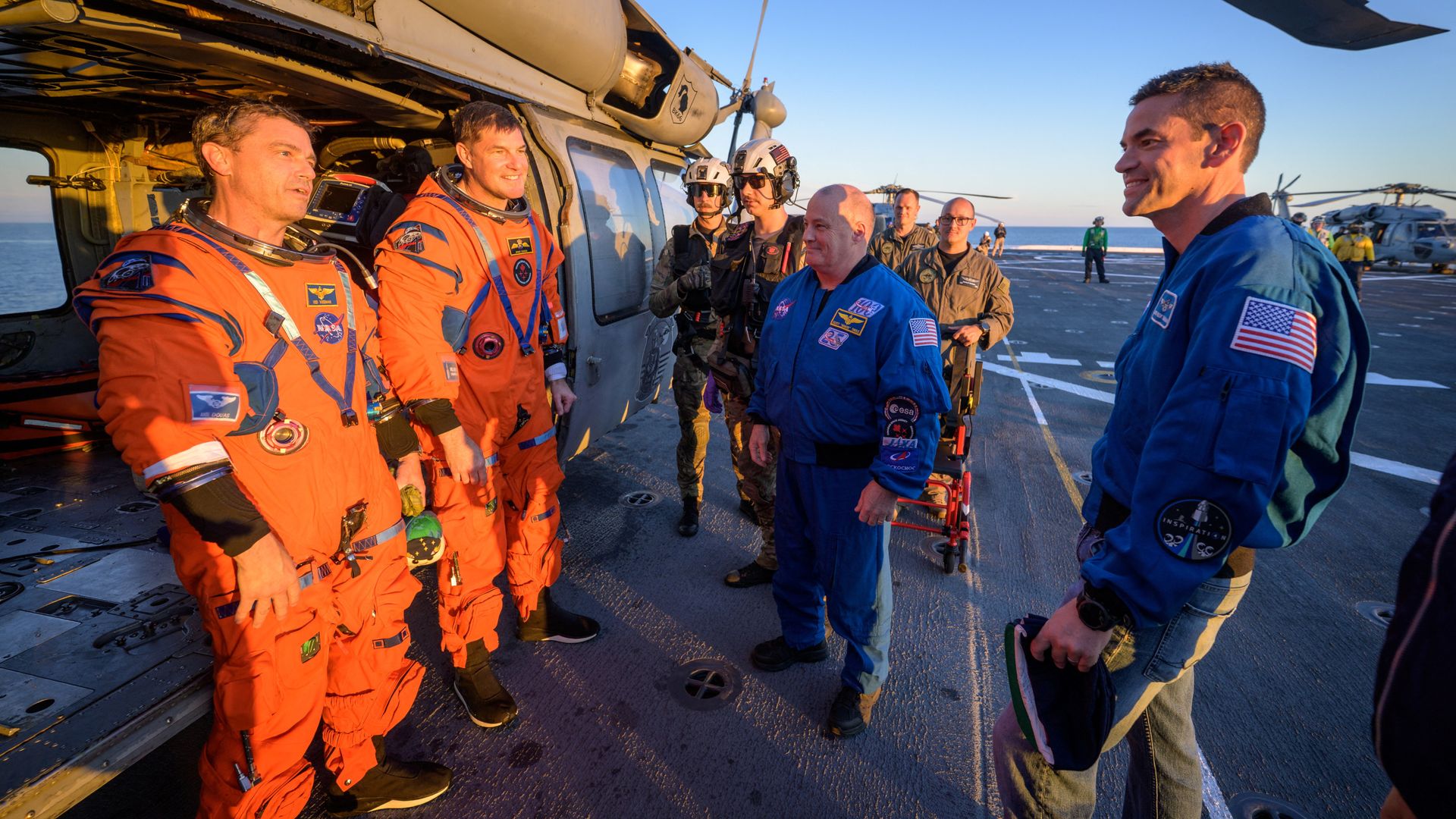
Record-breaking Artemis II mission ends with 'perfect splashdown' in Pacific Ocean
The Artemis II mission's history-making astronauts successfully returned to Earth with a "perfect bullseye splashdown" in the Pacific Ocean off the coast of California. This event marks the completion of a record-breaking space mission, bringing the crew safely back after their journey. The successful splashdown demonstrates a critical step in NASA's human spaceflight program, validating the spacecraft and procedures for future lunar missions. This achievement is a significant milestone for the Artemis program, which aims to return humans to the Moon.

Artemis II Splashdown Gives NASA Momentum in Renewed Moon Race
The Artemis II mission successfully concluded with its splashdown, providing NASA significant momentum in the ongoing effort to return humans to the Moon. This mission involved a crew of three American astronauts and one Canadian astronaut, who captivated global audiences. The successful splashdown marks a critical step for NASA in its renewed "Moon Race," demonstrating the capabilities of the Artemis program. This achievement sets the stage for future lunar landings and further exploration, solidifying the agency's leadership in space exploration.

Artemis II astronauts prepare for re-entry, splashdown near San Diego after historic moon flyby - Fox News
Artemis II astronauts are preparing for re-entry and splashdown near San Diego following their historic moon flyby mission. This event marks the culmination of the crewed Artemis II mission, which orbited the Moon as a critical step toward returning humans to the lunar surface. The successful return of the astronauts will validate key systems and procedures for future deep-space exploration. Their splashdown will conclude a significant milestone in NASA's efforts to establish a long-term human presence on and around the Moon.