
Artemis II Mission: Lunar Orbit and Records
The Artemis II crew successfully completed its mission to loop around the far side of the moon, breaking the record for the farthest distance traveled from Earth by humans. Despite a brief communications blackout, the mission provided new observations and honored a fallen loved one.
Latest Developments
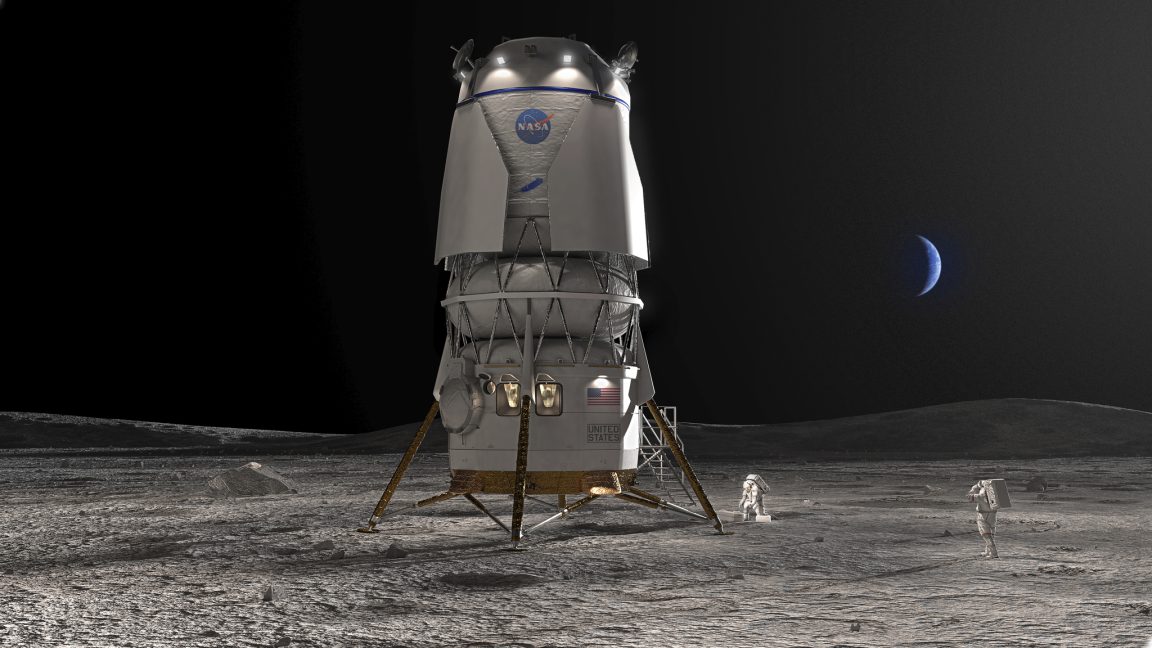
With Orion still flying, NASA is nearing key decisions about Artemis III
NASA is nearing key decisions about its Artemis III mission, even as the Artemis II mission is still in flight and expected to return to Earth on Friday evening. The US space agency announced six weeks ago that it would insert Artemis III, an Earth-orbiting mission, into its timeline before the planned lunar landings. This new mission aims to "buy down" risk for the subsequent lunar landing mission, now designated Artemis IV. NASA Administrator Jared Isaacman stated Tuesday afternoon that the agency is debating which orbit to use for Artemis III. The first "senior level" mission design discussion for Artemis III occurred earlier the same day.

What did astronauts observe during the Artemis II lunar flyby?
The Artemis II crew of four astronauts is returning to Earth after completing a lunar flyby. This mission saw them travel farther into space than any humans in history. The flyby marks a critical step for NASA's Artemis program, which aims to return humans to the Moon. The success of this mission provides vital data and experience for future lunar landings.

Artemis II Astronauts Get a Break After Journey Around the Moon
The Artemis II astronauts had a quiet day as they returned to Earth after their journey around the Moon. This break followed their successful NASA mission, which involved a crewed flight around the lunar body. The crew's return marks a significant step in NASA's Artemis program, aiming to re-establish human presence on the Moon. Their journey provides crucial data and experience for future lunar exploration efforts.
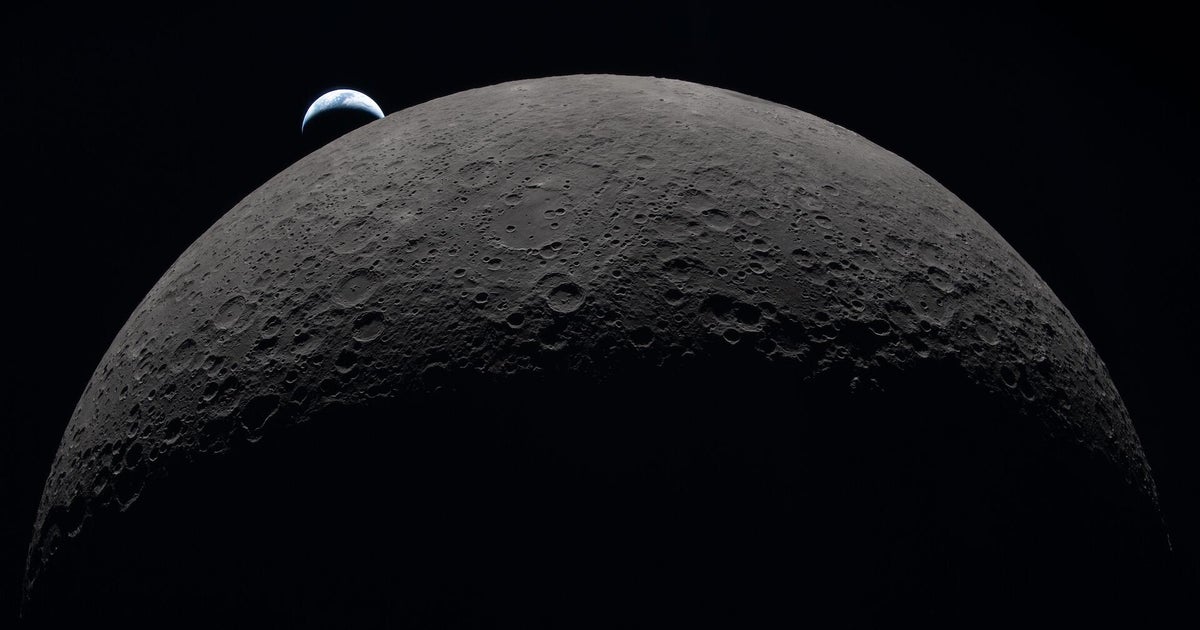
Physicist and former NASA astronaut says new moon images offer fresh perspective
Physicist and former NASA astronaut James Newman discussed new imagery from the Artemis II crew's lunar flyby. NASA released these images on Tuesday, captured during the crew's historic journey around the far side of the moon. Newman joined "The Daily Report" to offer his perspective on the mission's significance. The Artemis II mission is a crucial step in NASA's efforts to return humans to the lunar surface.
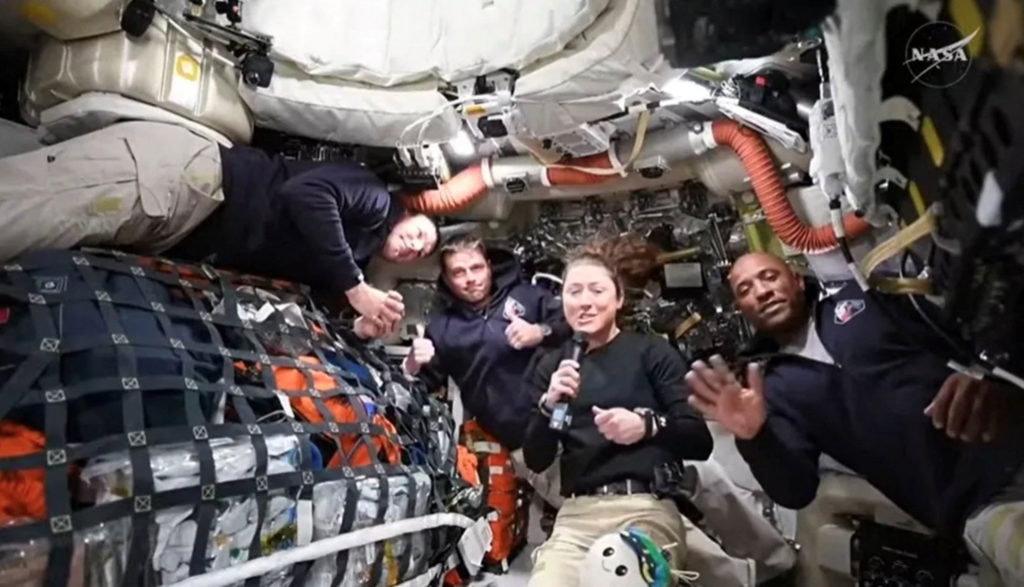
Artemis II astronauts make long-distance call to space station on the way home from the moon
The Artemis II astronauts made a historic long-distance call to the International Space Station on Tuesday. This communication occurred as they were returning to Earth following their triumphant lunar flyby. The call connected the deep-space crew with astronauts aboard the orbiting laboratory, hundreds of thousands of miles apart. This event marks a significant milestone in space communication capabilities.
Key Facts
The Artemis II crew successfully looped around the far side of the moon.
Source: CBS News
The mission broke the record for the farthest distance traveled from Earth by humans, surpassing Apollo 13's record.
Source: PBS NewsHour, Axios, CBS News
The crew experienced a planned 40-minute communications blackout while behind the moon.
Source: BBC News, CBS News, ABC News
Astronauts reported observing different color variations on the moon's surface.
Source: CBS News
The crew named a lunar crater 'Carroll' in honor of commander Reid Wiseman's late wife.
Source: CBS News, New York Times
Recent Highlights
Artemis II crew proposes naming a lunar crater 'Carroll' after commander's late wife.
NASA official reports Artemis II crew observed different colors on the moon's surface.
Crew regains contact with Earth after the blackout.
Artemis II enters a planned 40-minute communications blackout while looping behind the moon.
Artemis II crew breaks the record for farthest distance traveled from Earth.
Full Coverage (28 articles)
Showing 20 of 28 articles
With Orion still flying, NASA is nearing key decisions about Artemis III
NASA is nearing key decisions about its Artemis III mission, even as the Artemis II mission is still in flight and expected to return to Earth on Friday evening. The US space agency announced six weeks ago that it would insert Artemis III, an Earth-orbiting mission, into its timeline before the planned lunar landings. This new mission aims to "buy down" risk for the subsequent lunar landing mission, now designated Artemis IV. NASA Administrator Jared Isaacman stated Tuesday afternoon that the agency is debating which orbit to use for Artemis III. The first "senior level" mission design discussion for Artemis III occurred earlier the same day.
What did astronauts observe during the Artemis II lunar flyby?
The Artemis II crew of four astronauts is returning to Earth after completing a lunar flyby. This mission saw them travel farther into space than any humans in history. The flyby marks a critical step for NASA's Artemis program, which aims to return humans to the Moon. The success of this mission provides vital data and experience for future lunar landings.
Artemis II Astronauts Get a Break After Journey Around the Moon
The Artemis II astronauts had a quiet day as they returned to Earth after their journey around the Moon. This break followed their successful NASA mission, which involved a crewed flight around the lunar body. The crew's return marks a significant step in NASA's Artemis program, aiming to re-establish human presence on the Moon. Their journey provides crucial data and experience for future lunar exploration efforts.
Physicist and former NASA astronaut says new moon images offer fresh perspective
Physicist and former NASA astronaut James Newman discussed new imagery from the Artemis II crew's lunar flyby. NASA released these images on Tuesday, captured during the crew's historic journey around the far side of the moon. Newman joined "The Daily Report" to offer his perspective on the mission's significance. The Artemis II mission is a crucial step in NASA's efforts to return humans to the lunar surface.
Artemis II astronauts make long-distance call to space station on the way home from the moon
The Artemis II astronauts made a historic long-distance call to the International Space Station on Tuesday. This communication occurred as they were returning to Earth following their triumphant lunar flyby. The call connected the deep-space crew with astronauts aboard the orbiting laboratory, hundreds of thousands of miles apart. This event marks a significant milestone in space communication capabilities.
Former NASA astronaut on seeing images from moon's far side: "I was so excited, I felt like a kid"
Retired NASA astronaut Terry Virts expressed excitement over new images from the moon's far side, stating he "felt like a kid." This reaction followed NASA's release of stunning photographs taken by Artemis II on Tuesday, which included a view of the lunar far side. Virts shared his perspective on "The Takeout," highlighting the impact of these visual milestones for those with a deep connection to space exploration. The images provide a rare glimpse of the moon's unexplored hemisphere, captured during the Artemis II mission.

New images from far side of moon the first of many
The Artemis II crew has shared new images from the far side of the moon as they return to Earth. These images are the first of many expected from their historic lunar mission, which involved a loop around the moon. CBS News senior national correspondent Mark Strassmann reported on this development. The successful capture and transmission of these images signify a key milestone in the Artemis program's objectives.
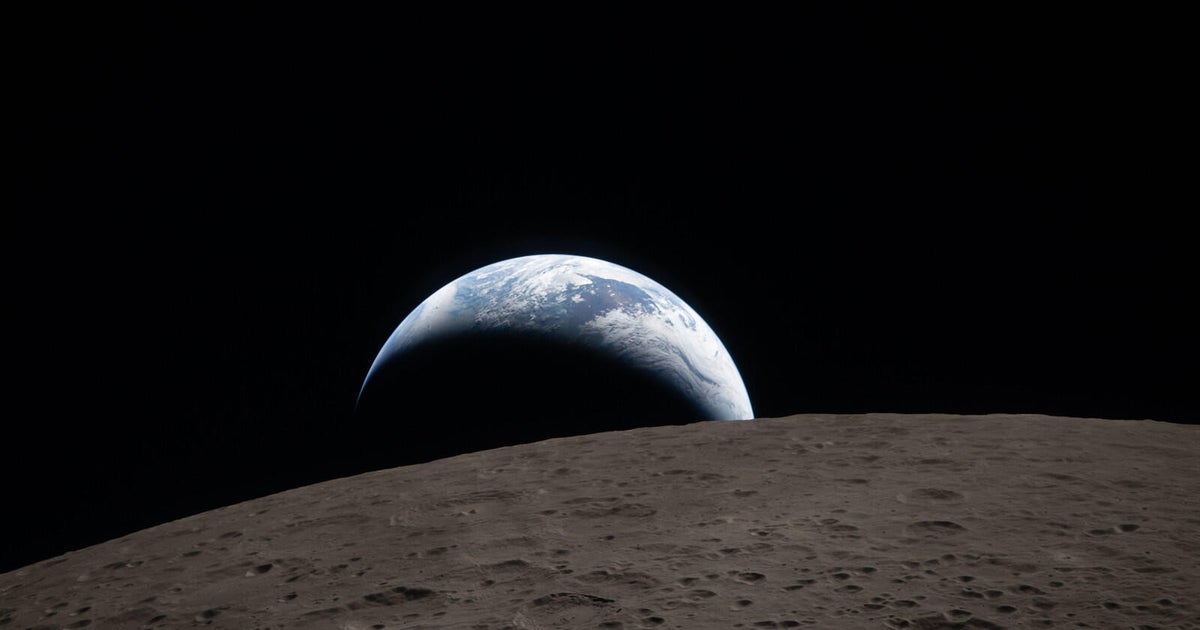
Earthset, moon, eclipse captured in stunning images taken by Artemis II
Astronauts aboard Artemis II captured stunning images of an earthset, the moon, and an eclipse. These crew members are the first humans to view parts of the moon's far side directly. This visual documentation offers a unique perspective from their lunar mission. The images provide valuable data and public engagement for the Artemis program.

Artemis II crew start trip home after milestone-rich lunar flyby
The Artemis II astronauts began their journey back to Earth on Tuesday after completing a lunar flyby. During their mission, the crew made significant celestial observations, including previously little-known lunar craters, a solar eclipse, and meteor strikes. These rich observations are expected to provide scientists with new data and open doors for further research. The successful completion of this milestone-rich flyby marks a key step in the Artemis program.
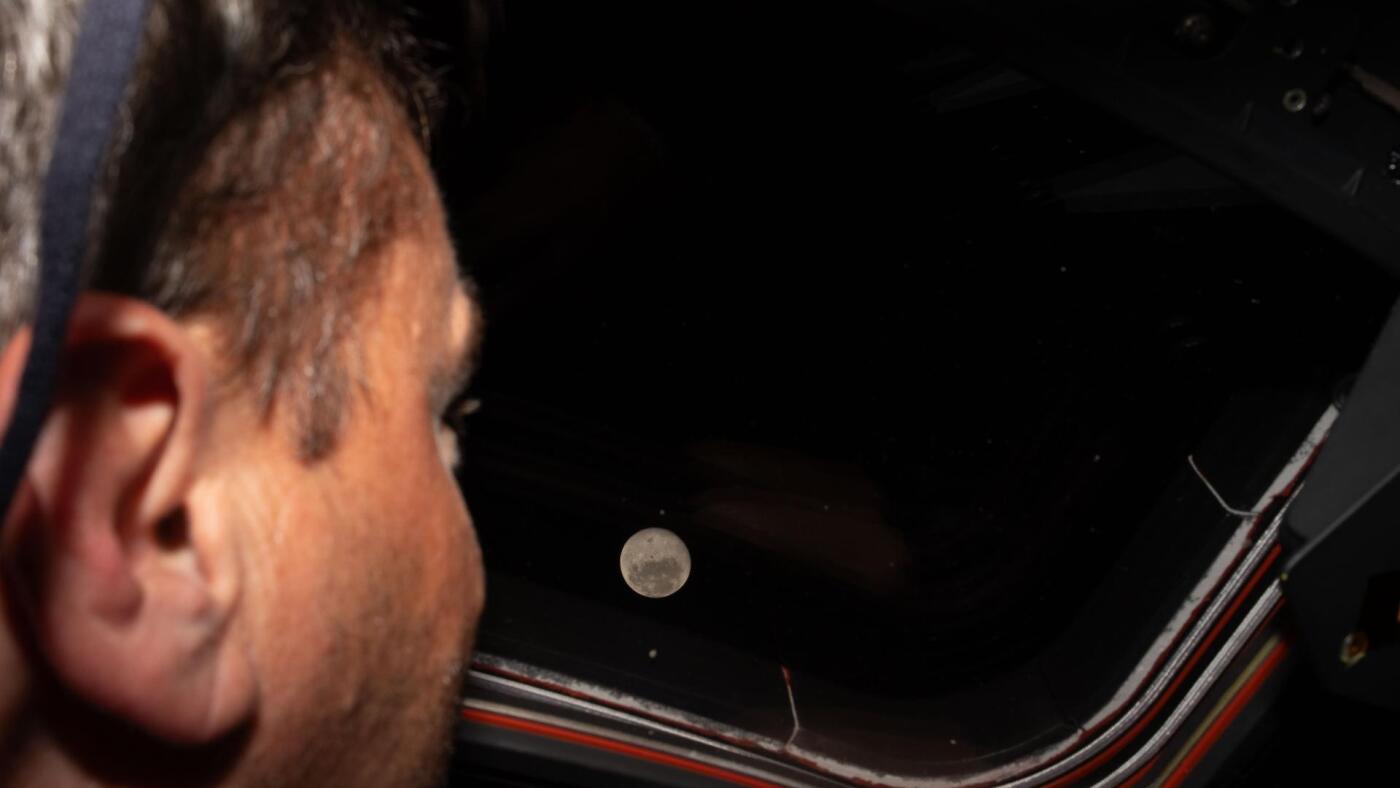
Artemis II astronauts swung by the moon, broke an Apollo record, and saw an eclipse - NPR
Artemis II astronauts recently completed a lunar flyby, setting a new record for the farthest human travel beyond Earth. During their mission, the crew surpassed an Apollo-era distance record and observed a solar eclipse from space. This successful journey marks a significant milestone for NASA's Artemis program, which aims to return humans to the Moon. The mission served as a critical test flight for the Orion spacecraft and its systems, paving the way for future lunar landings.
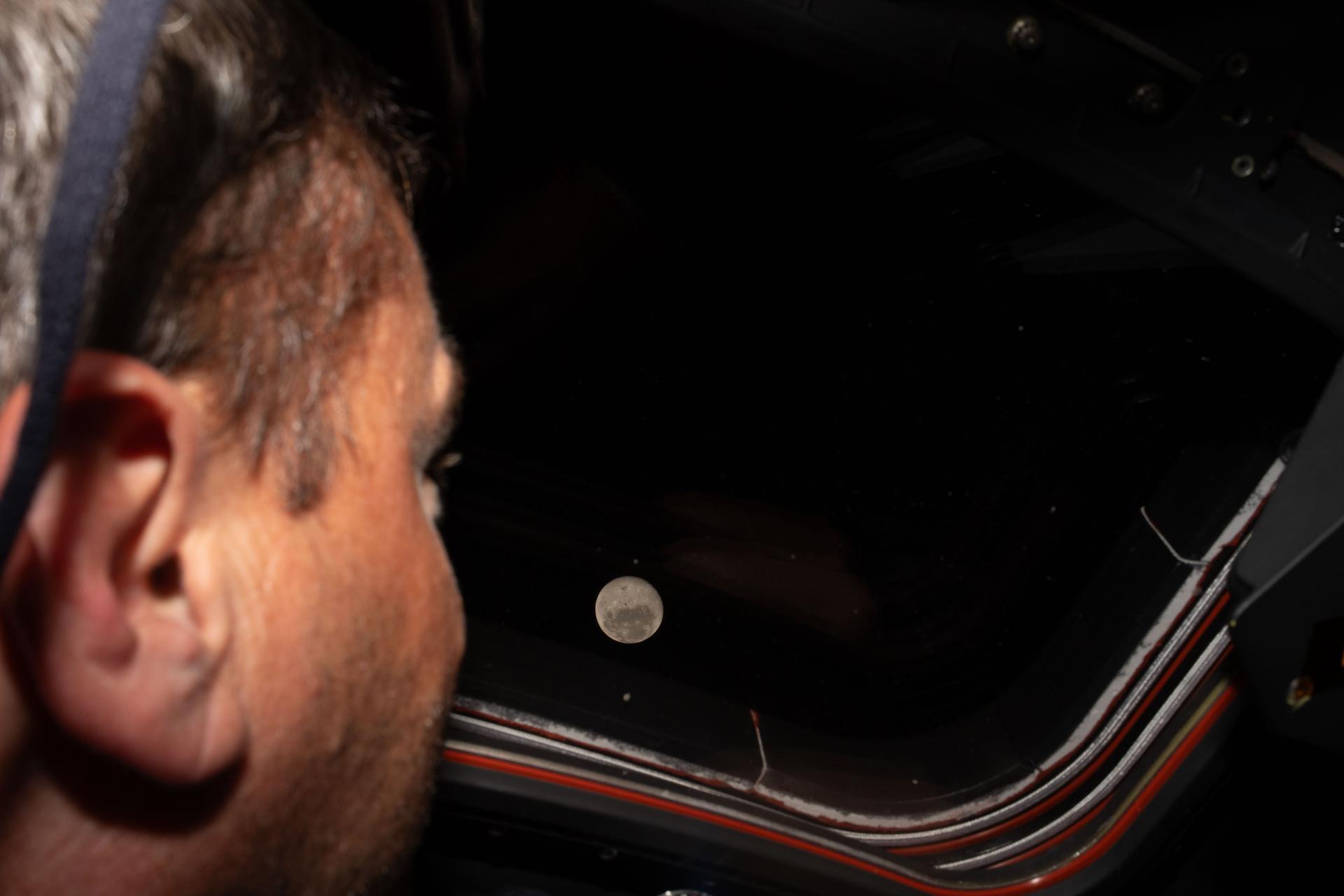
Artemis II astronauts swung by the moon, broke an Apollo record, and saw an eclipse
Artemis II astronauts completed several key milestones during their moon mission. The crew looped around the lunar body, breaking an Apollo record and observing an eclipse. The mission is expected to splash down on Earth on Friday.
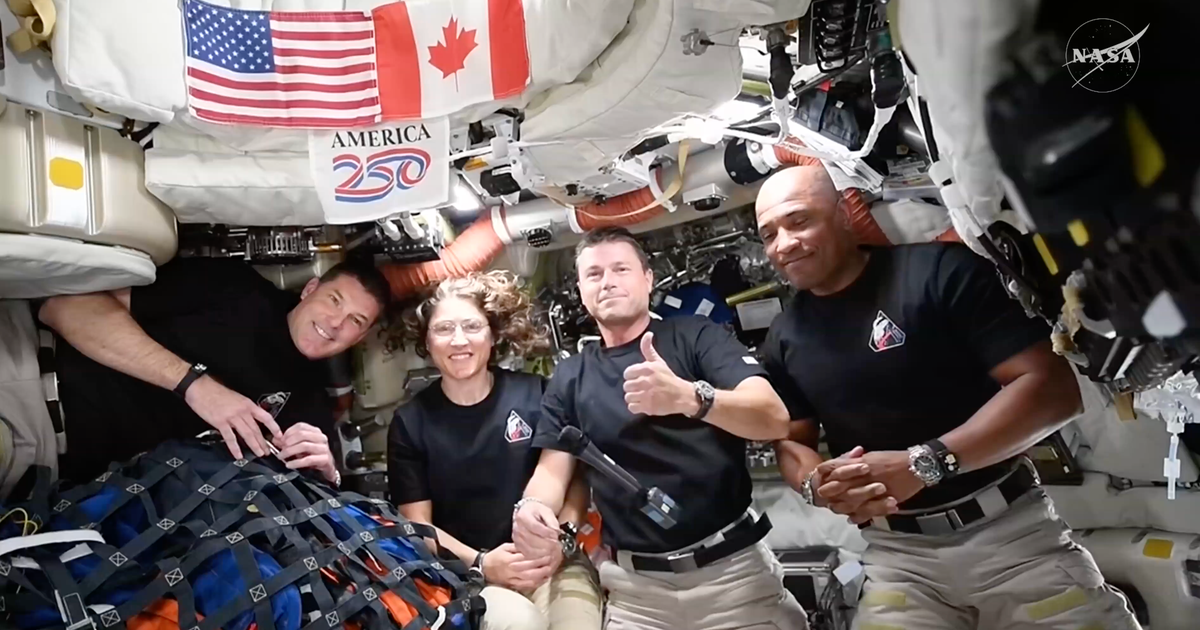
Trump calls Artemis II astronauts "modern-day pioneers" in live conversation
President Trump announced late Monday that he will speak to the crew of the Artemis II mission. This communication follows the mission's successful loop around the far side of the moon. The engagement highlights the Trump administration's continued focus on space exploration and direct interaction with astronauts during significant milestones. Such presidential calls are a tradition, often used to commend crews and underscore the national importance of space achievements. The event will likely be broadcast, allowing the public to witness the President's direct address to the returning space explorers.

Retired astronaut Cady Coleman says Artemis II mission "showed us just what can be done by people"
Retired astronaut Cady Coleman commented on the Artemis II mission, stating it "showed us just what can be done by people." This observation came as the Artemis II crew is now returning to Earth after successfully flying behind the moon. Coleman's remarks highlight the significance of the mission's achievements in human spaceflight. The Artemis II mission is a crucial step in NASA's program to return humans to the lunar surface.
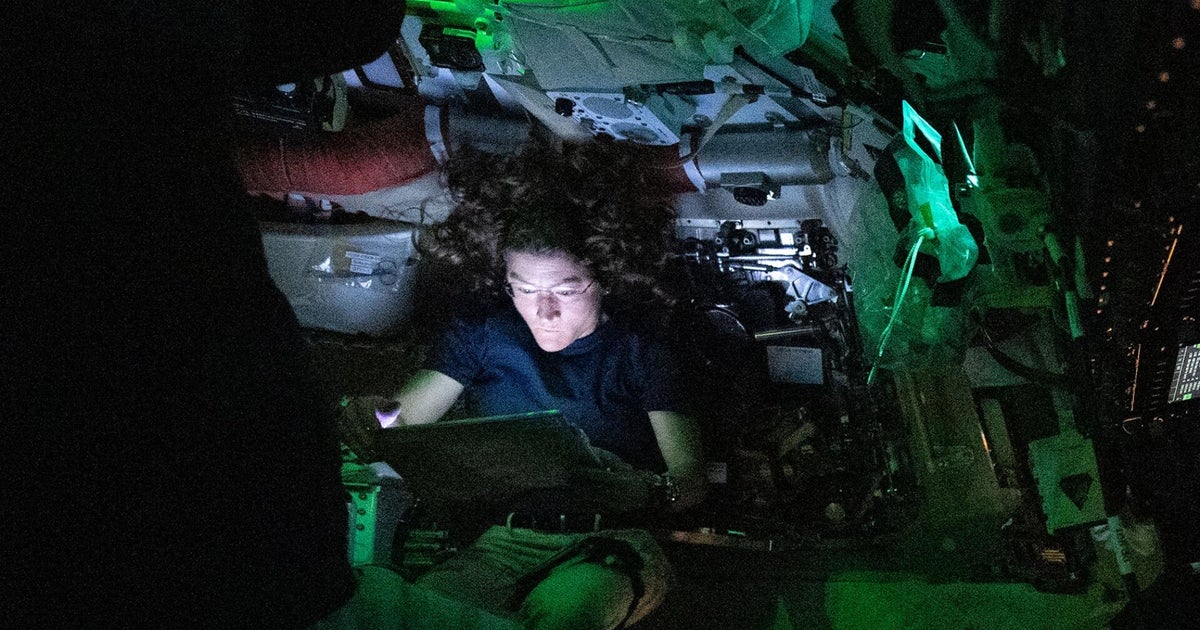
How Artemis II crew will spend last days of mission
The four Artemis II astronauts are currently returning to Earth, preparing for their mission's final days before splashdown on Friday. Retired NASA astronaut Bonnie Dunbar is explaining to CBS News the activities the crew will undertake during this critical period. This marks the culmination of their historic mission, which is a significant step in human space exploration. Understanding their final procedures provides insight into the complex operations involved in returning astronauts safely. The successful completion of this phase is crucial for the future of the Artemis program.
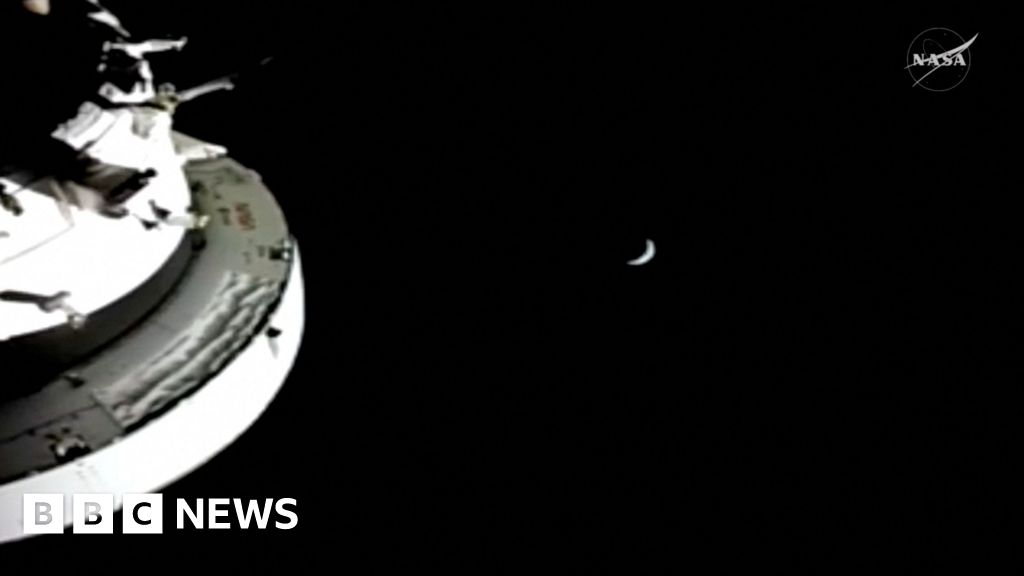
Watch: Artemis II mission loses contact with Earth for 40 minutes
The Artemis II mission experienced a 40-minute loss of contact with Earth. This incident occurred during a critical phase of the mission, which is the first crewed test flight of NASA's Orion spacecraft around the Moon. The temporary communication blackout raised concerns among mission control and the public. Upon regaining contact, astronaut Christina Koch expressed relief, stating, "It is so great to hear from Earth again." The event underscores the complexities and inherent risks of deep space exploration.
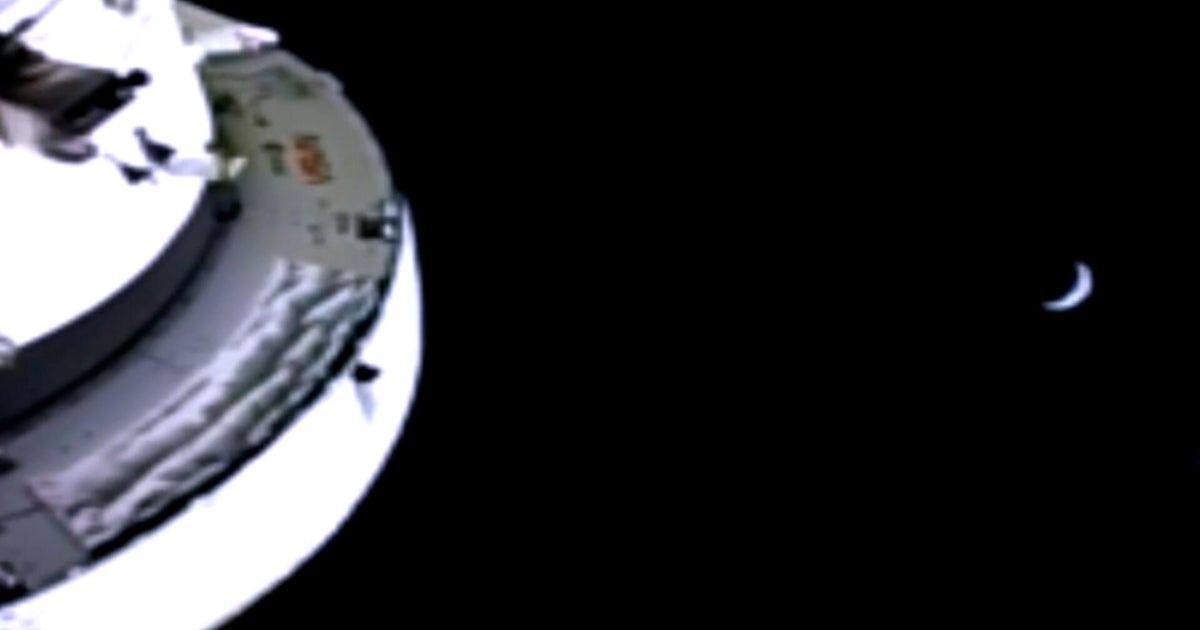
Artemis II crew regains contact with Earth after planned blackout | Special Report
The Artemis II crew has successfully re-established contact with mission control after completing a planned 40-minute communications blackout. This blackout occurred as the crew looped around the moon, a critical phase designed to test systems and procedures for future lunar missions. Regaining contact confirms the crew's successful navigation through a period when the moon blocked direct communication with Earth. The event is a significant milestone for the Artemis II mission, which aims to orbit the Moon and return, paving the way for human lunar landings. Tony Dokoupil anchored a special report on the development.
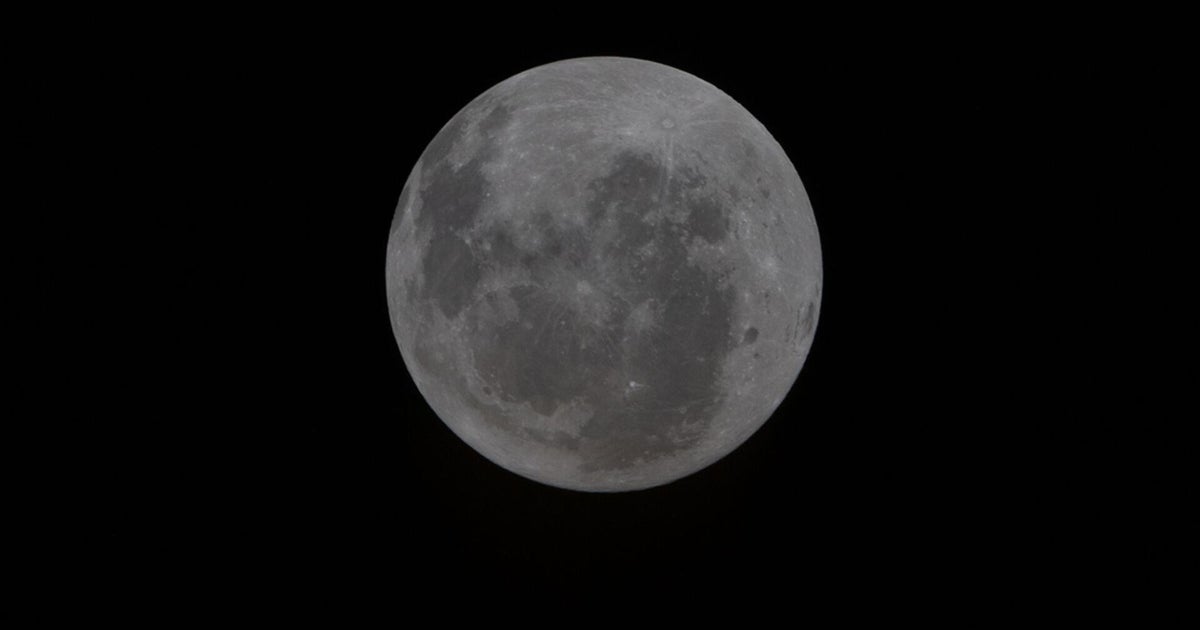
NASA official says Artemis II crew saw different colors on moon's surface
The Artemis II crew reported observing different color variations on the moon's surface on Monday. This direct observation from the crew provides new insights into the lunar landscape as part of the mission's objectives. Joel Kearns, deputy associate administrator for exploration at NASA, is discussing these findings with CBS News. These firsthand accounts from astronauts offer valuable data for understanding the moon's geological composition.

Artemis II crew names moon crater after commander's late wife
The Artemis II crew proposed naming a lunar crater "Carroll" after commander Reid Wiseman's late wife during their ongoing spaceflight. This action marks a personal tribute by the crew to a loved one, integrating human sentiment into the scientific exploration of space. The proposal of new names for lunar features, including "Carroll," reflects the crew's ability to influence the mapping and nomenclature of celestial bodies. Retired NASA astronaut Cady Coleman has offered her reaction to this development.
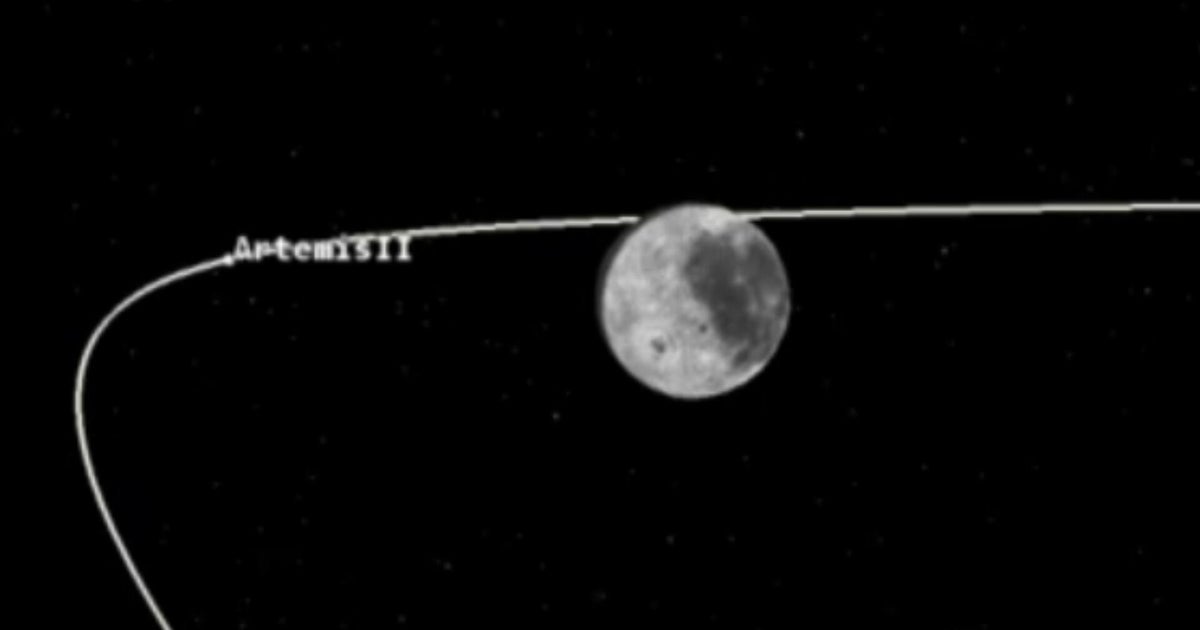
Artemis II crew loses contact with Earth as they fly behind moon
The Artemis II crew has lost contact with Earth as they entered a scheduled communications blackout while looping around the far side of the moon. This is a routine part of their mission, designed for the spacecraft to orbit behind the lunar body. The temporary loss of communication is expected as the moon physically blocks radio signals between the crew and mission control. Former NASA astronaut Ron Garan is discussing this event with CBS News, providing expert commentary. The crew is anticipated to re-establish contact once they emerge from behind the moon.
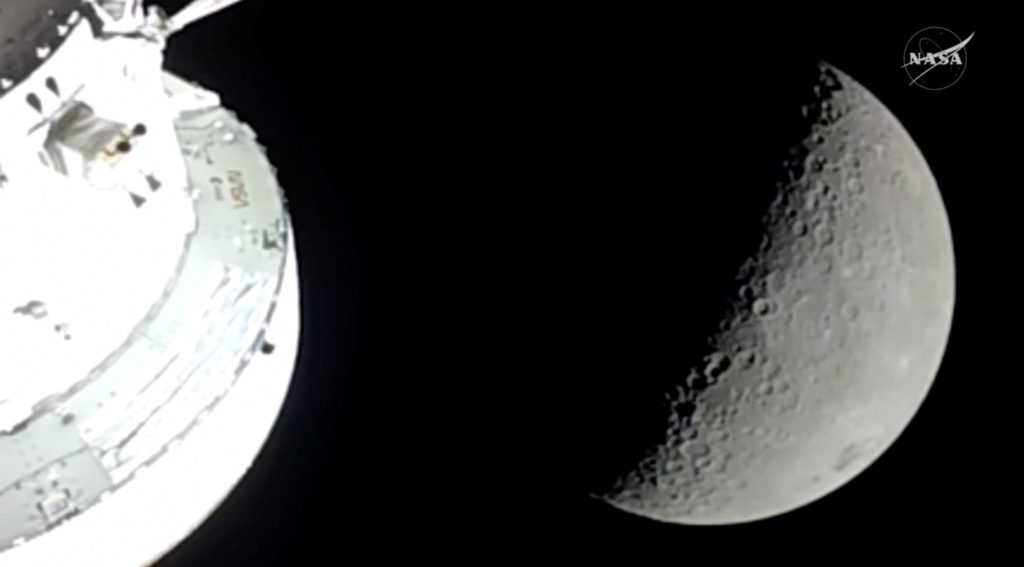
Artemis II crew breaks distance record on mission around far side of moon
The four-astronaut crew of NASA's Artemis II mission flew to the far side of the moon, establishing a new record for the farthest distance from Earth ever traveled by humans. This historic achievement occurred during a seven-hour lunar flyby, which was a highly anticipated segment of their mission. The successful maneuver signifies a major milestone in NASA's Artemis program, aiming to return humans to the lunar surface. Science correspondent Miles O'Brien discussed this development with Geoff Bennett.