
Artemis II Mission Returns from Lunar Flyby
The Artemis II crew has successfully completed its historic lunar flyby, traveling farther from Earth than any human before. Astronauts are now returning to Earth, sharing new images from the far side of the Moon and making a long-distance call to the International Space Station.
Latest Developments
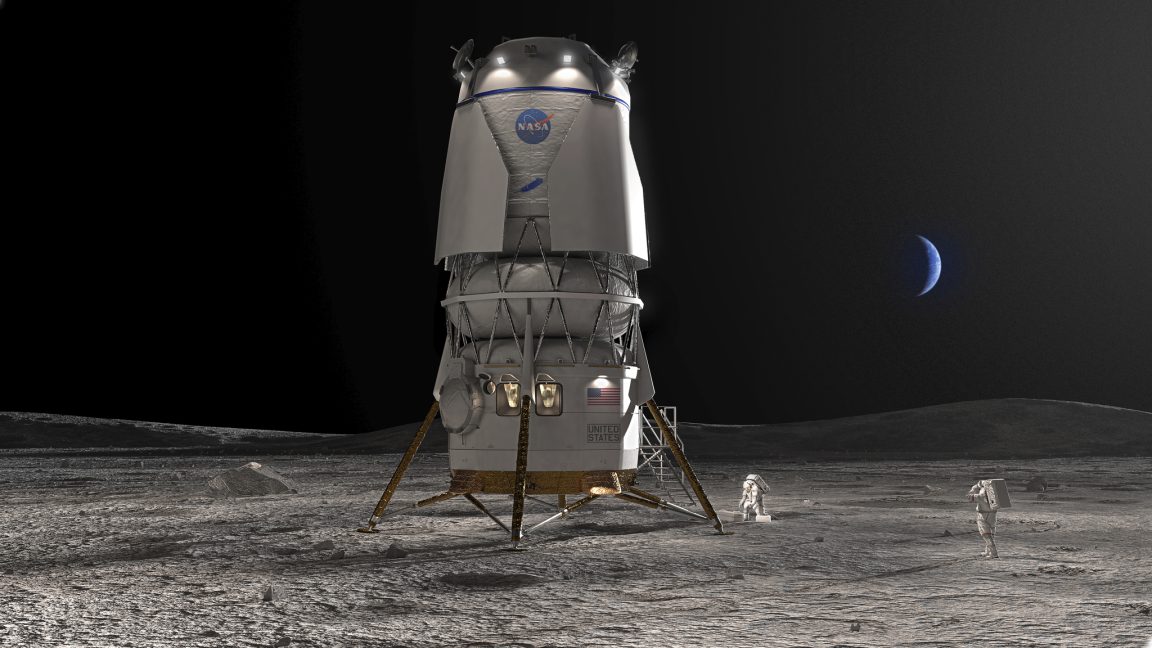
With Orion still flying, NASA is nearing key decisions about Artemis III
NASA is nearing key decisions about its Artemis III mission, even as the Artemis II mission is still in flight and expected to return to Earth on Friday evening. The US space agency announced six weeks ago that it would insert Artemis III, an Earth-orbiting mission, into its timeline before the planned lunar landings. This new mission aims to "buy down" risk for the subsequent lunar landing mission, now designated Artemis IV. NASA Administrator Jared Isaacman stated Tuesday afternoon that the agency is debating which orbit to use for Artemis III. The first "senior level" mission design discussion for Artemis III occurred earlier the same day.
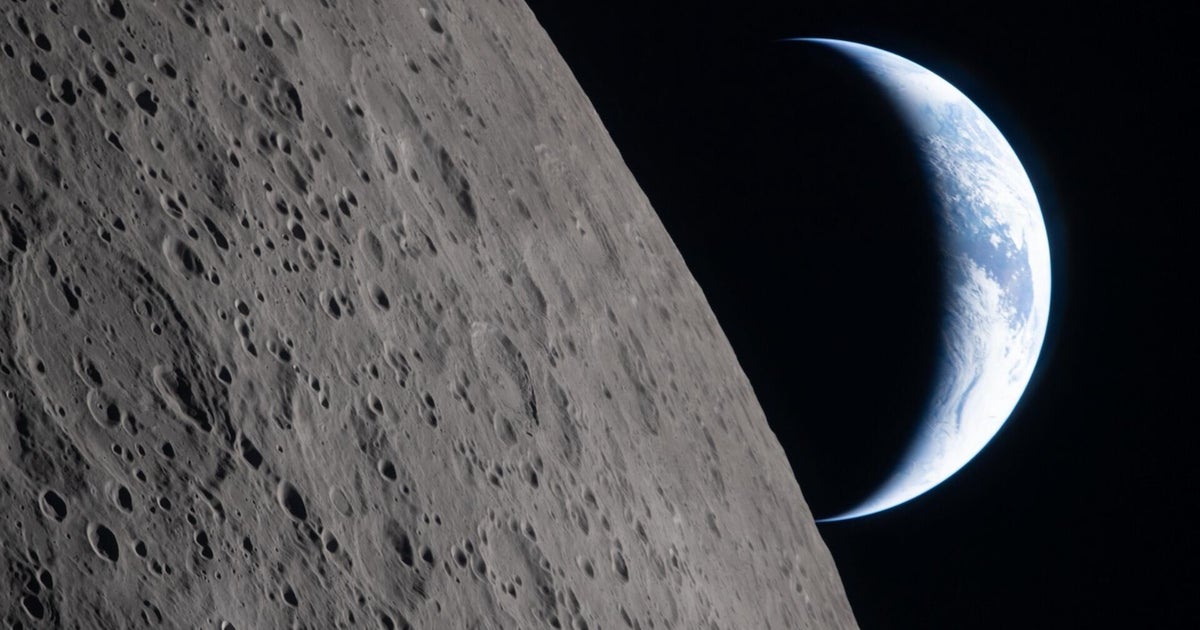
Artemis II crew headed back to Earth
The Artemis II crew is returning to Earth after completing their record-breaking mission to the moon. This mission saw the crew achieve new milestones in space exploration. Their return marks a significant step in the Artemis program's efforts to establish a long-term human presence on the lunar surface. CBS News' Mark Strassmann reported on this development.

Former NASA astronauts react to Artemis II trip around far side of moon
The Artemis II crew recently completed a historic trip around the far side of the moon, traveling farther from Earth than any human before. During this lunar flyby, the four astronauts aboard the Orion capsule became the first humans to visually observe certain parts of the moon's far side. This monumental achievement prompted several former NASA astronauts to share their reactions with CBS News. Their commentary underscores the significance of this milestone for human space exploration. The mission marks a critical step in NASA's Artemis program, aiming for a sustained human presence on the Moon.
What are Artemis II astronauts doing on their way back to Earth?
The Artemis II crew is currently returning to Earth after their historic lunar fly-by. During their journey, the astronauts captured and released stunning photos from space. These images provide a visual record of their mission as CBS News national correspondent Mark Strassmann reports from the Johnson Space Center in Houston. The release of these photos allows the public to witness aspects of the crew's groundbreaking journey.

Artemis II Astronauts Get a Break After Journey Around the Moon
The Artemis II astronauts had a quiet day as they returned to Earth after their journey around the Moon. This break followed their successful NASA mission, which involved a crewed flight around the lunar body. The crew's return marks a significant step in NASA's Artemis program, aiming to re-establish human presence on the Moon. Their journey provides crucial data and experience for future lunar exploration efforts.
Key Facts
The Artemis II crew completed a historic trip around the far side of the moon.
Source: CBS News
They traveled farther from Earth than any human before.
Source: CBS News
Astronauts shared new images, including an 'Earthset' view, as they returned to Earth.
Source: CBS News
The crew successfully made a long-distance call to the International Space Station while both were in space.
Source: CBS News, PBS NewsHour
Recent Highlights
Artemis II astronauts make a call to the International Space Station.
New images from the far side of the moon are released.
Artemis II crew completes lunar flyby and begins return journey to Earth.
Full Coverage (12 articles)
With Orion still flying, NASA is nearing key decisions about Artemis III
NASA is nearing key decisions about its Artemis III mission, even as the Artemis II mission is still in flight and expected to return to Earth on Friday evening. The US space agency announced six weeks ago that it would insert Artemis III, an Earth-orbiting mission, into its timeline before the planned lunar landings. This new mission aims to "buy down" risk for the subsequent lunar landing mission, now designated Artemis IV. NASA Administrator Jared Isaacman stated Tuesday afternoon that the agency is debating which orbit to use for Artemis III. The first "senior level" mission design discussion for Artemis III occurred earlier the same day.
Artemis II crew headed back to Earth
The Artemis II crew is returning to Earth after completing their record-breaking mission to the moon. This mission saw the crew achieve new milestones in space exploration. Their return marks a significant step in the Artemis program's efforts to establish a long-term human presence on the lunar surface. CBS News' Mark Strassmann reported on this development.
Former NASA astronauts react to Artemis II trip around far side of moon
The Artemis II crew recently completed a historic trip around the far side of the moon, traveling farther from Earth than any human before. During this lunar flyby, the four astronauts aboard the Orion capsule became the first humans to visually observe certain parts of the moon's far side. This monumental achievement prompted several former NASA astronauts to share their reactions with CBS News. Their commentary underscores the significance of this milestone for human space exploration. The mission marks a critical step in NASA's Artemis program, aiming for a sustained human presence on the Moon.
What are Artemis II astronauts doing on their way back to Earth?
The Artemis II crew is currently returning to Earth after their historic lunar fly-by. During their journey, the astronauts captured and released stunning photos from space. These images provide a visual record of their mission as CBS News national correspondent Mark Strassmann reports from the Johnson Space Center in Houston. The release of these photos allows the public to witness aspects of the crew's groundbreaking journey.
Artemis II Astronauts Get a Break After Journey Around the Moon
The Artemis II astronauts had a quiet day as they returned to Earth after their journey around the Moon. This break followed their successful NASA mission, which involved a crewed flight around the lunar body. The crew's return marks a significant step in NASA's Artemis program, aiming to re-establish human presence on the Moon. Their journey provides crucial data and experience for future lunar exploration efforts.
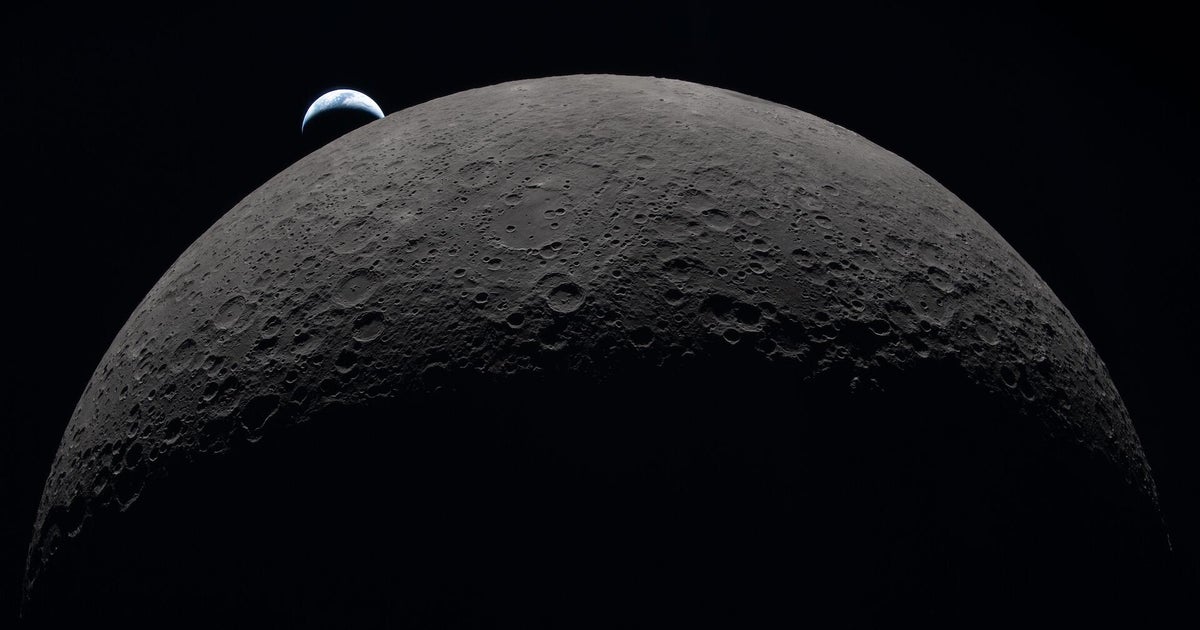
Physicist and former NASA astronaut says new moon images offer fresh perspective
Physicist and former NASA astronaut James Newman discussed new imagery from the Artemis II crew's lunar flyby. NASA released these images on Tuesday, captured during the crew's historic journey around the far side of the moon. Newman joined "The Daily Report" to offer his perspective on the mission's significance. The Artemis II mission is a crucial step in NASA's efforts to return humans to the lunar surface.

Artemis II's "Earthset" captures the beauty of perspective
Tony Dokoupil is examining the photos from the Artemis II mission, specifically focusing on an "Earthset" image. These images are presented as offering Americans a sense of perspective during a period of significant uncertainty and change. The mission's visual output aims to provide a broader view beyond current earthly events. The "Earthset" captures the beauty of this unique perspective from space.
Artemis II astronauts call with the ISS, all in space
Artemis II astronauts successfully placed a call to the International Space Station (ISS) while both crews were in space. This communication occurred 150 years after the first telephone call was made on Earth. The event marks a significant milestone in space communication and collaboration between different space missions. This direct interaction between crews on separate spacecraft demonstrates advancing capabilities for future deep-space endeavors. Mark Strassmann is expected to provide further details on this historic communication.
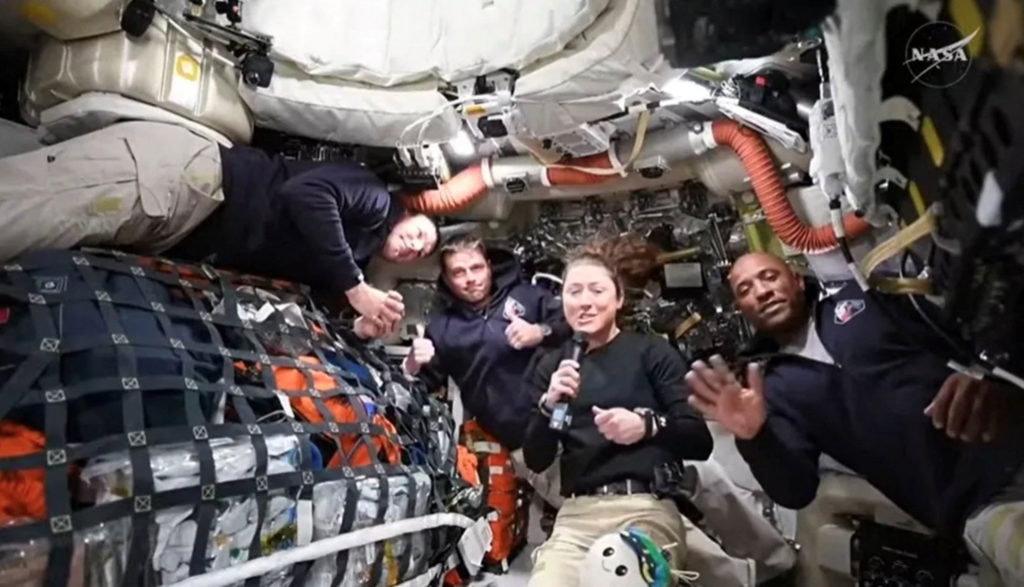
Artemis II astronauts make long-distance call to space station on the way home from the moon
The Artemis II astronauts made a historic long-distance call to the International Space Station on Tuesday. This communication occurred as they were returning to Earth following their triumphant lunar flyby. The call connected the deep-space crew with astronauts aboard the orbiting laboratory, hundreds of thousands of miles apart. This event marks a significant milestone in space communication capabilities.
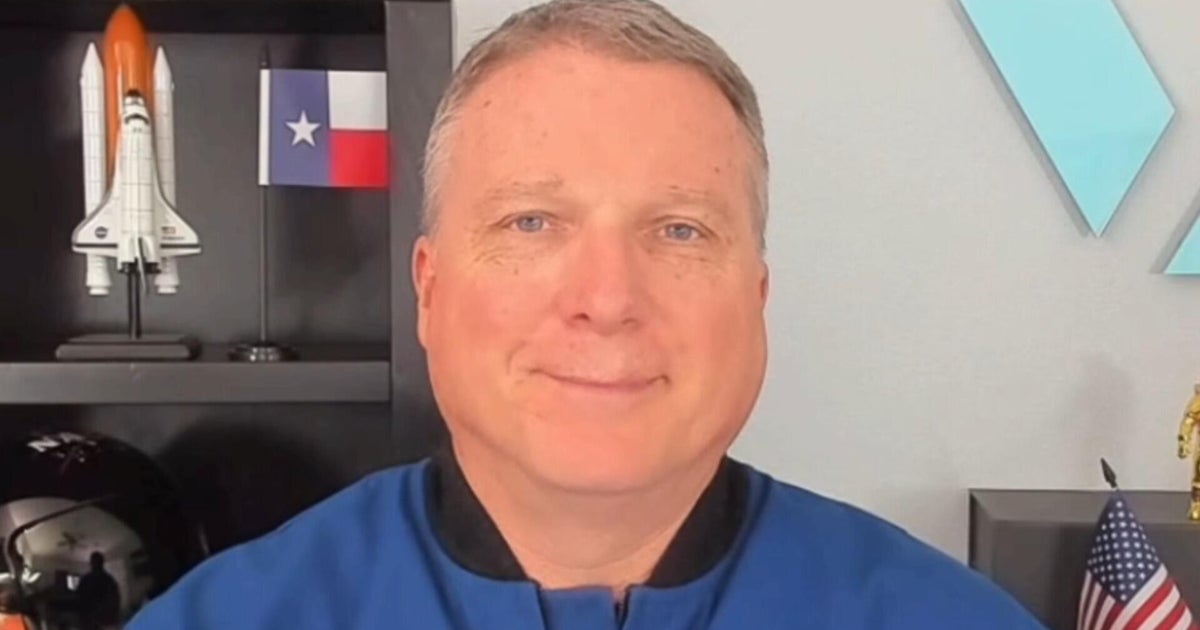
Former NASA astronaut on seeing images from moon's far side: "I was so excited, I felt like a kid"
Retired NASA astronaut Terry Virts expressed excitement over new images from the moon's far side, stating he "felt like a kid." This reaction followed NASA's release of stunning photographs taken by Artemis II on Tuesday, which included a view of the lunar far side. Virts shared his perspective on "The Takeout," highlighting the impact of these visual milestones for those with a deep connection to space exploration. The images provide a rare glimpse of the moon's unexplored hemisphere, captured during the Artemis II mission.
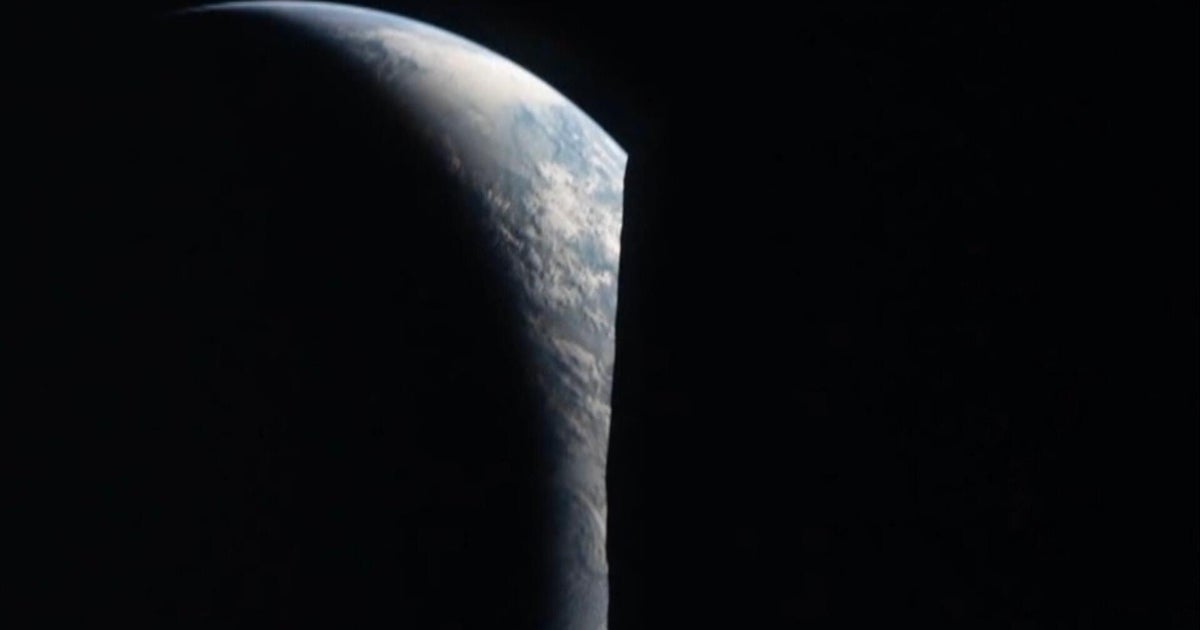
New images from far side of moon the first of many
The Artemis II crew has shared new images from the far side of the moon as they return to Earth. These images are the first of many expected from their historic lunar mission, which involved a loop around the moon. CBS News senior national correspondent Mark Strassmann reported on this development. The successful capture and transmission of these images signify a key milestone in the Artemis program's objectives.
US and Canadian astronauts capture global attention with Artemis II moon flight - Reuters
US and Canadian astronauts have captured global attention with the Artemis II moon flight. This mission marks a significant step in humanity's return to lunar exploration, building on the Artemis program's goals. The global attention highlights widespread public and scientific interest in deep space travel. This collaborative effort between the United States and Canada underscores international partnerships in advanced space endeavors.