
Artemis II Mission Returns and Discoveries
The Artemis II crew has successfully completed their historic moon mission, returning to Earth and sharing their experiences. Astronauts have praised the spacecraft's performance, particularly the heat shield, and described unique observations from the far side of the moon, with plans for future lunar base construction deemed 'absolutely doable'.
Latest Developments

Bill Nye slams White House's proposed NASA cuts as "tone-deaf" in wake of Artemis II mission
Bill Nye criticized the White House's proposed 23% budget cuts for NASA, calling them "tone-deaf." This comes immediately after the successful Artemis II mission, which has garnered significant public attention. Nye's comments, made on "The Takeout," highlight concerns over the administration's commitment to space exploration following a major achievement. The proposed cuts could impact future NASA projects and operations, potentially slowing the momentum gained from recent successes.

I’ve fired one of America’s most powerful lasers—here’s what a shot day looks like
A lead laser scientist on the Texas Petawatt (TPW) described a "shot day" working with one of America's most powerful lasers. The Texas Petawatt, located two floors below ground at the University of Texas at Austin, was part of LaserNetUS, a Department of Energy network. This laser amplifies a tiny pulse of light to momentarily carry more power than the entire US electrical grid. The TPW operated from 2020 to 2024, allowing scientists nationwide to apply for research time. The Texas Petawatt is currently closed due to funding cuts.

The youngest man to walk on the moon reflects on U.S. space exploration
Charles Duke, a former NASA astronaut and Air Force officer, reflected on U.S. space exploration during an interview with "CBS Saturday Morning." Duke, who was the youngest person to walk on the moon during the 1972 Apollo 16 mission, shared his insights. His reflections come amid the recent Artemis II moon mission, providing a historical perspective on lunar exploration. This discussion connects past achievements in space travel with current efforts to return humans to the Moon.

America’s Next Moon Mission Depends on Elon Musk, for Better or Worse
NASA's Artemis lunar mission heavily relies on SpaceX, which has received nearly $15 billion from the agency, with contract values doubling at the inception of Artemis. This reliance has grown as NASA's unique contractors dropped by 38 percent between 2021 and 2024. While SpaceX has lowered launch costs, a former NASA financial officer found it has not passed savings to NASA, charging more each year for services. The Trump administration's Department of Government Efficiency (DOGE) eliminated NASA's Office of Technology, Policy, and Strategy and caused a 20 percent workforce reduction, increasing reliance on contractors. An Inspector General report expressed concerns about SpaceX meeting moon lander deadlines, prompting NASA to explore options for accelerating development, including soliciting proposals from SpaceX and Blue Origin.
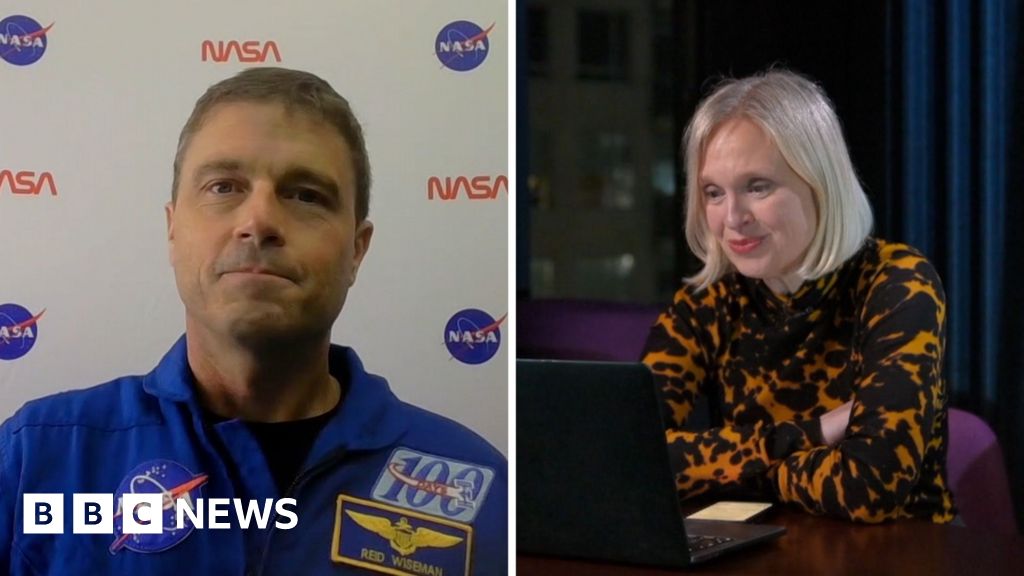
Artemis commander tells BBC about 'powerful' moment crater named after his late wife
Artemis commander Reid Wiseman told the BBC about the "powerful" moment a lunar crater was named "Carroll" in honor of his late wife. This significant event occurred with his two daughters present in NASA's mission control room. The naming commemorates his wife's legacy and provides a personal connection to the ongoing Artemis lunar exploration program. This gesture highlights the human element and personal stories intertwined with space missions.
Key Facts
The Artemis II crew has completed its historic moon mission and returned to Earth.
Source: CBS News
Astronauts praised the moonship's performance, specifically highlighting the effectiveness of its heat shield during reentry.
Source: AP News, ABC News
Mission specialist Christina Koch shared experiences, and another astronaut described 'the most unique thing' seen on the far side of the moon.
Source: CBS News
A lunar crater was named 'Carroll' in honor of commander Reid Wiseman's late wife.
Source: BBC News
Astronauts believe building a base on the Moon is 'absolutely doable' after their mission.
Source: Ars Technica
Recent Highlights
Artemis II crew completes historic moon mission and returns.
Artemis II commander tells BBC about the 'powerful' moment a crater was named after his late wife.
Artemis II astronauts detail 'intense' reentry experience in an interview with ABC News.
Full Coverage (10 articles)
Bill Nye slams White House's proposed NASA cuts as "tone-deaf" in wake of Artemis II mission
Bill Nye criticized the White House's proposed 23% budget cuts for NASA, calling them "tone-deaf." This comes immediately after the successful Artemis II mission, which has garnered significant public attention. Nye's comments, made on "The Takeout," highlight concerns over the administration's commitment to space exploration following a major achievement. The proposed cuts could impact future NASA projects and operations, potentially slowing the momentum gained from recent successes.
I’ve fired one of America’s most powerful lasers—here’s what a shot day looks like
A lead laser scientist on the Texas Petawatt (TPW) described a "shot day" working with one of America's most powerful lasers. The Texas Petawatt, located two floors below ground at the University of Texas at Austin, was part of LaserNetUS, a Department of Energy network. This laser amplifies a tiny pulse of light to momentarily carry more power than the entire US electrical grid. The TPW operated from 2020 to 2024, allowing scientists nationwide to apply for research time. The Texas Petawatt is currently closed due to funding cuts.
The youngest man to walk on the moon reflects on U.S. space exploration
Charles Duke, a former NASA astronaut and Air Force officer, reflected on U.S. space exploration during an interview with "CBS Saturday Morning." Duke, who was the youngest person to walk on the moon during the 1972 Apollo 16 mission, shared his insights. His reflections come amid the recent Artemis II moon mission, providing a historical perspective on lunar exploration. This discussion connects past achievements in space travel with current efforts to return humans to the Moon.
America’s Next Moon Mission Depends on Elon Musk, for Better or Worse
NASA's Artemis lunar mission heavily relies on SpaceX, which has received nearly $15 billion from the agency, with contract values doubling at the inception of Artemis. This reliance has grown as NASA's unique contractors dropped by 38 percent between 2021 and 2024. While SpaceX has lowered launch costs, a former NASA financial officer found it has not passed savings to NASA, charging more each year for services. The Trump administration's Department of Government Efficiency (DOGE) eliminated NASA's Office of Technology, Policy, and Strategy and caused a 20 percent workforce reduction, increasing reliance on contractors. An Inspector General report expressed concerns about SpaceX meeting moon lander deadlines, prompting NASA to explore options for accelerating development, including soliciting proposals from SpaceX and Blue Origin.
Artemis commander tells BBC about 'powerful' moment crater named after his late wife
Artemis commander Reid Wiseman told the BBC about the "powerful" moment a lunar crater was named "Carroll" in honor of his late wife. This significant event occurred with his two daughters present in NASA's mission control room. The naming commemorates his wife's legacy and provides a personal connection to the ongoing Artemis lunar exploration program. This gesture highlights the human element and personal stories intertwined with space missions.
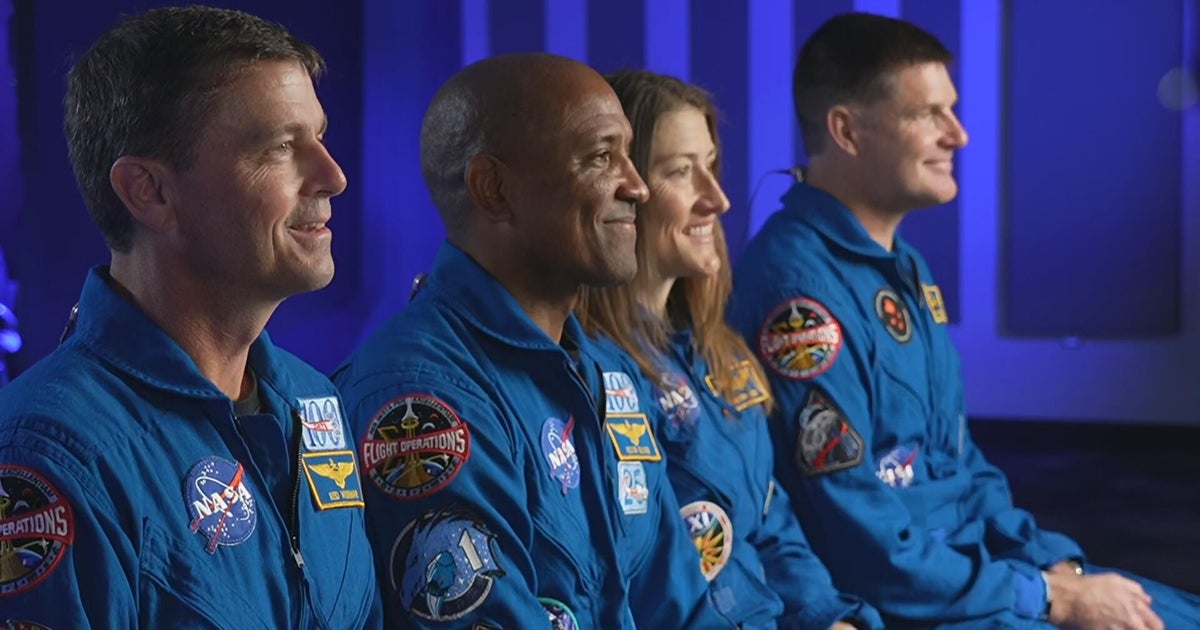
Artemis II crew on historic moon mission and what it means for Earth
The Artemis II crew has completed a historic moon mission, with mission specialist Christina Koch sharing their experiences with "CBS Evening News" anchor Tony Dokoupil. This mission marks a significant step in NASA's efforts to return humans to the lunar surface. The crew's insights are crucial for understanding both the moon and the human experience in deep space. Their findings will inform future lunar explorations and contribute to scientific knowledge.
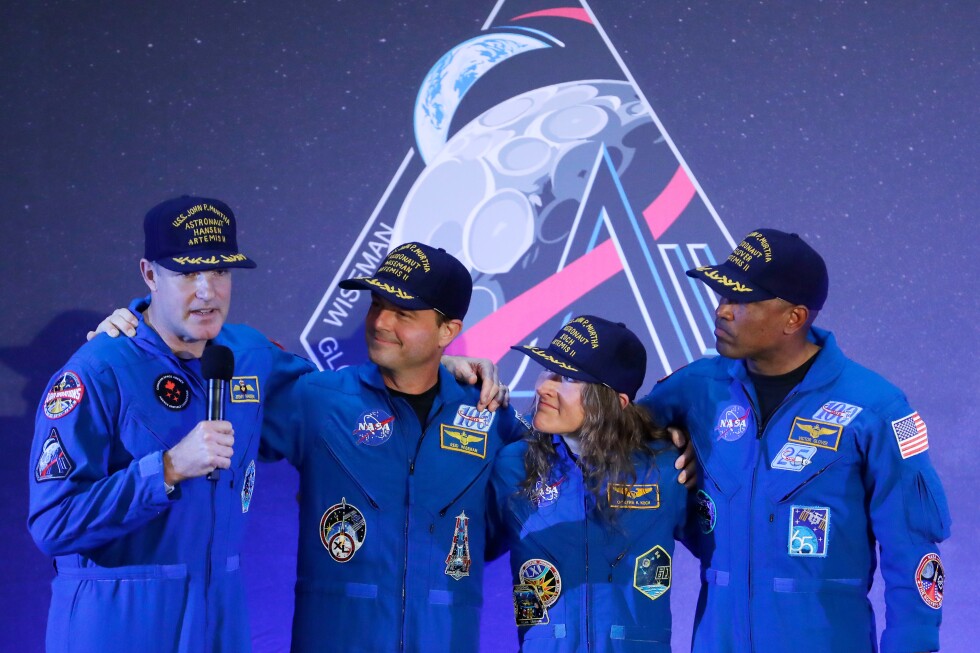
Artemis II astronauts praise their moonship’s performance, especially the heat shield - AP News
Artemis II astronauts have praised the performance of their moonship, specifically highlighting the effectiveness of its heat shield. This commendation follows their mission to the Moon, marking a crucial step in NASA's deep space exploration program. The successful operation of the heat shield is vital for protecting astronauts and spacecraft during re-entry into Earth's atmosphere. Their positive assessment provides confidence for future Artemis missions, which aim to return humans to the lunar surface. This feedback is critical for the ongoing development and safety protocols of the Artemis program.
Artemis II astronaut describes "the most unique thing" he saw on the far side of the moon
An Artemis II astronaut described "the most unique thing" he saw while on the far side of the moon. This observation was shared during an interview with Tony Dokoupil, marking one of the crew's first public remarks since their return. The account offers a unique human perspective from a region of the moon not directly visible from Earth. This insight contributes to humanity's understanding of the lunar far side.
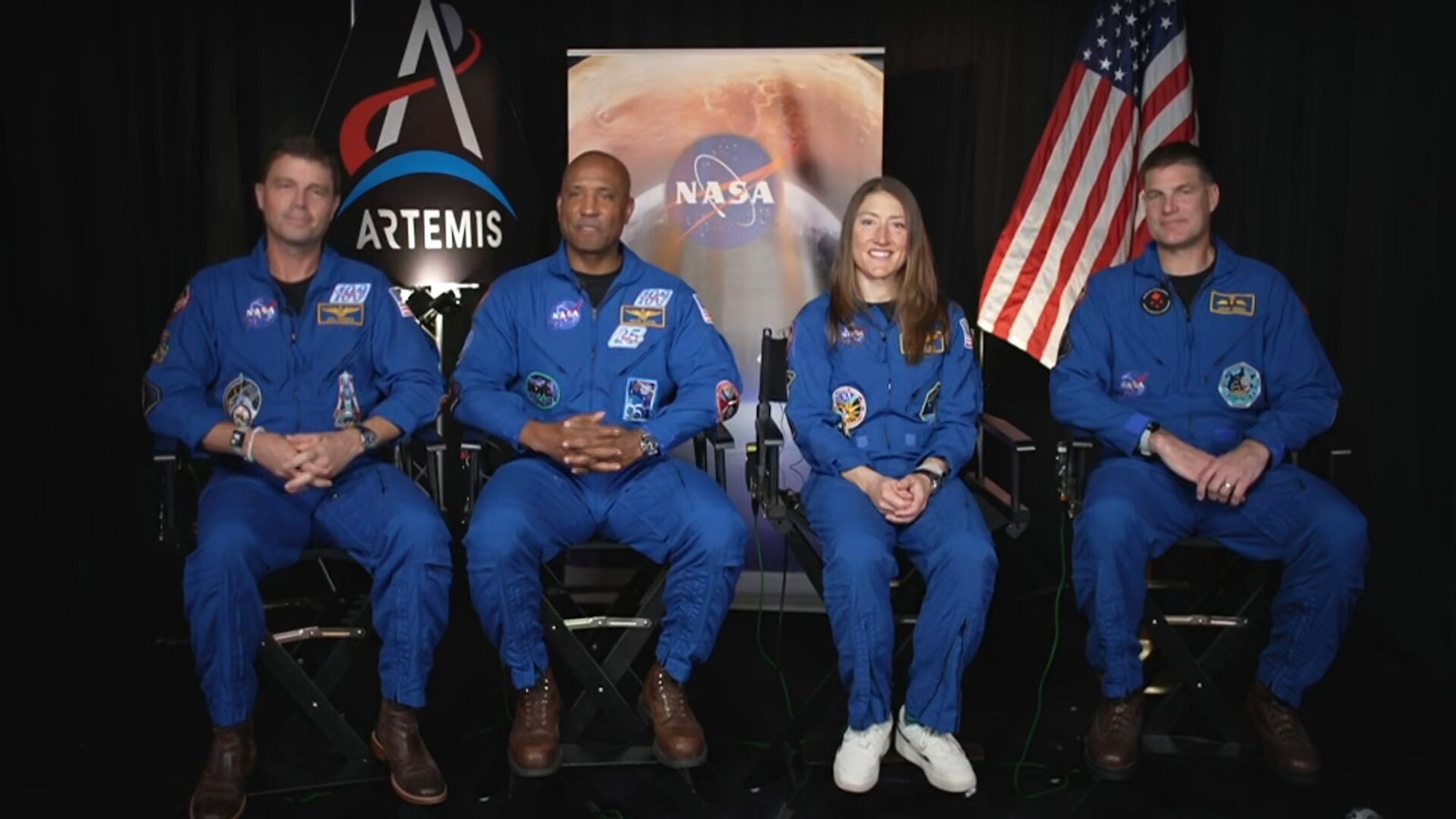
Artemis II astronauts detail 'intense' reentry in interview with ABC News' David Muir
The Artemis II astronauts detailed their "intense" reentry experience in an interview with ABC News' David Muir. This discussion occurred nearly a week after the crew completed their historic 10-day journey to the moon and back. The interview with ABC's "World News Tonight" anchor provided insight into a critical phase of their mission. Their firsthand accounts offer valuable data and perspectives for future lunar missions and space exploration.
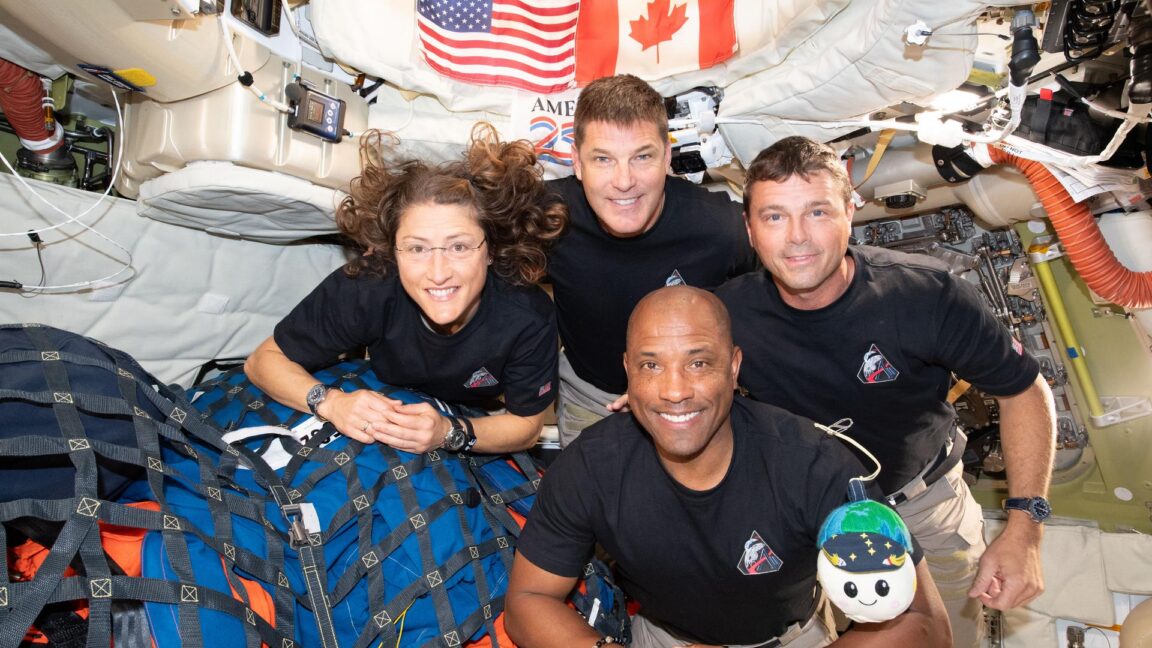
As they got close to the Moon, Artemis II astronauts were eager to land
Artemis II astronauts, including mission specialist Christina Koch, stated that building a base on the Moon is "absolutely doable" after their recent flight. Within two days of landing on Earth, the astronauts were back in spacesuits, practicing surface geology tasks as if on the lunar surface. Koch confirmed they completed "an entire battery of very challenging surface tasks" during these simulations. This rapid transition to simulated lunar operations underscores NASA's serious intent to establish a Moon base.