

Civil Rights & Justice
Following developments in civil rights, criminal justice reform, voting rights, Supreme Court decisions, policing accountability, and the ongoing struggle for equality and justice across American institutions.
Latest Developments

Cotton: Change to marijuana drug classification ‘a step in the wrong direction’
Sen. Tom Cotton (R-Ark.) criticized the Justice Department's decision to downgrade state-approved medical marijuana to a less dangerous drug. Cotton stated this change is "a step in the wrong direction," arguing that modern marijuana's increased potency leads to psychosis, anti-social behavior, and fatal car crashes. His comments, made on the social platform X, indicate opposition within the Republican party to the Justice Department's reclassification efforts. This criticism highlights a federal-state tension regarding marijuana policy, particularly concerning medical use.
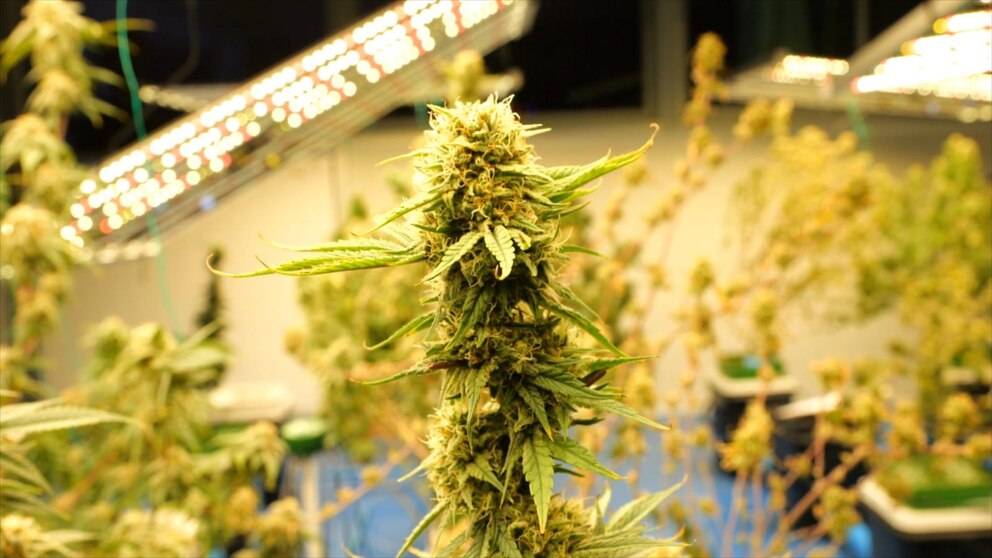
WATCH: What does reclassification mean for marijuana users?
A new order from the federal government reclassifies marijuana from a Schedule I to a Schedule III controlled substance. This change places state-licensed medical marijuana in the same category as certain pain medications, ketamine, and testosterone. The reclassification acknowledges marijuana's accepted medical uses and lower potential for abuse compared to Schedule I drugs. This move could reduce federal penalties for some marijuana-related offenses and may impact research and banking for state-legal cannabis businesses.

US reclassifies some marijuana products as less dangerous drug
The United States government has reclassified some marijuana products as a less dangerous drug. This action reflects a broader shift away from strict penalization policies regarding cannabis. The reclassification is a significant step in the ongoing movement towards widespread legalization efforts across the country. This move by the Trump administration aligns with evolving public and political sentiment on marijuana policy.

Landmark report details lasting impact of slavery in key Georgia county
A Georgia taskforce released a landmark report detailing the lasting impact of slavery and Jim Crow in Fulton County. This 600-page report, based on original research by the Fulton County reparations taskforce, is the first of its kind in the nation to specifically investigate the role of a county government in perpetuating these harms. It examines how these historical injustices continue to affect Black Georgia residents at the county level. The report provides a granular look at the systemic effects of slavery and its afterlives, distinguishing itself from analyses focused on federal or state-level impacts.
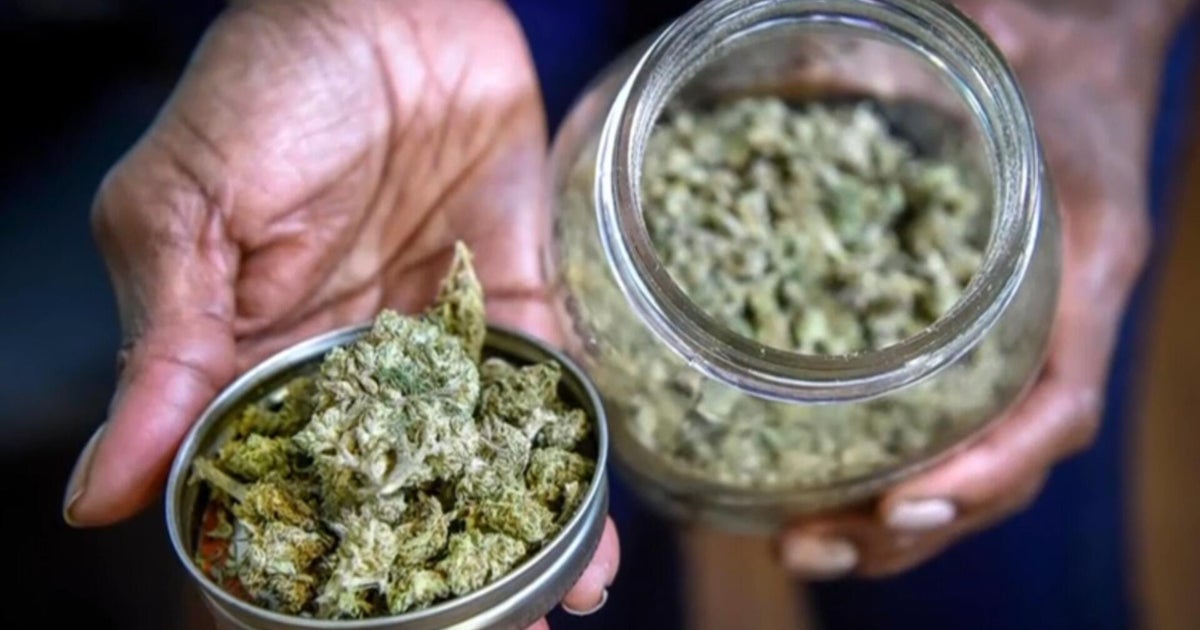
Justice Department moves to ease restrictions on some marijuana products
The Justice Department issued an order to reschedule certain marijuana products to a lower drug classification. This action by the Justice Department moves to ease restrictions on these specific products. The change in classification could reduce federal penalties associated with these marijuana products. This development marks a significant shift in federal policy regarding cannabis.
Key Facts
Supreme Court decisions continue to shape civil rights landscape
Source: Supreme Court
Voting rights legislation and challenges remain active in multiple states
Source: State legislatures
Criminal justice reform efforts face both progress and setbacks
Source: Department of Justice
Police accountability measures are evolving at local and federal levels
Source: Various agencies
Recent Highlights
New voting rights challenges filed in federal courts
Latest Supreme Court term addresses key civil rights cases
Full Coverage (2367 articles)
Showing 20 of 2367 articles
Cotton: Change to marijuana drug classification ‘a step in the wrong direction’
Sen. Tom Cotton (R-Ark.) criticized the Justice Department's decision to downgrade state-approved medical marijuana to a less dangerous drug. Cotton stated this change is "a step in the wrong direction," arguing that modern marijuana's increased potency leads to psychosis, anti-social behavior, and fatal car crashes. His comments, made on the social platform X, indicate opposition within the Republican party to the Justice Department's reclassification efforts. This criticism highlights a federal-state tension regarding marijuana policy, particularly concerning medical use.
WATCH: What does reclassification mean for marijuana users?
A new order from the federal government reclassifies marijuana from a Schedule I to a Schedule III controlled substance. This change places state-licensed medical marijuana in the same category as certain pain medications, ketamine, and testosterone. The reclassification acknowledges marijuana's accepted medical uses and lower potential for abuse compared to Schedule I drugs. This move could reduce federal penalties for some marijuana-related offenses and may impact research and banking for state-legal cannabis businesses.
US reclassifies some marijuana products as less dangerous drug
The United States government has reclassified some marijuana products as a less dangerous drug. This action reflects a broader shift away from strict penalization policies regarding cannabis. The reclassification is a significant step in the ongoing movement towards widespread legalization efforts across the country. This move by the Trump administration aligns with evolving public and political sentiment on marijuana policy.
Landmark report details lasting impact of slavery in key Georgia county
A Georgia taskforce released a landmark report detailing the lasting impact of slavery and Jim Crow in Fulton County. This 600-page report, based on original research by the Fulton County reparations taskforce, is the first of its kind in the nation to specifically investigate the role of a county government in perpetuating these harms. It examines how these historical injustices continue to affect Black Georgia residents at the county level. The report provides a granular look at the systemic effects of slavery and its afterlives, distinguishing itself from analyses focused on federal or state-level impacts.
Justice Department moves to ease restrictions on some marijuana products
The Justice Department issued an order to reschedule certain marijuana products to a lower drug classification. This action by the Justice Department moves to ease restrictions on these specific products. The change in classification could reduce federal penalties associated with these marijuana products. This development marks a significant shift in federal policy regarding cannabis.

US to loosen marijuana rules in major shift for $47 billion industry - Reuters
The United States is preparing to loosen marijuana rules, marking a significant policy change for the $47 billion industry. This move indicates a shift in federal drug classification, potentially re-evaluating cannabis's current Schedule I status under the Controlled Substances Act. Such a reclassification could reduce federal penalties and open new avenues for research and banking services for cannabis businesses. This action by the Trump administration would significantly impact states where marijuana is already legal for medical or recreational use.

Trump administration reclassifies medical marijuana as a 'less-dangerous drug'
The Trump administration reclassified state-licensed medical marijuana as a "less-dangerous drug" on Thursday, easing research barriers and granting tax relief. This action marks a significant shift in US cannabis policy, though it stops short of full federal legalization. The reclassification will likely facilitate new scientific studies into medical marijuana and provide financial benefits to state-licensed operations. This move could also signal a changing federal approach to cannabis, potentially influencing future legislative efforts.

What to know about Trump’s reclassification of state-licensed medical marijuana
Acting Attorney General Todd Blanche, under President Trump’s direction, signed an order on Thursday to reclassify state-licensed medical marijuana as a less-dangerous drug. This action represents a significant shift in U.S. policy regarding cannabis regulation. While the move does not federally legalize marijuana, it will impact how the drug is regulated in the numerous states that currently permit its use for medical purposes. This reclassification could reduce federal enforcement priorities and ease restrictions on research and medical access.

Trump administration eases rules on some marijuana categories. Here's what to know
On April 23, 2026, the Trump administration eased rules on some marijuana categories, specifically medical marijuana. This development was updated at 2:25 PM ET and originally published at 10:58 AM ET. The news was heard on Morning Edition and reported by Bill Chappell.

Minorities in Congress flex muscles with mixed results
Minorities in Congress utilized surprise resolutions and petitions this week, causing disruptions to the legislative schedule. This flexing of muscles led to unexpected votes on critical issues including war powers, immigration, and surveillance laws. The actions highlight the growing influence of minority caucuses and their ability to force legislative action on their priorities. While the results were mixed, these efforts demonstrate a strategic shift in how minority groups within Congress are engaging with the legislative process.
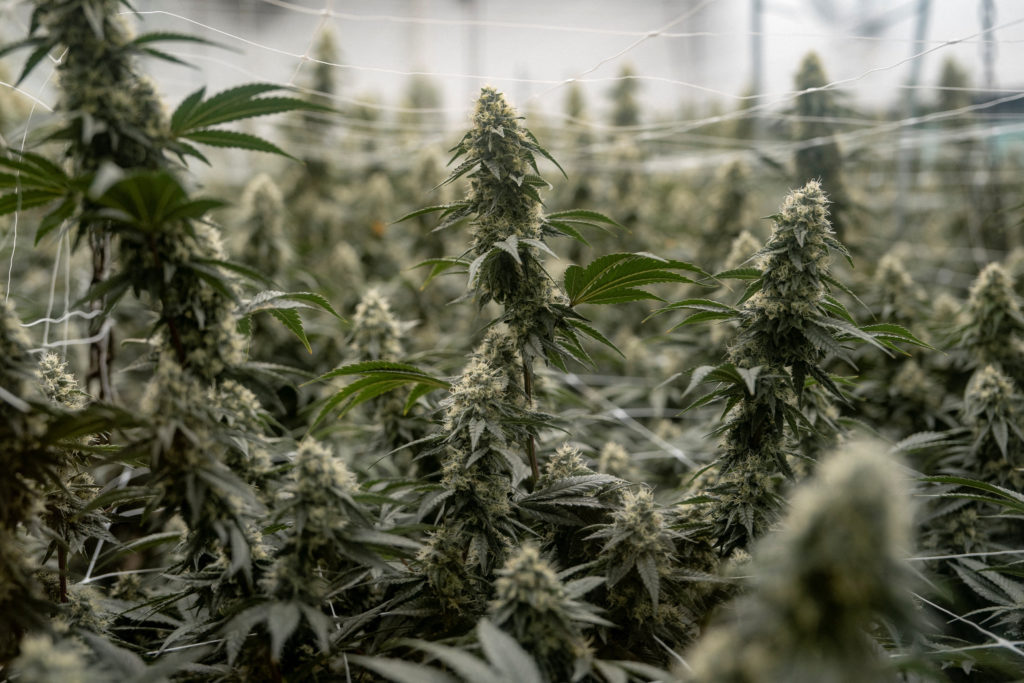
Trump reclassifies state-licensed medical marijuana as less-dangerous drug
President Trump has reclassified state-licensed medical marijuana as a less-dangerous drug, according to an order signed by Todd Blanche. This action changes how medical marijuana is regulated at the federal level, though it does not federally legalize its medical or recreational use. The reclassification could reduce federal penalties for some marijuana-related offenses and potentially ease research restrictions. This move marks a significant shift in federal drug policy concerning cannabis.
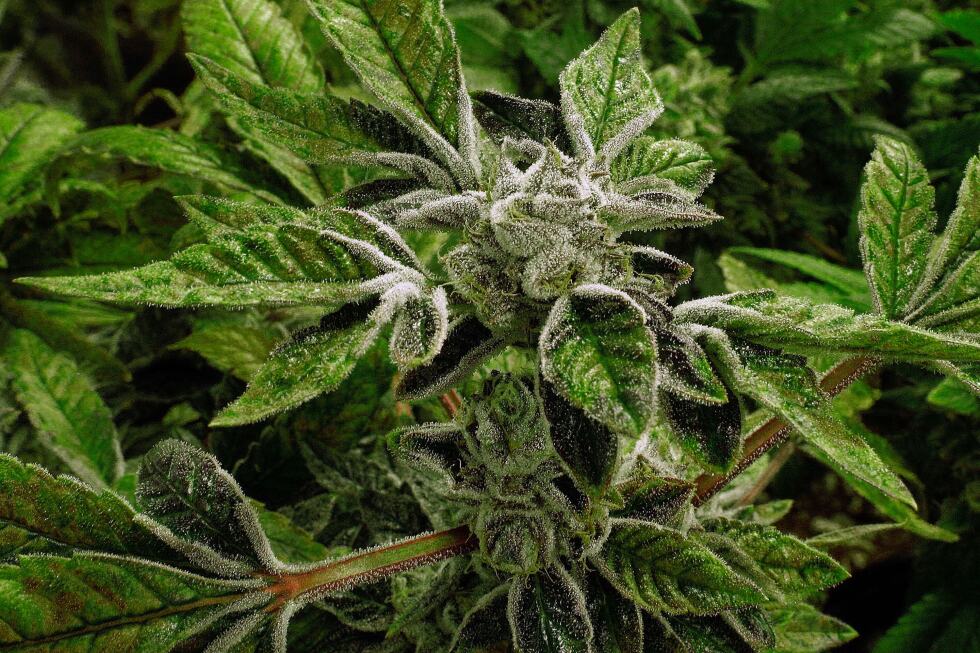
Trump reclassifies state-licensed medical marijuana as a less-dangerous drug in a historic shift - AP News
President Donald Trump has reclassified state-licensed medical marijuana as a less-dangerous drug. This action marks a historic shift in federal drug policy regarding cannabis. The reclassification could significantly alter how medical marijuana is regulated and researched at the federal level. It also impacts states where medical cannabis is currently legal, potentially easing conflicts between state and federal law. This move represents a major change in the federal government's stance on marijuana's medical utility.
US reclassifies cannabis, raising possibility of marijuana legalisation - BBC
The United States government has reclassified cannabis, moving it from Schedule I to Schedule III under the Controlled Substances Act. This administrative action acknowledges cannabis's accepted medical uses and lower potential for abuse compared to drugs like heroin. The reclassification significantly reduces federal restrictions on cannabis, potentially easing research and medical access. This change, initiated by the Department of Health and Human Services and approved by the Drug Enforcement Administration, could pave the way for broader state-level medical marijuana programs and impact federal banking and tax policies for cannabis businesses. While not outright federal legalization, it marks a historic shift in federal drug policy regarding marijuana.
Justice Department eases restrictions on some marijuana products
The Justice Department has eased restrictions on certain marijuana products, reclassifying them to a lower drug classification. This order specifically applies to FDA-approved products containing marijuana and state-regulated medical marijuana products. This move could significantly alter how these specific cannabis products are regulated at the federal level. It represents a shift in federal drug policy regarding certain marijuana-derived substances and medical cannabis.

‘Can I have some, please?’: has Trump opened the door to a psychedelic future?
President Donald Trump signed a landmark executive order in the Oval Office to accelerate research into hallucinogens and increase access to them. The order, signed on "Bicycle Day," specifically mentioned the psychedelic ibogaine. This action is hailed as a "threshold moment" for the future of psychedelics, marking a significant shift in federal policy. However, concerns persist regarding how access will be managed and what protections will be put in place for individuals.
Trump administration reclassifies cannabis as less dangerous
The Trump administration reclassified cannabis, moving it into a category of drugs on par with Tylenol with codeine. This action aims to increase research into marijuana and expand access to the substance. The reclassification signifies a significant shift in federal drug policy regarding cannabis. This change could facilitate new medical applications and scientific studies by reducing regulatory hurdles. The move reflects an effort by the White House to address the evolving understanding of cannabis's potential benefits and risks.
Trump administration moves to ease federal restrictions on marijuana
The Trump administration has moved to reclassify marijuana from schedule I to schedule III under the Controlled Substances Act. This action follows President Donald Trump's executive order, signed more than four months prior, directing the attorney general to initiate the change. Previously, marijuana shared the same schedule I classification as drugs like heroin and LSD, indicating a high potential for abuse and no accepted medical use. The reclassification to schedule III acknowledges some medical use and a lower potential for abuse, marking a significant shift in federal drug policy. This change could impact research, medical access, and federal enforcement related to cannabis.
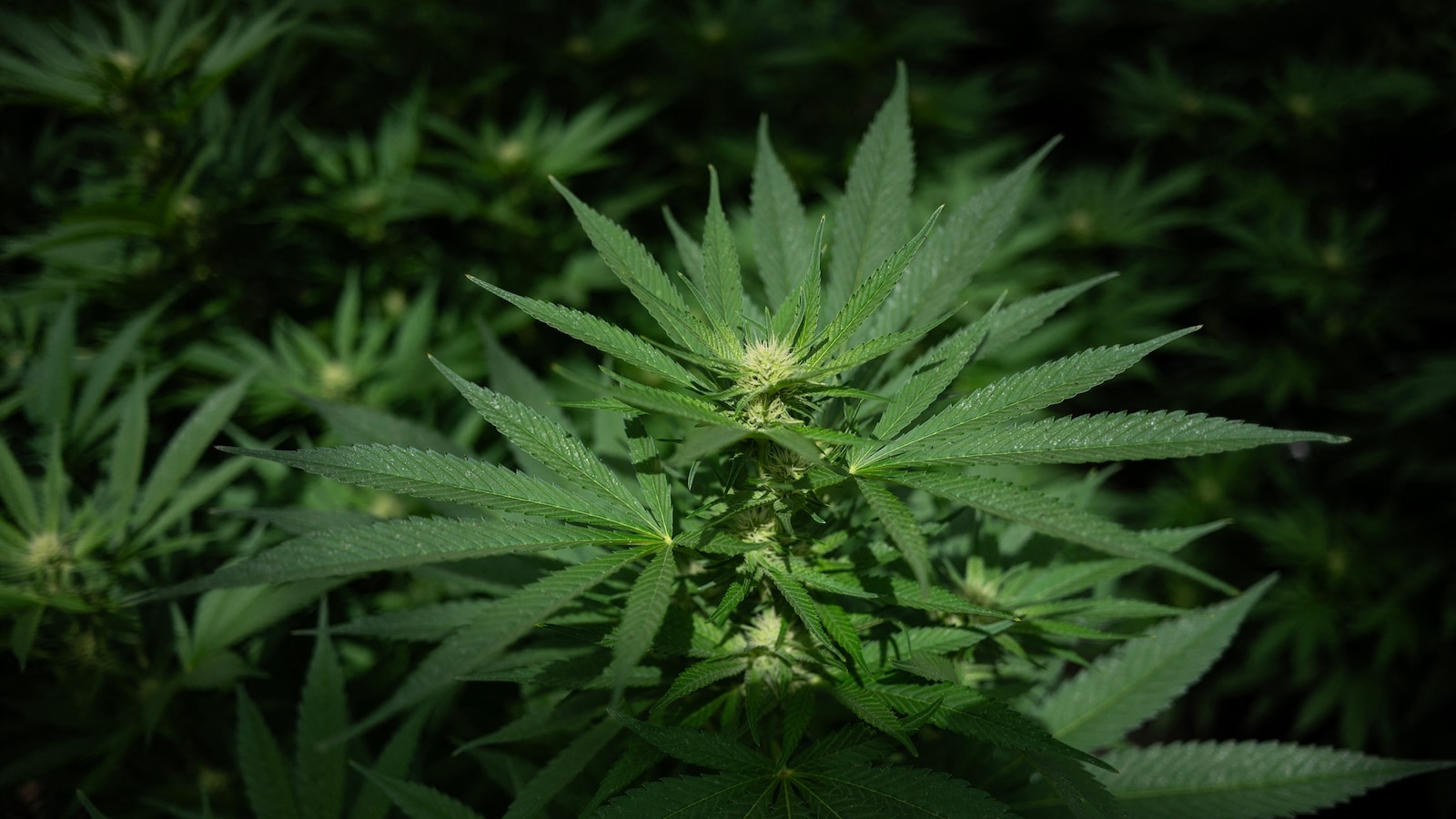
State-licensed medical marijuana reclassified as less dangerous drug
Acting Attorney General Todd Blanche signed an order on Thursday reclassifying state-licensed medical marijuana as a less dangerous drug. This action changes how the federal government views cannabis used for medical purposes under state licensing. The reclassification could reduce federal penalties for activities involving state-licensed medical marijuana and ease restrictions on research. This move by the Trump administration aligns federal policy more closely with states that have legalized medical cannabis.

Trump administration reclassifies state-licensed medical marijuana as less dangerous drug
Acting Attorney General Todd Blanche signed an order reclassifying state-licensed medical marijuana as a less dangerous drug on Thursday. This order shifts licensed medical marijuana from a high level of regulation to a much looser one. The reclassification also provides a tax break to licensed medical marijuana operators. This move by the Trump administration does not legalize marijuana but significantly alters its federal oversight.
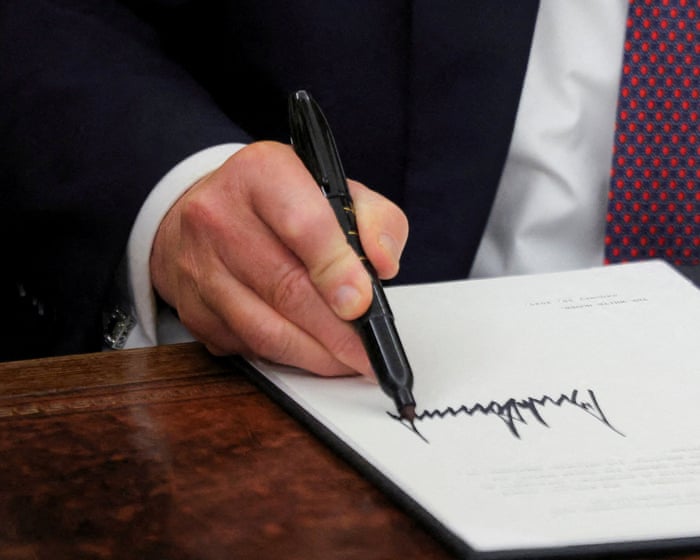
Trump’s pardons are harming violent crime survivors | Johnny Olszewski
President Donald Trump's aggressive use of presidential pardons is reportedly stripping resources from violent crime survivors and related support programs. The 117 pardons issued during his second term have eliminated at least $113 million in fines and penalties. This money would have supported a fund for violent crime victims, domestic violence shelters, rape crisis centers, and child abuse treatment programs. As a result, these programs are now forced to operate with fewer resources. Johnny Olszewski, a Democratic congressman, is advancing legislation to create accountability for these actions.