
Declining US Fertility Rate
The United States is experiencing a significant and prolonged decline in its fertility rate, reaching an all-time low. This trend, which has been ongoing for two decades, raises concerns about future demographic and economic implications.
Latest Developments

The potential impacts of the U.S. birth rate decline
Recent data from the Centers for Disease Control and Prevention (CDC) indicates the U.S. fertility rate has reached an all-time low. This decline is part of a larger downward trend, with the number of Americans having babies dropping 23% since 2007. The current rate is well below the replacement level, meaning not enough births are occurring to replace the population that dies. This demographic shift has significant implications for the nation's future population growth and economic stability. William Brangham and Brian Mann of NPR discussed these potential impacts.
Child who died in suspected dog attack was baby girl
A baby girl died in a suspected dog attack, according to authorities. Police confirmed that two dogs seized from the same address where the incident occurred have since been destroyed. This tragic event highlights the severe danger posed by certain animals, resulting in the death of a young child. The destruction of the dogs indicates law enforcement's immediate response to the fatal incident.

Too young for the MMR shot, babies become ‘sitting ducks’ in measles outbreaks - AP News
Babies too young to receive the MMR vaccine are increasingly vulnerable during measles outbreaks, according to AP News. These infants, lacking immunity, are described as "sitting ducks" due to their inability to be vaccinated. This situation highlights a critical public health concern as measles cases rise, leaving the youngest population unprotected. The vulnerability of these babies underscores the importance of herd immunity provided by broader vaccination rates to prevent disease spread.

U.S. fertility rate hits a new low as teenage births fall, CDC says
The Centers for Disease Control and Prevention (CDC) announced that the U.S. fertility rate has reached a new low. This decline is largely attributed to a decrease in teenage births, contributing to a long-term downward trend. Experts indicate that economic pressures and delayed marriages are significant factors influencing this demographic shift. The ongoing decline in birth rates has become a political flash point, raising concerns about future population growth and economic stability.
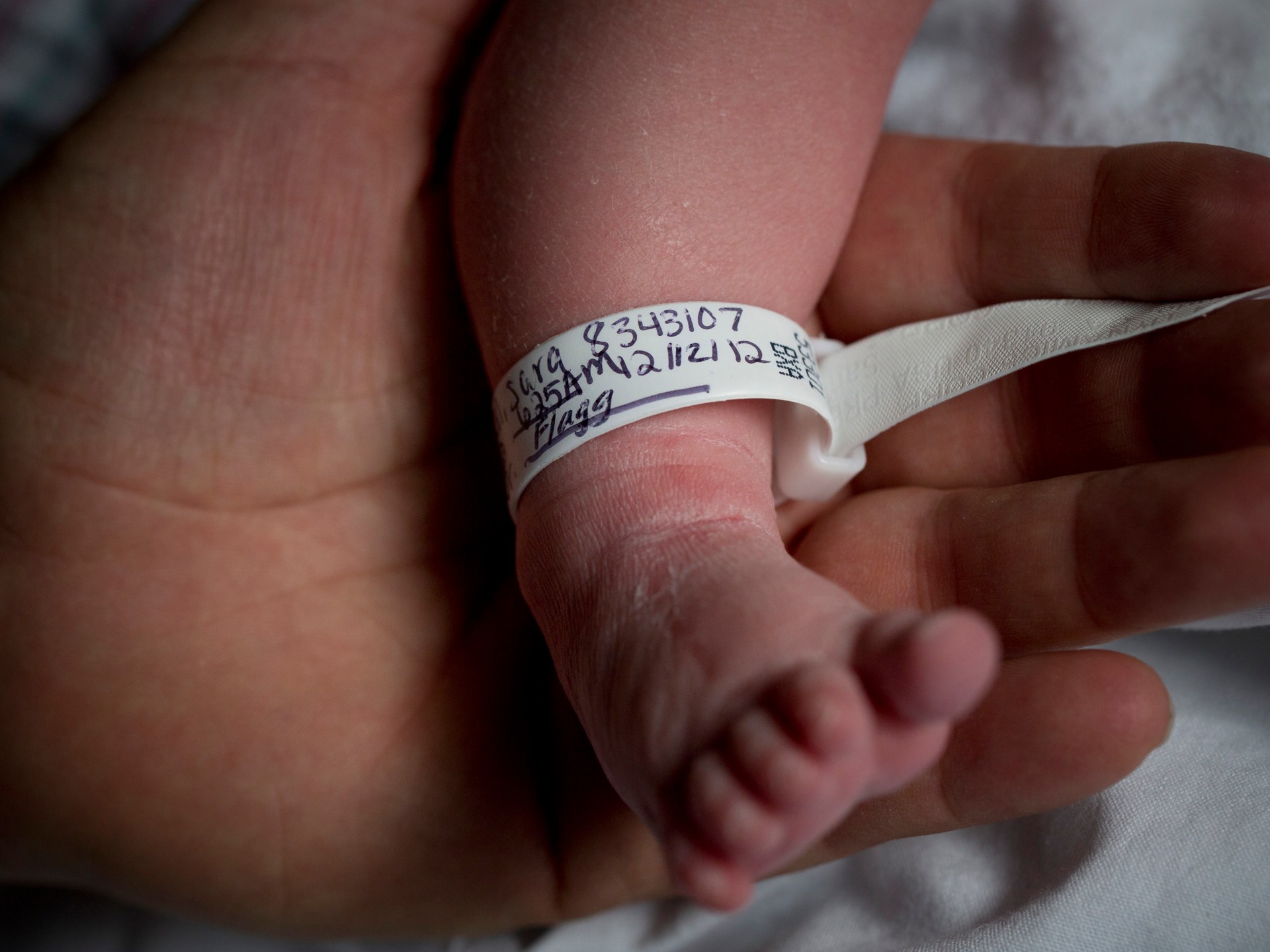
US fertility rate drops to all-time low, continuing a two-decade decline
The United States fertility rate has dropped to an all-time low, continuing a two-decade decline. This marks a nearly 23 percent reduction in the fertility rate since 2007. The ongoing decline indicates a significant demographic shift within the country. This trend has potential long-term implications for the nation's workforce, economy, and social support systems.
Key Facts
The United States fertility rate has been in decline for two decades, dropping nearly 23 percent since 2007.
Source: Al Jazeera
The U.S. fertility rate continued its decline to historic levels last year, resulting in 710,000 fewer babies born compared with two decades ago.
Source: NPR
The Centers for Disease Control and Prevention (CDC) reported that the U.S. general fertility rate dropped to a new record low in 2025.
Source: The Hill
US fertility rates dropped to a record low in 2025 as the number of births continued to fall.
Source: Reuters US
Recent Highlights
The Centers for Disease Control and Prevention (CDC) announces the U.S. fertility rate has reached a new low.
The Hill reports the CDC announced the US fertility rate dropped to a new record low in 2025.
NPR reports 710,000 fewer babies were born last year compared to two decades ago due to declining fertility.
Al Jazeera reports on the two-decade decline in the US fertility rate.
Reports highlight that 710,000 fewer babies were born last year in the U.S. compared with two decades ago, reflecting the ongoing decline.
Full Coverage (9 articles)
The potential impacts of the U.S. birth rate decline
Recent data from the Centers for Disease Control and Prevention (CDC) indicates the U.S. fertility rate has reached an all-time low. This decline is part of a larger downward trend, with the number of Americans having babies dropping 23% since 2007. The current rate is well below the replacement level, meaning not enough births are occurring to replace the population that dies. This demographic shift has significant implications for the nation's future population growth and economic stability. William Brangham and Brian Mann of NPR discussed these potential impacts.
Child who died in suspected dog attack was baby girl
A baby girl died in a suspected dog attack, according to authorities. Police confirmed that two dogs seized from the same address where the incident occurred have since been destroyed. This tragic event highlights the severe danger posed by certain animals, resulting in the death of a young child. The destruction of the dogs indicates law enforcement's immediate response to the fatal incident.
Too young for the MMR shot, babies become ‘sitting ducks’ in measles outbreaks - AP News
Babies too young to receive the MMR vaccine are increasingly vulnerable during measles outbreaks, according to AP News. These infants, lacking immunity, are described as "sitting ducks" due to their inability to be vaccinated. This situation highlights a critical public health concern as measles cases rise, leaving the youngest population unprotected. The vulnerability of these babies underscores the importance of herd immunity provided by broader vaccination rates to prevent disease spread.
U.S. fertility rate hits a new low as teenage births fall, CDC says
The Centers for Disease Control and Prevention (CDC) announced that the U.S. fertility rate has reached a new low. This decline is largely attributed to a decrease in teenage births, contributing to a long-term downward trend. Experts indicate that economic pressures and delayed marriages are significant factors influencing this demographic shift. The ongoing decline in birth rates has become a political flash point, raising concerns about future population growth and economic stability.
US fertility rate drops to all-time low, continuing a two-decade decline
The United States fertility rate has dropped to an all-time low, continuing a two-decade decline. This marks a nearly 23 percent reduction in the fertility rate since 2007. The ongoing decline indicates a significant demographic shift within the country. This trend has potential long-term implications for the nation's workforce, economy, and social support systems.

710,000 fewer babies were born last year in U.S. compared with two decades ago
The U.S. fertility rate continued its decline to historic levels last year. This trend resulted in 710,000 fewer babies born compared with two decades ago. The drop is attributed to plunging teen pregnancies and women delaying motherhood into their 30s and 40s.

710,000 fewer babies were born last year in U.S. compared with two decades ago - NPR
The United States saw 710,000 fewer babies born last year compared to two decades ago, according to NPR. This significant decline reflects a continuing trend of falling birth rates across the nation. The decrease has profound implications for the country's demographic structure and future workforce. A sustained drop in births can strain social security and healthcare systems, which rely on a growing working-age population. This trend also impacts economic growth and the demand for goods and services over the long term.

Fertility rate drops to new record low: CDC
The Centers for Disease Control and Prevention (CDC) reported that the U.S. general fertility rate dropped to a new record low in 2025. This marks another consecutive year of decline, with the rate falling by 1 percent to approximately 53.1 births per 1,000 females aged 15 to 44. This continued downward trend in birth rates has significant implications for future population growth, workforce demographics, and social security systems. The data from the CDC provides a crucial indicator of national demographic shifts.
US fertility rates drop to record low in 2025 as births fall - Reuters
US fertility rates dropped to a record low in 2025, according to Reuters, as the number of births continued to fall. This decline indicates a significant demographic shift, with fewer babies being born in the United States. The sustained decrease in fertility rates has long-term implications for the nation's workforce, economic growth, and social support systems. This trend reflects ongoing societal changes and potentially impacts future population demographics.