
Iran & Middle East Conflict
Tracking the evolving military and diplomatic situation across the Middle East, including US-Iran tensions, Israeli operations, proxy conflicts, and the broader geopolitical implications for the region.
Latest Developments

Israel accused of war crimes after 'targeted' killing of journalist
Israel faces accusations of war crimes following the reported 'targeted' killing of a journalist working in southern Lebanon. This incident marks another instance where Israel has been accused of targeting members of the press. The accusation of war crimes carries significant international legal and diplomatic implications. This development could intensify scrutiny on Israel's military operations in the region.
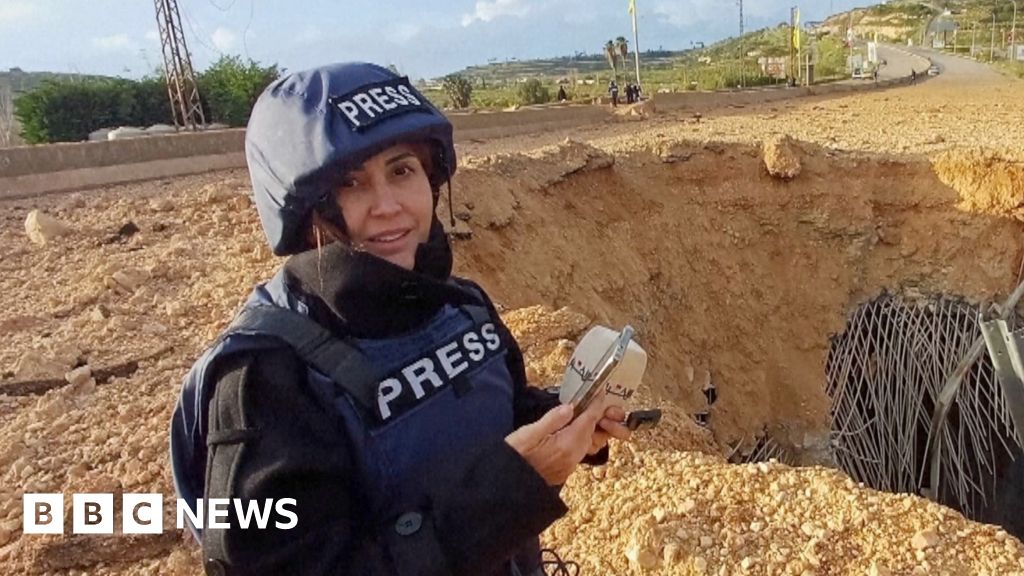
Lebanon accuses Israel of targeting journalist killed in air strike
Lebanon's prime minister accused Israel of war crimes following an airstrike that killed a journalist. The accusation stems from alleged IDF attacks on Red Cross vehicles, which reportedly prevented rescuers from reaching the site. This incident escalates tensions between Lebanon and Israel, particularly concerning civilian casualties and the safety of humanitarian workers and journalists in conflict zones. The Lebanese government views the targeting of a journalist and interference with rescue efforts as serious violations of international law.

War in Iran Gives New Fuel to a Tax Debate in Australia
The ongoing War in Iran is intensifying a debate in Australia regarding the taxation of its natural gas exports. Critics within Australia argue the country, as the world's third-largest natural gas exporter, has been too lenient in taxing these lucrative exports. This renewed focus on gas taxation stems from the conflict's impact on global energy markets, likely driving up gas prices and highlighting the potential for increased government revenue. The debate centers on whether Australia is adequately benefiting from its significant natural gas resources, especially during periods of geopolitical instability affecting energy supplies.

Middle East war live: Lebanon meets Israel in Washington to request truce extension
Lebanon is meeting with Israel in Washington on Thursday to request a one-month extension of an expiring ceasefire. This new round of talks aims to prevent the cessation of hostilities between the two nations. The current truce is set to expire within days, making the outcome of these discussions critical for regional stability. Beirut's request highlights ongoing diplomatic efforts to manage tensions in the Middle East.
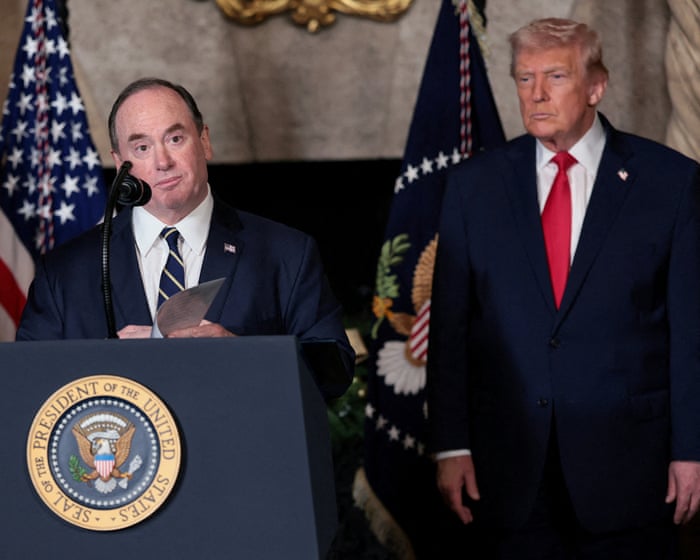
Trump news at a glance: Pentagon replaces secretary of the navy amid US blockade in strait of Hormuz
The Pentagon announced that John Phelan, the secretary of the navy, is "departing the administration, effective immediately." Undersecretary Hung Cao will take over Phelan's role, according to a statement from Pentagon spokesperson Sean Parnell. This change comes as the United States maintains a blockade in the Strait of Hormuz. The abrupt departure of the navy's top civilian official occurs amidst ongoing military tensions in a critical global shipping lane.
Key Facts
US military operations in the Middle East have escalated significantly in 2026
Source: Multiple sources
Iran's nuclear program remains a central point of international concern
Source: IAEA
Regional proxy conflicts continue to reshape alliances and borders
Source: Council on Foreign Relations
Humanitarian impact across the region affects millions of civilians
Source: UN agencies
Recent Highlights
Diplomatic efforts continue amid regional instability
Ongoing US-Iran military tensions in the Persian Gulf
Full Coverage (11141 articles)
Showing 20 of 11141 articles
Israel accused of war crimes after 'targeted' killing of journalist
Israel faces accusations of war crimes following the reported 'targeted' killing of a journalist working in southern Lebanon. This incident marks another instance where Israel has been accused of targeting members of the press. The accusation of war crimes carries significant international legal and diplomatic implications. This development could intensify scrutiny on Israel's military operations in the region.
Lebanon accuses Israel of targeting journalist killed in air strike
Lebanon's prime minister accused Israel of war crimes following an airstrike that killed a journalist. The accusation stems from alleged IDF attacks on Red Cross vehicles, which reportedly prevented rescuers from reaching the site. This incident escalates tensions between Lebanon and Israel, particularly concerning civilian casualties and the safety of humanitarian workers and journalists in conflict zones. The Lebanese government views the targeting of a journalist and interference with rescue efforts as serious violations of international law.
War in Iran Gives New Fuel to a Tax Debate in Australia
The ongoing War in Iran is intensifying a debate in Australia regarding the taxation of its natural gas exports. Critics within Australia argue the country, as the world's third-largest natural gas exporter, has been too lenient in taxing these lucrative exports. This renewed focus on gas taxation stems from the conflict's impact on global energy markets, likely driving up gas prices and highlighting the potential for increased government revenue. The debate centers on whether Australia is adequately benefiting from its significant natural gas resources, especially during periods of geopolitical instability affecting energy supplies.
Middle East war live: Lebanon meets Israel in Washington to request truce extension
Lebanon is meeting with Israel in Washington on Thursday to request a one-month extension of an expiring ceasefire. This new round of talks aims to prevent the cessation of hostilities between the two nations. The current truce is set to expire within days, making the outcome of these discussions critical for regional stability. Beirut's request highlights ongoing diplomatic efforts to manage tensions in the Middle East.
Trump news at a glance: Pentagon replaces secretary of the navy amid US blockade in strait of Hormuz
The Pentagon announced that John Phelan, the secretary of the navy, is "departing the administration, effective immediately." Undersecretary Hung Cao will take over Phelan's role, according to a statement from Pentagon spokesperson Sean Parnell. This change comes as the United States maintains a blockade in the Strait of Hormuz. The abrupt departure of the navy's top civilian official occurs amidst ongoing military tensions in a critical global shipping lane.

Clearing Strait of Hormuz of mines could take 6 months, Pentagon tells Congress - The Washington Post
The Pentagon informed Congress that clearing the Strait of Hormuz of mines could take six months. This assessment provides a timeline for a critical operation in one of the world's most vital shipping lanes. The potential six-month duration highlights the significant logistical challenges and time commitment involved in ensuring safe passage through the strait. This information is crucial for strategic planning regarding global oil supplies and international maritime security.
Iran War Live News Updates: Three Ships Attacked in Strait of Hormuz, Escorting Two to Its Coast - WSJ
Iran attacked three ships in the Strait of Hormuz and is now escorting two of those vessels to its coast, according to the Wall Street Journal. This incident occurred in the critical Strait of Hormuz, a narrow waterway essential for global oil and gas shipments. The actions by Iran represent a significant escalation of tensions in the region, directly impacting international maritime commerce. This development could prompt immediate responses from international naval forces present in the area.

Dollar holds near 1-1/2-week high as Iran-US standoff persists - Reuters
The dollar is holding near a 1-1/2-week high in global currency markets. This strength is attributed to the ongoing standoff between Iran and the United States. The persistent geopolitical tensions are prompting investors to seek the relative safety of the U.S. dollar. This indicates that market participants are reacting to the perceived risk associated with the unresolved situation. The dollar's elevated position reflects its status as a safe-haven asset during periods of international uncertainty.

Oil prices edge lower with no progress on US-Iran talks, Hormuz shipping still disrupted - Reuters
Oil prices edged lower as there was no progress on US-Iran talks, while shipping through the Strait of Hormuz remained disrupted. This lack of diplomatic movement and ongoing instability in a critical shipping lane typically impacts global oil markets. Despite the continued disruption, the current decline in prices suggests other market factors are at play. The Strait of Hormuz is a vital chokepoint for a significant portion of the world's oil supply.

Iran releases video of IRGC seizing ship in the Strait of Hormuz
Iran’s revolutionary guard released a video depicting its forces seizing a ship in the Strait of Hormuz. This action occurred in a critical global shipping lane, through which a significant portion of the world's oil supply passes. The seizure by the IRGC could escalate tensions in the region, particularly given the strategic importance of the Strait of Hormuz for international maritime trade. Such incidents often prompt concerns about freedom of navigation and regional stability.
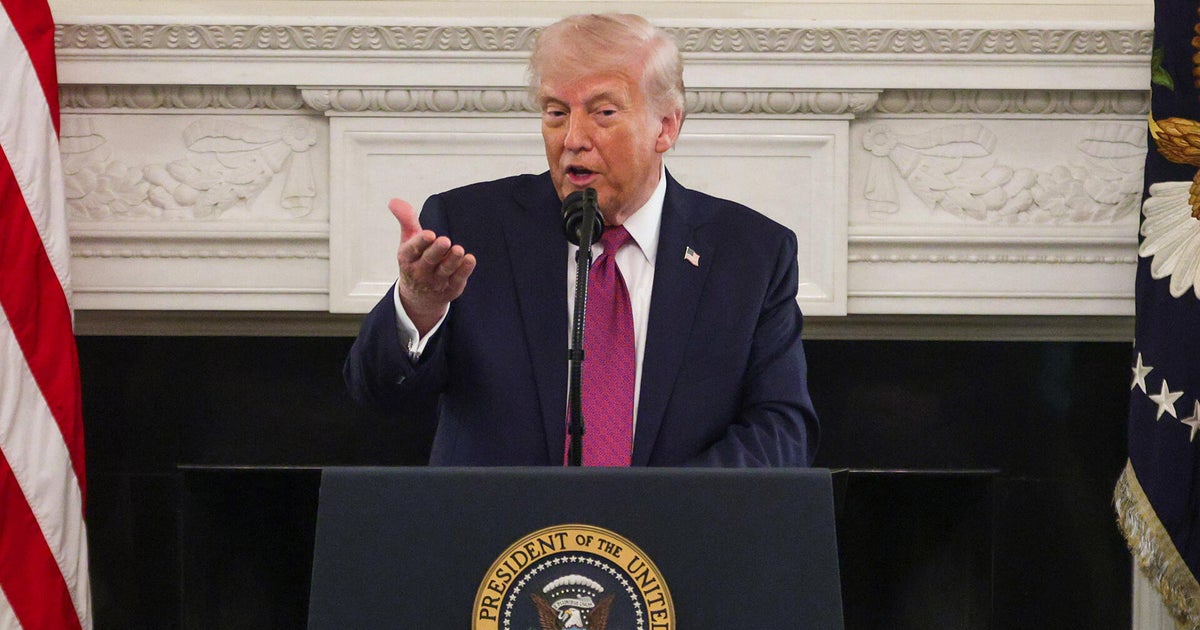
4/22: The Takeout with Major Garrett
"The Takeout with Major Garrett" discusses the uncertain future of the Iran war, noting that no date has been set for peace talks. This lack of a clear path forward for diplomatic resolution indicates ongoing instability in the region. The program also highlights a new poll revealing that Congress is historically unpopular, reflecting widespread public dissatisfaction with the legislative branch. These topics suggest a focus on significant foreign policy challenges and domestic political discontent.
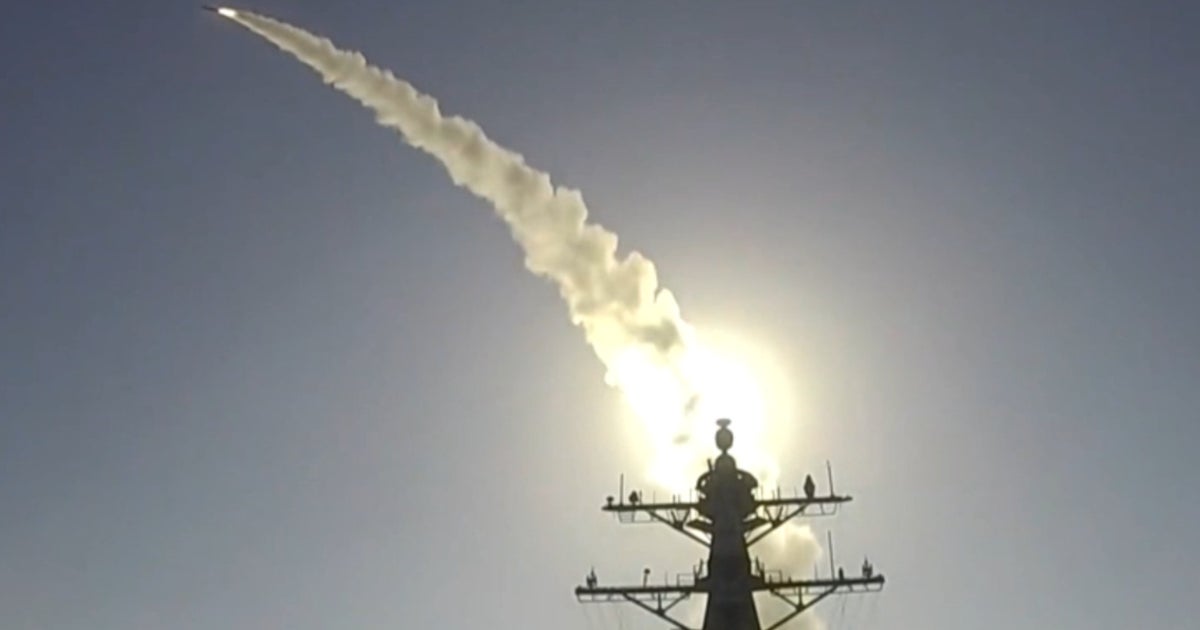
Iran war taking toll on U.S. missile stockpile, analysis finds
A new analysis from the Center for Strategic and International Studies (CSIS) found that the ongoing war with Iran is depleting the Pentagon's munitions stockpile. The conflict, now on Day 54, is placing significant strain on U.S. missile reserves. This depletion could impact the military's readiness for other potential conflicts or prolonged engagement. Mark Cancian, a senior adviser with the Defense and Security Department at CSIS, will discuss these findings on "The Daily Report."
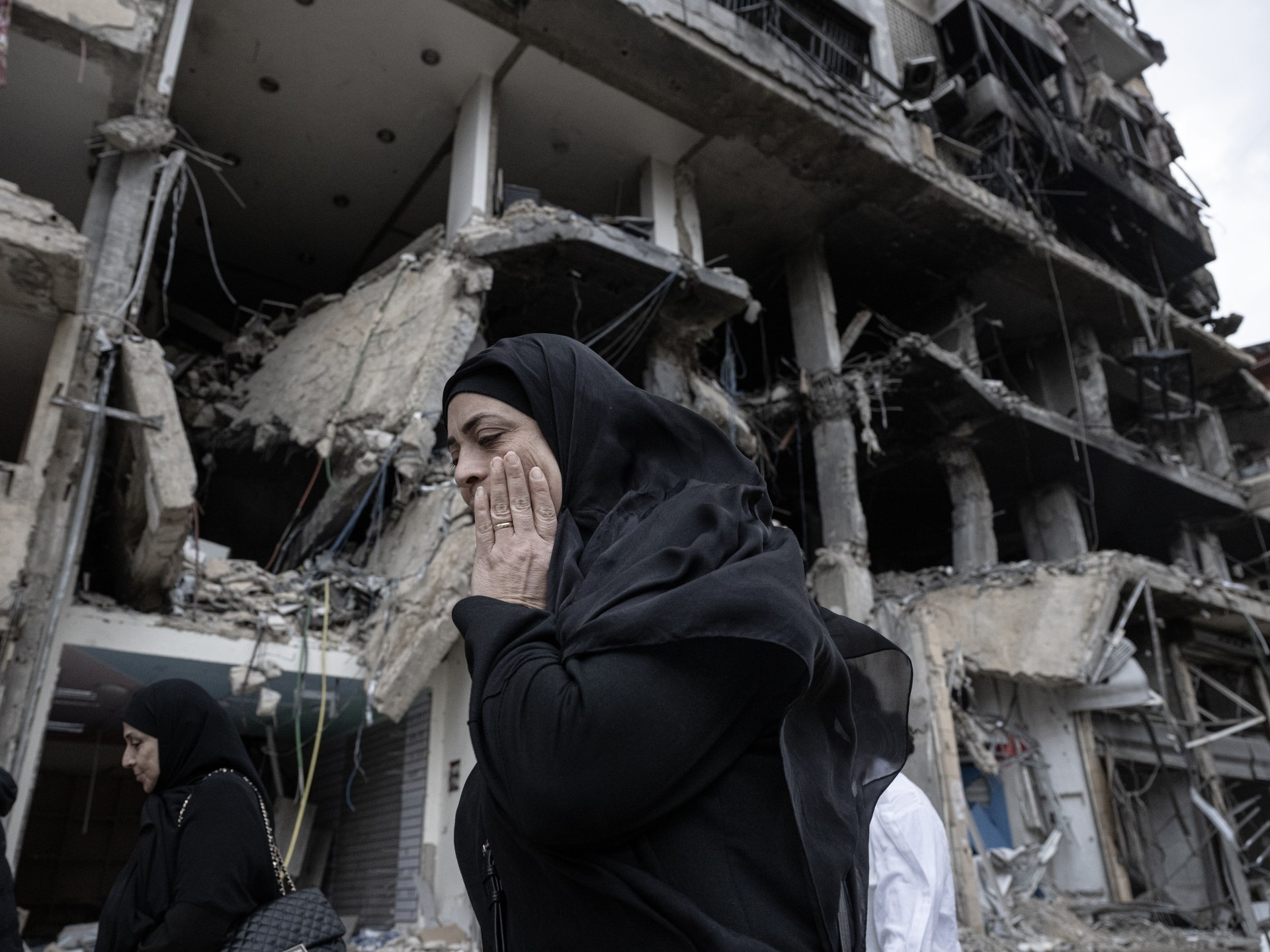
Iran war live: Israel kills Lebanese journalist; Tehran-US talks stalled
Israeli attacks in Lebanon on Wednesday killed at least five people, including Lebanese journalist Amal Khalil. This incident occurred as ongoing tensions between Iran and the United States have stalled diplomatic talks. The killing of a journalist during military operations raises concerns about press freedom and civilian casualties in conflict zones. These events unfold amid a broader regional conflict, with Israel engaged in military actions and Tehran's discussions with the US facing setbacks. The stalled talks between Tehran and the US suggest a lack of diplomatic progress in de-escalating regional instability.
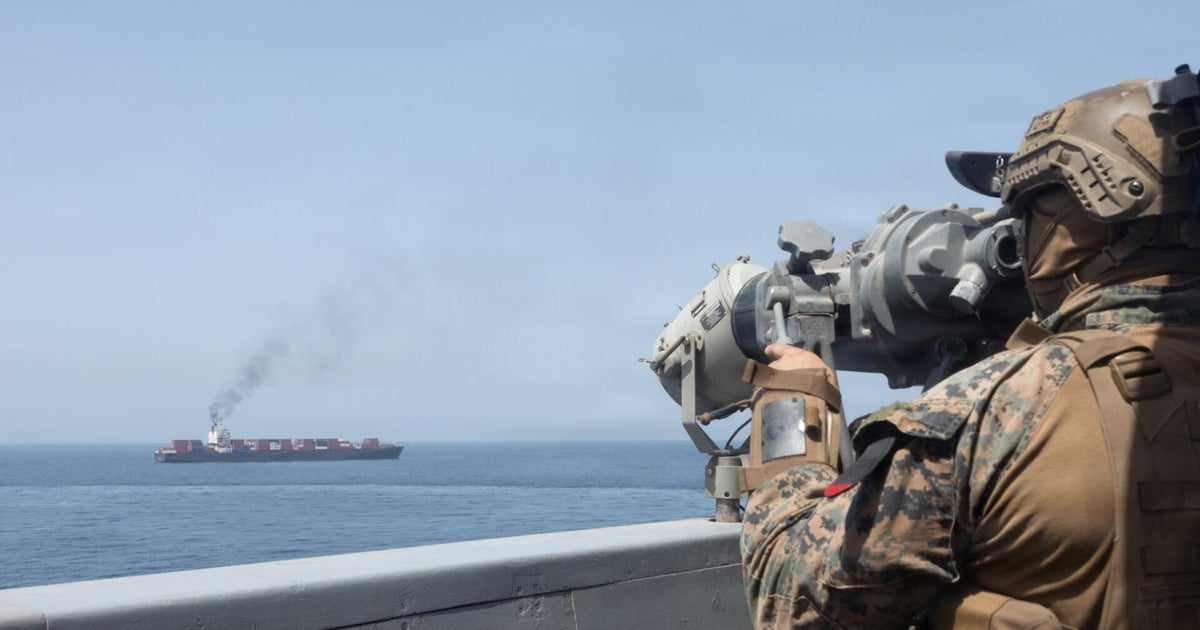
Latest details as Iran hits ships in Strait of Hormuz
U.S. Navy Secretary John Phelan is out, effective immediately, according to the Pentagon. This departure marks the latest change among top defense leaders amid escalating tensions between the U.S. and Iran. The two nations are currently engaged in a struggle for control of the Strait of Hormuz, a critical shipping lane. Iran has reportedly hit ships in the Strait of Hormuz, intensifying the conflict. Charlie D'Agata is reporting on these developments.

Trump seeks new course in Iran after ceasefire retreat
President Trump unilaterally extended a two-week ceasefire with Iran on Tuesday, following a diplomatic retreat in the ongoing stalemate. This action comes after President Trump backed down from previous threats to bomb Iran, signaling an apparent holding pattern in the conflict. The White House is now seeking an "off-ramp" to the war, aiming for a resolution that President Trump can frame as a victory. This development indicates a shift in the administration's strategy for de-escalation in the region.
S&P, Nasdaq close at records on Iran ceasefire extension, earnings - Reuters
The S&P and Nasdaq stock indexes both closed at record highs. This market surge was primarily driven by news of an Iran ceasefire extension. Strong corporate earnings also contributed to the positive investor sentiment. The record closes indicate robust confidence in the market's current trajectory.
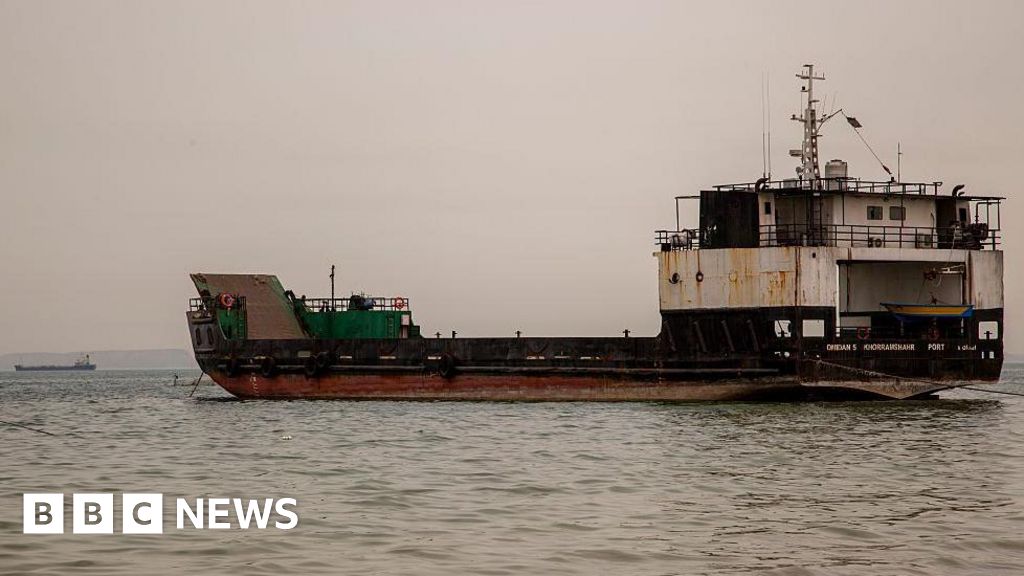
Iran says Strait of Hormuz cannot be opened due to ceasefire breaches
Iran's chief negotiator stated that the Strait of Hormuz cannot be opened due to "violations" by the US and Israel. This declaration comes amid ongoing tensions and alleged breaches of a ceasefire agreement. The Strait of Hormuz is a critical chokepoint for global oil shipments, and its closure would severely disrupt international trade and energy markets. This stance indicates a potential escalation of conflict and a significant challenge to maritime security in the region.
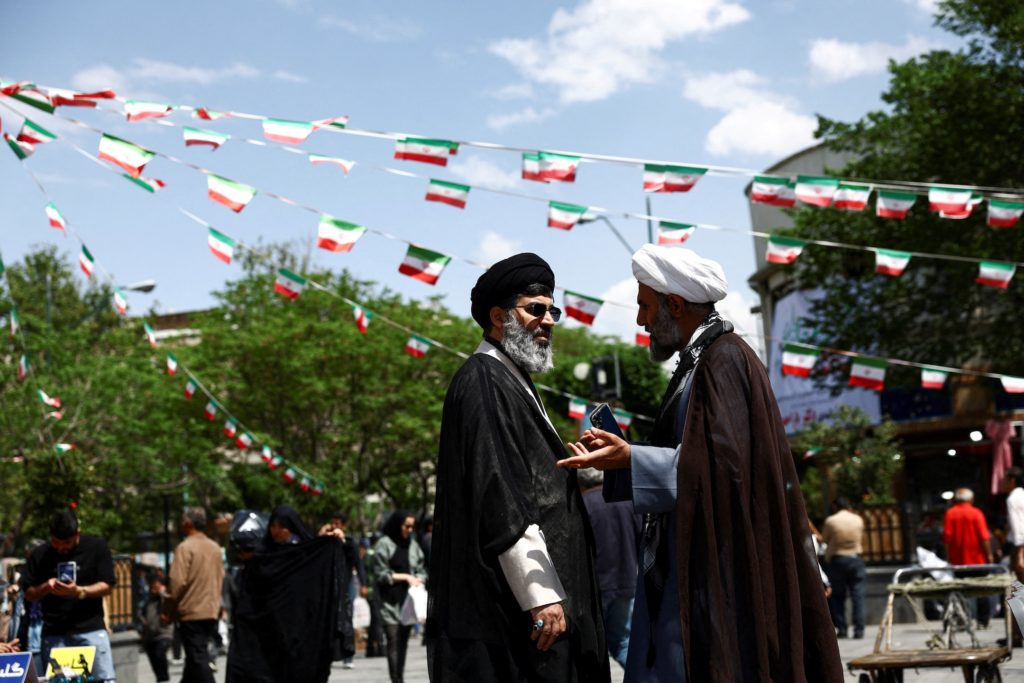
Iran targets ships in Strait of Hormuz as U.S. talks remain uncertain
Iranian forces attacked and seized at least two ships in the contested Strait of Hormuz. This action occurred as a standoff continued over when or whether to return to negotiations with the U.S. The Trump administration stated it did not consider these attacks violations of a ceasefire that President Trump had extended earlier in the week. White House correspondent Liz Landers reported on the situation.
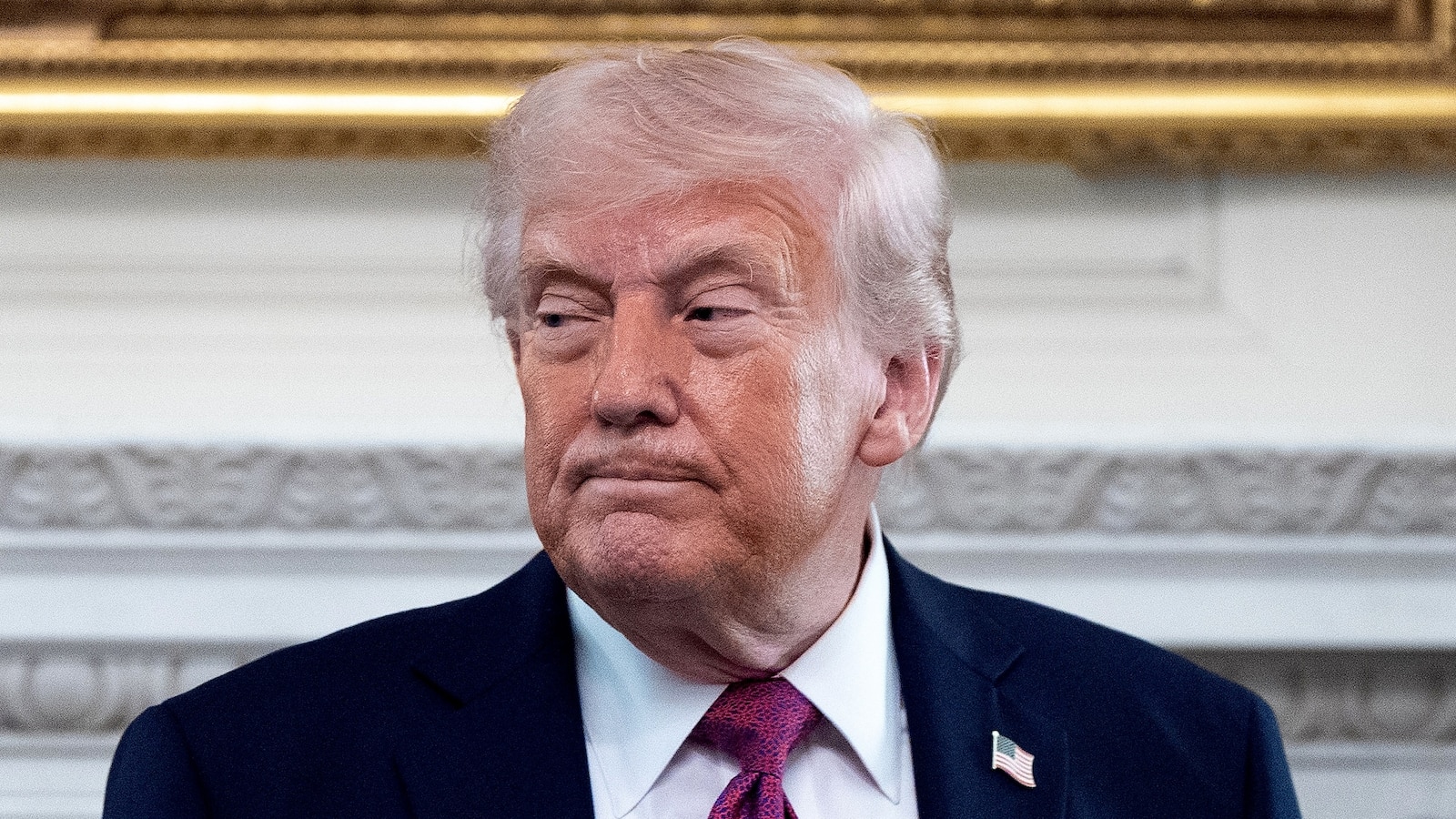
What we know about why face-to-face talks with Iran fell through
A second round of face-to-face talks between U.S. negotiators and Iran fell through, preventing a potential diplomatic breakthrough. The White House had hoped these discussions would lead to a quick resolution, but the meeting was canceled before American representatives could depart. This development indicates a setback for the Trump administration's diplomatic efforts with Iran. The failure to hold these talks suggests continued challenges in de-escalating tensions or advancing negotiations with the Iranian government.

Hormuz standoff the 'largest supply shock' ever experienced, says global energy expert
Global energy expert Karen Young stated that the Hormuz standoff represents the "largest supply shock" ever experienced. This assessment comes as traffic through the Strait of Hormuz has nearly ceased following U.S. and Israeli attacks on Iran almost two months prior. The standstill is significant because approximately 20% of the world's petrochemical production typically transits this vital waterway. The drastic cut in this flow is causing daily ripple effects, indicating a turbulent period ahead for global energy markets. Geoff Bennett interviewed Karen Young to discuss these downstream effects.