
Trump Administration Reclassifies Marijuana
The Trump administration has reclassified state-licensed medical marijuana as a 'less-dangerous drug,' moving it from Schedule I to Schedule III under the Controlled Substances Act. This significant policy shift is expected to ease research barriers and impact the growing cannabis industry.
Latest Developments
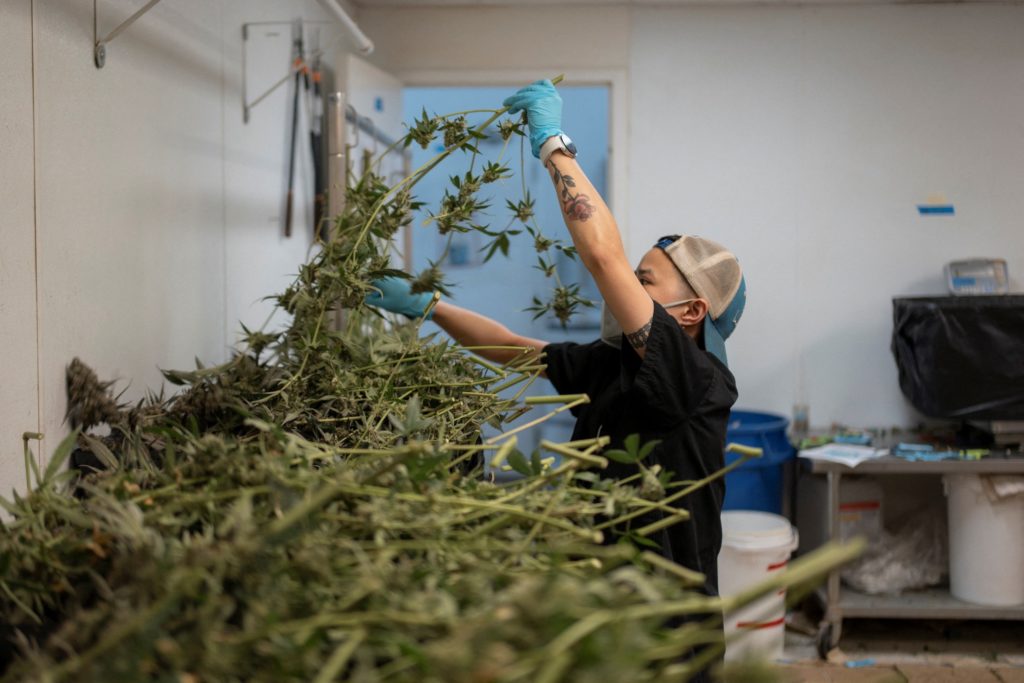
What marijuana's reclassification means for public health and businesses
The federal government is reclassifying medical marijuana, moving it to a category that acknowledges its potential medical benefits and lower potential for harm. This action, reported by William Brangham, marks a significant shift in federal drug policy by recognizing cannabis's therapeutic uses. While this reclassification does not federally legalize marijuana nationwide, it is expected to facilitate increased scientific research into its effects. This change could have implications for public health understanding and for businesses operating in the cannabis industry.

US to loosen marijuana rules in major shift for $47 billion industry - Reuters
The United States is preparing to loosen marijuana rules, marking a significant policy change for the $47 billion industry. This move indicates a shift in federal drug classification, potentially re-evaluating cannabis's current Schedule I status under the Controlled Substances Act. Such a reclassification could reduce federal penalties and open new avenues for research and banking services for cannabis businesses. This action by the Trump administration would significantly impact states where marijuana is already legal for medical or recreational use.

Trump administration reclassifies medical marijuana as a 'less-dangerous drug'
The Trump administration reclassified state-licensed medical marijuana as a "less-dangerous drug" on Thursday, easing research barriers and granting tax relief. This action marks a significant shift in US cannabis policy, though it stops short of full federal legalization. The reclassification will likely facilitate new scientific studies into medical marijuana and provide financial benefits to state-licensed operations. This move could also signal a changing federal approach to cannabis, potentially influencing future legislative efforts.

What to know about Trump’s reclassification of state-licensed medical marijuana
Acting Attorney General Todd Blanche, under President Trump’s direction, signed an order on Thursday to reclassify state-licensed medical marijuana as a less-dangerous drug. This action represents a significant shift in U.S. policy regarding cannabis regulation. While the move does not federally legalize marijuana, it will impact how the drug is regulated in the numerous states that currently permit its use for medical purposes. This reclassification could reduce federal enforcement priorities and ease restrictions on research and medical access.
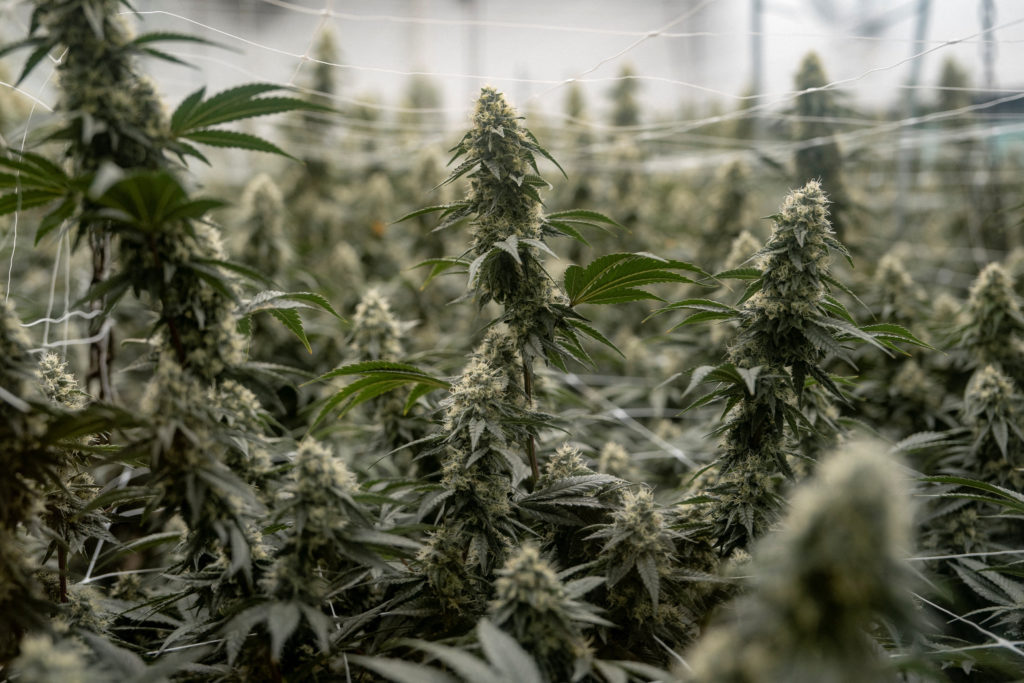
Trump reclassifies state-licensed medical marijuana as less-dangerous drug
President Trump has reclassified state-licensed medical marijuana as a less-dangerous drug, according to an order signed by Todd Blanche. This action changes how medical marijuana is regulated at the federal level, though it does not federally legalize its medical or recreational use. The reclassification could reduce federal penalties for some marijuana-related offenses and potentially ease research restrictions. This move marks a significant shift in federal drug policy concerning cannabis.
Key Facts
The Trump administration reclassified state-licensed medical marijuana as a 'less-dangerous drug.'
Source: AFP / France 24
This move shifts cannabis from Schedule I to Schedule III under the Controlled Substances Act.
Source: Google News - Top Stories
Acting Attorney General Todd Blanche signed the order, easing research barriers.
Source: The Hill
The reclassification is a major policy change for the $47 billion industry.
Source: Reuters US
President Trump also issued an executive order loosening research restrictions on psychedelic medicine.
Source: The Hill
Recent Highlights
President Trump signs an executive order to accelerate research into hallucinogens.
The Justice Department eases restrictions on certain marijuana products.
Acting Attorney General Todd Blanche signs the order for reclassification.
Trump administration reclassifies state-licensed medical marijuana as a 'less-dangerous drug'.
Full Coverage (14 articles)
What marijuana's reclassification means for public health and businesses
The federal government is reclassifying medical marijuana, moving it to a category that acknowledges its potential medical benefits and lower potential for harm. This action, reported by William Brangham, marks a significant shift in federal drug policy by recognizing cannabis's therapeutic uses. While this reclassification does not federally legalize marijuana nationwide, it is expected to facilitate increased scientific research into its effects. This change could have implications for public health understanding and for businesses operating in the cannabis industry.
US to loosen marijuana rules in major shift for $47 billion industry - Reuters
The United States is preparing to loosen marijuana rules, marking a significant policy change for the $47 billion industry. This move indicates a shift in federal drug classification, potentially re-evaluating cannabis's current Schedule I status under the Controlled Substances Act. Such a reclassification could reduce federal penalties and open new avenues for research and banking services for cannabis businesses. This action by the Trump administration would significantly impact states where marijuana is already legal for medical or recreational use.
Trump administration reclassifies medical marijuana as a 'less-dangerous drug'
The Trump administration reclassified state-licensed medical marijuana as a "less-dangerous drug" on Thursday, easing research barriers and granting tax relief. This action marks a significant shift in US cannabis policy, though it stops short of full federal legalization. The reclassification will likely facilitate new scientific studies into medical marijuana and provide financial benefits to state-licensed operations. This move could also signal a changing federal approach to cannabis, potentially influencing future legislative efforts.
What to know about Trump’s reclassification of state-licensed medical marijuana
Acting Attorney General Todd Blanche, under President Trump’s direction, signed an order on Thursday to reclassify state-licensed medical marijuana as a less-dangerous drug. This action represents a significant shift in U.S. policy regarding cannabis regulation. While the move does not federally legalize marijuana, it will impact how the drug is regulated in the numerous states that currently permit its use for medical purposes. This reclassification could reduce federal enforcement priorities and ease restrictions on research and medical access.
Trump reclassifies state-licensed medical marijuana as less-dangerous drug
President Trump has reclassified state-licensed medical marijuana as a less-dangerous drug, according to an order signed by Todd Blanche. This action changes how medical marijuana is regulated at the federal level, though it does not federally legalize its medical or recreational use. The reclassification could reduce federal penalties for some marijuana-related offenses and potentially ease research restrictions. This move marks a significant shift in federal drug policy concerning cannabis.
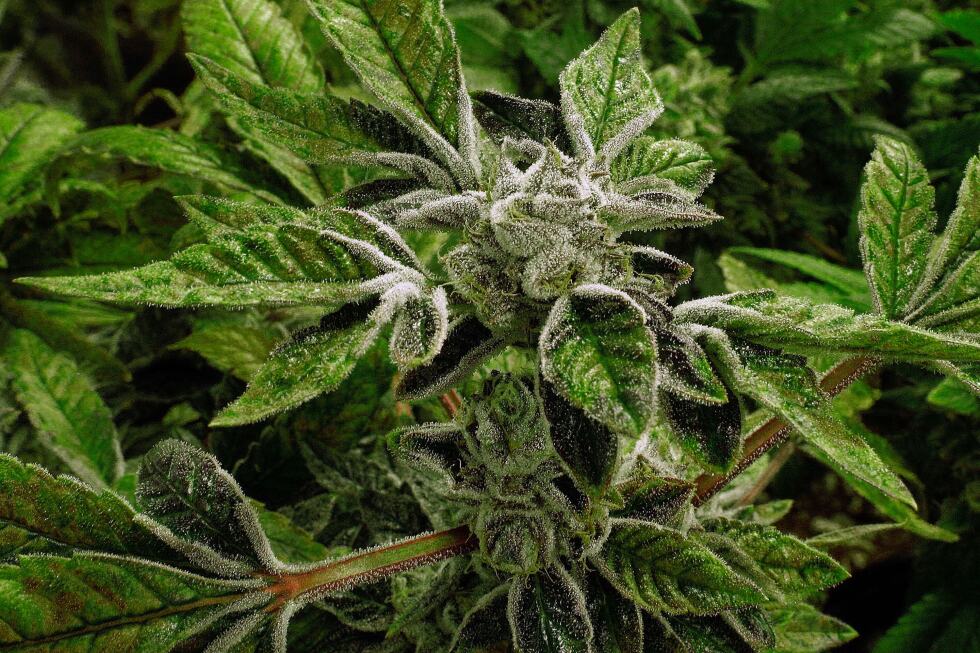
Trump reclassifies state-licensed medical marijuana as a less-dangerous drug in a historic shift - AP News
President Donald Trump has reclassified state-licensed medical marijuana as a less-dangerous drug. This action marks a historic shift in federal drug policy regarding cannabis. The reclassification could significantly alter how medical marijuana is regulated and researched at the federal level. It also impacts states where medical cannabis is currently legal, potentially easing conflicts between state and federal law. This move represents a major change in the federal government's stance on marijuana's medical utility.
US reclassifies cannabis, raising possibility of marijuana legalisation - BBC
The United States government has reclassified cannabis, moving it from Schedule I to Schedule III under the Controlled Substances Act. This administrative action acknowledges cannabis's accepted medical uses and lower potential for abuse compared to drugs like heroin. The reclassification significantly reduces federal restrictions on cannabis, potentially easing research and medical access. This change, initiated by the Department of Health and Human Services and approved by the Drug Enforcement Administration, could pave the way for broader state-level medical marijuana programs and impact federal banking and tax policies for cannabis businesses. While not outright federal legalization, it marks a historic shift in federal drug policy regarding marijuana.
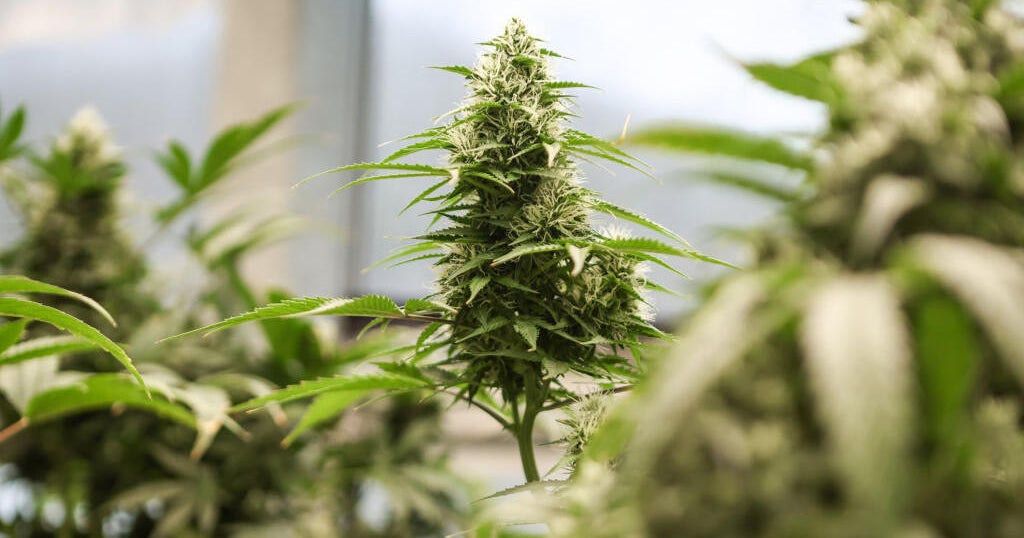
Justice Department eases restrictions on some marijuana products
The Justice Department has eased restrictions on certain marijuana products, reclassifying them to a lower drug classification. This order specifically applies to FDA-approved products containing marijuana and state-regulated medical marijuana products. This move could significantly alter how these specific cannabis products are regulated at the federal level. It represents a shift in federal drug policy regarding certain marijuana-derived substances and medical cannabis.

‘Can I have some, please?’: has Trump opened the door to a psychedelic future?
President Donald Trump signed a landmark executive order in the Oval Office to accelerate research into hallucinogens and increase access to them. The order, signed on "Bicycle Day," specifically mentioned the psychedelic ibogaine. This action is hailed as a "threshold moment" for the future of psychedelics, marking a significant shift in federal policy. However, concerns persist regarding how access will be managed and what protections will be put in place for individuals.
Trump administration reclassifies cannabis as less dangerous
The Trump administration reclassified cannabis, moving it into a category of drugs on par with Tylenol with codeine. This action aims to increase research into marijuana and expand access to the substance. The reclassification signifies a significant shift in federal drug policy regarding cannabis. This change could facilitate new medical applications and scientific studies by reducing regulatory hurdles. The move reflects an effort by the White House to address the evolving understanding of cannabis's potential benefits and risks.
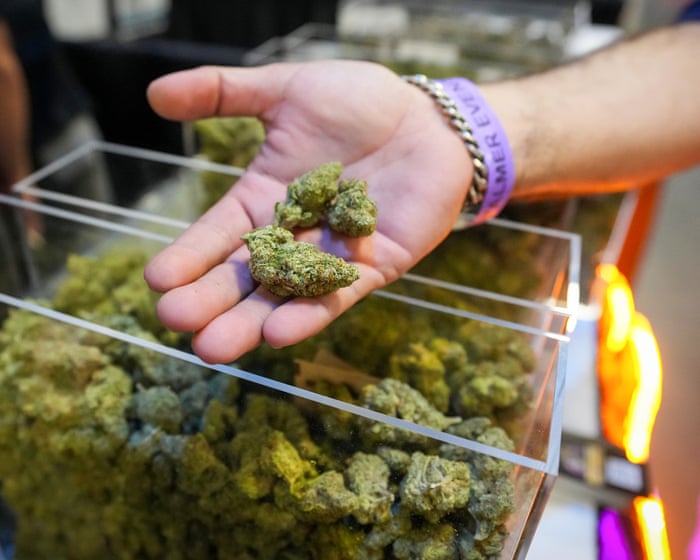
Trump administration moves to ease federal restrictions on marijuana
The Trump administration has moved to reclassify marijuana from schedule I to schedule III under the Controlled Substances Act. This action follows President Donald Trump's executive order, signed more than four months prior, directing the attorney general to initiate the change. Previously, marijuana shared the same schedule I classification as drugs like heroin and LSD, indicating a high potential for abuse and no accepted medical use. The reclassification to schedule III acknowledges some medical use and a lower potential for abuse, marking a significant shift in federal drug policy. This change could impact research, medical access, and federal enforcement related to cannabis.
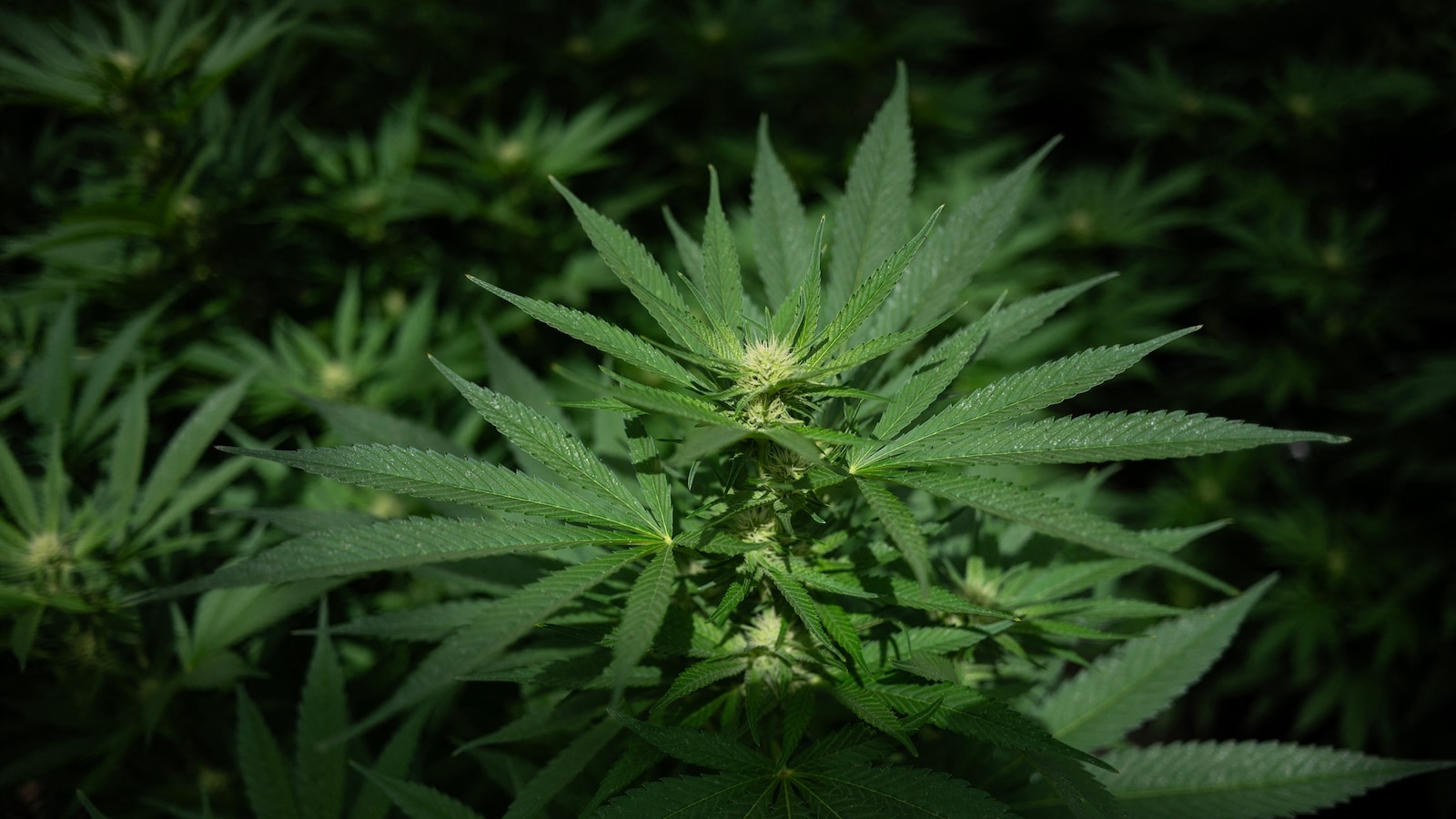
State-licensed medical marijuana reclassified as less dangerous drug
Acting Attorney General Todd Blanche signed an order on Thursday reclassifying state-licensed medical marijuana as a less dangerous drug. This action changes how the federal government views cannabis used for medical purposes under state licensing. The reclassification could reduce federal penalties for activities involving state-licensed medical marijuana and ease restrictions on research. This move by the Trump administration aligns federal policy more closely with states that have legalized medical cannabis.

Trump administration reclassifies state-licensed medical marijuana as less dangerous drug
Acting Attorney General Todd Blanche signed an order reclassifying state-licensed medical marijuana as a less dangerous drug on Thursday. This order shifts licensed medical marijuana from a high level of regulation to a much looser one. The reclassification also provides a tax break to licensed medical marijuana operators. This move by the Trump administration does not legalize marijuana but significantly alters its federal oversight.

Trump’s Rogan-inspired psychedelics order stokes cautious optimism
President Trump issued an executive order loosening research restrictions on psychedelic medicine. This action, reportedly initiated by a text from podcaster Joe Rogan to Trump, aims to legitimize an industry that has historically operated in the shadows. Advocates and researchers expressed cautious optimism about a potential shift in the government's approach to psychedelic drugs. The order suggests a new direction for federal policy regarding substances like psilocybin and MDMA, which are being studied for therapeutic uses. However, further government action may be required to fully realize the order's potential impact.