
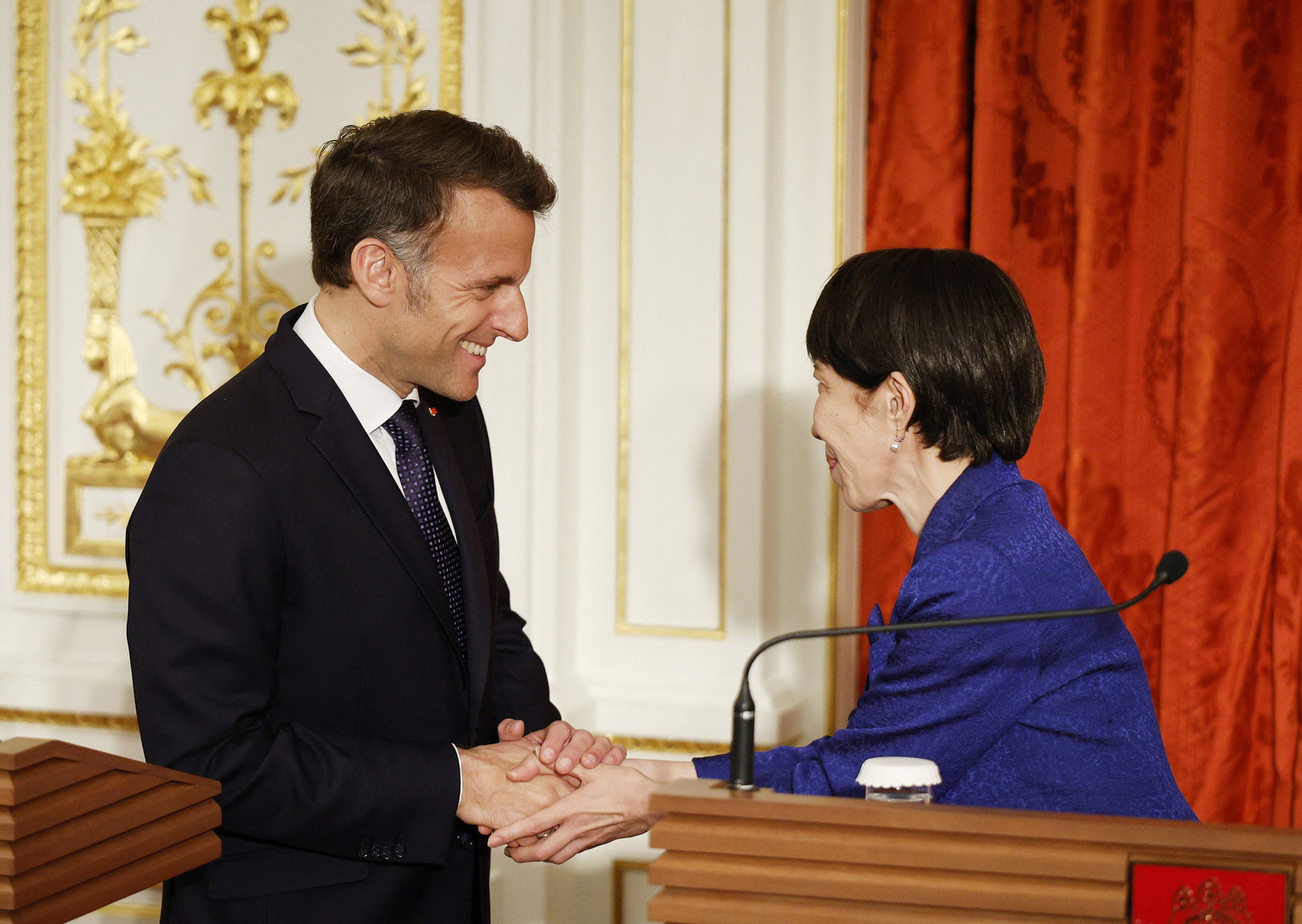
French President Macron visits Japan to discuss the energy crisis
Quick Insights
The Bottom Line
French President Macron visited Japan to discuss energy crisis response amid Middle East conflict.
AI Summary
French President Emmanuel Macron visited Tokyo to meet with Japan's Takaichi to discuss economic consequences stemming from tensions with Iran. The meeting appears focused on how geopolitical friction with Iran is affecting energy markets and economic stability, issues critical to both France and Japan given their reliance on global energy supplies. Franco-Japanese coordination on Iran-related economic challenges reflects broader efforts by Western and allied nations to manage the fallout from escalating Middle Eastern tensions. Such high-level diplomatic engagement typically signals alignment on sanctions enforcement, energy security strategy, or efforts to limit Iran's economic influence.
What's Being Done
Macron held discussions with Japanese officials on energy security coordination.
This article is part of a story we're tracking:
Should this be getting more attention?
You Might Have Missed
Related stories from different sources and perspectives
German leader raises prospect of many Syrians returning home as the country's president visits - AP News
<a href="https://news.google.com/rss/articles/CBMinwFBVV95cUxQdjV5bHZrTFZXVFhBOE92ZUlrRXBjNjl0VHh3LTJ6Y1lyUVB4dTFrX0Vic0pldHFVVGZCellZbElZVjJWaDZ3cGhYV3MwUjd2aGlRYUlzMXptSWJCRWJTS2dkNGpjRjBkN19aYTE5S3FQZ212ZEd1c3JPMTFkSllLdVdicUg0VGxvenZxQ29Ea0dmNTJzQ0dReF9RYjczNnM?oc=5" target="_blank">German leader raises prospect of many Syrians returning home as the country's president visits</a> <font color="#6f6f6f">AP News</font>
 Health
When jail becomes home: Japan's elderly seek refuge behind bars
Japan’s demographic crisis is playing out even behind bars. The number of elderly inmates has quadrupled over the past 20 years. Around a fifth of people over 65 live below the poverty line, struggling to make ends meet. Some go to extraordinary lengths to improve their circumstances, deliberately getting caught shoplifting in the hope of landing in prison. There, they can access a secure place to live, proper meals, and medical care – basic necessities often denied to them outside. A report by Ayana Nishikawa, Alexis Bregere and Justin McCurry.
 Environment
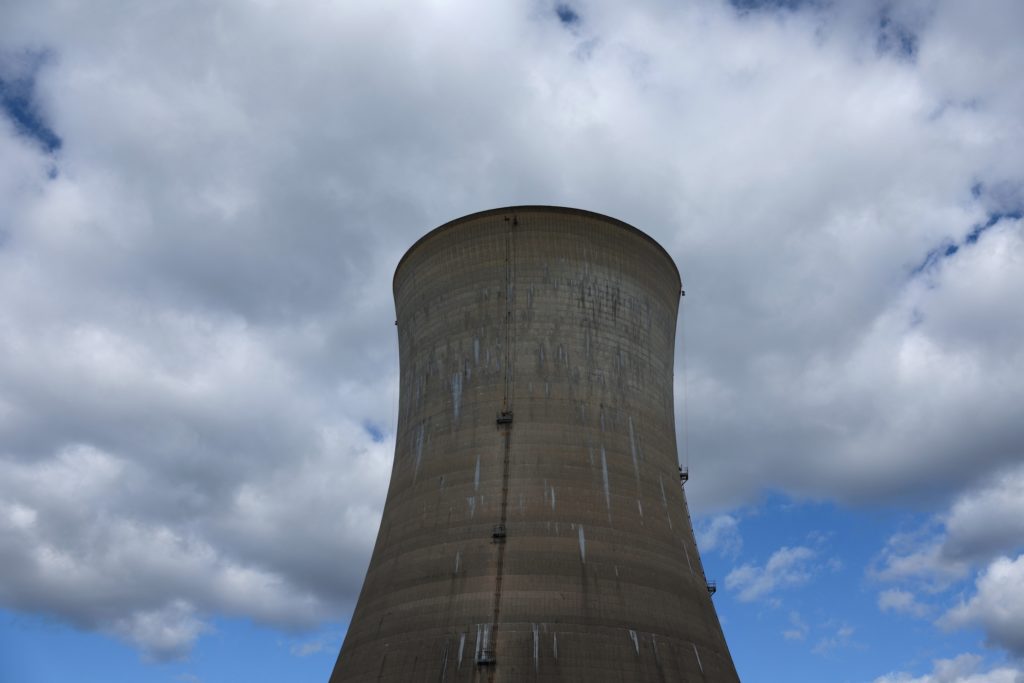
How next-gen nuclear could help meet energy demands – and the risks involved
The Trump administration has rolled back support for many forms of clean energy. One exception is nuclear power. The president wants to quadruple U.S. nuclear capacity by 2050, and a new generation of advanced reactors in development could signal the dawn of a new nuclear age. Paul Solman reports for our series, Tipping Point.
 Global
French court denies extradition of ex-Tunisian President Ben Ali’s daughter
Paris said its ruling was based on Tunis not responding to a request for guarantees of a trial by an independent court.
 Politics
Democrats warn of dire humanitarian crisis in Cuba under Trump’s blockade
Dozens of congressional Democrats sent a letter to President Trump on Thursday raising urgent alarm over an escalating humanitarian crisis in Cuba that has been made worse, they said, by the administration’s fuel quarantine against the island. The letter, obtained exclusively by The Hill, was signed by 52 House and Senate Democrats and led by Rep. Gregory…
 Politics
Castro Heirs Emerge Across Cuba’s Political Scene Amid Energy Crisis and Trump Threats
As Trump officials demand changes, Castro family members are suddenly popping up across Cuba’s political scene. Some even ask: Could one be the “Cuban Delcy?”

Trump: U.S. will bomb Iran "back to stone ages" over next 2-3 weeks
<p>President Trump said in a prime time address that the U.S. was close to ending its war in <a href="https://www.axios.com/world/iran" target="_blank">Iran</a> but would spend the next two to three weeks bombing the country "back to the stone ages."</p><p><strong>The big picture:</strong> Trump said that if a deal to end the war cannot be reached, the U.S. would bomb all of Iran's power plants and its <a href="https://www.axios.com/energy-climate/oil-companies" target="_blank">oil </a>fields, moves that would have devastating consequences for Iran's civilian population and the future of the country, while likely inciting retaliation on America's allies in the region.</p><hr><ul><li>The threat is likely in part an attempt to convince Iran's leaders to agree to a deal. </li><li>The U.S. has told <a href="https://www.axios.com/world/iran" target="_blank">Iran</a>, through mediators, that it is interested in a ceasefire in exchange for the reopening of the Strait of Hormuz.</li><li>But...
Did this story change how you see things?
Stories like this only matter when people see them. Help us get verified journalism in front of more eyes.
The Verity Ledger curates verified investigative journalism from trusted sources only.
See our sourcesMost Read This Week
'The gravest crime against humanity': What does the UN vote on slavery mean?

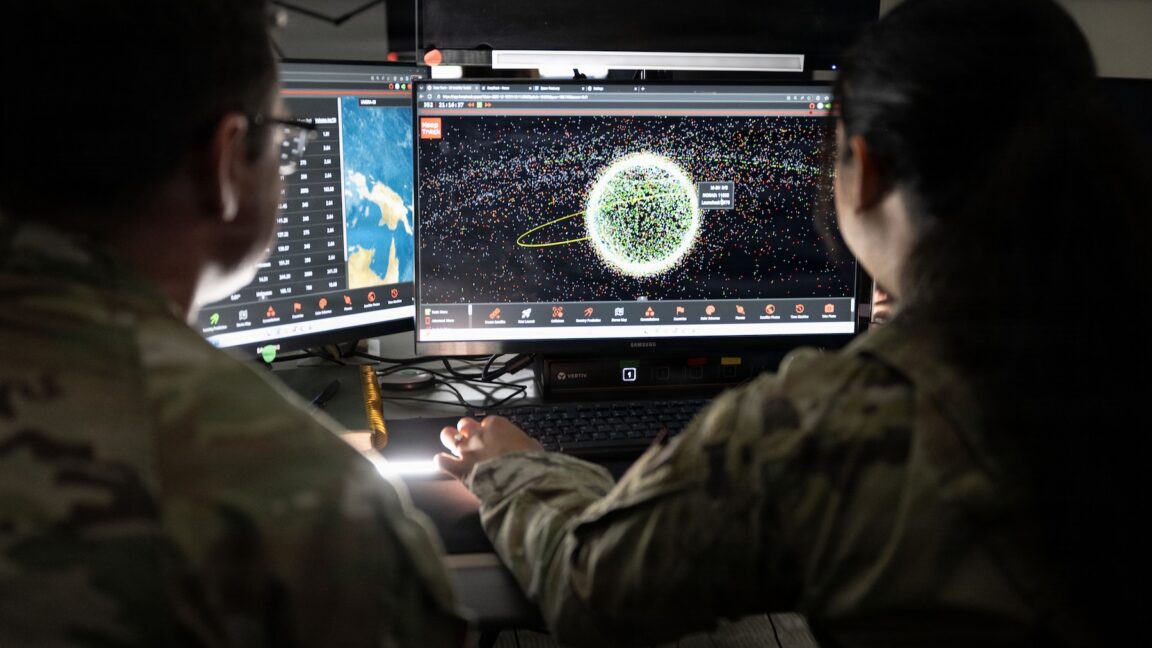
After 16 years and $8 billion, the military's new GPS software still doesn't work
US paves way for private assets to be included in 401(k) retirement plans - Reuters

The Justice Department plans to share sensitive voter data with Homeland Security

Secret Service agent assigned to Jill Biden accidentally shoots himself in leg at airport - AP News