

Global Food Supply Faces a Dangerous Bottleneck as Iran War Persists
Quick Insights
The Bottom Line
Middle East conflict is driving fertilizer price increases, threatening global food supplies.
How This Affects You
Food prices at your grocery store could rise as fertilizer costs climb due to Middle East supply disruptions affecting crop production worldwide.
AI Summary
Fertilizer prices are rising due to disruptions in the Middle East stemming from the Iran conflict, threatening global food production capacity. Iran and regional allies are major producers of phosphate and potash—key components in fertilizers—and supply chain interruptions are driving up costs for agricultural markets worldwide. Higher fertilizer prices directly increase farming expenses, which typically gets passed to consumers through elevated food costs and could reduce crop yields if farmers cut back on fertilizer use. The disruption affects food-importing nations that depend on affordable fertilizer to maintain domestic production, particularly developing countries with limited purchasing power. A sustained conflict could create a cascading crisis: tighter global grain supplies, food inflation, and potential shortages in vulnerable regions.
Source Coverage Map
13 of 43 tracked sources covered this story
Following this story?
Get notified when new coverage appears
Other Sources Covering This Story
5 sourcesMultiple outlets have reported on this story. Compare perspectives from different sources.





Global Food Supply Faces a Dangerous Bottleneck as Iran War Persists - The New York Times
This article is part of a story we're tracking:
Economy & Markets
Monitoring the US and global economy including inflation, employment, Federal Reserve policy, trade tensions, market volatility, housing affordability, and the financial pressures facing American households.
Iran & Middle East Conflict
Tracking the evolving military and diplomatic situation across the Middle East, including US-Iran tensions, Israeli operations, proxy conflicts, and the broader geopolitical implications for the region.
Should this be getting more attention?
You Might Have Missed
Related stories from different sources and perspectives
 Global
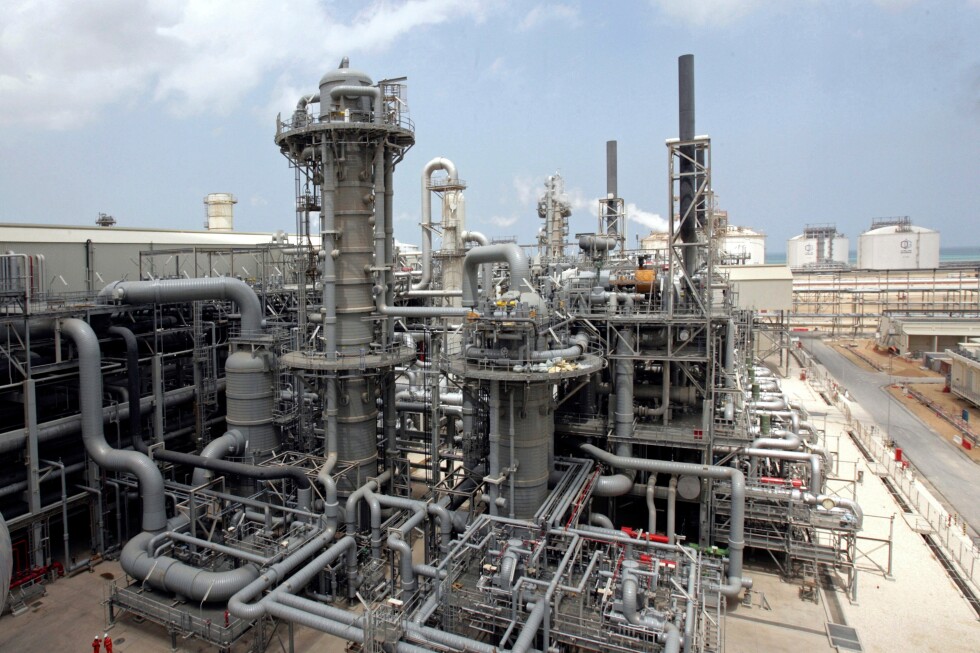
Iran war halts Qatar helium output, threatening global tech supply chains - AP News
<a href="https://news.google.com/rss/articles/CBMipgFBVV95cUxPMnQ4RTlUNUxyMmJwZUNQVXRPam9SMjc4cF9kRmx3RFJqaEV0c3kya0ZDVlF5SUJXQkQydVJLLThORHlnQW9rbV82Q2FMMjFNV01IZnZscTg3RW9RRTNsQ2hjdUlMSjYyTjk3R19BRFZmdXhXRXNhc21QSFZfN1R5R0g3Z1AxclJXRXQ4RGo5eDBxU1o5WVlKeXFQd2VMVEFuclVTUVRB?oc=5" target="_blank">Iran war halts Qatar helium output, threatening global tech supply chains</a> <font color="#6f6f6f">AP News</font>
 Global
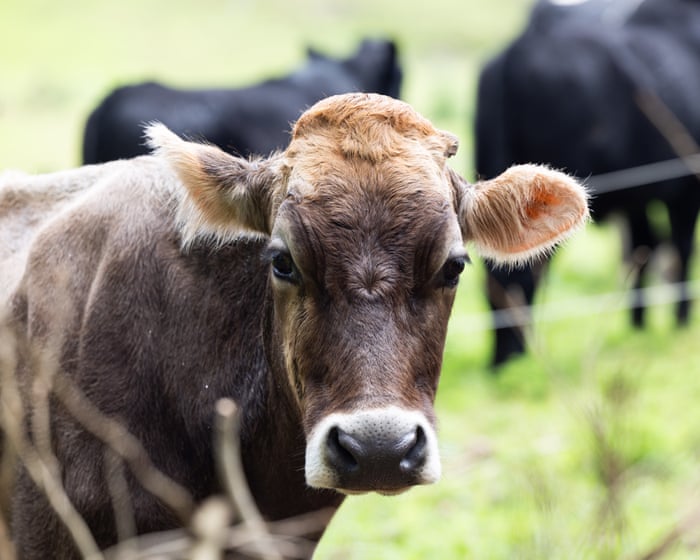
‘Makes Covid look like a tea party’: Australian food prices could rise for the next year, farmers warn
<p>Iran conflict could see shortages not just in fuel, but fertiliser and fossil fuel resins – used to make milk bottles</p><ul><li><p>Get our <a href="https://www.theguardian.com/email-newsletters?CMP=cvau_sfl">breaking news email</a>, <a href="https://app.adjust.com/w4u7jx3">free app</a> or <a href="https://www.theguardian.com/australia-news/series/full-story?CMP=cvau_sfl">daily news podcast</a></p></li></ul><p>Farmers say Australian consumers could pay more for everyday staples for the next year at least as a result of the US-Israel war on Iran.</p><p>But the CEO of dairy farmer cooperative Norco, Michael Hampson, says a six to 12 month disruption to food supply is likely a best-case scenario, depending on the <a href="https://www.theguardian.com/world/2026/mar/24/middle-east-violence-trump-claims-very-good-talks-iran">strait of Hormuz reopening</a> soon and global petrochemical supply chains beginning to stabilise.</p> <a href="https://www.theguardian.com/australia-news/2026/mar...
 Finance
Iran war starts to hit global economy, business surveys show - Reuters
<a href="https://news.google.com/rss/articles/CBMisAFBVV95cUxNTjhPUlBHc0VJZkVoRlg2Q0lyTmpSUHB1azRGaGpPdUZSX29YYTN3MXJsN0lKSmNIV3ZzUXgxSENaQ3U5V2tnd0wwLW1Qd1lMU2dqR0NYZTdlOFBmNVBMbEJfTTJCaU84dklSWkFNZnoxdUNXZjRPOVBOdE94RldfcFBDUm05WHQ4WFI1T1NlR0tfMW1MbDJtNlIwZVNwLW16MzRxNWtSUW9pcXpTS25jQg?oc=5" target="_blank">Iran war starts to hit global economy, business surveys show</a> <font color="#6f6f6f">Reuters</font>
 Global
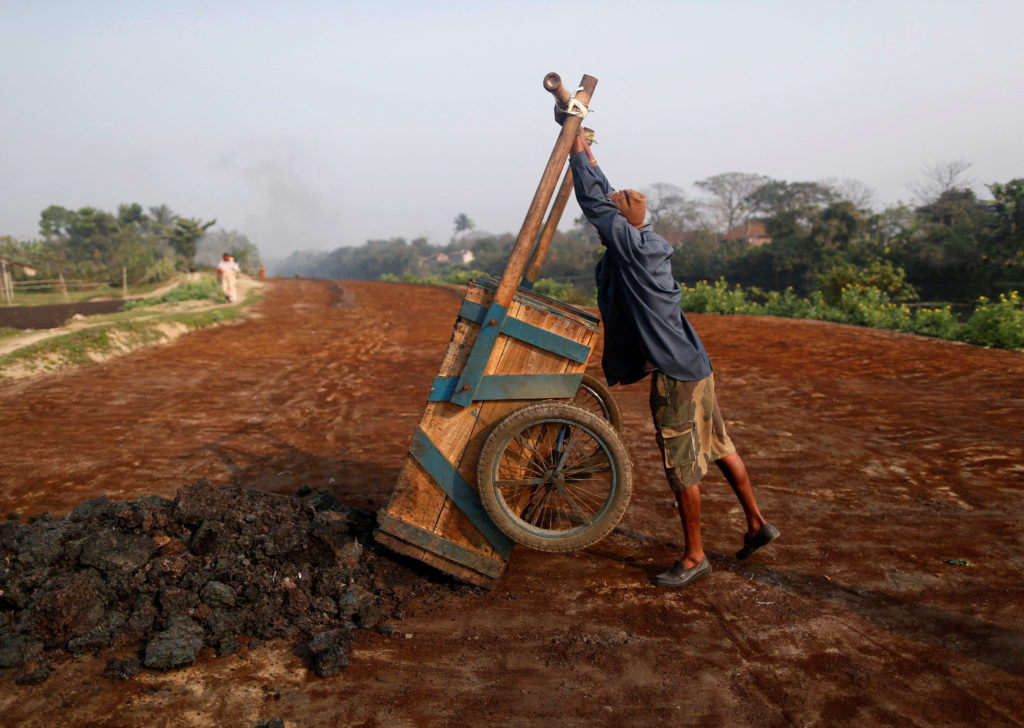
'The planting season is now,' but war in Iran has sparked a global fertilizer shortage
The fertilizer shortage is putting the livelihood of farmers in developing countries — already troubled by rising temperatures and erratic weather systems — further at risk, and could lead to people everywhere paying more for food.
 Global
Nigeria's Dangote refinery increases exports as Middle East war shakes global markets
Nigeria's Dangote Petroleum Refinery has stepped up gasoline exports across Africa as disruptions to energy flows due to the Iran conflict squeeze traditional fuel supply routes, curbing the cheap imports that long dominated West African markets. As the Strait of Hormuz remains closed, the refinery could also see a surge in European demand, especially for jet fuel. FRANCE 24's Clemence Waller has more.
 Finance
War with Iran disrupts fertilizer exports as U.S. farmers prepare for planting season
Gulf states are major fertilizer producers, and the war with Iran has triggered a 25% price hike just as struggling U.S. farmers are planting corn.

Trump extends pause on Iran energy sites, claims Iranians eager for peace deal
The U.S. will extend its pause on strikes on Iranian energy plants by roughly an additional 10 days, at the request of the Iranian government, President Trump announced. Ed O'Keefe has the latest.
Did this story change how you see things?
Stories like this only matter when people see them. Help us get verified journalism in front of more eyes.
The Verity Ledger curates verified investigative journalism from trusted sources only.
See our sourcesMost Read This Week
Fentanyl found inside Barbies sold at Missouri discount store, police say

Senate deal reached to cap insulin costs

The West's historic snow drought could bring water shortages, wildfires
Washington ignores America's fiscal cliff
Iran built a vast camera network to control dissent. Israel used it to track targets, AP sources say