
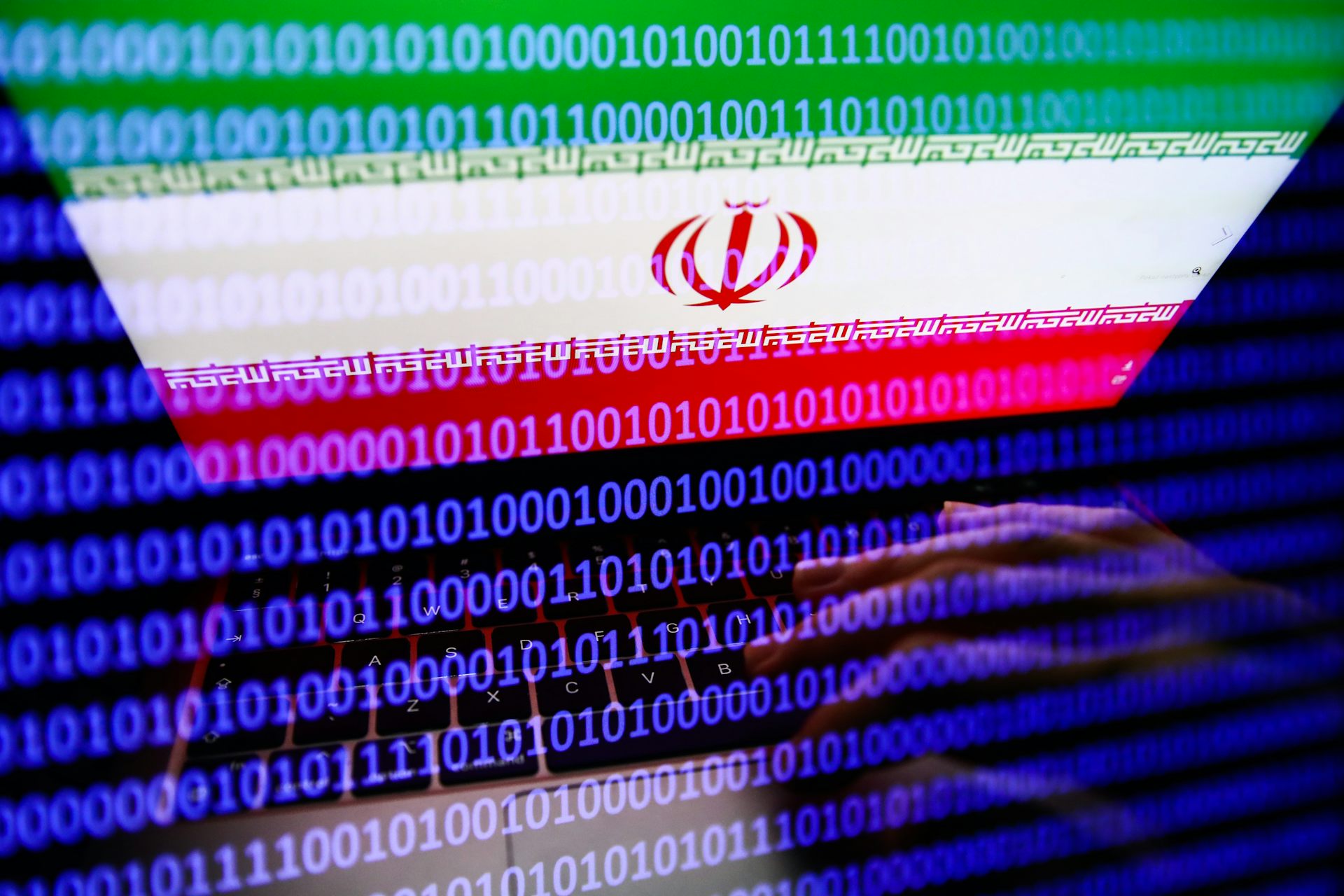
How Iranian hackers pose a threat to US critical infrastructure
Quick Insights
The Bottom Line
Iranian-linked hackers disrupted a major U.S. medical device manufacturer, showing how geopolitical conflicts threaten critical healthcare infrastructure.
How This Affects You
Hospital supply chains and medical device availability could be disrupted if cyberattacks on manufacturers like Stryker continue, potentially affecting your access to medical care.
AI Summary
An Iran-linked hacking group called Handala claimed responsibility for a March 11, 2026 cyberattack on Stryker Corp., a medical device maker based in Portage, Michigan, saying the operation was retaliation for events related to the U.S./Israel-Iran conflict. The attack disrupted Stryker's Microsoft software systems, affecting order processing, manufacturing and shipping operations. The incident illustrates how state-sponsored cyber operations can quickly translate regional geopolitical tensions into disruption for U.S. organizations far from the battlefield, including those integral to critical infrastructure. U.S. agencies including the Cybersecurity and Infrastructure Security Agency have responded by publishing advisories and urging organizations to heighten vigilance, while Congress has mandated faster incident reporting—cyber incidents within 72 hours and ransomware payments within 24 hours. The attack underscores a strategic reality: attackers often prioritize gaining persistent access and building leverage over immediate destruction, creating ongoing vulnerability for downstream suppliers that support hospitals, transit systems and other essential services.
What's Being Done
CISA published advisories and urged heightened vigilance; Congress mandated faster incident reporting within 72 hours for cyber incidents and 24 hours for ransomware payments.
Following this story?
Get notified when new coverage appears
Should this be getting more attention?
You Might Have Missed
Related stories from different sources and perspectives
 Civil Rights
‘Transnational repression’: Iranian diaspora faces harassment, death threats, pressure on families
Oliver Farry is pleased to welcome Dr. Roya Boroumand, Co-Founder and Executive Director of the Abdorrahman Boroumand Center for Human Rights in Iran. According to Dr. Boroumand, Iran's transnational repression began in the aftermath of the 1979 revolution. Over time, this strategy has adapted, becoming more technologically mediated, and more globally embedded. It serves multiple functions for the Iranian state: it silences dissent beyond its borders, deters political engagement within diaspora communities, and reinforces the regime’s narrative of legitimacy.
 National Security
North Korean hackers implicated in major supply chain attack
<p>Suspected <a href="https://www.axios.com/world/north-korea" target="_blank">North Korean hackers</a> are believed to be behind an ongoing compromise of the widely used open-source package Axios, which is downloaded millions of times per week, researchers at Google said Tuesday.</p><p><strong>Why it matters:</strong> Hackers briefly turned a widely trusted developer tool into a vehicle for credential-stealing malware that could give attackers ongoing access to infected systems.</p><hr><ul><li>Axios, a widely used JavaScript library for making HTTP requests, is not affiliated with Axios Media.</li></ul><p><strong>Driving the news</strong>: Researchers at Google linked the activity to a North Korean group tracked as <a href="https://cloud.google.com/blog/topics/threat-intelligence/unc1069-targets-cryptocurrency-ai-social-engineering?e=48754805" target="_blank">UNC1069</a>, which has previously targeted cryptocurrency and decentralized finance companies.</p><ul><li>Earlier this week,...
 National Security
How sea mines threaten global trade, and how navies detect them
The Iranian government uses the threat of sea mines to control access to the Strait of Hormuz, a narrow sea lane that is vital to the global economy.
 National Security
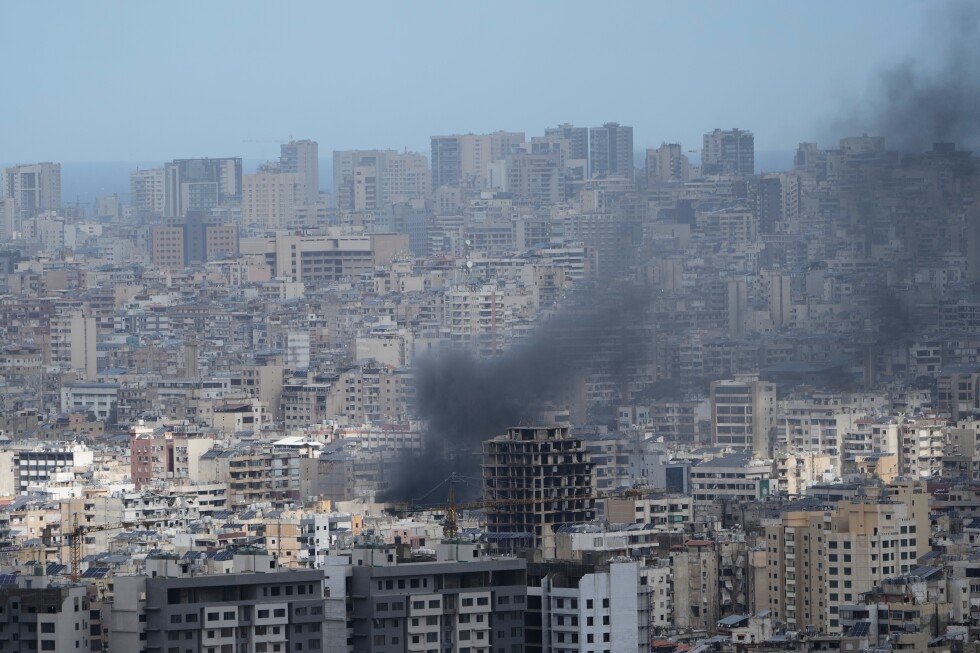
Fire seen near Israeli oil refinery after Iranian missile attack - AP News
<a href="https://news.google.com/rss/articles/CBMipAFBVV95cUxQODlQQTN0QkFJamxJVnBkeHFGSWhHWk1xMXl6Nkhfa2tqazRvUjNCcXBWWVBZVnJfckRHZ01idUpFS1RHYUlfNWRWaldScUtjWnRjbVhkTjNkWEwtWFhGV0w2ZDNJbFFjVzIwYnNPNWNEOFlMeTZrSXRMc19EcDNHV3pLcElSVlgxOHpGcEJLdElCdC1MNHViX1RFQ2dKMGtwZWNwXw?oc=5" target="_blank">Trump mulls seizing Iranian island even as diplomatic talks appear to be moving ahead</a> <font color="#6f6f6f">AP News</font>
 National Security
News Wrap: Pro-Iranian group claims it hacked Kash Patel's email account
In our news wrap Friday, a pro-Iranian and pro-Palestinian hacking group claims it breached an email account belonging to FBI Director Kash Patel, lawyers representing Fulton County asked a federal court to order the FBI to return 2020 election ballots and records seized in a January raid and stocks closed out their worst week since the Iran war began, the fifth straight losing week.
 National Security
Inside the Iranian missile attack (2021) | 60 Minutes Archive
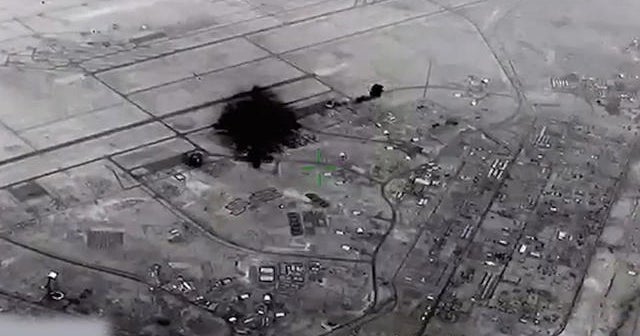
In 2021, CBS News national security correspondent David Martin reported on the ballistic missile attack Iran had launched against U.S. troops in retaliation for the killing of Iranian General Qassem Soleimani in 2020.

Why We Went Looking for National Defense Areas Along the U.S. Southern Border
The post Why We Went Looking for National Defense Areas Along the U.S. Southern Border appeared first on ProPublica .
Did this story change how you see things?
Stories like this only matter when people see them. Help us get verified journalism in front of more eyes.
The Verity Ledger curates verified investigative journalism from trusted sources only.
See our sourcesMost Read This Week
'The gravest crime against humanity': What does the UN vote on slavery mean?

After 16 years and $8 billion, the military's new GPS software still doesn't work
US paves way for private assets to be included in 401(k) retirement plans - Reuters

The Justice Department plans to share sensitive voter data with Homeland Security
Secret Service agent assigned to Jill Biden accidentally shoots himself in leg at airport - AP News