

How will NASA get the Artemis II crew safely back on Earth? Here's the science behind splashdown
Quick Insights
The Bottom Line
NASA is detailing the science behind the Artemis II crew's safe return to Earth via splashdown.
AI Summary
NASA is detailing the science behind how the Artemis II crew will safely return to Earth via splashdown. This process involves the spacecraft hurtling through the atmosphere at supersonic speeds and reaching temperatures in the thousands of degrees. Despite these extreme conditions, NASA has successfully executed splashdowns for decades. This method is critical for the safe recovery of astronauts after their mission.
Source Coverage Map
11 of 43 tracked sources covered this story
Following this story?
Get notified when new coverage appears
Other Sources Covering This Story
5 sourcesMultiple outlets have reported on this story. Compare perspectives from different sources.


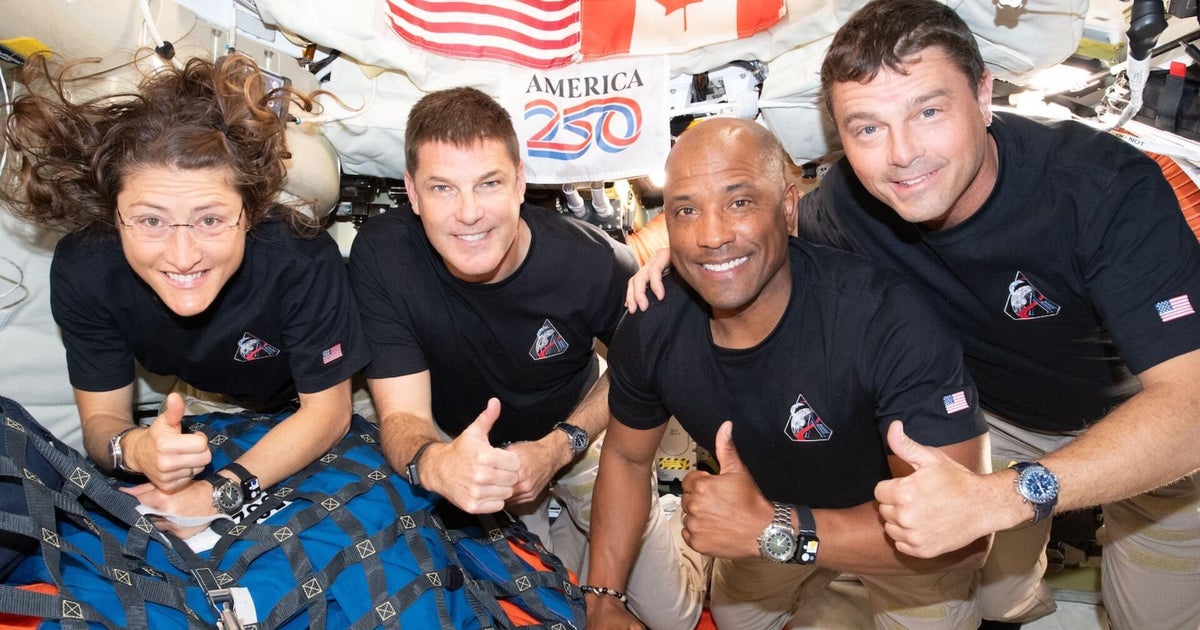
How and When to Watch NASA’s Artemis II Splash Down in Pacific Ocean - The New York Times


This article is part of a story we're tracking:
Artemis II Mission Nears Earth Splashdown
NASA's Artemis II crew is returning to Earth for a splashdown landing in the Pacific Ocean, marking the conclusion of their historic moon mission. Preparations are underway for the fiery reentry and safe recovery of the four astronauts.
Artemis II Mission Concludes with Pacific Ocean Splashdown
NASA's Artemis II mission is successfully concluding with its crew returning to Earth via a splashdown in the Pacific Ocean. This marks a significant milestone in the mission's lunar flyby, with the public and scientists closely following the final stages.
Artemis II Mission Returns to Earth
The Artemis II crew is successfully returning to Earth after a historic lunar flyby mission. Preparations are underway for their splashdown in the Pacific Ocean, marking the conclusion of a significant step in human space exploration.
Should this be getting more attention?
You Might Have Missed
Related stories from different sources and perspectives
 Technology
NASA's Artemis II: conspiracy theories take off about ‘staged’ green screen
NASA’s Artemis II is set to return to Earth on Friday, after its astronauts travelled further from Earth than any humans before. But the historic lunar flyby also inflamed conspiracy theories online about a “staged” mission, and triggered a wave of fake viral AI videos.
 Technology
Artemis II's grand moon finale is almost here with a Pacific splashdown to cap NASA's lunar comeback - AP News
<a href="https://news.google.com/rss/articles/CBMioAFBVV95cUxQVy14Yk55T1BZN2QtX2R4YUdNY3RLM1M3aWxtbkYxUHh0OFAzd0ZISHNZYmZDZmV6Q3FrX20yQVg0MjJUcDVyVmZTNW0xR294VW0xdElGWGd5YTdJbHFraU1tVEI1UU9zR1Mtamp4NENnRTNSS3RSbHlCQnJCTldzcEVRazJ5YzVzMFVIOUxram94czdvOXdGbDFRLWtjVWtG?oc=5" target="_blank">Artemis II's grand moon finale is almost here with a Pacific splashdown to cap NASA's lunar comeback</a> <font color="#6f6f6f">AP News</font>
 Technology
WATCH: Former astronaut on readjusting to life on Earth
Retired NASA astronaut Susan Kilrain explains what the Artemis II crew will experience after reentry.
 Technology
With Orion still flying, NASA is nearing key decisions about Artemis III
 Politics
NASA administrator defends Trump’s proposed budget cuts
NASA Administrator Jared Isaacman on Sunday backed the Trump administration’s proposed budget cuts to his agency, as the Artemis II mission continues. “Yes, of course I do,” Isaacman said on CNN’s “State of the Union,” when host Jake Tapper asked whether he supported the administration’s proposed budget cuts for fiscal 2027. On Friday, the Office…
 Technology
What new images of the moon tell NASA
The Artemis II astronauts are testing out some systems inside the capsule ahead of their planned splashdown off the coast of San Diego on Friday. CBS News' Mark Strassmann has more from the Johnson Space Center in Houston.

First man convicted under Take It Down Act kept making AI nudes after arrest
Did this story change how you see things?
Stories like this only matter when people see them. Help us get verified journalism in front of more eyes.
The Verity Ledger curates verified investigative journalism from trusted sources only.
See our sourcesMost Read This Week
Over-the-counter medication abortion? These researchers say it would be safe

Supreme Court returns state-secrets privilege case to lower court

US Democratic lawmakers visit Cuba, call on Trump to "bring the rhetoric down" - Reuters

She paid into Medicare for years. Trump's immigration policy will end her coverage

Iran live updates: IRGC says Strait of Hormuz will 'never' revert to pre-war state