
International shipping 'chaos' as Strait of Hormuz closure sends ripple effects across the globe
Quick Insights
The Bottom Line
Iran's closure of the Strait of Hormuz is disrupting global shipping routes and affecting supply chains worldwide.
How This Affects You
Disruptions to the Strait of Hormuz can increase shipping costs for imported goods, potentially raising consumer prices for products transported through this critical global trade route.
AI Summary
Iran's closure of the Strait of Hormuz, a critical chokepoint through which roughly 5% of global maritime cargo flows, is disrupting international shipping and trade routes worldwide. Though the strait represents a relatively small percentage of total ocean traffic, its strategic importance means that alternative routing adds significant time and cost to shipments, amplifying the disruption across global supply chains. The blockage is creating what analysts describe as "chaos" in international commerce, affecting goods movement across multiple continents and economic sectors. With approximately 90% of global goods transported by sea, even partial disruption of key passages creates cascading effects throughout interconnected trade networks. The situation underscores how choke points in maritime infrastructure can trigger widespread economic consequences far beyond the immediate region.
Source Coverage Map
24 of 43 tracked sources covered this story
Following this story?
Get notified when new coverage appears
Other Sources Covering This Story
5 sourcesMultiple outlets have reported on this story. Compare perspectives from different sources.
Iran strikes a major Qatari plant after prior warning of an attack, and sends oil and gas prices surging - Business Insider
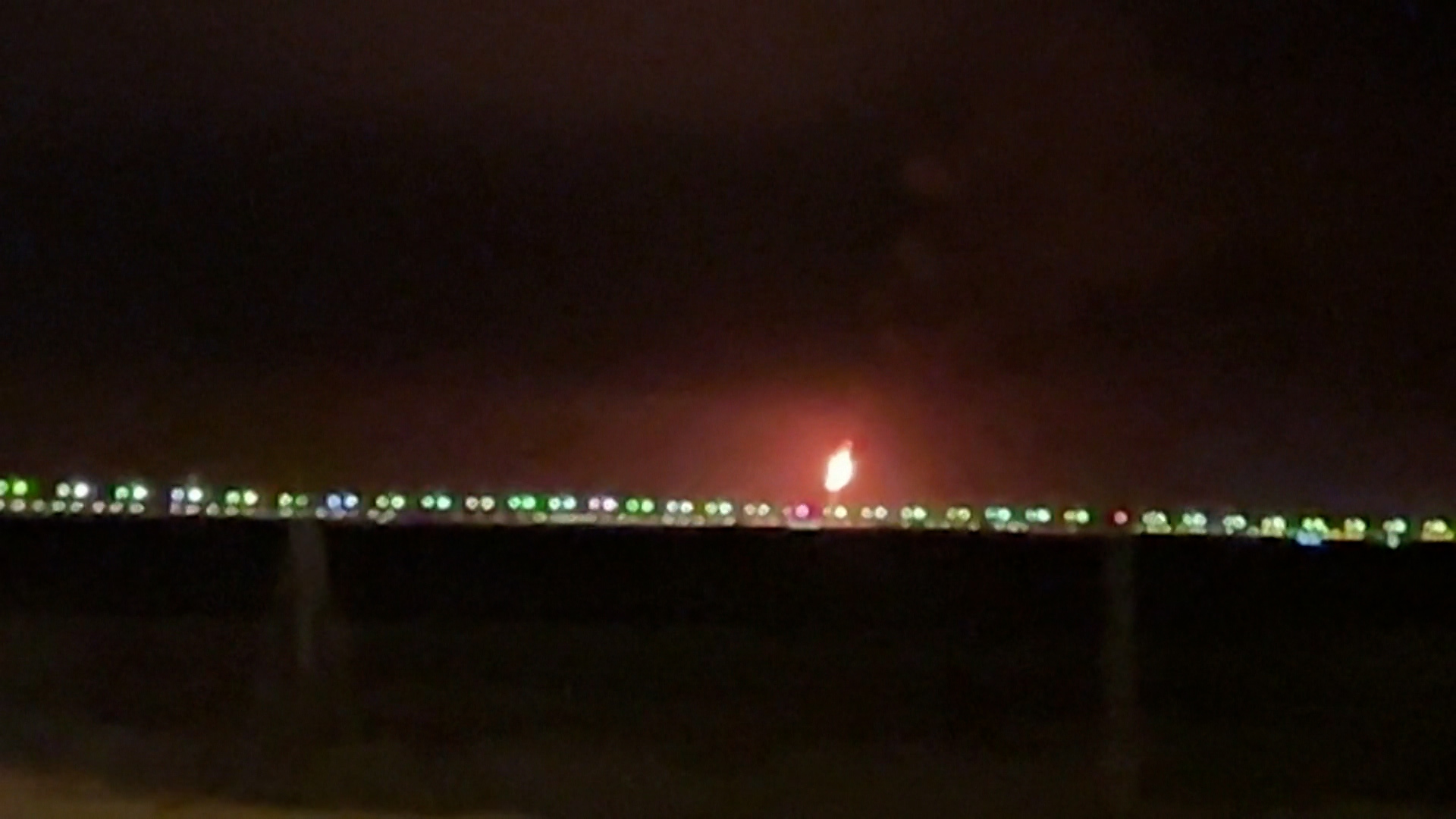
Iran hits back at multiple Gulf refineries after Israeli strike on its offshore gas field - AP News
Iran Warns Gulf of Fierce Retaliation After Gas Field Strike - Bloomberg.com

Live: Trump threatens to 'blow up' major Iran gas field if strikes on Gulf energy sites continue
This article is part of a story we're tracking:
Economy & Markets
Monitoring the US and global economy including inflation, employment, Federal Reserve policy, trade tensions, market volatility, housing affordability, and the financial pressures facing American households.
Global Power Shifts
Tracking the changing dynamics of global power, including US-China competition, Russia's geopolitical moves, shifting alliances, NATO developments, and the emergence of new power blocs reshaping the international order.
Should this be getting more attention?
You Might Have Missed
Related stories from different sources and perspectives
 Global
Trump seeks to delay China visit as Beijing rebuffs Hormuz demands
US President Donald Trump on Monday said he is seeking to delay a highly anticipated trip to China in early April by about a month because of the Iran war. It comes after Trump called on numerous nations, including China, to help ships safely transit the Strait of Hormuz, a request that so far has largely been rebuffed.
 AI & Warfare
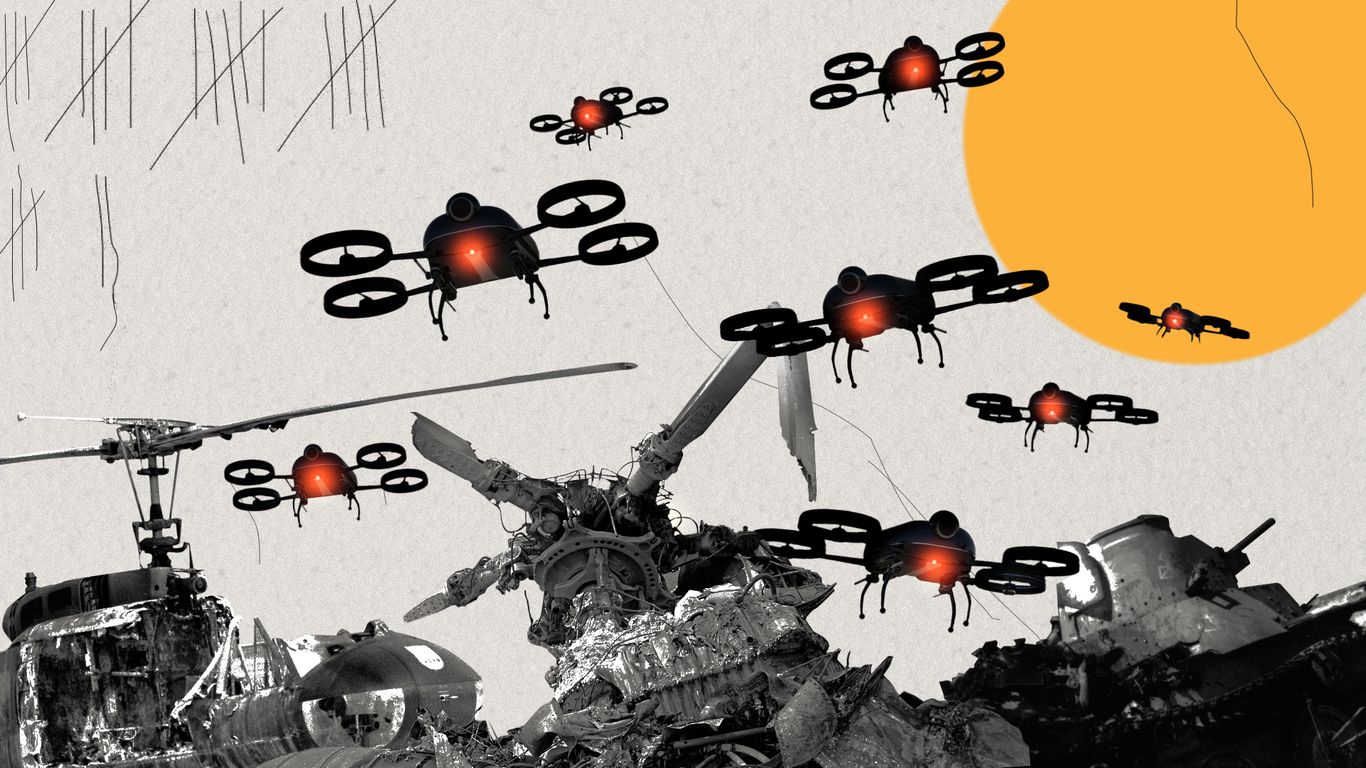
Cheap drones transform global battlefield
<p>Cheap, mass-produced <a href="https://www.axios.com/2026/02/18/drone-dominance-gauntlet-pentagon-production" target="_blank">drones</a> have permanently changed the face of warfare.</p><ul><li>Without them, Russia's overwhelming manpower and firepower advantage would grind Ukraine into dust.</li><li>Without them, the Houthis are a ragtag militia in Yemen — not a force that brought <a href="https://www.axios.com/2024/06/15/yemen-houthi-rebels-red-sea-international-trade" target="_blank">global shipping</a> to its knees.</li><li>Without them, a sanctioned, isolated Iran couldn't inflict nearly as much damage to the most powerful military in world history.</li></ul><p><strong>Why it matters: </strong>Size no longer guarantees victory. Any nation, any proxy, any rebel group with access to cash and commercial components can now bleed a superpower slowly, expensively and without a clean answer.</p><hr><p><strong>Driving the news: </strong>Iran's Shahed drone — said to cost between $20,...
How risky would it be to escort ships through the Strait of Hormuz?
Military and naval experts say the escort plan faces several formidable challenges.
 Global
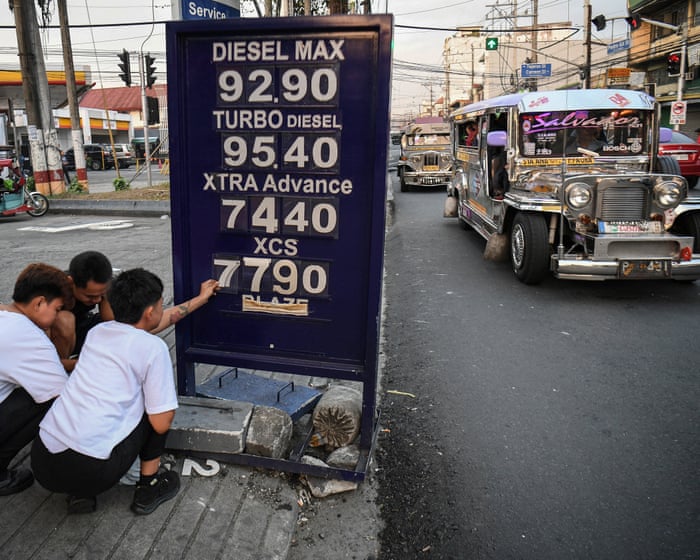
Fuel rations and no air con: south-east Asian nations race to conserve energy
<p>Governments in countries heavily reliant on Middle Eastern oil introduce measures to shield public from soaring costs</p><ul><li><p><a href="https://www.theguardian.com/world/live/2026/mar/17/iran-war-live-updates-news-israel-trump-strikes-us-embassy-baghdad-strait-of-hormuz-middle-east-latest">Middle East crisis – live updates</a></p></li></ul><p>In Thailand, news anchors ditched their jackets on air as the government called on the public to reduce their use of air conditioning to save energy. In the Philippines, many government workers are now operating on a four-day week. In Vietnam, officials have urged employers to allow staff to work from home.</p><p>Across south-east Asia, governments are scrambling to find ways to conserve energy and shield the public from soaring costs as war in the Middle East causes what the International Energy Agency has described as the largest supply disruption in the history of the global oil market.</p> <a href="https://www.theguardian.com/world/...
 Global
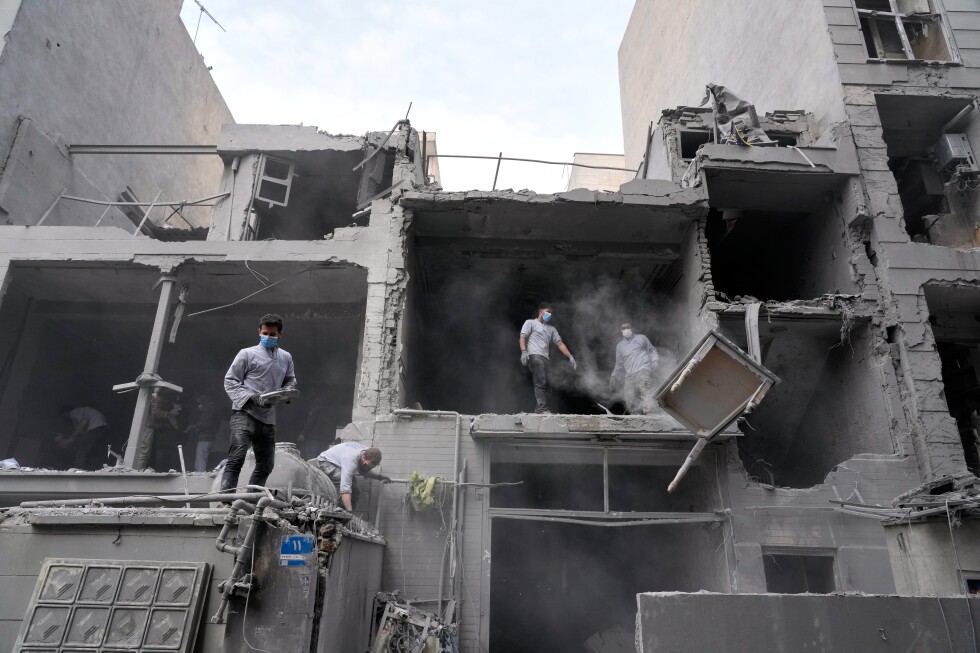
Iran hits Gulf neighbors and keeps stranglehold on oil shipping as concerns rise of energy crisis - AP News
<a href="https://news.google.com/rss/articles/CBMilwFBVV95cUxNMnFkQ1lMcXNwMjZtWkluTVNScXFuZl9vakpnUFdHR2ZONGNlRlpDUlN0OWo3U0NEUHJTWXVWN3NWTzBycU5LU2laRkE0bkI3ZzlrQ0dhT2dPVk9WV0lWM3hoTW9MSHd4R1JCdHhyV1JRcGdUdzFJdV9JWllxckZpUXViaHlpdGZDYjJVdU1oY28xOFAwdlNr?oc=5" target="_blank">Iran hits Gulf neighbors and keeps stranglehold on oil shipping as concerns rise of energy crisis</a> <font color="#6f6f6f">AP News</font>
 Global
Choke Point | Sunday on 60 Minutes
Iranian attacks on tankers and cargo ships have choked the flow of oil and goods through the Strait of Hormuz, a narrow passage connecting Persian Gulf oil producers to global markets. The disruption threatens to drive U.S. gas prices to record highs.
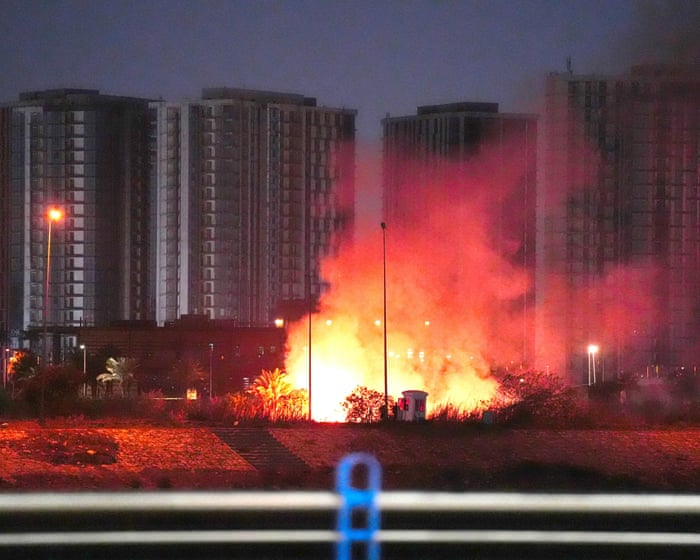
First Thing: Trump says US does not need Nato after strait of Hormuz rebuf | Clea Skopeliti
<p>Snub comes as Iran vows revenge for killing of Ali Larijani. Plus, judge orders reinstatement of Voice of America staff</p><p>Good morning.</p><p>Donald Trump has said the US does not need Nato after a number of the organization’s members <a href="https://www.theguardian.com/world/2026/mar/17/trump-us-president-nato-strait-of-hormuz-iran-middle-east">rejected his call to send their warships</a> to reopen the strait of Hormuz.</p><p><strong>How many people have been displaced in Iran?</strong> Up to 3.2 million people, according to the UN’s refugee agency. Here, Tehran residents <a href="https://www.theguardian.com/world/2026/mar/18/iranians-daily-life-under-air-attack">speak about their daily life</a> under bombardment.</p><p><strong>For the latest updates,</strong> <a href="https://www.theguardian.com/world/live/2026/mar/18/iran-war-live-updates-oil-prices-hormuz-trump-larijani-key-leader-killed-israel-strikes">follow our liveblog.</a></p> <a href="https://www.theguardian.com/us...
Did this story change how you see things?
Stories like this only matter when people see them. Help us get verified journalism in front of more eyes.
The Verity Ledger curates verified investigative journalism from trusted sources only.
See our sourcesMost Read This Week
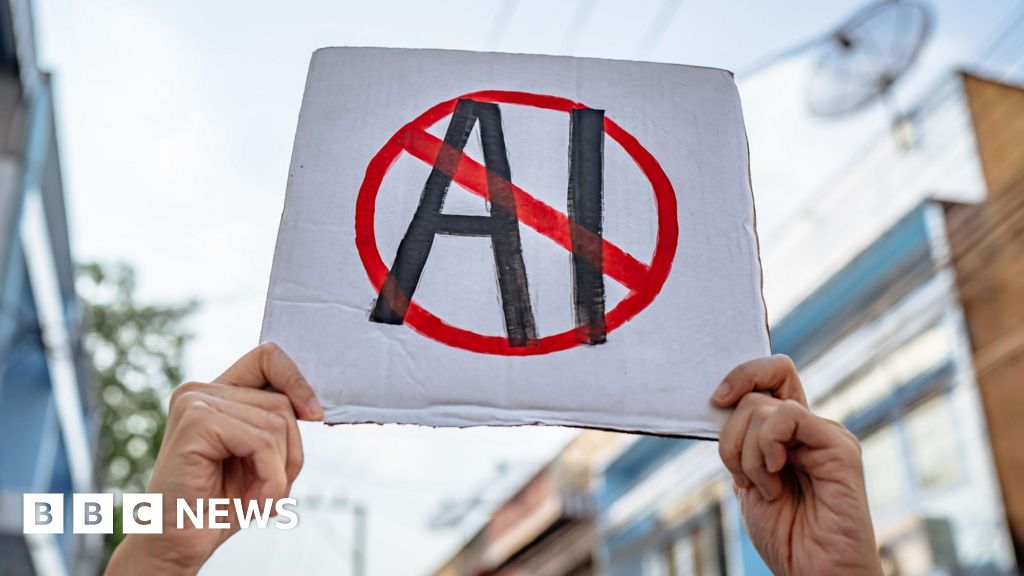
Race on to establish globally recognised 'AI-free' logo
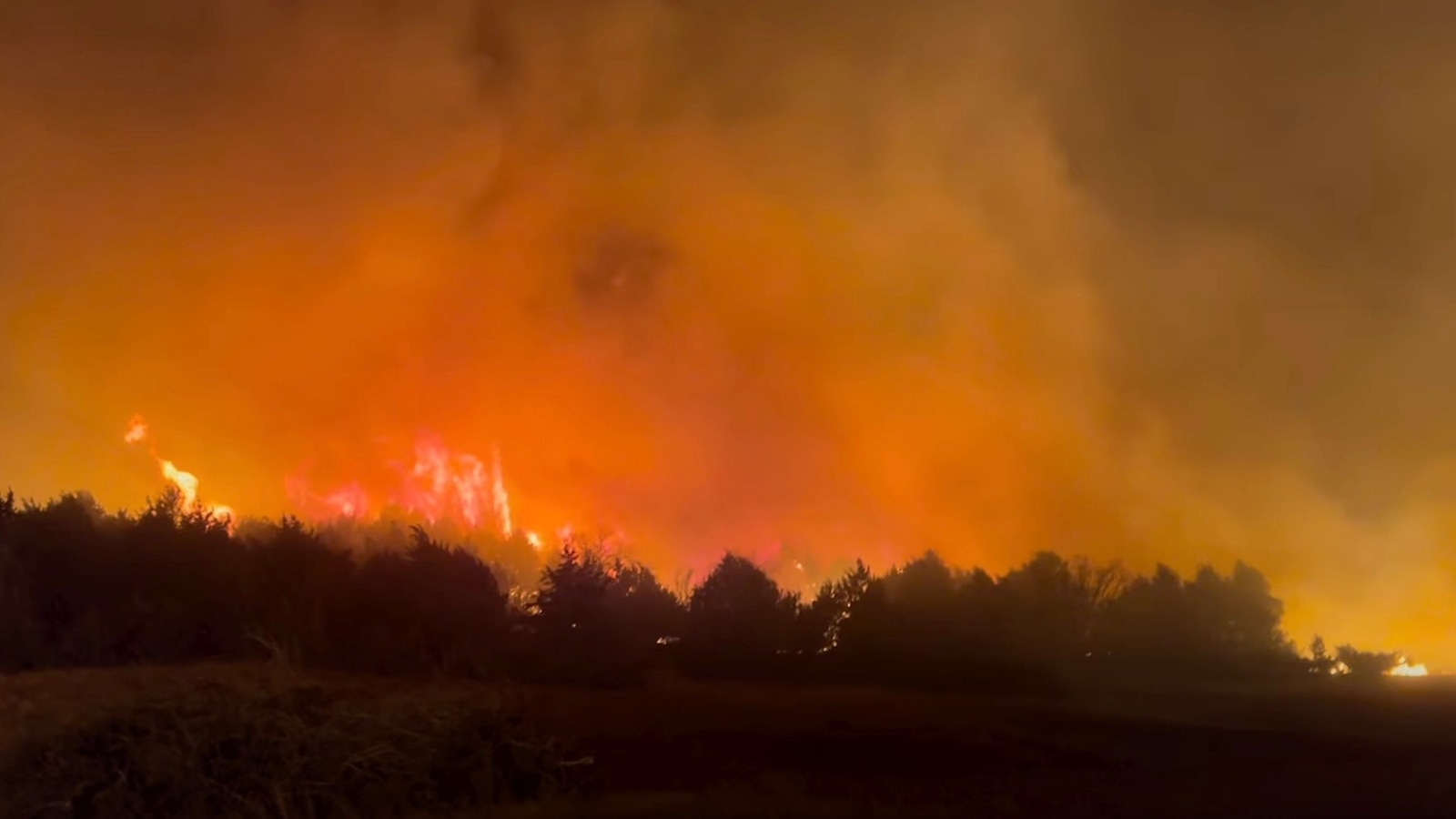
Biggest wildfire in Nebraska history continues to burn out of control - abcnews.com
TikTok and Meta risked safety to win algorithm arms race, whistleblowers say

Defense official reveals how AI chatbots could be used for targeting decisions
Bank of America reaches proposed, non-binding settlement in Jeffrey Epstein suit