

Israel, US diverging timelines on possible negotiation for end of war
Quick Insights
The Bottom Line
Trump administration conveyed peace proposal to Iran through Pakistani intermediaries, but Iran rejected the plan and Israel conducted large-scale military strikes despite nascent diplomacy.
AI Summary
The Trump administration has conveyed a peace proposal to Iran through Pakistani intermediaries, but Tehran has rejected the plan and presented its own conditions for ending the Middle East war. Israel, operating on a separate timeline, has conducted large-scale military strikes against Iran despite these nascent diplomatic overtures. The divergence underscores a fundamental disconnect: the US is pursuing negotiated settlement while Israel continues military escalation, complicating efforts to de-escalate regional tensions. Iran's rejection and counteroffer suggest Tehran is unwilling to accept American terms, while Israel's strikes indicate it may not be waiting for diplomacy to succeed. The competing timelines raise the risk that military action could collapse negotiations before they gain momentum.
What's Being Done
The Trump administration conveyed a peace proposal to Iran through Pakistani intermediaries; Iran rejected the plan and presented its own conditions for ending the war.
Source Coverage Map
20 of 43 tracked sources covered this story
Following this story?
Get notified when new coverage appears
Other Sources Covering This Story
5 sourcesMultiple outlets have reported on this story. Compare perspectives from different sources.


This article is part of a story we're tracking:
Should this be getting more attention?
You Might Have Missed
Related stories from different sources and perspectives
 Global
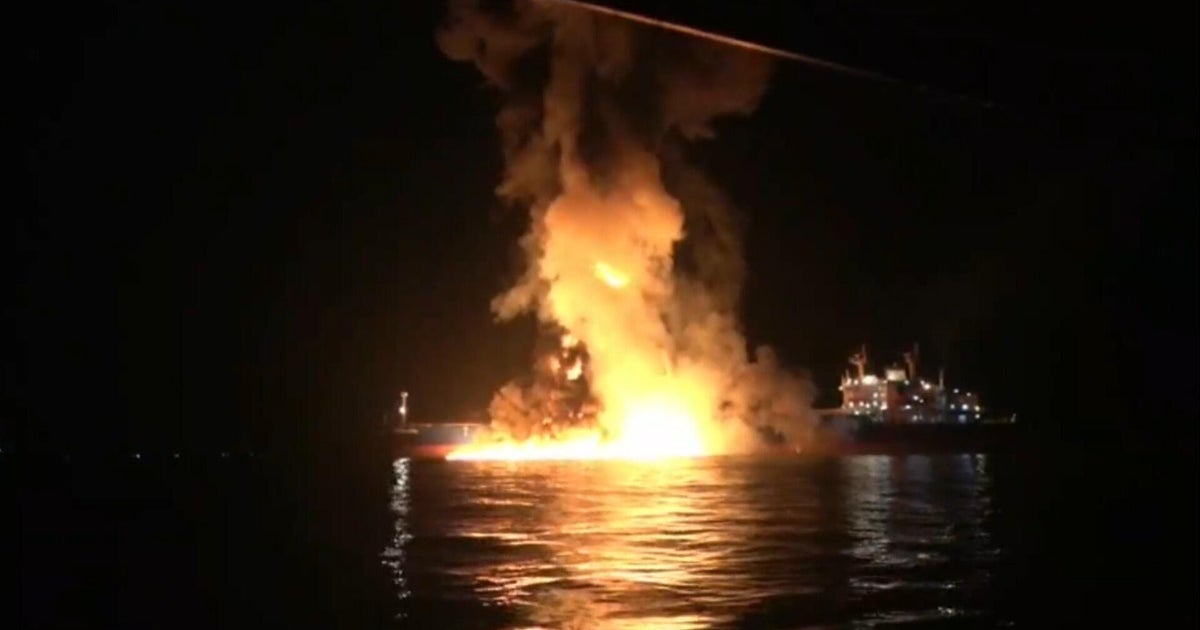
Iran War Underscores the Diverging Aims of U.S. and Israel
The U.S. is a superpower that views Iran through a prism of global responsibilities and strategic goals. Israel has a more regional approach. After three weeks of war, their paths are diverging.
 National Security
REPLAY: Pentagon press conference on war in Middle East
US Defense Secretary Pete Hegseth said Thursday there is no "time frame" for ending the US-Israeli war against Iran, which was launched three weeks ago. "We wouldn't want to set a definitive time frame," Hegseth told a news conference, adding that "we're very much on track" and that President Donald Trump will be the one to decide when to stop. Hegseth also addressed a report that the Pentagon has requested more than $200 billion in additional funding from Congress to pay for the conflict.
 Global
Iran's military rejects Trump's talk of negotiation, as Israel and Iran launch airstrikes - Reuters
<a href="https://news.google.com/rss/articles/CBMirwFBVV95cUxQdmpoejR0RUtMc2FQcjMzbE56V25vbEpHM3UwV2FBNnF5dTdWUUpSY2lZMFBIT04xUXo5Q1Fxbll5TVBva2pBR1ByWE1lS2dOU0hKQjJpdE5nZkNKWHpBWmM2R0drNTh4U292OWswX0pCSlNmWVZXeDlfWFVMYUVYNTV2eVVQQWFubjBCSzdRV1VGbFBITnB1T3hkVjdlVXpRU1RQYzlwV0s0SnV2WWZV?oc=5" target="_blank">Israel strikes Tehran as Trump says US negotiating to end war</a> <font color="#6f6f6f">Reuters</font>
 Global
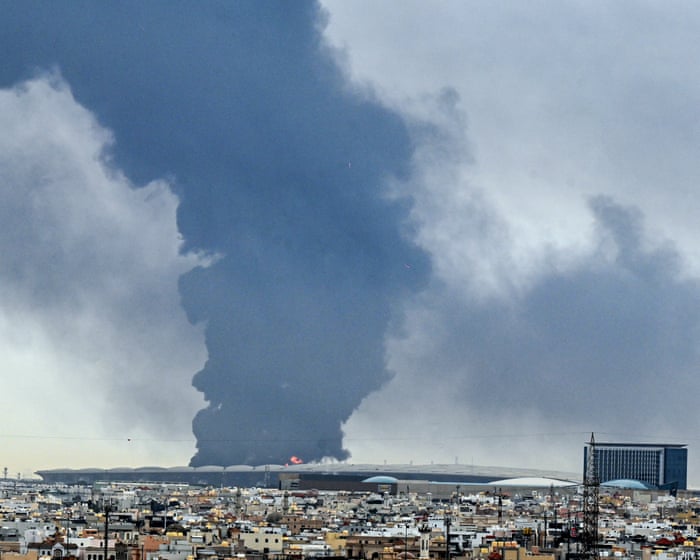
‘Makes Covid look like a tea party’: Australian food prices could rise for the next year, farmers warn
<p>Iran conflict could see shortages not just in fuel, but fertiliser and fossil fuel resins – used to make milk bottles</p><ul><li><p>Get our <a href="https://www.theguardian.com/email-newsletters?CMP=cvau_sfl">breaking news email</a>, <a href="https://app.adjust.com/w4u7jx3">free app</a> or <a href="https://www.theguardian.com/australia-news/series/full-story?CMP=cvau_sfl">daily news podcast</a></p></li></ul><p>Farmers say Australian consumers could pay more for everyday staples for the next year at least as a result of the US-Israel war on Iran.</p><p>But the CEO of dairy farmer cooperative Norco, Michael Hampson, says a six to 12 month disruption to food supply is likely a best-case scenario, depending on the <a href="https://www.theguardian.com/world/2026/mar/24/middle-east-violence-trump-claims-very-good-talks-iran">strait of Hormuz reopening</a> soon and global petrochemical supply chains beginning to stabilise.</p> <a href="https://www.theguardian.com/australia-news/2026/mar...
 Politics
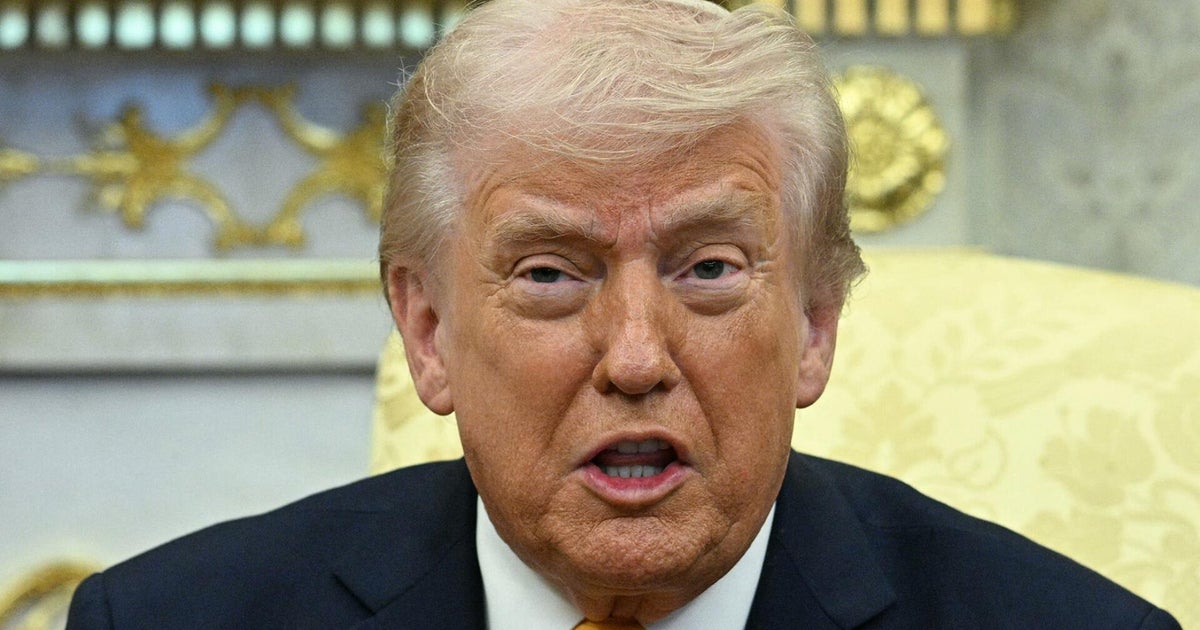
Latest on Iran as Trump says war will end "pretty soon"
President Trump said Thursday that he is not sending troops into Iran, but he added, "if I were, I certainly wouldn't tell you," on Thursday. He also said the war is going to be over "pretty soon." CBS News' Eleanor Watson and Willie James Inman report.
 Global
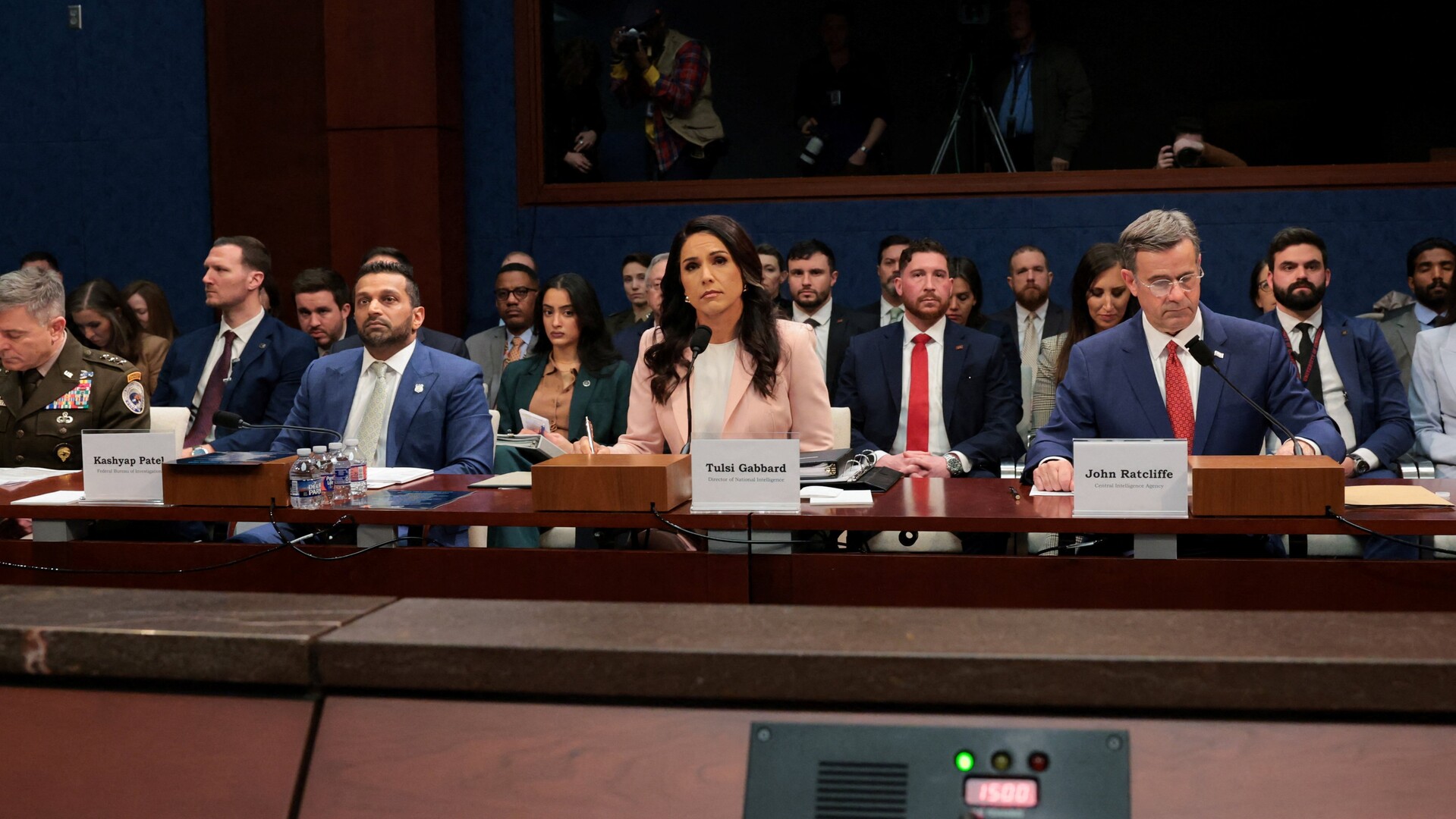
US intelligence chief admits US, Israel not aligned on Iran war goals
The US Director of National Intelligence says American and Israeli goals in the war on Iran are not the same.

Ethiopian asylum seeker deported by U.S. to Equatorial Guinea
Since retaking office, the Trump administration has deported more than 675,000 people. Even though the administration alleges that it's removing the worst of the worst, some fleeing political violence and some with strong asylum claims are getting swept up as well. William Brangham spoke with one of those individuals and her lawyer.
Did this story change how you see things?
Stories like this only matter when people see them. Help us get verified journalism in front of more eyes.
The Verity Ledger curates verified investigative journalism from trusted sources only.
See our sourcesMost Read This Week
Fentanyl found inside Barbies sold at Missouri discount store, police say

US moves to soften capital rules: ‘Big banks can declare mission accomplished’

Senate deal reached to cap insulin costs

The West's historic snow drought could bring water shortages, wildfires
Pentagon's limits on press access unconstitutional, US judge rules - Reuters