
Judges are increasingly using AI to draft rulings and prepare for hearings
Quick Insights
The Bottom Line
Over 60% of judges use AI to draft rulings, raising concerns about accuracy, accountability, and public trust in court decisions.
How This Affects You
AI-generated errors in judicial decisions could affect the outcome of cases involving your rights, property, or freedom, with judges potentially not fully understanding the reasoning behind rulings that affect you.
AI Summary
A study has found that more than 60 percent of surveyed judges are using AI tools to draft rulings and prepare for hearings, marking a significant shift in how the judiciary operates. The adoption reflects broader institutional pressure to manage heavy caseloads and streamline legal work, even as courts grapple with AI's documented problems—including fabricated case citations and legal reasoning errors. Legal experts and judges themselves are split on the technology's reliability, with concerns that AI-generated errors could undermine judicial authority and public trust in court decisions. The widespread use raises questions about judicial accountability, since judges remain legally responsible for rulings drafted partly or wholly by AI systems they may not fully understand. As courts continue integrating AI without clear regulatory frameworks or ethical guidelines, the tension between efficiency gains and accuracy risks will likely shape judicial policy in coming years.
This article is part of a story we're tracking:
Should this be getting more attention?
You Might Have Missed
Related stories from different sources and perspectives
 Corporate
Judge denies NCAA temporary restraining order blocking DraftKings from using ‘March Madness’
A federal judge on Thursday denied the NCAA’s bid for a temporary restraining order to prevent DraftKings from using “March Madness” and other language to promote sports bets on its service. Judge Tanya Walton Pratt ruled that the NCAA did not show how DraftKings would cause irreparable harm by using terms such as “March Madness,”…
 Finance
3 programs in the federal housing bill that experts say could have a 'big impact' on affordability
Through a series of smaller efforts such as solidifying disaster recovery programs, funding low-income home repairs and keeping rural housing affordable, experts the legislation has the potential to improve the nation's housing infrastructure.
 Technology
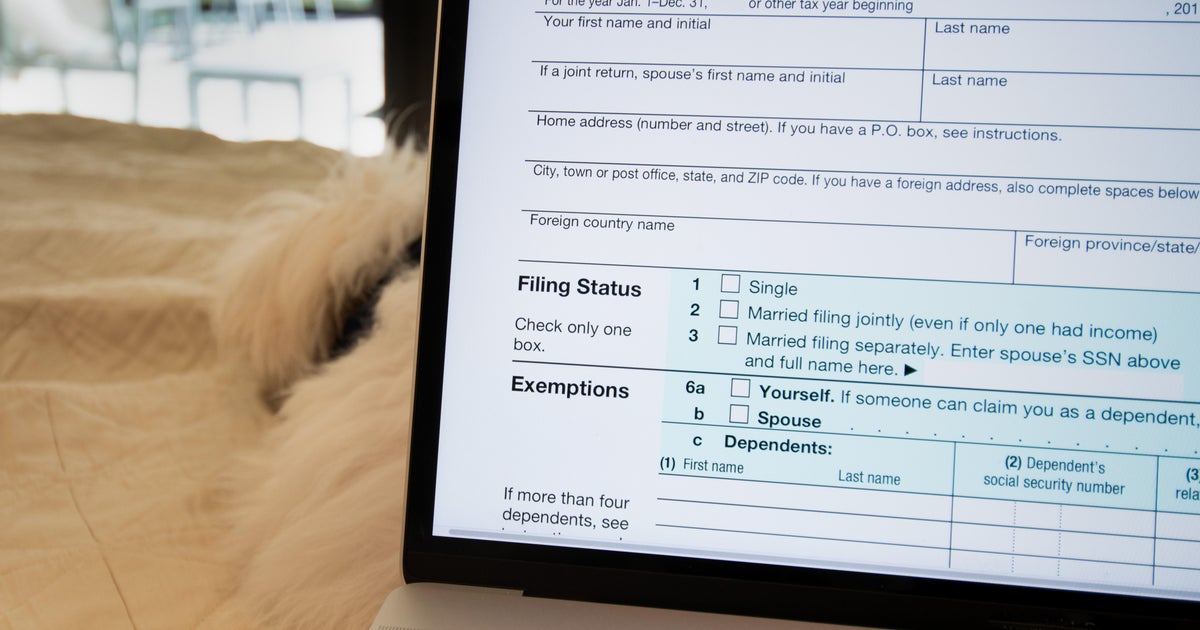
Should you rely on AI to do your taxes? Experts warn of risks.
About 1 in 4 Americans are using AI chatbots to prepare their tax returns, but experts warn the tools can produce outdated or inaccurate guidance.
 Technology
We analyzed Philly street scenes and identified signs of gentrification using machine learning trained on longtime residents’ observations
Researchers are using machine learning models to identify gentrification in imagery. Community insights help keep the models on track
 National Security
Chatter and fear about US military draft emerge as Trump’s Iran war drags on
<p>Though the US is almost certainly not going to have a draft, media commentary and online anxiety have surfaced</p><p>The United States is almost certainly not going to have a military draft to fight Iran. That hasn’t stopped the chatter, and anxiety, across the country.</p><p>In recent weeks, Donald Trump has ordered a number of marines and army paratroopers to head to the Middle East, gesturing toward a possible ground war to reopen the strait of Hormuz or secure nuclear weapons material. The provocative military activity has led to <a href="https://www.theguardian.com/world/2026/mar/30/how-could-us-forcibly-reopen-strait-of-hormuz-iran-what-are-the-risks">speculative conversation</a> about what it would take to invade a country twice the population and three times the territory of Iraq.</p> <a href="https://www.theguardian.com/us-news/2026/mar/31/us-military-draft-fears-trump-iran-war">Continue reading...</a>
 Politics
In their words: What judges have said about birthright citizenship - apnews.com
<a href="https://news.google.com/rss/articles/CBMivgFBVV95cUxQamFmV0tUU2p0eGRObzdRNlc3VVNjRXBJdlFwRERsbjRackRHbkIxbFRCanlyMzBjYUhHam12VWplajRLMGxfOVF4MEo2bEZQWnUtMlZsTGU2VjVoQ2ZuTFotSnNVUDY0aTRUeHBCS3EySjlmVUJmWmpSanFiNTRlNXduSDdiWFIyVU1Zd2g5R3pDbTdwMC1rMlB2ZWlsVE9odnBlRE5pc1NLQTJEdnB4WFA1Ym1IU1VQNWVxN1B3?oc=5" target="_blank">In their words: What judges have said about birthright citizenship</a> <font color="#6f6f6f">AP News</font>

Nuclear rockets, moon bases and NASA’s Mars plan
Did this story change how you see things?
Stories like this only matter when people see them. Help us get verified journalism in front of more eyes.
The Verity Ledger curates verified investigative journalism from trusted sources only.
See our sourcesMost Read This Week
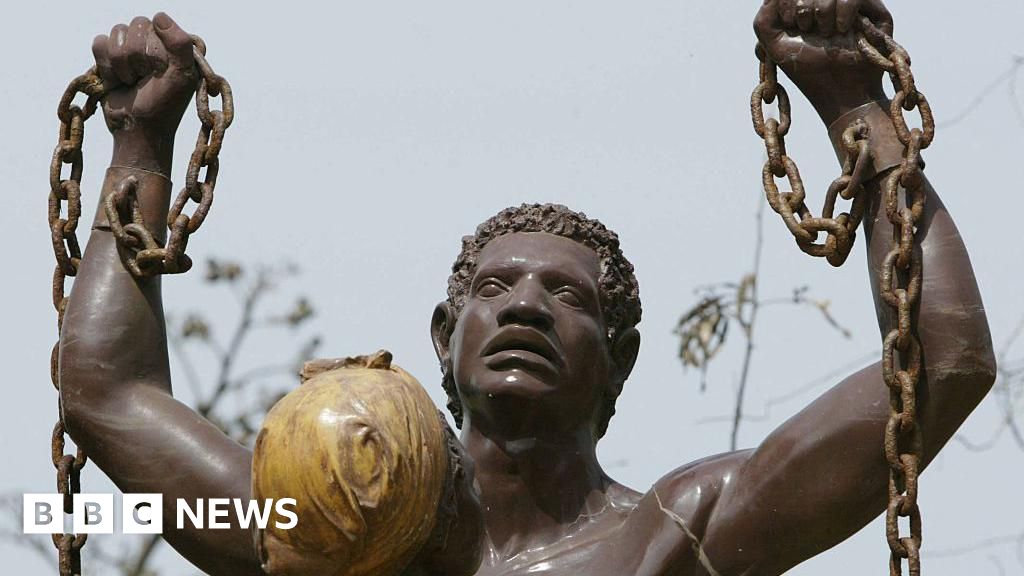
'The gravest crime against humanity': What does the UN vote on slavery mean?
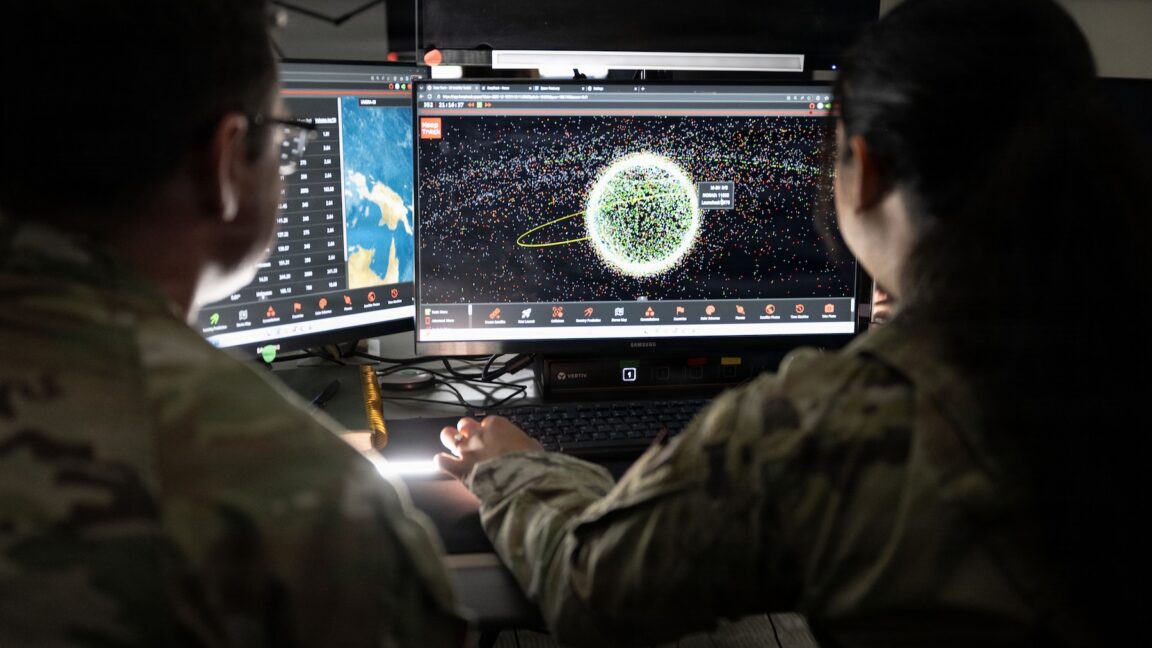
After 16 years and $8 billion, the military's new GPS software still doesn't work
US paves way for private assets to be included in 401(k) retirement plans - Reuters

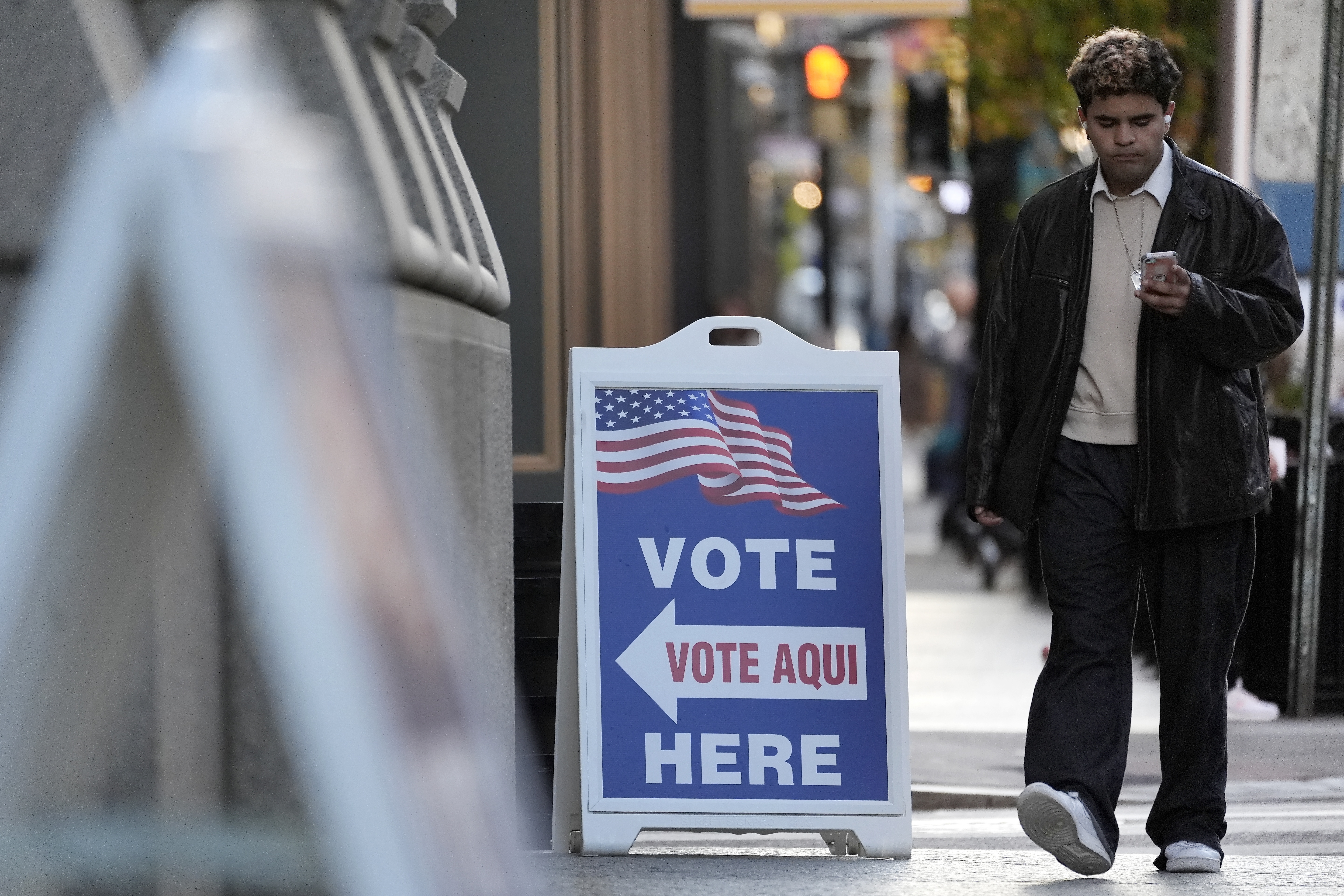
The Justice Department plans to share sensitive voter data with Homeland Security
Secret Service agent assigned to Jill Biden accidentally shoots himself in leg at airport - AP News