

North Korea conducts engine test for missile capable of striking US mainland
Quick Insights
The Bottom Line
North Korea tested a solid-fuel missile engine designed to strike the US mainland, advancing its nuclear weapons capability.
How This Affects You
Increased missile capability may prompt US military spending increases or policy shifts that could affect defense-related jobs, security measures, or international tensions affecting US interests.
AI Summary
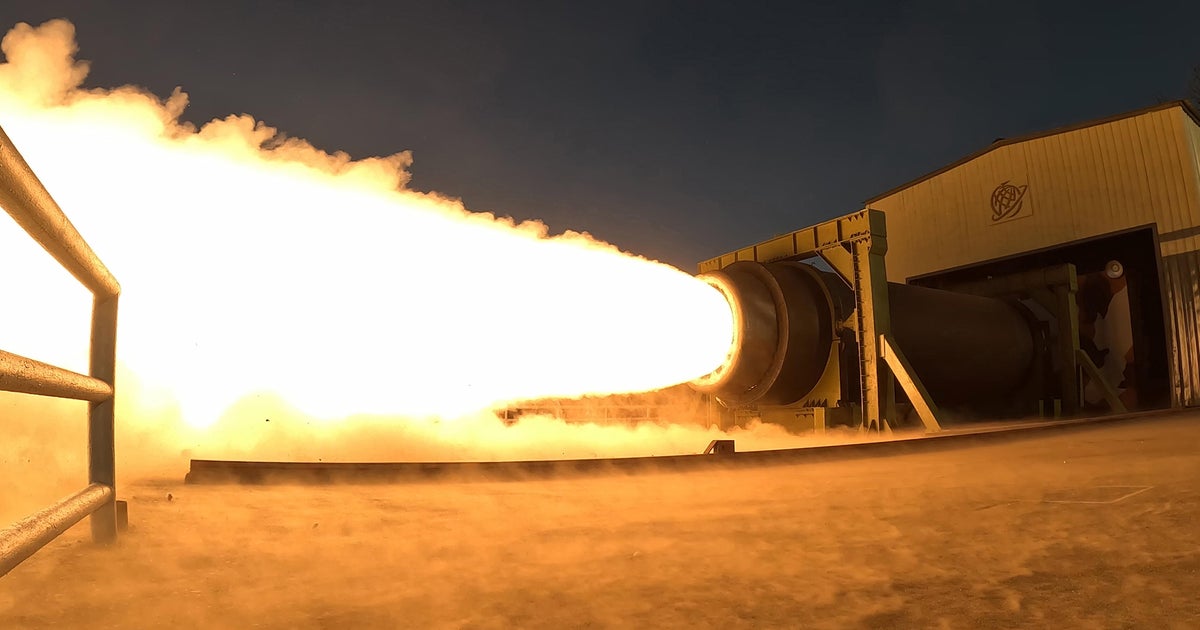
North Korea conducted an engine test for a long-range missile under the observation of leader Kim Jong Un, according to state media, marking another step in the country's weapons development program. The test involved a high-thrust, solid-fuel engine designed to enhance Pyongyang's ability to strike the US mainland, a capability that has been a stated goal of North Korea's military modernization efforts. Such propulsion advances are significant because solid-fuel engines are more reliable, faster to launch, and harder to detect than liquid-fuel alternatives, making them militarily advantageous. The test underscores North Korea's continued pursuit of nuclear-armed missiles capable of reaching American territory, despite international sanctions and diplomatic pressures. The development is likely to draw concern from the Trump administration and US allies South Korea and Japan, who view North Korea's missile program as a direct threat.
Source Coverage Map
6 of 43 tracked sources covered this story
Following this story?
Get notified when new coverage appears
Other Sources Covering This Story
5 sourcesMultiple outlets have reported on this story. Compare perspectives from different sources.

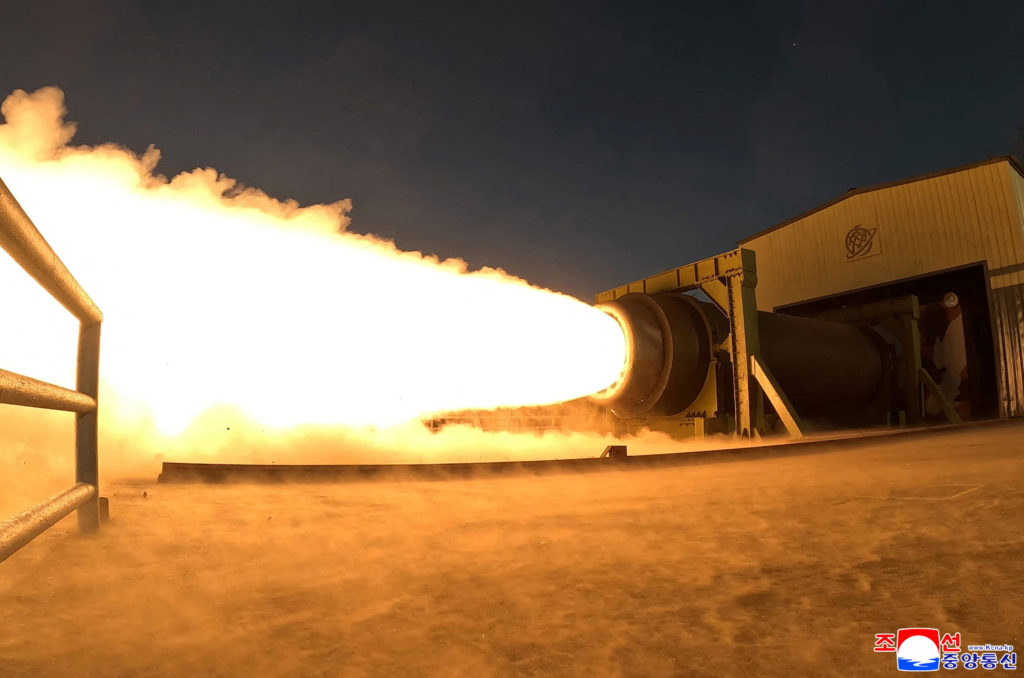
North Korea conducts engine test for missile capable of reaching U.S. mainland
This article is part of a story we're tracking:
Should this be getting more attention?
You Might Have Missed
Related stories from different sources and perspectives
 National Security
North Korean hackers implicated in major supply chain attack
<p>Suspected <a href="https://www.axios.com/world/north-korea" target="_blank">North Korean hackers</a> are believed to be behind an ongoing compromise of the widely used open-source package Axios, which is downloaded millions of times per week, researchers at Google said Tuesday.</p><p><strong>Why it matters:</strong> Hackers briefly turned a widely trusted developer tool into a vehicle for credential-stealing malware that could give attackers ongoing access to infected systems.</p><hr><ul><li>Axios, a widely used JavaScript library for making HTTP requests, is not affiliated with Axios Media.</li></ul><p><strong>Driving the news</strong>: Researchers at Google linked the activity to a North Korean group tracked as <a href="https://cloud.google.com/blog/topics/threat-intelligence/unc1069-targets-cryptocurrency-ai-social-engineering?e=48754805" target="_blank">UNC1069</a>, which has previously targeted cryptocurrency and decentralized finance companies.</p><ul><li>Earlier this week,...
 National Security
North Korea-linked hack hits largely invisible software that powers online services - Reuters
<a href="https://news.google.com/rss/articles/CBMi5AFBVV95cUxNLWpOR2JyOFJuWVh1OFlOM3hsRi04cjAyX0RxTklCZjN6anFNa3c2RjEwVS1vVExKUE9aaE9pczVKM0RSUy1pNjN4RWlOOVJUSXVybWNGU3RaemIyajZGZG45S0NSRVNnb0wtV19ZYUpWMGVkQ1cwbFo3NkR5QVl6bmpGT0dxMEN5S0hXLVpObjJPUjctdDIzUDIzWUh5UkczVFlFcDJNSkFRdkt3NVhIZXlTSEpWSV9Ub3hjMExpNGNUcG1neGJWSUs4VW9qY2JJZUY0Y1VJQzhOcDBHc1hmeEZxRkQ?oc=5" target="_blank">North Korea-linked hack hits largely invisible software that powers online services</a> <font color="#6f6f6f">Reuters</font>
 AI & Warfare
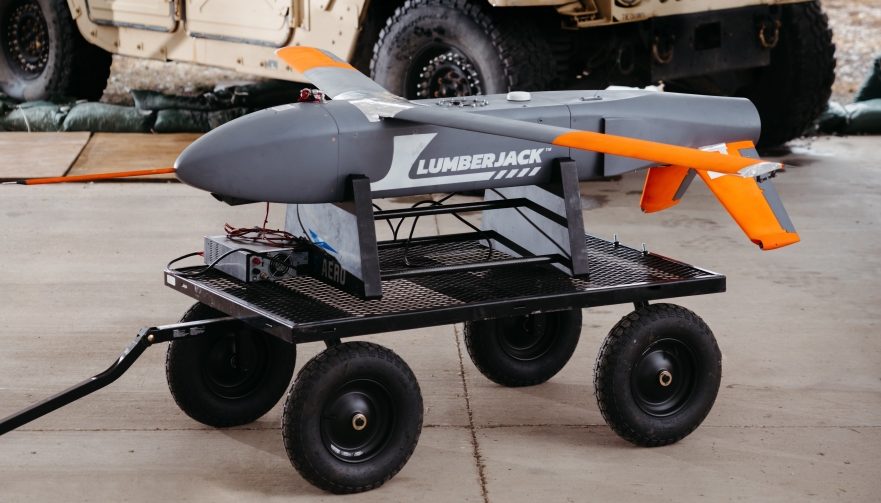
Army tests autonomous strike drone featuring AI-enabled targeting capabilities
During the recent Operation Lethal Eagle, Northrop Grumman demonstrated its new Lumberjack drone and its ability to conduct autonomous target detection via the Maven Smart System. The post Army tests autonomous strike drone featuring AI-enabled targeting capabilities appeared first on DefenseScoop .
 Health
C.D.C. Pauses Testing for Rabies and Mpox
The diseases were removed from a list of tests the agency conducts for state and local health departments. Experts worry that with drastic staff reductions, the testing may not resume.
National SecurityGolden Dome, ships and missiles top Trump's $1.5 trillion fiscal 2027 defense wish list - Reuters
<a href="https://news.google.com/rss/articles/CBMi2gFBVV95cUxNQnhsNlZ4MkRoVWxUTzJxckFMTmsycVhwX3l4aDg5Y2VlaUFGUlpzdzNKSnVtZTBoM3JYSFJ4Qjl4akZKN3hYRlF3bEFMbklUY2ZNczBQSzNXRFNPUHFRT1BXOG4tcGgyQkp1YlNvMXNqSXhITGZEUUpXSHdSZlp5WUoxemotNHRqbE5xd2JBR0dwMnEzZml2UUstVXZrMFFnb19qOUJQWjJSMkg1OWp6SFJGS3pFRXV5d3Vhb3lqN0laSXRxa0hyMjdTQ1cxZ2ZXdmIxT1ZRN0dMUQ?oc=5" target="_blank">Golden Dome, ships and missiles top Trump's $1.5 trillion fiscal 2027 defense wish list</a> <font color="#6f6f6f">Reuters</font>
 National Security
Inside the Iranian missile attack (2021) | 60 Minutes Archive
In 2021, CBS News national security correspondent David Martin reported on the ballistic missile attack Iran had launched against U.S. troops in retaliation for the killing of Iranian General Qassem Soleimani in 2020.

Trump threatens civilian infrastructure in Iran after it downed a U.S. fighter jet
It has been over a month since the war in Iran began, and President Trump is now threatening attacks on civilian infrastructure. This comes after strikes destroyed an Iranian bridge on Thursday. CBS News Middle East contributor Courtney Kealy reports.
Did this story change how you see things?
Stories like this only matter when people see them. Help us get verified journalism in front of more eyes.
The Verity Ledger curates verified investigative journalism from trusted sources only.
See our sourcesMost Read This Week
After 16 years and $8 billion, the military's new GPS software still doesn't work
US paves way for private assets to be included in 401(k) retirement plans - Reuters

Trump administration scales back on asylum crackdown, sources say

European nations warn over Israel’s planned expansion of death penalty

WTO talks near deal on reform roadmap amid US-India e-commerce deadlock - Reuters