
Overusing artificial intelligence can give workers "AI brain fry," study finds
Quick Insights
The Bottom Line
A new study suggests that overusing artificial intelligence can cause worker fatigue.
How This Affects You
If your job involves extensive AI use, this could impact your productivity and well-being, potentially affecting job performance or stress levels.
AI Summary
A new study published in Harvard Business Review suggests that overusing artificial intelligence can lead to a condition termed "AI brain fry" among workers. This finding indicates potential cognitive strain for individuals who frequently interact with AI systems in their professional roles. The study highlights a novel concern regarding the psychological impact of integrating AI into daily work routines. This research could prompt organizations to re-evaluate AI implementation strategies and consider employee well-being in technologically advanced workplaces.
What's Being Done
A new study in Harvard Business Review suggests AI overuse can cause
Following this story?
Get notified when new coverage appears
This article is part of a story we're tracking:
Should this be getting more attention?
You Might Have Missed
Related stories from different sources and perspectives
 Health
Trump policies set to increase rates of lung disease and death, study finds
<p>Experts warn of ‘attack on Americans’ lungs’ from cuts to health programs, environmental rollbacks and other plans</p><p>Donald Trump’s policies are likely to drive soaring rates of lung disease and premature death, according to a wide-ranging new study by pulmonary specialists and public health experts.</p><p>The <a href="https://academic.oup.com/ajrccm/advance-article/doi/10.1093/ajrccm/aamag095/8503855?searchresult=1">analysis</a>, published in the American Journal of Respiratory and Critical Care Medicine, examines policies adopted during Trump’s second term across 10 areas, including healthcare access, environmental regulation, workplace protections and vaccine uptake.</p> <a href="https://www.theguardian.com/us-news/2026/mar/13/trump-policies-lung-disease-death">Continue reading...</a>
 Health
Higher buprenorphine doses help patients stay in opioid use disorder treatment, new study finds
Black patients were less likely to receive higher doses. This may reflect inequities in health care or misconceptions among patients that higher doses are unsafe.
 Environment
A deadly climate change effect is even worse than feared, study finds - USA Today
 Corporate
Atlassian lays off 1,600 workers ahead of AI push
<p>Australian company’s restructuring plan to push into artificial intelligence and enterprise sales</p><p>Australian software giant Atlassian has announced it is laying off around 10% of its workforce, or roughly 1,600 positions, as part of a restructuring plan to push into artificial intelligence and enterprise sales.</p><p>Shares of the company rose more than 4% in extended trading on the Nasdaq.</p> <a href="https://www.theguardian.com/technology/2026/mar/12/atlassian-layoffs-software-technology-ai-push-mike-cannon-brookes-asx">Continue reading...</a>
 Corporate
Hundreds of California business registrations may be fraudulent, investigation finds
Identity theft experts say criminals are creating fake business entities by targeting a specific population: legal immigrants.
 Corporate
More CEOs envision hiring than firing due to AI, survey finds
<p>Fewer than 1 in 10 CEOs of large U.S. companies plan to <a href="https://www.axios.com/2026/01/25/ai-jobs-market-hiring-firing" target="_blank">cut jobs due to AI</a> in 2026, according to a new survey from consultancy KPMG.</p><p><strong>Why it matters: </strong>The <a href="https://www.axios.com/2026/03/07/ai-danger-risks-study-research-backlash" target="_blank">disruptive nature of AI</a> is fostering significant debate over how the economy will evolve.</p><hr><p><strong>The big picture: </strong>9% of CEOs plan to reduce their workforce because of AI investments this year, according to the 2026 KPMG U.S. CEO Outlook Pulse Survey.</p><ul><li>55% expect to increase hiring in 2026 as a direct result of AI, while 36% expect no change.</li></ul><p><strong>Zoom in:</strong> U.S. CEOs are optimistic about the potential of AI to improve their businesses over the next five to 10 years, but in the short run they've been underwhelmed by the impact, KPMG CEO Tim Walsh tells Axios.</p><ul...
NASA officials sidestepped questions on Artemis II risks—there's a reason why
Did this story change how you see things?
Stories like this only matter when people see them. Help us get verified journalism in front of more eyes.
The Verity Ledger curates verified investigative journalism from trusted sources only.
See our sourcesMost Read This Week
Whitmer's office calls for probe into why weather service didn't issue tornado watch - The Detroit News
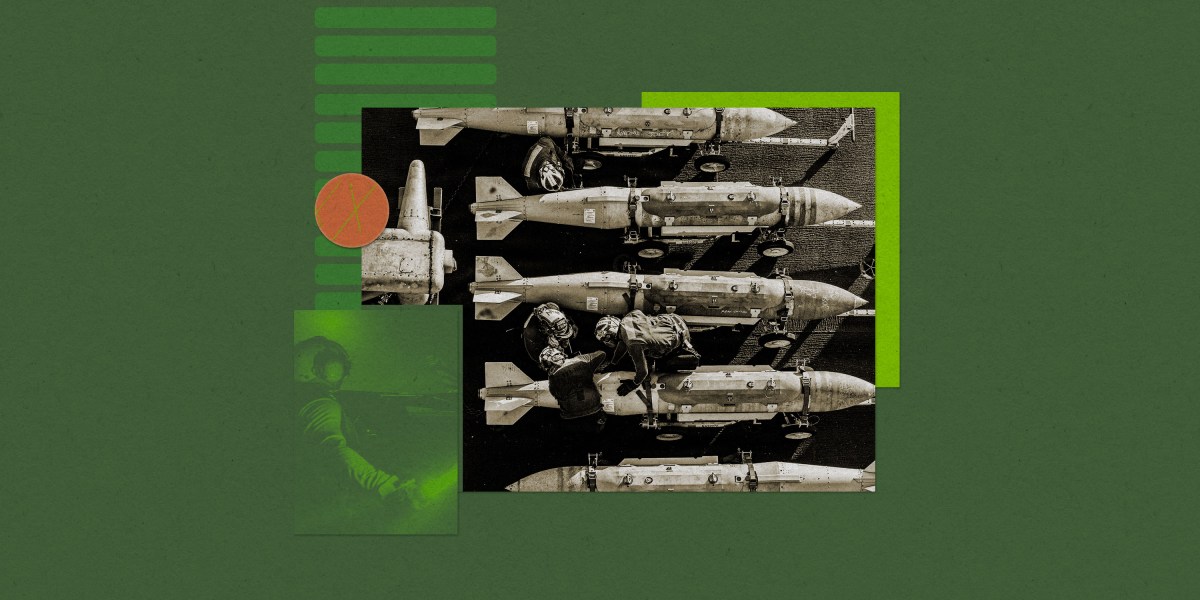
Defense official reveals how AI chatbots could be used for targeting decisions
Rubio designates Afghanistan as ‘state sponsor of wrongful detention’

Senate Democrat calls for investigation into Texas drone incidents

WADA to weigh barring Trump, US officials from LA Olympics and possibly World Cup over unpaid dues - AP News