

Pakistani leader working toward ‘conducive environment’ for US-Iran peace talks
Quick Insights
The Bottom Line
Pakistan's Prime Minister is facilitating diplomatic talks between the U.S. and Iran to ease regional tensions.
AI Summary
Pakistani Prime Minister Muhammad Shehbaz Sharif is actively working to facilitate peace negotiations between the U.S. and Iran, according to a statement from Pakistan's government on Saturday. Sharif discussed the regional conflict and Pakistan's diplomatic outreach efforts with Iranian President Masoud Pezeshkian as hostilities in the region have persisted for roughly a month. Pakistan's intervention reflects its strategic position as a neighboring country with relationships in both Washington and Tehran, making it a potential intermediary for de-escalation talks. The move signals diplomatic efforts to contain a conflict that threatens broader regional stability. Pakistan has historically played a mediating role in U.S.-Iran tensions, though such efforts face significant obstacles given the deep geopolitical divisions between the two countries.
What's Being Done
Pakistani Prime Minister Muhammad Shehbaz Sharif is actively working to create a conducive environment for U.S.-Iran peace negotiations and met with Iranian President Masoud Pezeshkian.
Source Coverage Map
17 of 43 tracked sources covered this story
Following this story?
Get notified when new coverage appears
Other Sources Covering This Story
5 sourcesMultiple outlets have reported on this story. Compare perspectives from different sources.


Should this be getting more attention?
You Might Have Missed
Related stories from different sources and perspectives
 Environment
Tonga PM welcomes US deal to explore deep-sea minerals amid environmental concerns
<p>Exclusive:<strong> </strong>Pacific island’s new leader Lord Fakafānua discusses ‘exciting’ US partnership as critics fear impacts of seabed exploration</p><p>The recently elected leader of Tonga has described a deal to partner with the US on deep-sea mineral exploration as an “exciting development” amid concern in the small Pacific nation over the practice of seabed mining and the potential environmental impact.</p><p>Tonga is located in the South Pacific Ocean, a region attracting growing interest over whether <a href="https://www.theguardian.com/environment/rare-earths">critical minerals</a> buried in the seabed could be extracted to help power industries and green technologies.</p> <a href="https://www.theguardian.com/world/2026/mar/24/tonga-us-deal-deep-sea-minerals-environmental-concern">Continue reading...</a>
 Politics
Bipartisan group pushes Trump to resanction former Bosnian Serb leader
A bipartisan group of lawmakers on Tuesday called on the Trump administration to impose sanctions on ex-Bosnian Serb leader Milorad Dodik for undermining peace and security in the Balkans, coming five months after the president removed the penalties. In a letter obtained exclusively by The Hill, Senate and House lawmakers called on Treasury Secretary Scott…
 Politics
Italy’s justice referendum becomes key test for PM Meloni’s leadership
Italy’s two-day referendum on whether or not to overhaul the country’s justice system has become a key test for Prime Minister Giorgia Meloni. If the “No” side wins, analysts say it will send a strong political signal and weaken her leadership. Accused by her opponents of threatening the judiciary's independence, the premier has doubled down on claims that if the reform does not go through, more “immigrants, rapists, pedophiles, drug dealers” will go free.
 Government Transparency
Fact-checking Senate Minority Leader Chuck Schumer on the effects of the SAVE America Act
Senate Democratic Leader Chuck Schumer said the SAVE America Act would require in-person voter registration, "something only 5% of Americans do today." The act would require that, but the rate of in-person registrations is higher than Schumer said.
 Government Transparency
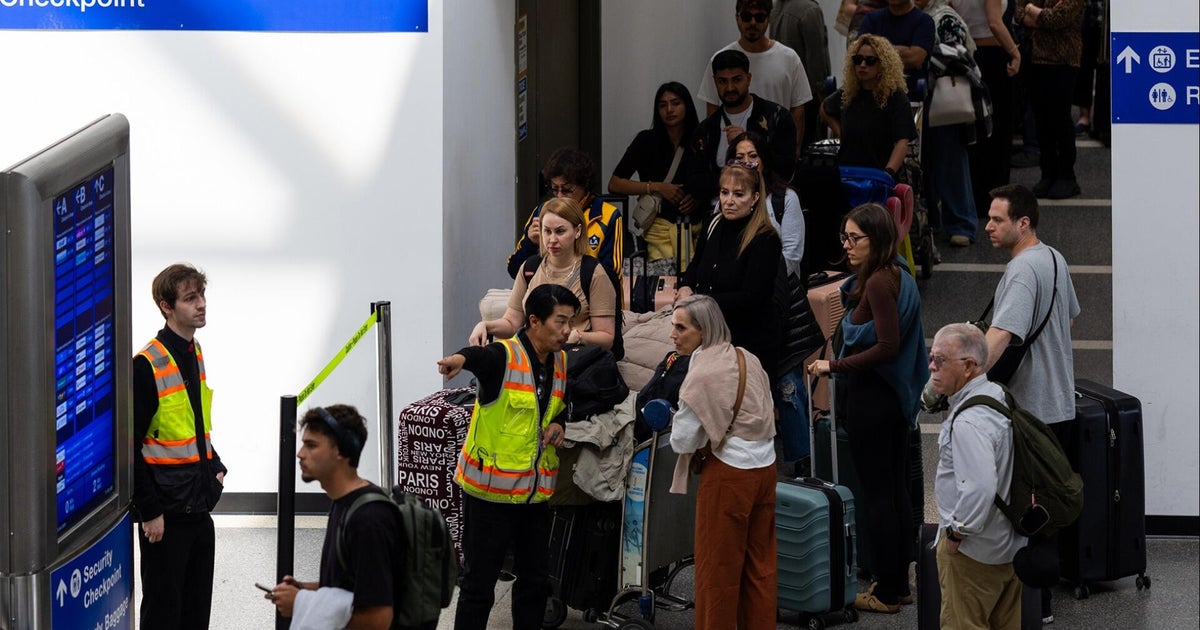
Fliers navigate hours-long TSA wait times as Senate inches toward funding deal
Airports in some of the largest U.S. cities are reaching a breaking point as Congress shows signs of progress toward a deal to end the partial government shutdown affecting the Department of Homeland Security. CBS News' Nicole Sganga and Taurean Small report.
 Global
Philippines says working with Washington to obtain oil from U.S.-sanctioned countries - Reuters
<a href="https://news.google.com/rss/articles/CBMixgFBVV95cUxNeEZhMkE0QXNzZEoxdEFfZXlUQ1RuSTZRTXp5cHlOVktJeFVTbDJ6MEw1SXFNbEZXV2NCVmhaMFJORHZDYzB1Mkt1dnpCMXZqVFh4Y01tb2ZjdUpYVkFsLWRNeHRqLTUxX2lVa0MzdWQtUzhiRHhyTExldWYzcnJfOGxURklOT1VnS21PZHItRm9UUEpzODRNT0hmVUhoOGk4b1EzTUlROUJvMmU4OTZWdHJmMFVzQU5tQ2hXM25OazJhWWtTdUE?oc=5" target="_blank">Philippines says working with Washington to obtain oil from U.S.-sanctioned countries</a> <font color="#6f6f6f">Reuters</font>

US embassy in Mexico prompts outrage with AI video promoting ‘self-deportation’
<p>AI-generated footage depicts group of men performing a corrido, singing phrases including ‘return to your roots’</p><p>An AI-generated video from the US embassy in Mexico encouraging migrants to “self-deport” has sparked disbelief and outrage online.</p><p>The video posted this week on official embassy social media accounts depicts a group of men wearing black caps and sporting tattoos performing a kind of traditional Mexican ballad known as a <a href="https://www.theguardian.com/music/2004/sep/19/urban1">corrido</a>.</p> <a href="https://www.theguardian.com/us-news/2026/mar/28/us-embassy-mexico-outrage-ai-video-self-deportation">Continue reading...</a>
Did this story change how you see things?
Stories like this only matter when people see them. Help us get verified journalism in front of more eyes.
The Verity Ledger curates verified investigative journalism from trusted sources only.
See our sourcesMost Read This Week
Fentanyl found inside Barbies sold at Missouri discount store, police say

Senate deal reached to cap insulin costs

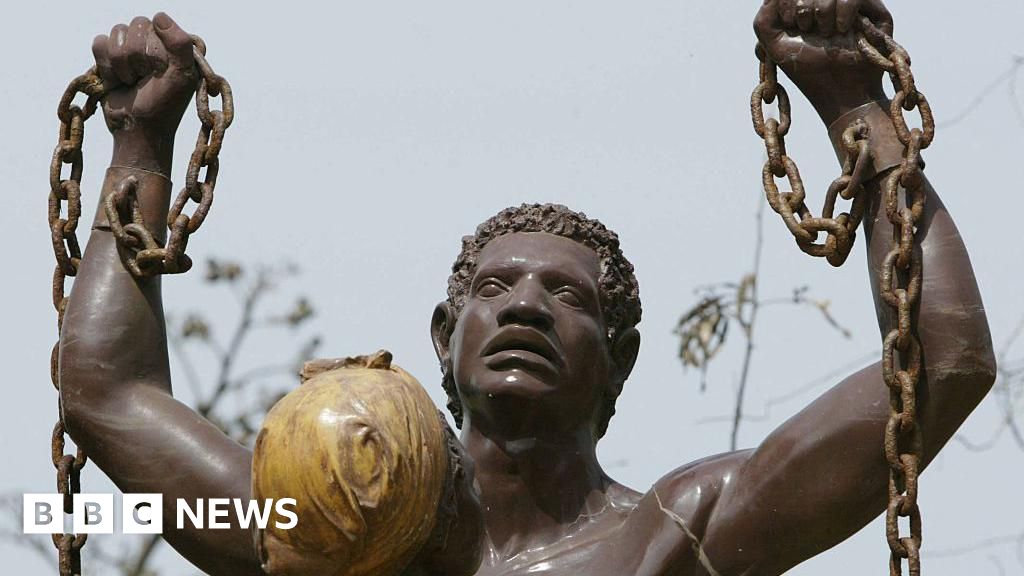
'The gravest crime against humanity': What does the UN vote on slavery mean?
Washington ignores America's fiscal cliff

Iran built a vast camera network to control dissent. Israel used it to track targets, AP sources say