Risks as Sino-Russian ‘Make America Weak Again’ dream coming true - Asia Times
Quick Insights
The Bottom Line
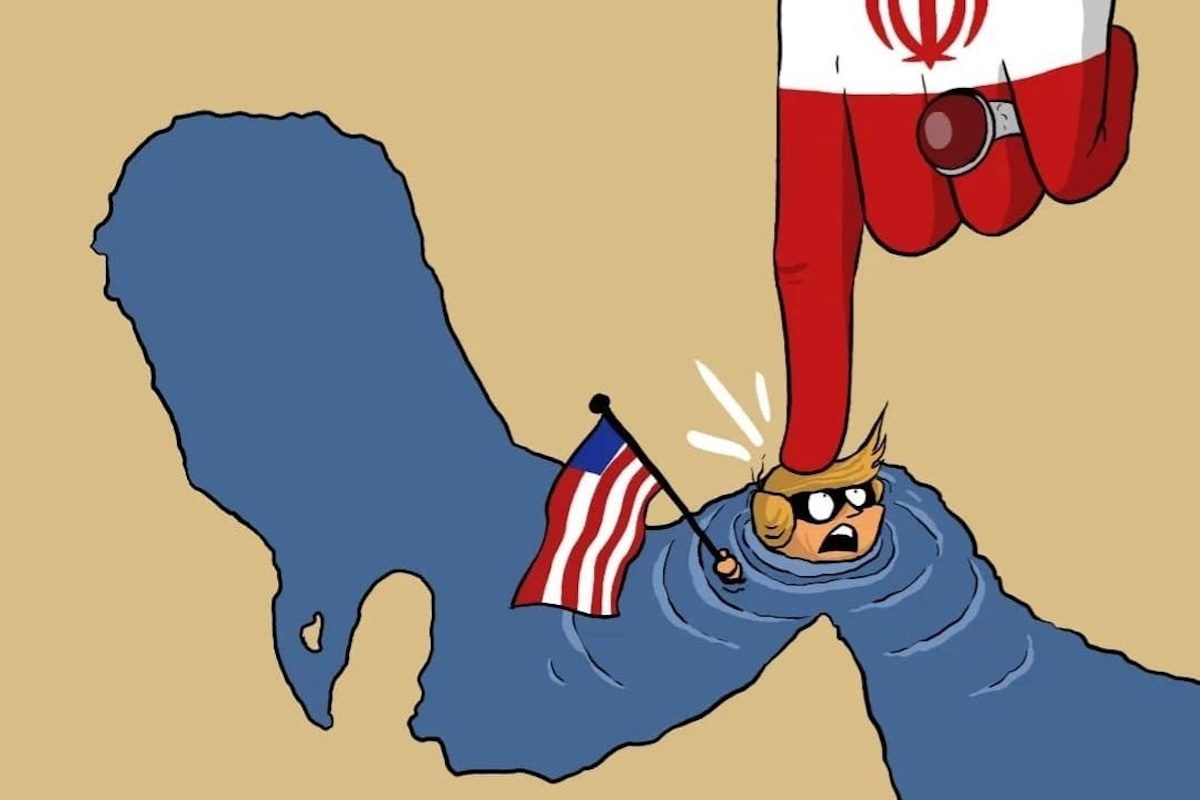
A Sino-Russian strategy to weaken the United States is reportedly succeeding, posing risks to US global standing.
How This Affects You
A decline in US global influence could impact economic stability, trade agreements, and international security, affecting American prosperity.
AI Summary
The Asia Times reports on the perceived success of a Sino-Russian strategy to weaken the United States. This "Make America Weak Again" dream suggests that China and Russia are actively pursuing policies designed to diminish American influence and power globally. The article implies that these efforts are yielding results, posing risks to U.S. standing and potentially altering the international balance of power. This development could have significant implications for global stability and U.S. foreign policy objectives under the Trump administration.
Following this story?
Get notified when new coverage appears
This article is part of a story we're tracking:
Global Power Shifts
Tracking the changing dynamics of global power, including US-China competition, Russia's geopolitical moves, shifting alliances, NATO developments, and the emergence of new power blocs reshaping the international order.
Iran & Middle East Conflict
Tracking the evolving military and diplomatic situation across the Middle East, including US-Iran tensions, Israeli operations, proxy conflicts, and the broader geopolitical implications for the region.
Should this be getting more attention?
You Might Have Missed
Related stories from different sources and perspectives
 Global
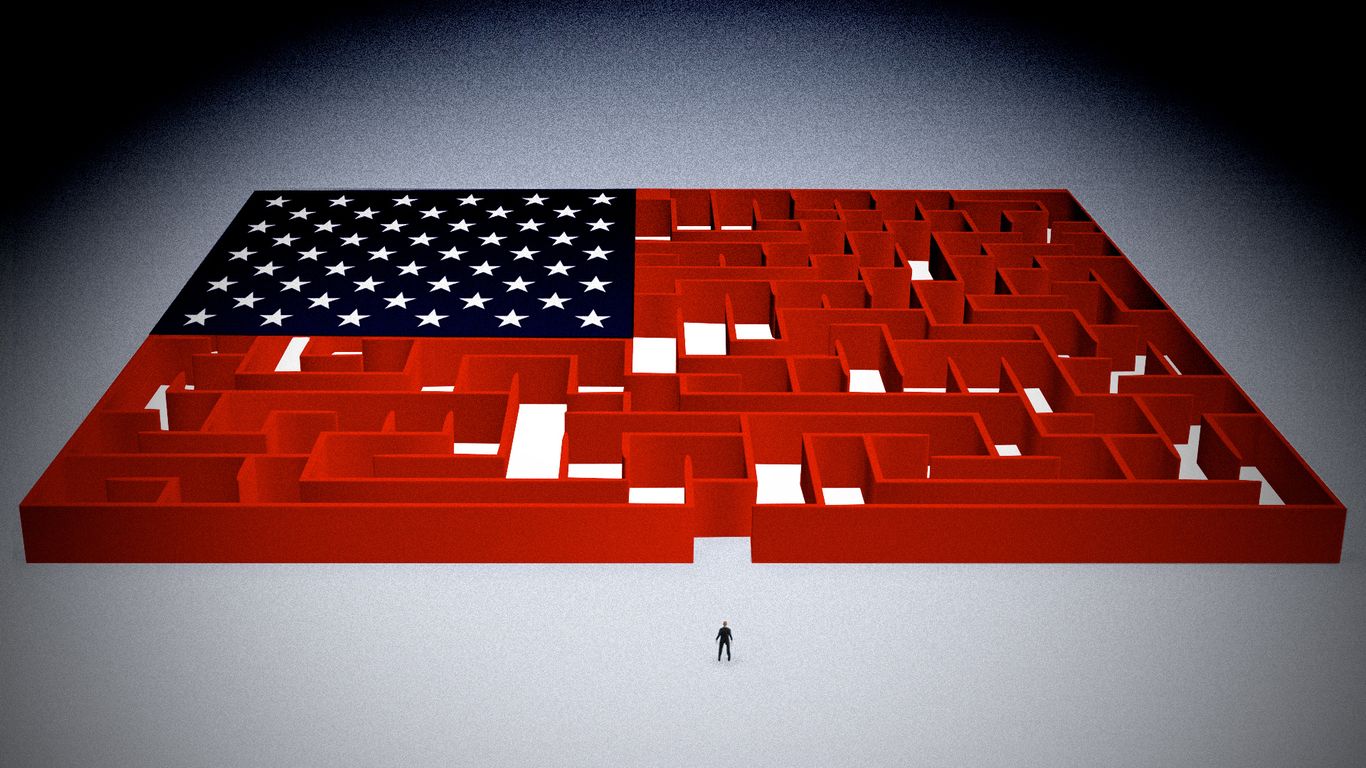
Jamie Dimon's warning: More geopolitical risk for America than since WWII
<p>JPMorgan Chase chairman and CEO <a href="https://www.axios.com/2026/03/31/jamie-dimon-jpmorgan-chase-american-dream-initiative" target="_blank">Jamie Dimon</a> tells me the U.S. is facing the most concurrent risks in 80 years — and that's before AI starts displacing a large number of American workers.</p><p><strong>Why it matters: </strong>Dimon, in <a href="https://www.axios.com/2026/04/01/jamie-dimon-axios-show-iran-politics" target="_blank">an interview</a> for "<a href="https://www.axios.com/the-axios-show" target="_blank">The Axios Show</a>," says American business leaders need to step up, and speak up, to help guide the country through these high-risk, tumultuous times.</p><hr><ul><li>"We in business made a mistake in not getting more involved earlier," Dimon told me at his new global headquarters in Manhattan. "I do not think the problems of society will be fixed by politicians alone."</li><li>Dimon's annual shareholder letter, out next week, will dive deep into geopolitic...
 Politics
A Nebraska hospital in peril shows how a Republican-led rural health fund is coming up short
It's a problem that millions of Americans in rural areas are awakening to as they realize there's no windfall coming for the vulnerable hospitals near their homes.
 Global
How Asia became ground zero for the oil crisis
As the Iran war disrupts oil flows, fuel shortages hit Asia first. Is this the start of a wider global energy crisis?
American journalist Shelly Kittleson has been released week after kidnapping in Iraq, Rubio says - AP News
<a href="https://news.google.com/rss/articles/CBMipAFBVV95cUxNSDFzbjVSWWNPRTJOeS10NWdVbXFTZW1CSFZzcl9leVQ0VWpXOWNnWll2R29NdW9RNEN1TFNTT2RQYnpLZk1uT0ZCcnh4X2ZkTUFZNGF1VUJXR3ZFbzkzY3ZZdjFkX29PUHRGejdtemJ1cjFoSHFPV3E2b2xRcHVtY09zNGxEeTAwVlFWMDNuWjVHandfTmZUa19iY1F3ajVkc3JDMg?oc=5" target="_blank">American journalist Shelly Kittleson has been released week after kidnapping in Iraq, Rubio says</a> <font color="#6f6f6f">AP News</font>
 Global
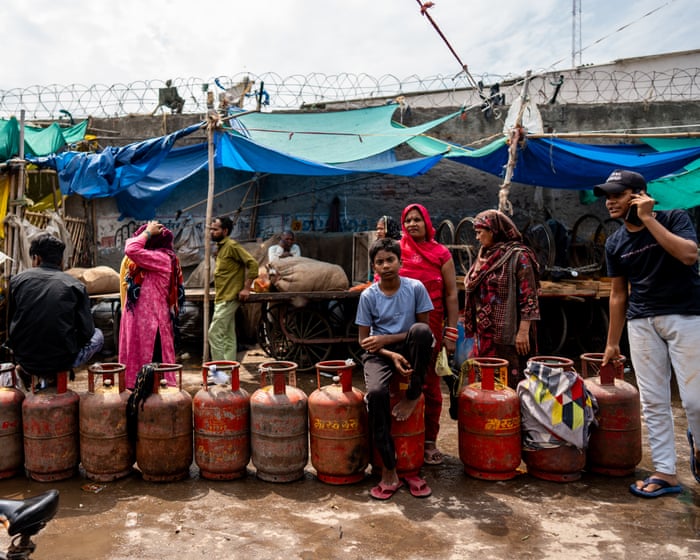
A day in the life of Asia’s fuel crisis
<p>From farms in New Zealand to factories in Delhi, the effects of the oil crisis triggered by the Iran war are rippling across Asia</p> <a href="https://www.theguardian.com/world/2026/apr/03/asia-fuel-crisis-iran-war-ordinary-workers">Continue reading...</a>
 Civil Rights
California 'architect' of 19th century native American genocide, 'US govt 'funded' most of killing'
Eve Irvine is pleased to welcome Benjamin Madley, History Professor at UCLA and author of 'An American Genocide: The United States and the California Indian Catastrophe, 1846-1873'. Drawing upon years of archival research, his work challenges long-standing narratives that attribute this demographic collapse primarily to disease or displacement. He argues that what occurred meets the legal and historical criteria of genocide: a state-sponsored system of violence. Despite immense loss, California’s Indigenous peoples have endured, rebuilt, and continue to assert their sovereignty.
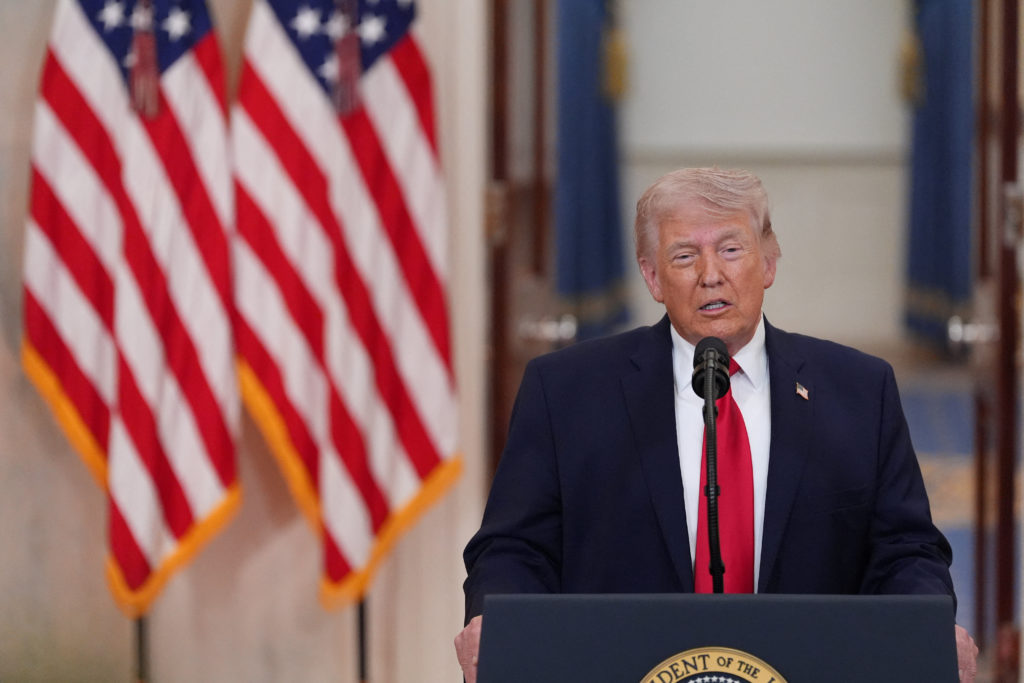
Experts say Trump's threats to destroy Iran's infrastructure could be considered war crime - PBS
Did this story change how you see things?
Stories like this only matter when people see them. Help us get verified journalism in front of more eyes.
The Verity Ledger curates verified investigative journalism from trusted sources only.
See our sourcesMost Read This Week
Protests erupt in West Bank as Israel approves death penalty for Palestinians

Over-the-counter medication abortion? These researchers say it would be safe

US Democratic lawmakers visit Cuba, call on Trump to "bring the rhetoric down" - Reuters
She paid into Medicare for years. Trump's immigration policy will end her coverage

Iran live updates: IRGC says Strait of Hormuz will 'never' revert to pre-war state