

South Africa deploys military to Cape Town townships hit by crime
Quick Insights
The Bottom Line
South Africa deployed military personnel to Cape Town townships to combat rising gang violence and crime.
AI Summary
South Africa has deployed military personnel to Cape Town's townships as part of an escalated government effort to combat rising crime in the region. The deployment represents a significant intervention in communities that have long struggled with gang violence and criminal activity. This move signals the government's attempt to address public safety concerns that have affected residents and businesses in the affected townships. Military presence in civilian areas typically generates debate over effectiveness and potential civil liberties concerns, though authorities frame it as a necessary measure to restore order. The operation underscores the persistent security challenges facing South Africa's major urban centers.
What's Being Done
South Africa's government deployed military forces to Cape Town townships as part of an escalated crime-fighting effort.
This article is part of a story we're tracking:
Should this be getting more attention?
You Might Have Missed
Related stories from different sources and perspectives
 Global
South Africa says France withdrew its G7 invitation due to US pressure
South Africa's presidency said on Thursday that France had withdrawn an invitation to the G7 leaders' summit in June due to sustained pressure from the United States, including a threat to boycott the summit. This decision was communicated to Pretoria by the French embassy about two weeks ago, said Vincent Magwenya, a spokesperson for South African President Cyril Ramaphosa. FRANCE 24's Eunice Masson reports from Cape Town, South Africa.
 Government Transparency
U.S. takes action after Free Press report on South African refugees
The Free Press' Madeleine Rowley reported on the living conditions that South African refugees were facing after being brought to the U.S. by the Trump administration. Now, the government is moving to help them.
 National Security
Trump says ‘military wanted’ White House ballroom: ‘That was supposed to be secret’
President Trump says there’s a national security component to the construction of the White House ballroom that was “supposed to be secret.” “Now it’s no secret, the military wanted it more than anybody,” Trump said of the construction of the ballroom Thursday during a Cabinet meeting at the White House. “It was supposed to be…
 Civil Rights
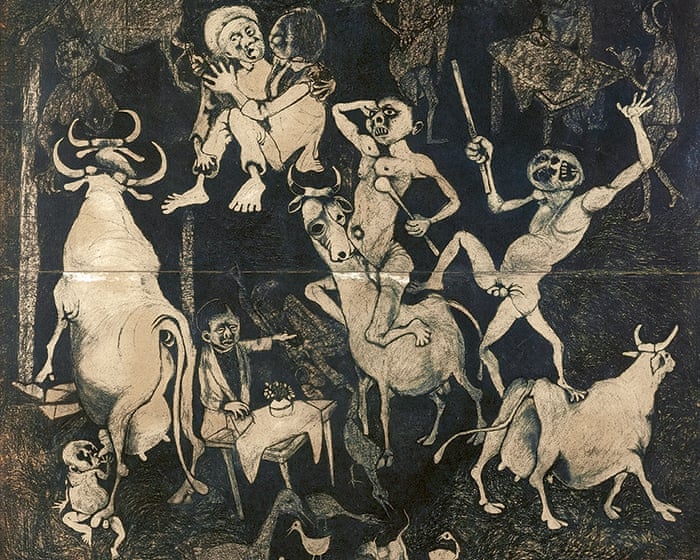
‘The violence of racist tyranny’: African Guernica goes on display alongside Picasso masterpiece
<p>Piece by late South African artist Dumile Feni is part of new series History Doesn’t Repeat Itself, But It Does Rhyme </p><p>On the second floor of the Reina Sofía, in the very spot where Picasso’s <a href="https://www.museoreinasofia.es/en/collections/artwork/guernica-0">Guernica</a> was first exhibited when it arrived in the Madrid museum 34 years ago, there now hangs a smaller, near-namesake of the Spanish artist’s most famous work.</p><p>While African Guernica, which was drawn by the late South African artist <a href="https://www.grosvenorgallery.com/artists/67-dumile-feni/overview/">Dumile Feni</a> in 1967, may lack the scale of Picasso’s masterpiece, its depth, anger and unnerving juxtaposition of man and beast, light and dark, and innocence and cruelty, are every bit as disturbing.</p> <a href="https://www.theguardian.com/artanddesign/2026/mar/27/african-guernica-dumile-feni-on-display-alongside-picasso">Continue reading...</a>
 Global
African football chief will ‘respect’ CAS decision on AFCON final row
'I will respect and implement the CAS decision,' Patrice Motsepe says amid turbulent times in African football.
 Civil Rights
African Content Moderators Have Worse Mental Health than Global Peers, Study Finds
A new study finds African content moderators report worse mental health than global peers, amid low pay, precarious work, and exposure to traumatic content.
Trump: U.S. will bomb Iran "back to stone ages" over next 2-3 weeks
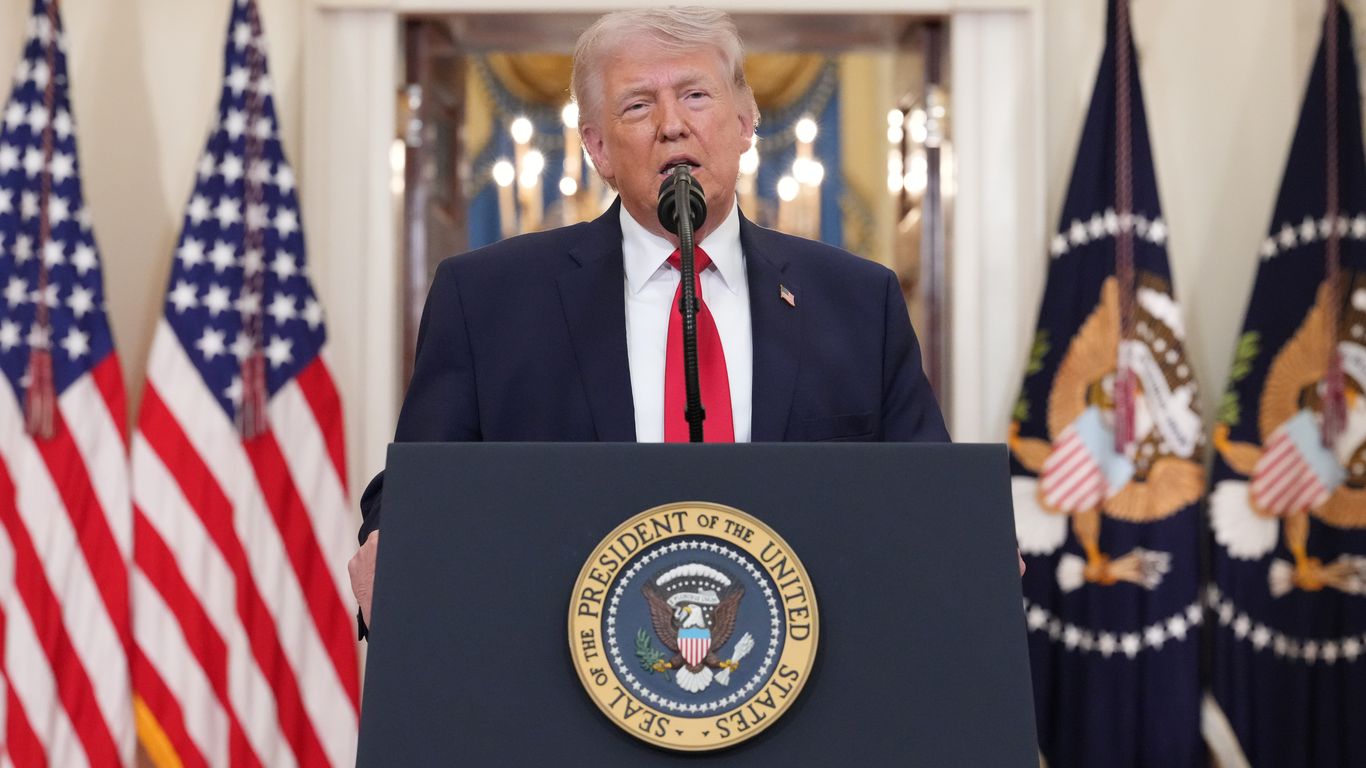
<p>President Trump said in a prime time address that the U.S. was close to ending its war in <a href="https://www.axios.com/world/iran" target="_blank">Iran</a> but would spend the next two to three weeks bombing the country "back to the stone ages."</p><p><strong>The big picture:</strong> Trump said that if a deal to end the war cannot be reached, the U.S. would bomb all of Iran's power plants and its <a href="https://www.axios.com/energy-climate/oil-companies" target="_blank">oil </a>fields, moves that would have devastating consequences for Iran's civilian population and the future of the country, while likely inciting retaliation on America's allies in the region.</p><hr><ul><li>The threat is likely in part an attempt to convince Iran's leaders to agree to a deal. </li><li>The U.S. has told <a href="https://www.axios.com/world/iran" target="_blank">Iran</a>, through mediators, that it is interested in a ceasefire in exchange for the reopening of the Strait of Hormuz.</li><li>But...
Did this story change how you see things?
Stories like this only matter when people see them. Help us get verified journalism in front of more eyes.
The Verity Ledger curates verified investigative journalism from trusted sources only.
See our sourcesMost Read This Week
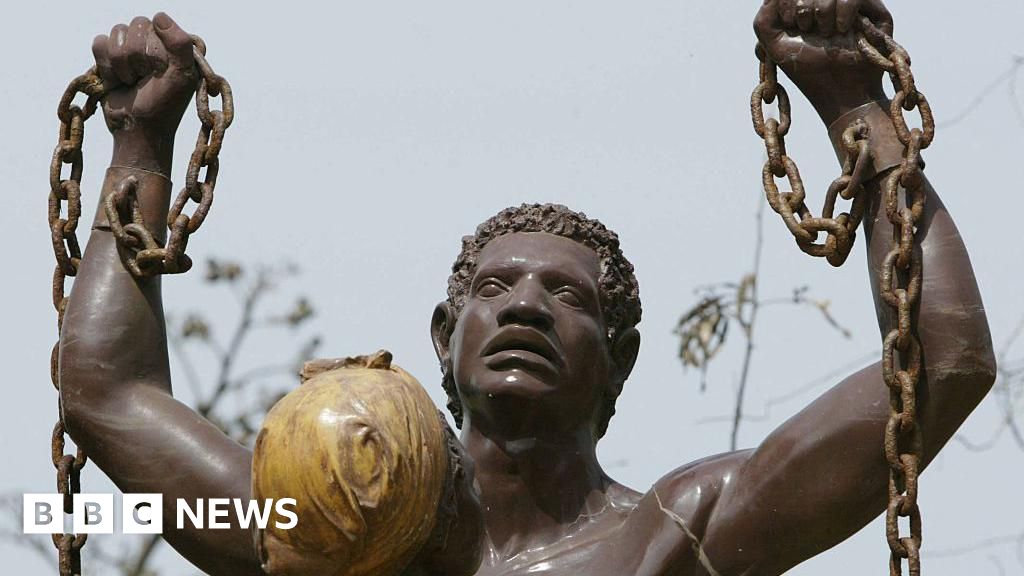
'The gravest crime against humanity': What does the UN vote on slavery mean?
After 16 years and $8 billion, the military's new GPS software still doesn't work
US paves way for private assets to be included in 401(k) retirement plans - Reuters

US votes against UN resolution labeling slavery ‘gravest crime against humanity’

White House AI rollout exposes widening rift