Strait of Hormuz: Why the US and Iran are sailing in very different legal waters
Quick Insights
The Bottom Line
The US and Iran have differing legal interpretations of navigation through the Strait of Hormuz.
AI Summary
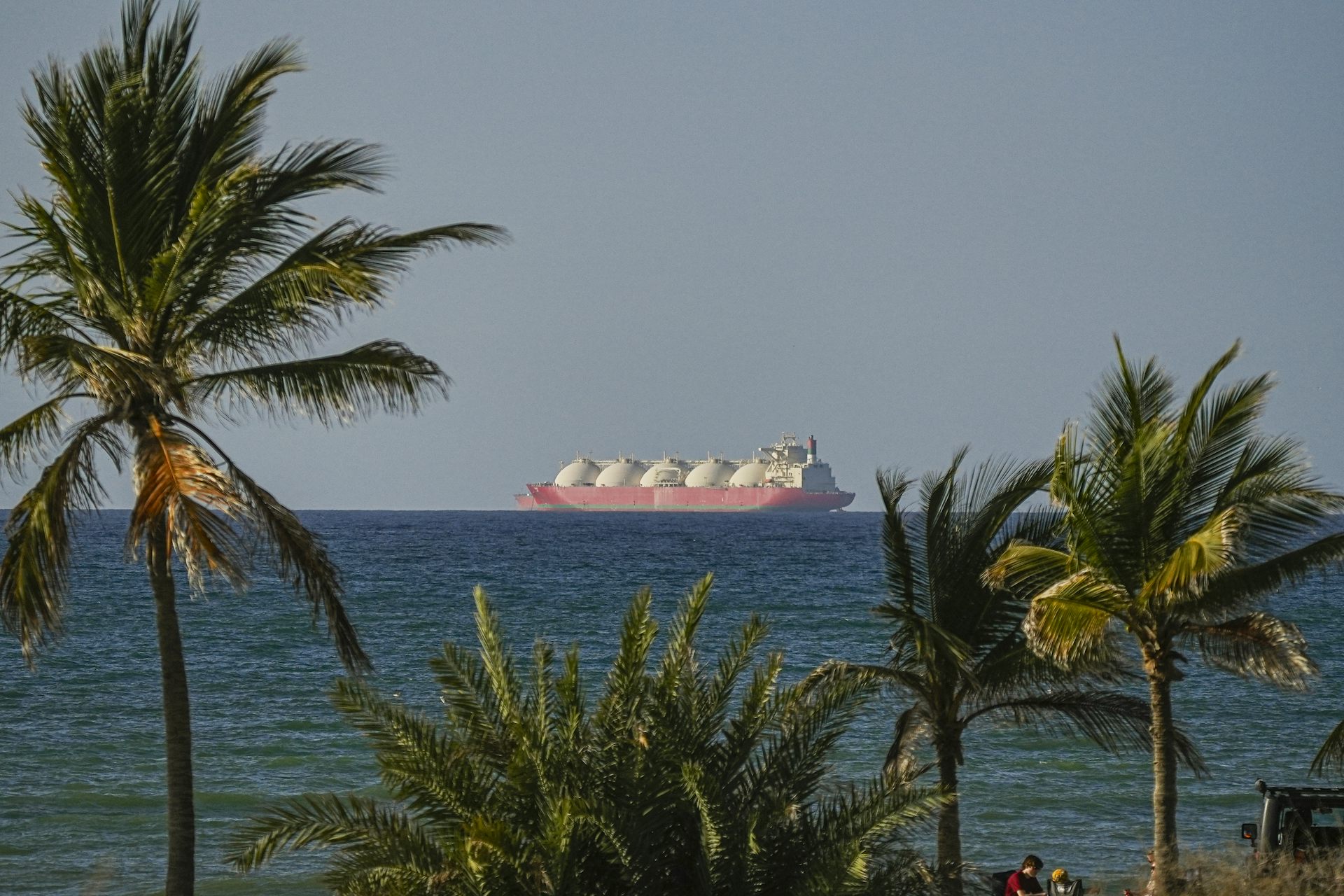
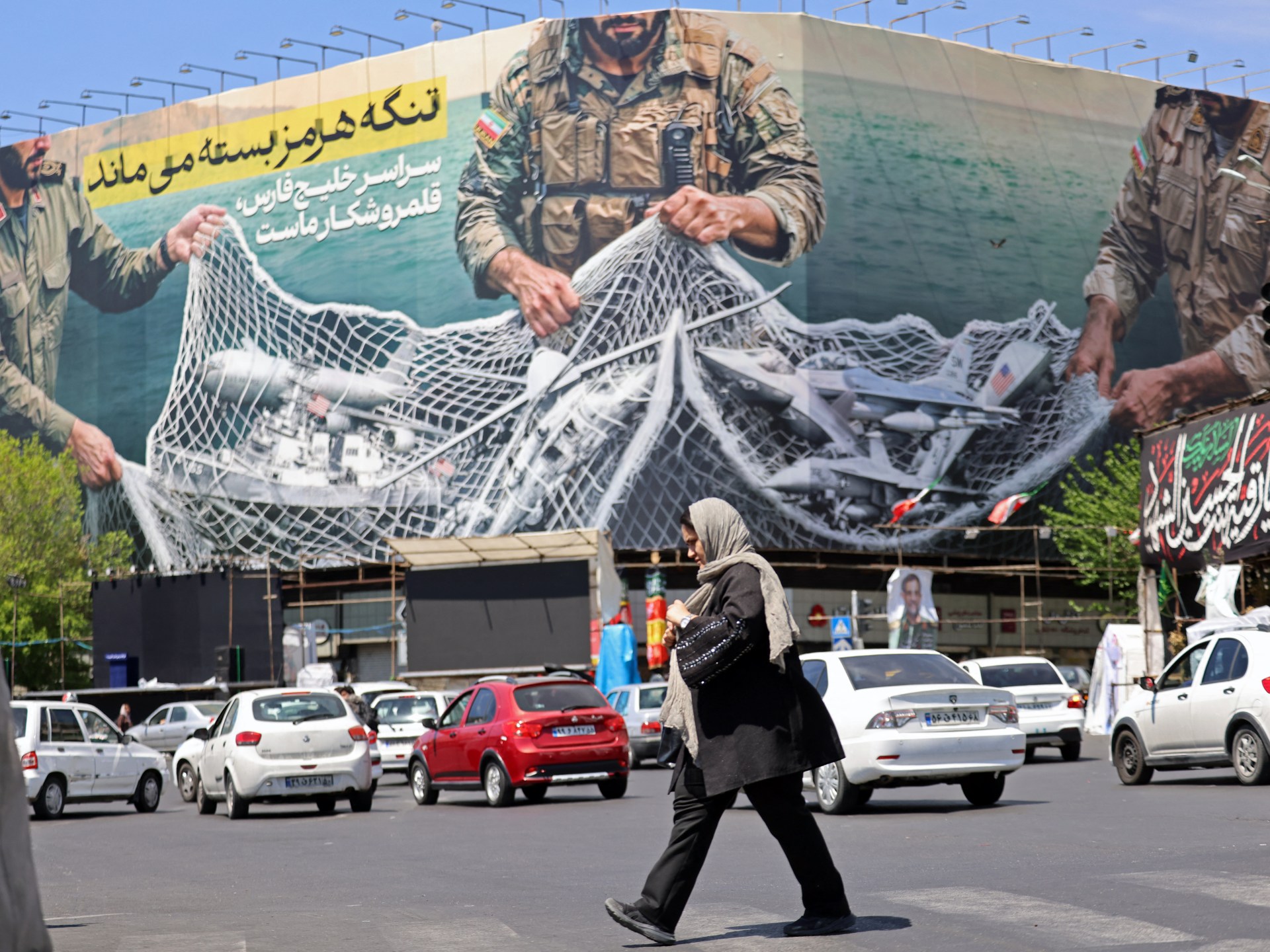
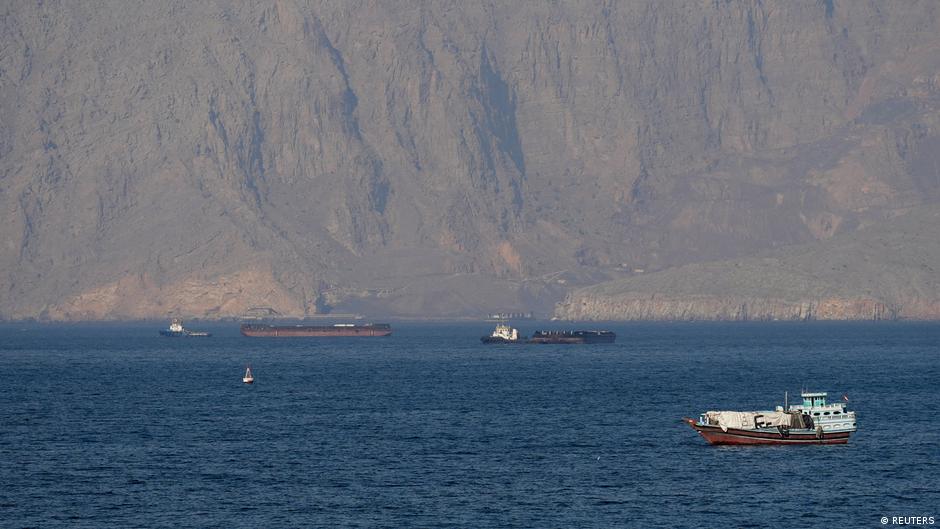
The United States and Iran hold fundamentally different legal interpretations regarding navigation through the Strait of Hormuz, a critical choke point through which 20% of the world's oil passes. Washington views it as an international waterway requiring "transit passage" under UNCLOS, while Tehran considers it part of its territorial waters, allowing only "innocent passage" under older international laws. This disagreement means Iran's toll-charging of ships is seen as illegal by the U.S., and U.S. President Donald Trump’s blockade of the passage is deemed a "grave violation" of sovereignty by Iran. Neither the U.S. nor Iran has ratified the United Nations Convention on the Law of the Sea (UNCLOS), which 171 countries have ratified, preventing it from serving as a basis for agreement. Iran further argues it is a "persistent objector" to any customary international law requiring transit passage, complicating future maritime interactions in the Strait.
Source Coverage Map
27 of 43 tracked sources covered this story
Following this story?
Get notified when new coverage appears
Other Sources Covering This Story
5 sourcesMultiple outlets have reported on this story. Compare perspectives from different sources.

This article is part of a story we're tracking:
Should this be getting more attention?
You Might Have Missed
Related stories from different sources and perspectives
 Global
Middle East : Fragile US-Iran talks hinge on nuclear and Hormuz disputes
US-Iran negotiations show limited progress but remain tense, with disputes over enriched uranium and the Strait of Hormuz still unresolved. Donald Trump warns the conflict could resume if no deal is reached, while mediators say compromises may still be possible on nuclear restrictions.
 National Security
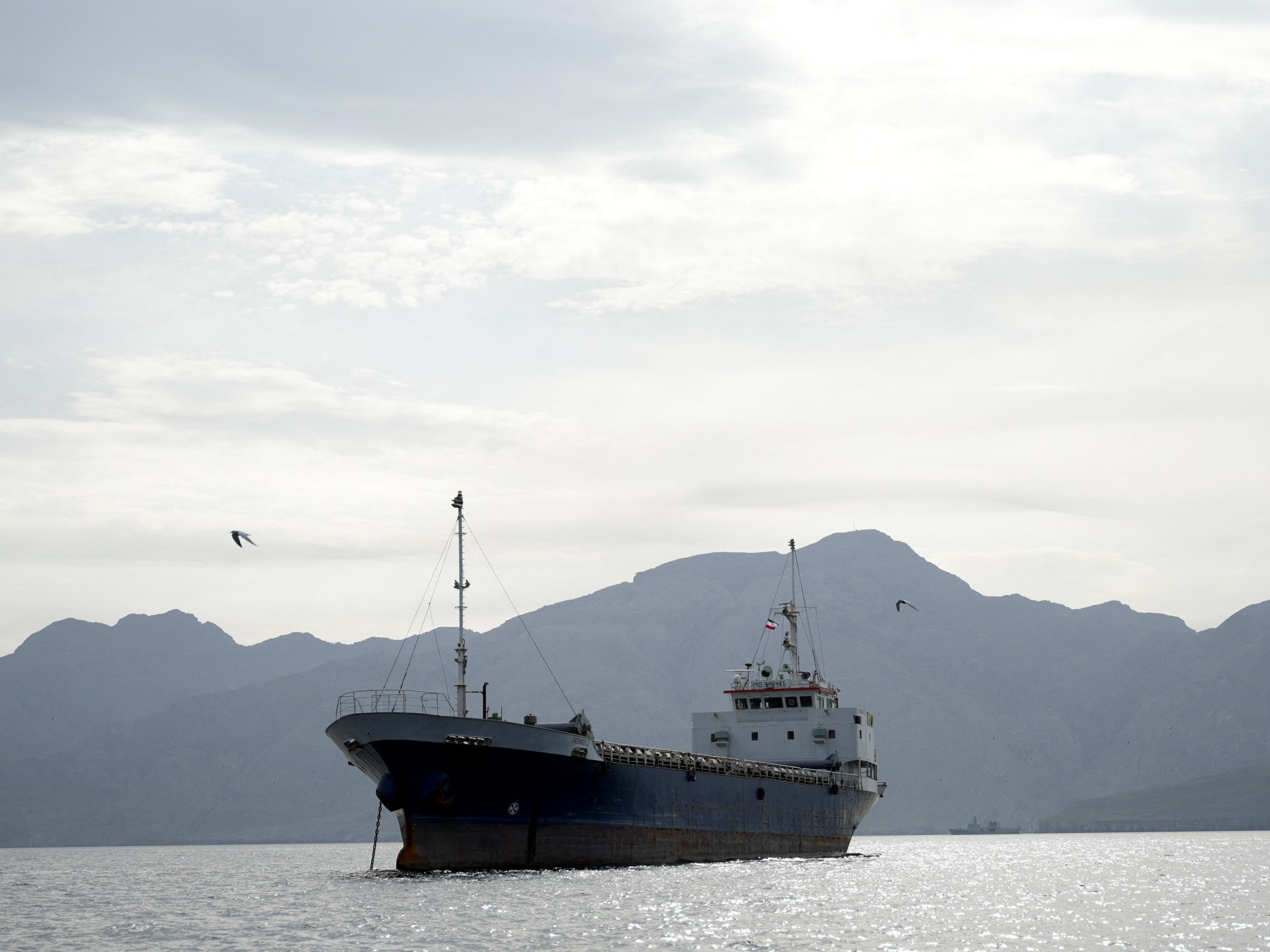
Iran’s army says US plan to blockade Hormuz ‘amounts to piracy’
The US restrictions on maritime navigation and transit in international waters are illegal, Iranian military says.
The truce in Lebanon is key to ending the wider Iran war, but challenges remain - AP News
<a href="https://news.google.com/rss/articles/CBMiswFBVV95cUxQa0M0ajJlRENMNGo1OHRna3BpY05lMkQ0U0lJQlFwSnM4a3BRc1ZOZEhMOXd6b09mdnRmcTRIOUNXTlMtei1TaGNXNGtOVVkzeFFwdjNmdFZFX1FFVmFYRnFQU2FxNnBPWHEtckswbmduMW1SUTB0NGlxOGE0RmQ1OVluWTJYQ0xndGlkN2hxRVlLbnhzY1VtcTlfaDhZRkgyODJoeHZKYVFkTlU2ZUd1TmdZOA?oc=5" target="_blank">The truce in Lebanon is key to ending the wider Iran war, but challenges remain</a> <font color="#6f6f6f">AP News</font>
 Politics
Fuel protests have Ireland's government facing possible no-confidence vote
The prime minister announced new tax cuts to try to end the crisis that began after the U.S.-Israel war on Iran led to the closure of the Strait of Hormuz. The government could face a no-confidence vote over its response to the fuel protests.
 Politics
News live: PM visits Geelong refinery after fire; Trump renews accusations Australia hasn’t done enough to help in strait of Hormuz
<p>Prime minister cuts fuel security visit to Malaysia short. Follow updates live</p><ul><li><p>Get our <a href="https://www.theguardian.com/email-newsletters?CMP=cvau_sfl">breaking news email</a>, <a href="https://app.adjust.com/w4u7jx3">free app</a> or <a href="https://www.theguardian.com/australia-news/series/full-story?CMP=cvau_sfl">daily news podcast</a></p></li></ul><p>An extra 250,000 tonnes of agricultural-grade urea for fertiliser will come to Australia from Indonesia, under a new deal supported by the federal government.</p><p>That’s around 20% of the fertiliser needed for the current planting season for Australian farmers, according to the Albanese government.</p><p>This deal also shows why it’s critically important that we have strong relationships with our regional partners.</p><p>While this is a commercial deal, the Australian and Indonesian Governments have been working to support this positive outcome … This will mean Australia can continue to play an important role ...
 Government Transparency
WATCH: Vought won't say how much Trump has spent on Iran war so far
Russell Vought, director of the Office of Management and Budget, declined to tell lawmakers on the Senate Budget Committee in a hearing Thursday how much the federal government has spent on the Iran war so far. Watch the clip in the video player above. "We don't have that figures right now, I think in part because it's fluctuating on a day-in, day-out basis," he told Sen. Patty Murray, D-Wash. READ MORE: Israel and Lebanon reach...

US extends waiver on Russian oil sanctions to ease Iran war shortages despite Bessent denial - Politico
Did this story change how you see things?
Stories like this only matter when people see them. Help us get verified journalism in front of more eyes.
The Verity Ledger curates verified investigative journalism from trusted sources only.
See our sourcesMost Read This Week
Report: Merck’s blockbuster cancer drug topped $200,000 a year under Trump

What to know about Eric Swalwell’s exit from Congress and the California governor’s race - AP News
IMF, World Bank, IEA urge countries to stop hoarding energy supplies, imposing export controls - Reuters
Anthony Albanese urges Israel to stop Lebanon attacks that intensified during Middle East ceasefire

Bipartisan duo that pushed Swalwell, Gonzales to resign says other lawmakers may be next