
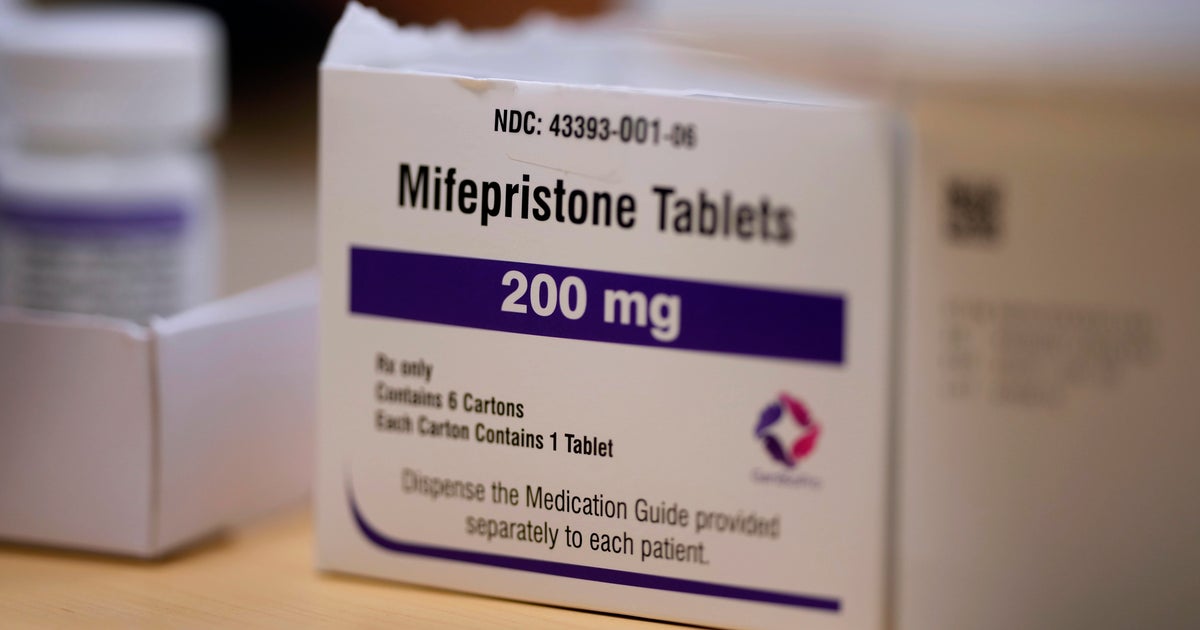
Woman charged with murder after allegedly taking abortion pills, going to hospital
Quick Insights
The Bottom Line
Georgia woman charged with murder after taking abortion pills, marking rare prosecution of woman herself under strict state law.
How This Affects You
Women in Georgia and other restrictive states face potential murder charges for self-induced abortion, creating legal jeopardy when seeking emergency medical care for pregnancy loss.
AI Summary
A 31-year-old Georgia woman has been charged with murder after allegedly self-administering abortion pills at home and then seeking emergency medical care for severe pain. The woman presented to a hospital emergency room following the alleged use of the pills, triggering an investigation by police and prosecutors. The case represents a rare and controversial application of murder charges in connection with self-induced abortion, raising questions about criminal liability when a woman terminates her own pregnancy. Georgia has some of the nation's strictest abortion restrictions following the Supreme Court's 2022 decision overturning Roe v. Wade, which returned abortion regulation to individual states. The charge underscores the potential legal jeopardy women in restrictive states may face when seeking medical care related to pregnancy loss or termination.
This article is part of a story we're tracking:
Should this be getting more attention?
You Might Have Missed
Related stories from different sources and perspectives
 Civil Rights
Georgia woman charged with murder after police say she took pills to induce abortion
<p>If prosecuted, case against 31-year-old would be one of first in Georgia since it passed 2019 law banning most abortions</p><ul><li><p><a href="https://www.theguardian.com/news/2026/feb/17/sign-up-for-the-breaking-news-us-email-to-get-newsletter-alerts-direct-to-your-inbox?utm_medium=ACQUISITIONS_STANDFIRST&utm_campaign=BN22326&utm_content=signup&utm_term=standfirst&utm_source=GUARDIAN_WEB">Sign up for the Breaking News US email to get newsletter alerts in your inbox</a></p></li></ul><p>A 31-year-old <a href="https://www.theguardian.com/us-news/state-of-georgia">Georgia</a> woman has been charged with murder by police who say she took pills to induce an illegal <a href="https://www.theguardian.com/world/abortion">abortion</a>.</p><p>If state prosecutors decide to move forward with the murder charge brought by local police against Alexia Moore, her case would be one of the first instances of a woman being charged for terminating a pregnancy in Georgia since it pass...
 Civil Rights
Georgia woman charged with murder over alleged use of abortion pills
A 31-year-old Georgia woman has charged with murder by police who say she took pills to induce an abortion.
 Civil Rights
Georgia woman charged with murder after police say she took pills to induce an abortion - AP News
<a href="https://news.google.com/rss/articles/CBMipgFBVV95cUxOZVVlSkRWNGdhcFprU0t3N1JFWVVfYV84UkNBZExLY08wdy1wSjY2Vk4xSkgwR293TVFCaERMdTRkVkVIU1lwck1GWnRvR1RMNXNueXhFZGVjQ3FRbEdaOUo2NjdwUWxLNjlIR3I3RU8zUFBwWDExb0xlY3lsT3I3YktVUzEtTUE3QnQ3UWxJZmlJQUNEdW1sVS1jT1RnMm9yUnJVSTh3?oc=5" target="_blank">Georgia woman charged with murder after police say she took pills to induce an abortion</a> <font color="#6f6f6f">AP News</font>
 Civil Rights
Woman charged with murder after allegedly taking abortion pills, going to hospital - The Washington Post
 Civil Rights
Veteran accused of taking abortion pills late term faces murder charge in Georgia - The Independent
 Civil Rights
Woman has sentence quashed by Tanzania court after over a decade on death row
<p>Lemi Limbu, who has severe intellectual disabilities, remains in prison and will now face retrial for the murder of her daughter</p><p>A woman with severe intellectual disabilities in Tanzania has had her conviction and death sentence quashed after spending more than a decade in prison awaiting execution.</p><p><a href="https://www.theguardian.com/global-development/ng-interactive/2025/nov/28/the-deadliest-wait-five-women-on-death-row">Lemi Limbu</a>, now in her early 30s, was convicted of the murder of her daughter in 2015. On 4 March, a court in Shinyanga, northern Tanzania, declared she can appeal. She will face a retrial, but a date has yet to be set.</p> <a href="https://www.theguardian.com/global-development/2026/mar/19/tanzania-lemi-limbu-freed-woman-learning-disabilities-death-row">Continue reading...</a>

Teenager becomes youngest person to die in ICE detention in Trump’s second term
<p>Royer Perez-Jimenez, 19, from Mexico, was found ‘unconscious and unresponsive’ in Florida detention center</p><ul><li><p><a href="https://www.theguardian.com/news/2026/feb/17/sign-up-for-the-breaking-news-us-email-to-get-newsletter-alerts-direct-to-your-inbox?utm_medium=ACQUISITIONS_STANDFIRST&utm_campaign=BN22326&utm_content=signup&utm_term=standfirst&utm_source=GUARDIAN_WEB">Sign up for the Breaking News US email to get newsletter alerts in your inbox</a></p></li></ul><p>A teenager being held at a <a href="https://www.theguardian.com/us-news/usimmigration">US immigration</a> detention facility in Florida died this week, US Immigration and Customs Enforcement (ICE) said on Thursday, the youngest person to die in ICE custody since <a href="https://www.theguardian.com/us-news/donaldtrump">Donald Trump</a> took office last year.</p><p>Royer Perez-Jimenez, 19, originally from Mexico, was found “unconscious and unresponsive” in his room on 16 March at the Glades count...
Did this story change how you see things?
Stories like this only matter when people see them. Help us get verified journalism in front of more eyes.
The Verity Ledger curates verified investigative journalism from trusted sources only.
See our sourcesMost Read This Week
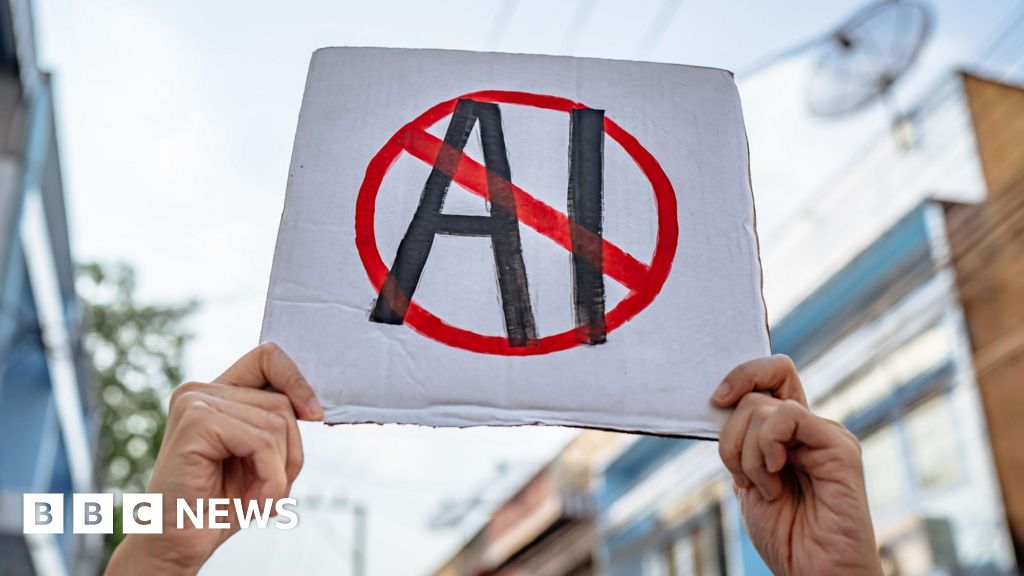
Race on to establish globally recognised 'AI-free' logo
Biggest wildfire in Nebraska history continues to burn out of control - abcnews.com

TikTok and Meta risked safety to win algorithm arms race, whistleblowers say

Bank of America reaches proposed, non-binding settlement in Jeffrey Epstein suit

White House registers new ‘alien’-related .gov domains as DOD tackles Trump’s disclosure directive