
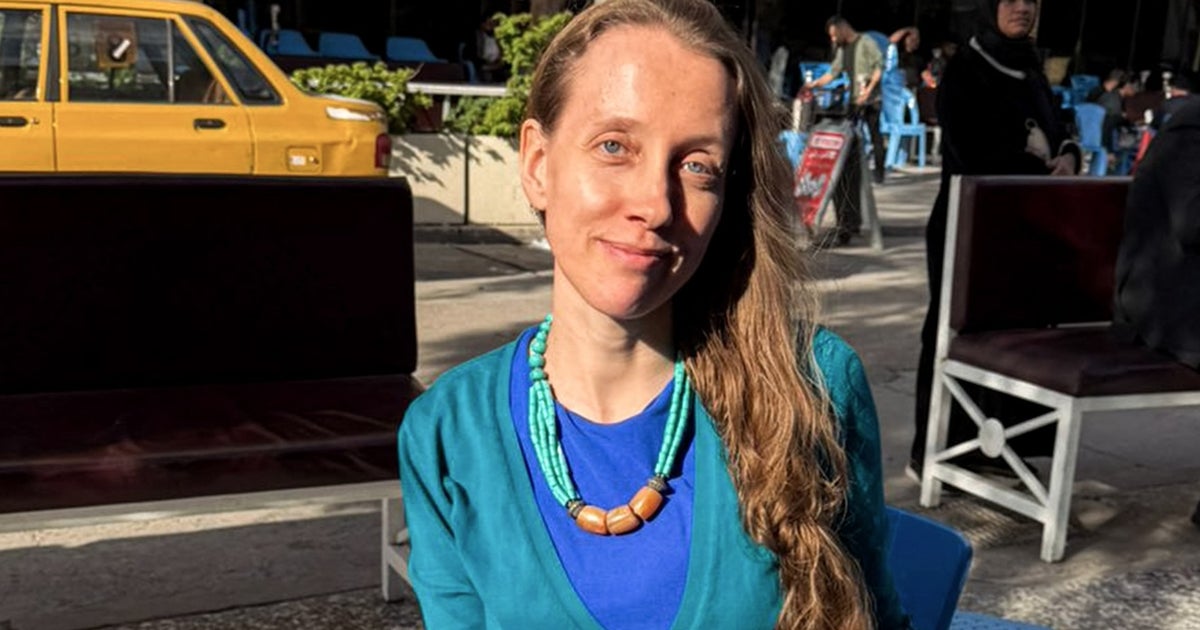
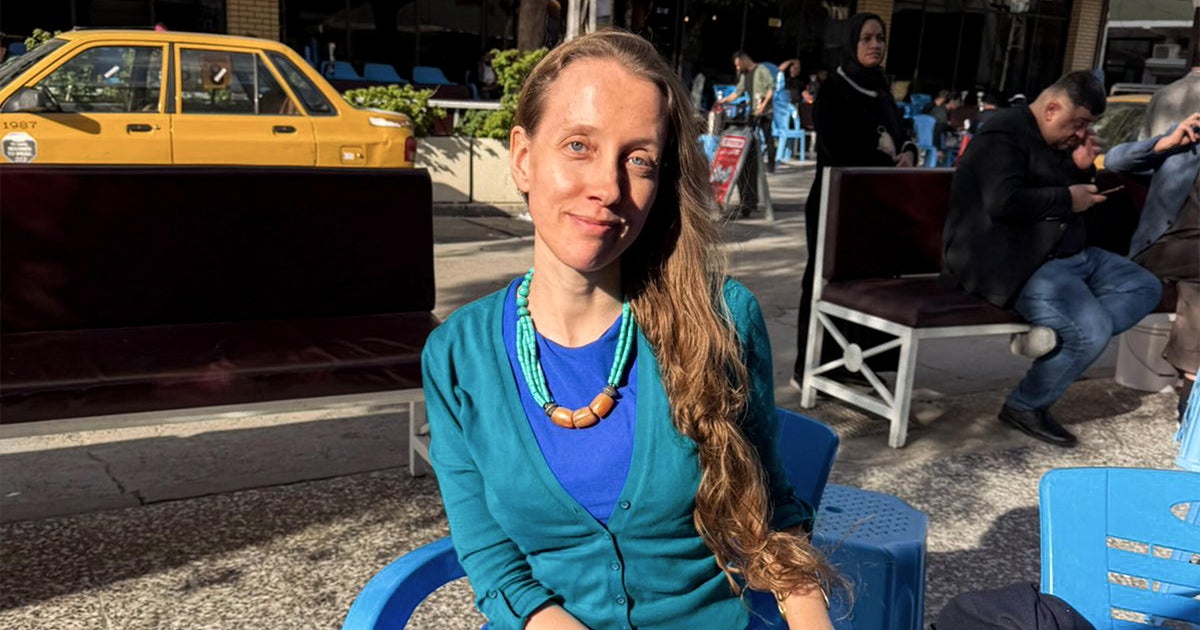
American journalist Shelly Kittleson was concerned about her safety before kidnapping, editor says
Quick Insights
The Bottom Line
American journalist Shelly Kittleson was kidnapped in Iraq after expressing safety concerns beforehand.
AI Summary
American journalist Shelly Kittleson was kidnapped in Iraq, and an editor has told CBS News that she had expressed concerns about her safety before the abduction occurred. The revelation suggests potential warning signs preceded the incident, raising questions about security protocols for journalists operating in the conflict-affected region. Kidnappings of foreign journalists in Iraq have been a persistent threat, particularly during periods of instability. The editor's account underscores the dangers American reporters face when covering developments in high-risk zones. Kittleson's case highlights the vulnerability of international media personnel in regions where militant groups and criminal organizations operate.
Source Coverage Map
14 of 43 tracked sources covered this story
Following this story?
Get notified when new coverage appears
Other Sources Covering This Story
5 sourcesMultiple outlets have reported on this story. Compare perspectives from different sources.


This article is part of a story we're tracking:
Should this be getting more attention?
You Might Have Missed
Related stories from different sources and perspectives
 Civil Rights
‘Paradox’ for journalists in Lebanon: ‘High press freedom, extremely low safety preparedness'
Haxie Meyers-Belkin is pleased to welcome Ayman Mhanna, Executive Director of the Beirut-based Samir Kassir Foundation. He describes a media landscape in which expressive freedom coexists with insecurity. The conditions necessary to protect journalists remain dangerously insufficient, particularly in war zones, where targeting the press has become normalised. Mhanna sees tension within Lebanese society, between enduring traditions of solidarity and a rising tide of polarisation. If left unchecked, this internal fragmentation risks becoming more damaging than the conflict that provoked it.
 AI & Warfare
80 percent in new survey concerned about AI
Eight in 10 Americans are concerned about artificial intelligence (AI), according to a new poll. In the Quinnipiac poll released Monday, 80 percent of respondents said they are “very concerned” or “somewhat concerned” when it comes to AI. Eighteen percent are “not so concerned” or “not concerned at all” about the technology and 2 percent…
 Finance
Can a creditor freeze your bank account if your only income is disability?
Creditors have real power to freeze bank accounts, but there are protections in place for disability income.
 Global
American Airlines flight attendant reported missing in Colombia: Officials
An American Airlines flight attendant has been reported missing in Colombia, according to officials.
 Global
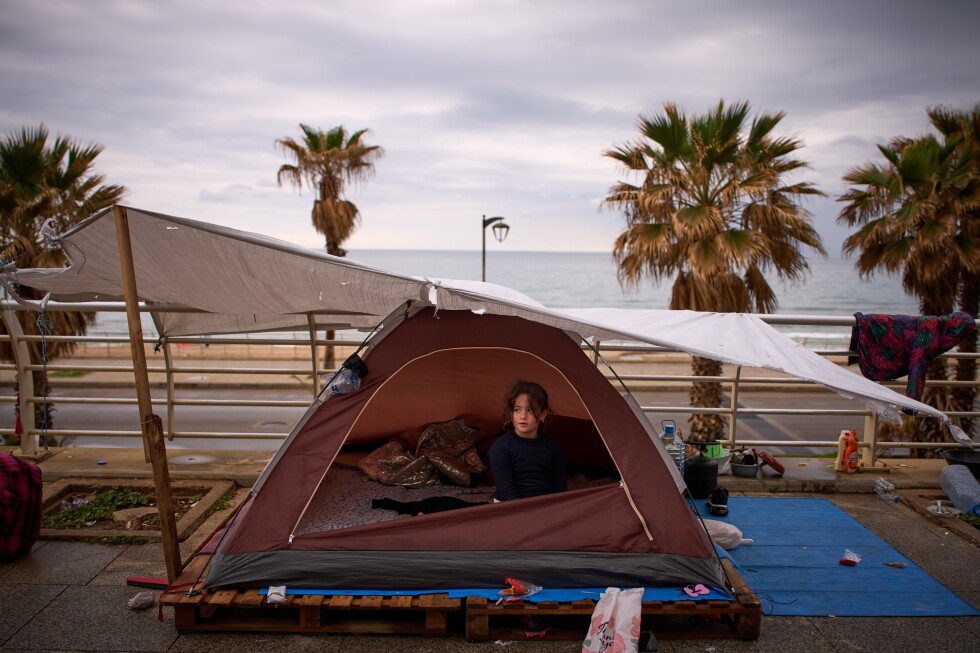
The top photos of the day by AP’s photojournalists - AP News
<a href="https://news.google.com/rss/articles/CBMiqwFBVV95cUxOVWNMeEtRXzg0ZUpxUzgtU3djZnZtWGdxUDVNdzI2czFtNjFZazl4a0dpRGpMTXB3Sm5hRy1Jel9jZHlHVUZ2eUlnbEJSZlJ2ckZZR0dRa1RfTFVSb21LaU5rYjZFR1FCU1NaZUx1NkIzOHR0OUVtcklkQWY3eTJORVljXzJ2THRVWkY3VHpwLXBSMWJDbG9KcF9NY0V0SWVCWUp2cnZwVzFLNEk?oc=5" target="_blank">The top photos of the day by AP’s photojournalists</a> <font color="#6f6f6f">AP News</font>
 Global
Russia says it will expel Dutch journalist in tit-for-tat move - reuters.com
<a href="https://news.google.com/rss/articles/CBMijAFBVV95cUxPdWowWlQzdy02NV9nb3FfNXlJdkllNUF0MzJSeUtHWThVakFPd1dDM0hsTk55aE1tOWlqR0duV09qVHhqZjQzNEUwS0I4YXRIdGxiVG16al8xMHhYX1U4RDNZNDNLdlhhVkNWN0EwaUpiQk1tTDh4Sk1HS2hVbjZGTF92eXU3ZWt4c1JxMA?oc=5" target="_blank">Russia says it will expel Dutch journalist in tit-for-tat move</a> <font color="#6f6f6f">reuters.com</font>
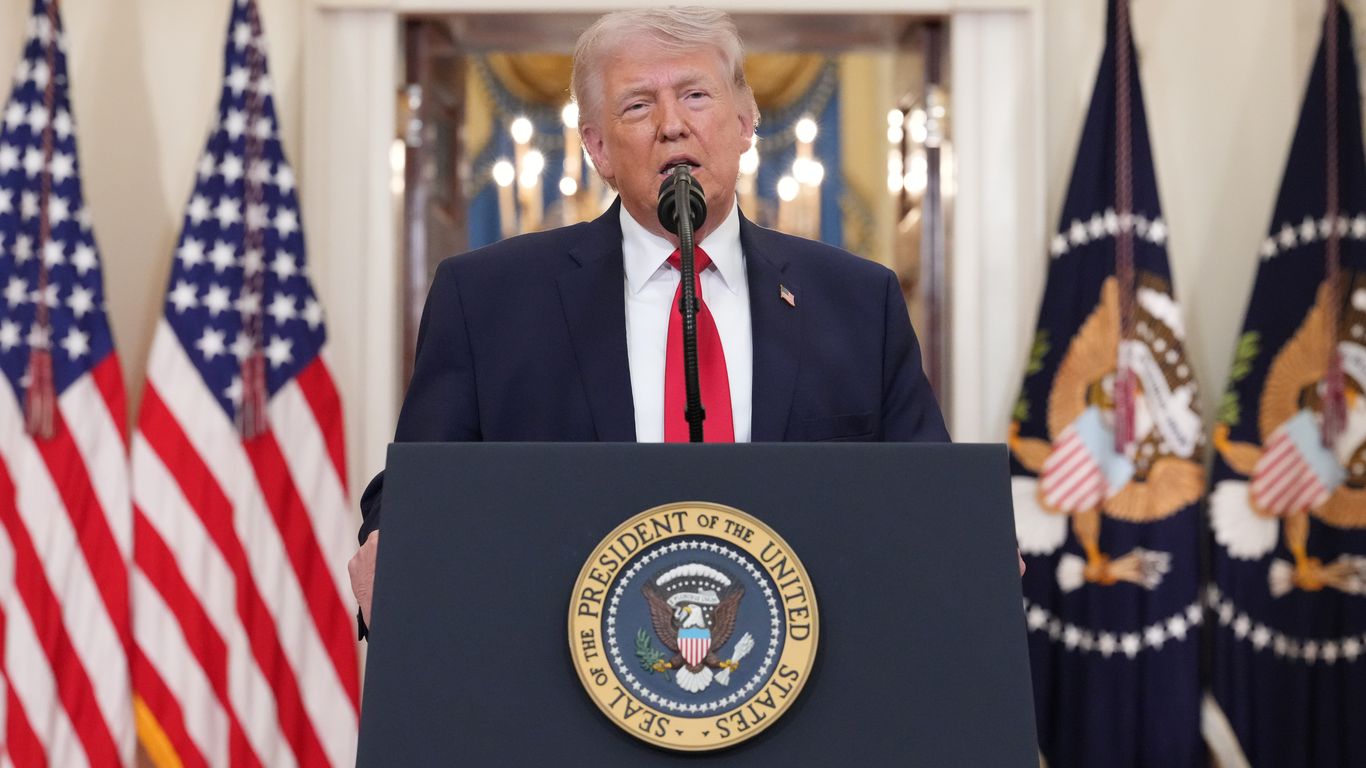
Trump: U.S. will bomb Iran "back to stone ages" over next 2-3 weeks
<p>President Trump said in a prime time address that the U.S. was close to ending its war in <a href="https://www.axios.com/world/iran" target="_blank">Iran</a> but would spend the next two to three weeks bombing the country "back to the stone ages."</p><p><strong>The big picture:</strong> Trump said that if a deal to end the war cannot be reached, the U.S. would bomb all of Iran's power plants and its <a href="https://www.axios.com/energy-climate/oil-companies" target="_blank">oil </a>fields, moves that would have devastating consequences for Iran's civilian population and the future of the country, while likely inciting retaliation on America's allies in the region.</p><hr><ul><li>The threat is likely in part an attempt to convince Iran's leaders to agree to a deal. </li><li>The U.S. has told <a href="https://www.axios.com/world/iran" target="_blank">Iran</a>, through mediators, that it is interested in a ceasefire in exchange for the reopening of the Strait of Hormuz.</li><li>But...
Did this story change how you see things?
Stories like this only matter when people see them. Help us get verified journalism in front of more eyes.
The Verity Ledger curates verified investigative journalism from trusted sources only.
See our sourcesMost Read This Week
'The gravest crime against humanity': What does the UN vote on slavery mean?

After 16 years and $8 billion, the military's new GPS software still doesn't work
US paves way for private assets to be included in 401(k) retirement plans - Reuters

US votes against UN resolution labeling slavery ‘gravest crime against humanity’

White House AI rollout exposes widening rift