
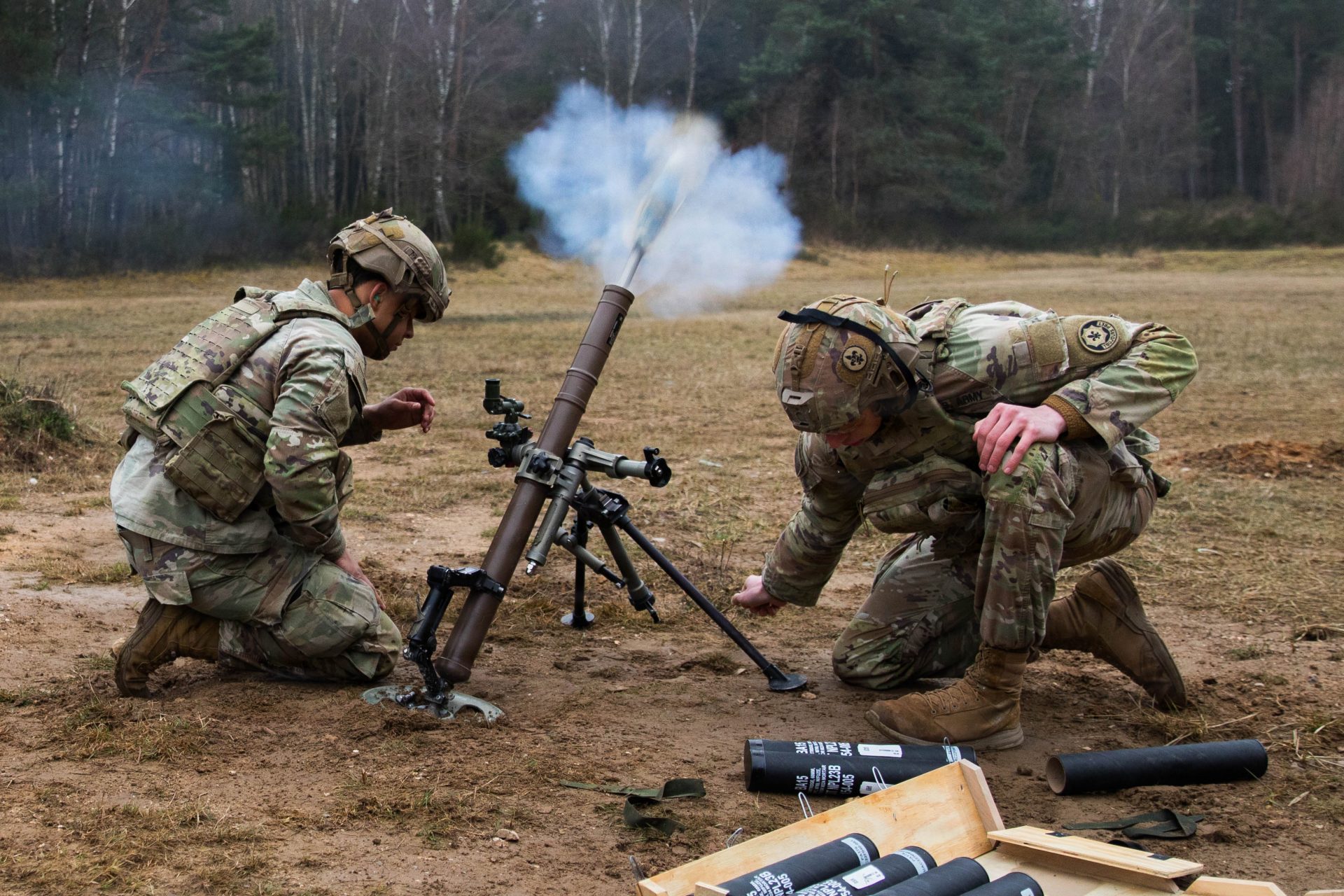
Army taps industry for sensor tech to help assess impacts of blasts on troops
Quick Insights
The Bottom Line
The Army is developing sensor technology to measure how blast explosions affect troops' brains, hearts, and bodies in real time.
How This Affects You
If you have a family member serving in combat, improved blast injury detection could lead to faster medical intervention and better long-term health outcomes.
AI Summary
The Army is seeking sensor technology to measure how blast overpressure from explosions and weapons affects troops' physiology, including brain activity, heart rate, and respiration, according to a request for information issued by Army Contracting Command last week. The push follows decades of underrecognized blast injuries from improvised explosive devices during the Global War on Terror and renewed exposure in the ongoing conflict with Iran, where 13 U.S. troops have been killed and hundreds injured in the first month of Operation Epic Fury. Military researchers say they have entered a "new phase" of studying blast effects after years of neglect, with plans to establish baseline tests on explosive ordnance disposal troops. The requested sensors must integrate hardware and software into a physiological monitoring system, with industry responses due April 16. The effort reflects broader military recognition that conditions like traumatic brain injuries, heart complications, and digestive problems from blast exposure can take months to manifest.
What's Being Done
Army Contracting Command issued a request for information on sensor technology with industry responses due April 16, with baseline testing planned for explosive ordnance disposal troops.
This article is part of a story we're tracking:
Should this be getting more attention?
You Might Have Missed
Related stories from different sources and perspectives
 National Security
Defense agencies are bullish on commercial tech, but shortcomings persist
“Commercial first is vitally important," said the Army's Andrew Evans. But it "also has some challenges, too." The post Defense agencies are bullish on commercial tech, but shortcomings persist appeared first on DefenseScoop .
 Technology
Tech CEOs suddenly love blaming AI for mass job cuts. Why?
More tech leaders are pointing to job cuts caused by AI tools - and a need for more investment cash.
 Technology
From scrappy startup to tech giant, Apple celebrates its 50th year
Countercultural mythmaking and global corporate dominance have helped the tech corporation sail through criticism.
 National Security
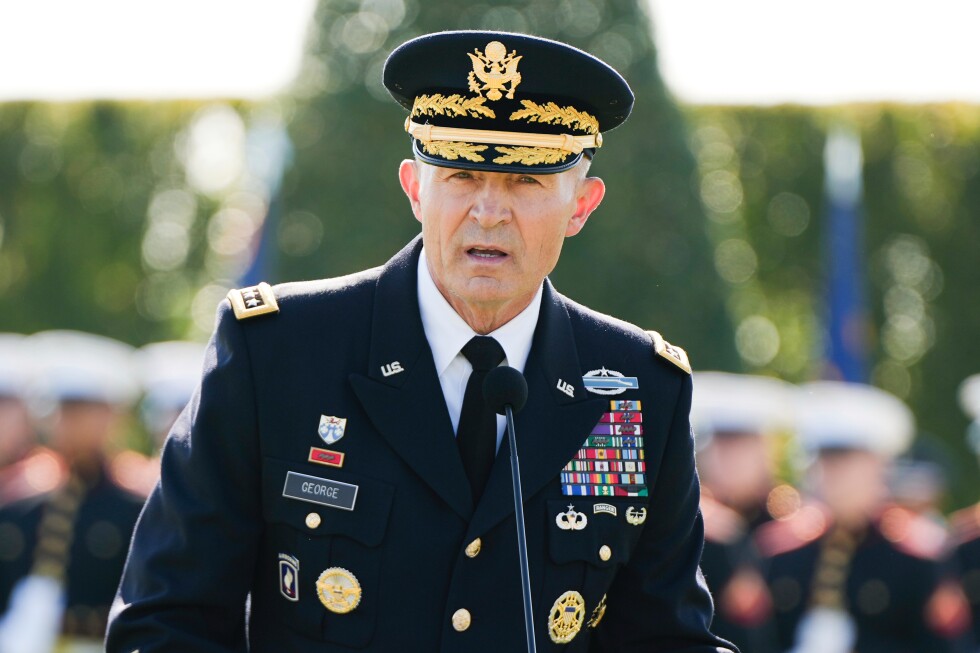
Hegseth asks the Army's top uniformed officer to step down while US wages war against Iran - AP News
<a href="https://news.google.com/rss/articles/CBMinAFBVV95cUxQOV9Jd3pteXVKQTBNY3VJRnR2OEVZdFdnNEQ5QkhmcVgtTVpWZy1iUG5LRTNJXzZEczRfNzhlSWY4M1hUZlcwZlcxeXltaFYxNk92UFVtTmFiWFNmclQ4c2FVSTZPcFZpN2VVOHpyTGlhQVg3SmZYR3RyYzhpbUpfek1LdE9mZ25GV3dXTWJuY2tzS1lmV2psYk9Ielc?oc=5" target="_blank">Hegseth asks the Army's top uniformed officer to step down while US wages war against Iran</a> <font color="#6f6f6f">apnews.com</font>
 Civil Rights
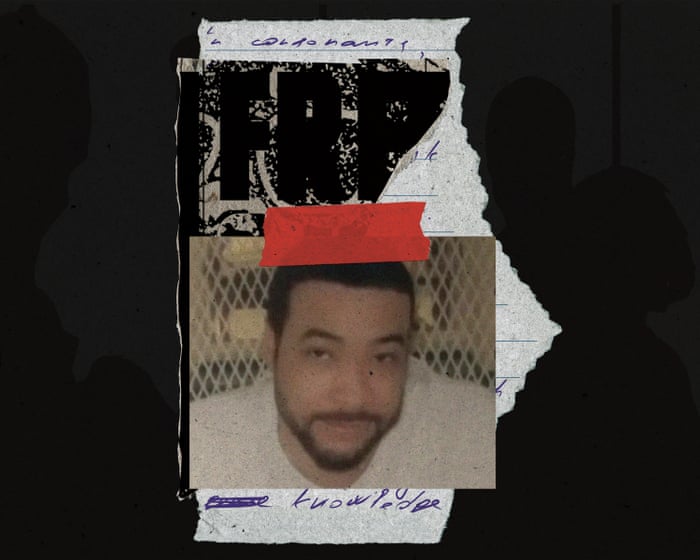
Prosecutors used hip-hop lyrics to help sentence a man to death: ‘This only happens to rap music’
<p>James Broadnax was a teenager when a jury convicted him of capital murder, with his rap lyrics presented as evidence he posed a threat of ‘future dangerousness’ </p><p>James Broadnax has been locked up in a 6ft-by-10ft cell on death row in Texas for more than 16 years, and in that time he has developed coping mechanisms for passing the long and desolate days.</p><p>A favourite technique is to write spoken word poetry at his cell desk. He becomes so engrossed in the creative process that he can lose himself for hours, transfixed in what he calls a “time gap”. In one of his recent poems, featured in a short death row documentary, <a href="https://vimeo.com/215076222/c3f6525a94?&signup=true#_=_">Solitary Minds</a>, Broadnax, who is 37, describes how he writes:</p> <a href="https://www.theguardian.com/us-news/ng-interactive/2026/apr/01/capital-punishment-hip-hop-rap-lyrics">Continue reading...</a>
 Civil Rights
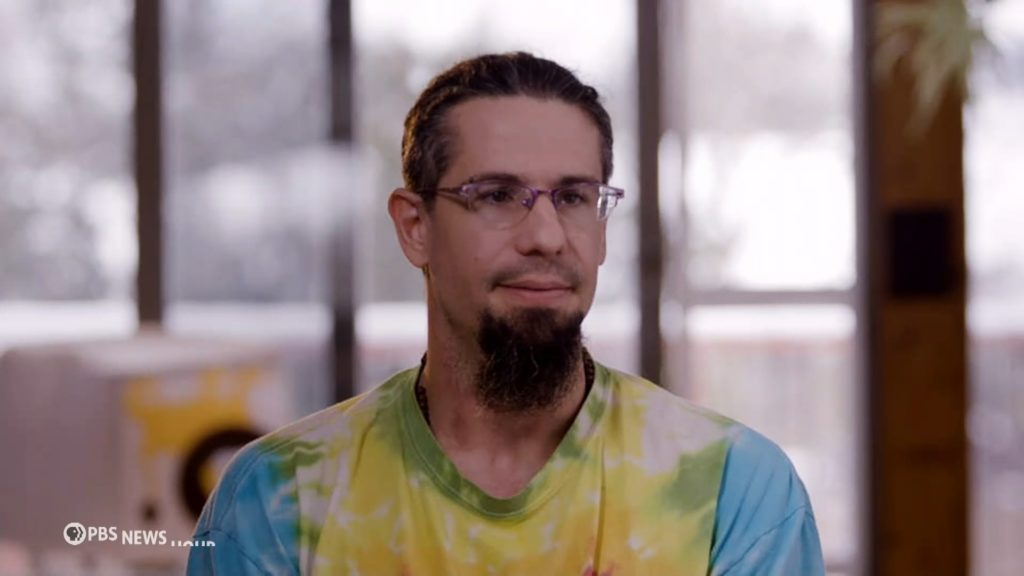
Army veteran faces conspiracy charges after participating in anti-ICE protest
When a U.S. Army veteran was arrested on conspiracy charges for his role in an anti-ICE protest in Spokane, Washington, it was the first time an American had faced those charges in connection with the protests. Some legal experts saw it as an escalation in efforts to suppress and criminalize First Amendment rights. In collaboration with the Pulitzer Center, Aaron Glantz reports.

Why We Went Looking for National Defense Areas Along the U.S. Southern Border
The post Why We Went Looking for National Defense Areas Along the U.S. Southern Border appeared first on ProPublica .
Did this story change how you see things?
Stories like this only matter when people see them. Help us get verified journalism in front of more eyes.
The Verity Ledger curates verified investigative journalism from trusted sources only.
See our sourcesMost Read This Week
'The gravest crime against humanity': What does the UN vote on slavery mean?

After 16 years and $8 billion, the military's new GPS software still doesn't work
US paves way for private assets to be included in 401(k) retirement plans - Reuters

The Justice Department plans to share sensitive voter data with Homeland Security
Secret Service agent assigned to Jill Biden accidentally shoots himself in leg at airport - AP News