Explaining Iran’s animosity (1980) | 60 Minutes Archive
Quick Insights
The Bottom Line
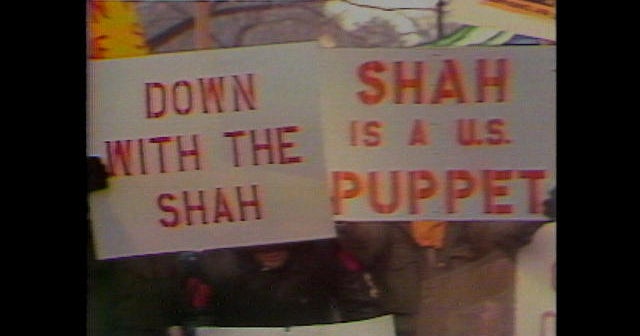
Mike Wallace examined in 1980 why Iranians supported the 444-day hostage crisis, tracing deep historical grievances and anti-American sentiment from decades of U.S. involvement and the 1953 CIA-backed coup.
AI Summary
In March 1980, 60 Minutes correspondent Mike Wallace investigated why ordinary Iranians supported the holding of American hostages who had been detained for four months at the U.S. Embassy in Tehran. The report examined the deep historical grievances and anti-American sentiment that had accumulated in Iran, particularly following decades of U.S. involvement in Iranian affairs and the 1953 CIA-backed coup that overthrew Prime Minister Mohammad Mossadegh. Understanding Iranian public backing for the hostage crisis was critical to grasping the geopolitical rupture between Washington and Tehran and the revolutionary fervor that had gripped the country following the 1979 Islamic Revolution. The hostage standoff lasted 444 days and became a defining crisis of the Carter presidency, intensifying American efforts to negotiate release while deepening mutual distrust between the two nations. Wallace's reporting highlighted how historical memory and perceived American interference shaped Iran's revolutionary government and its population's hostility toward the United States.
This article is part of a story we're tracking:
Should this be getting more attention?
You Might Have Missed
Related stories from different sources and perspectives
 Global
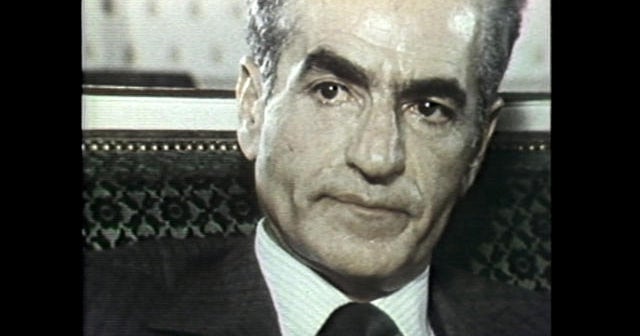
Oil and the Shah of Iran (1974) | 60 Minutes Archive
In 1974, Mike Wallace traveled to Iran for his first interview with Shah Mohammad Reza Pahlavi. The Arab oil embargo was ongoing, and Wallace asked the Shah about the oil profits Iran was making.
 Finance
Oil, stock trading spikes before Trump's Iran remarks spark insider trading suspicions
Thousands of oil contracts -- a far higher volume than normal -- were traded 15 minutes before Trump pledged to halt strikes on Iranian energy infrastructure, sending prices tumbling. Traders who bet on prices dropping ahead of the announcement would likely have profited from Trump's sudden reversal, prompting analysts to question whether some market participants had acted on prior information. FRANCE 24's Yinka Oyetade speaks with Meziane Lasfer, Professor of Finance at Bayes Business School, City University.
 Global
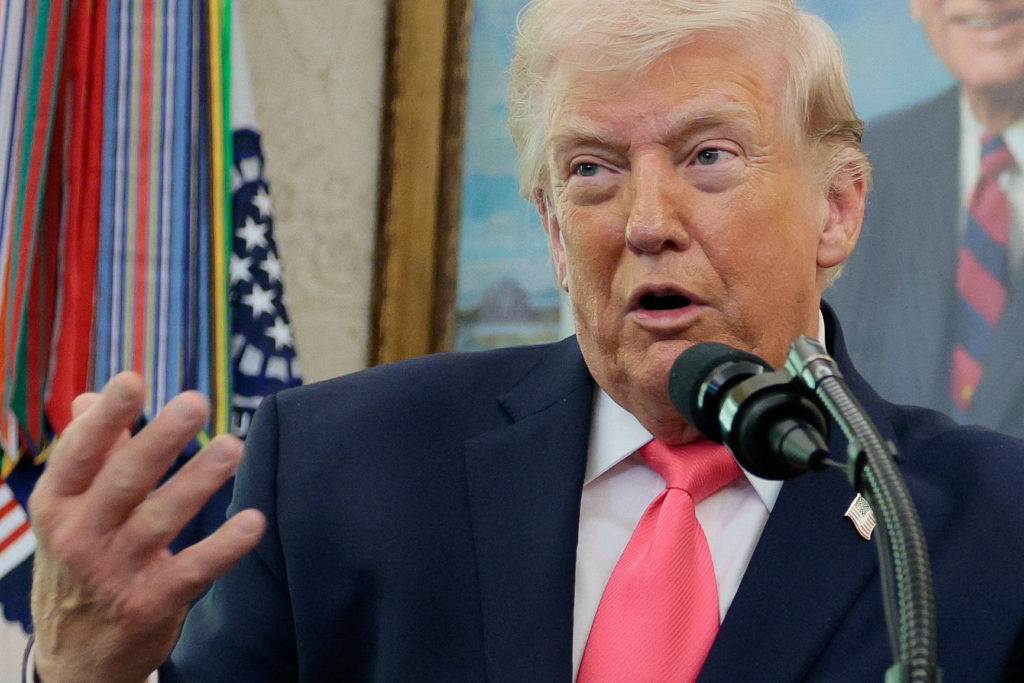
WATCH: Trump says Iran's new leaders 'gave us a present' related to oil and Strait of Hormuz
President Donald Trump cryptically claimed Tuesday that he got a gift from Iran "worth a tremendous amount of money," telling reporters it revealed to him that "we're talking to the right people."
 Global
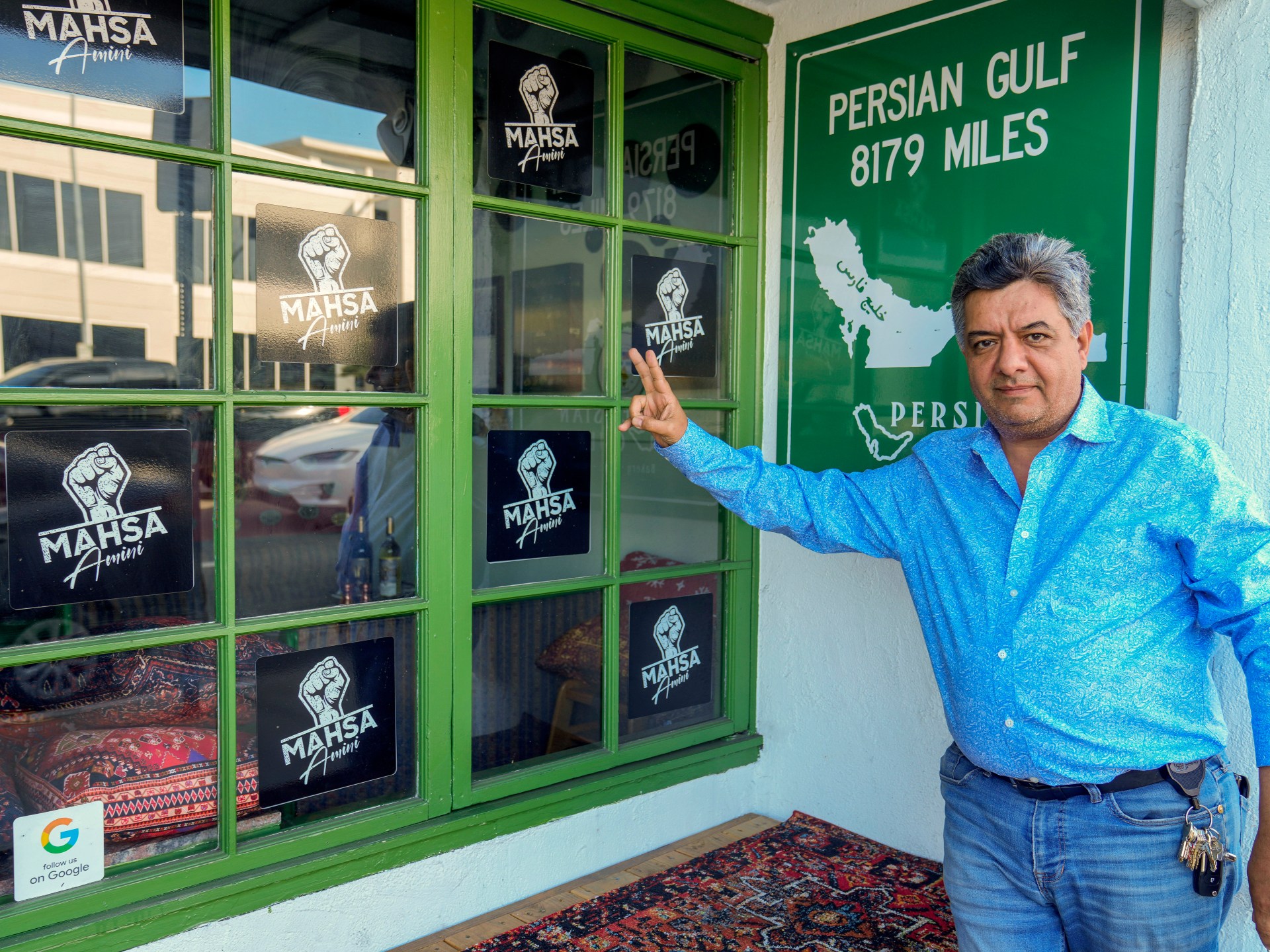
‘Nowhere is really safe’: Iranian dissidents grapple with US war in Iran
Critics of Iran's government say they fear retribution while in exile, as well as growing anti-immigrant sentiment.
 Global
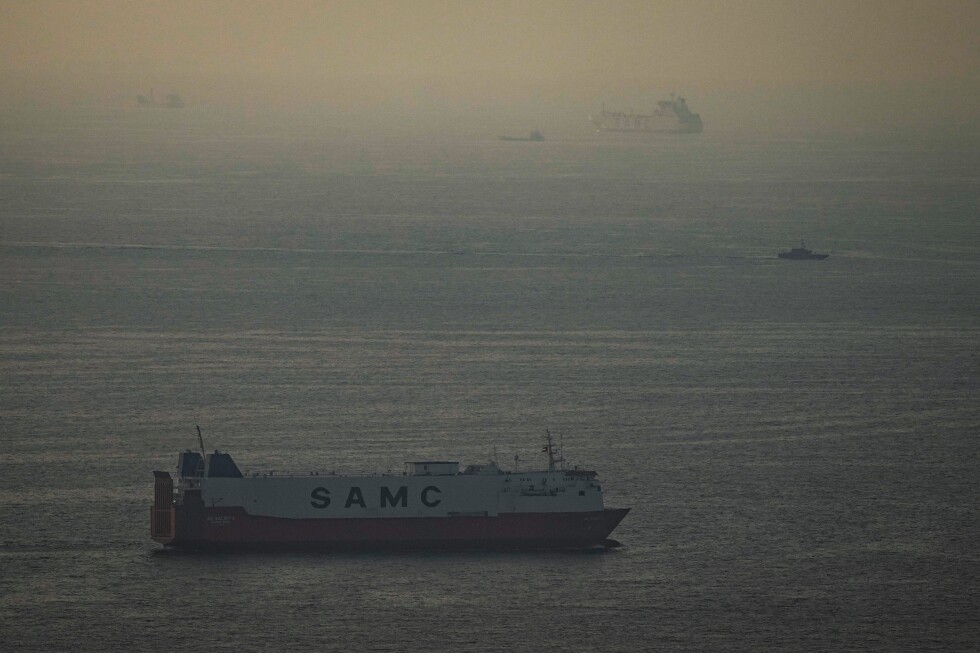
Iran starts to formalize its chokehold on the Strait of Hormuz with a ‘toll booth’ regime - AP News
<a href="https://news.google.com/rss/articles/CBMilwFBVV95cUxPQ2daM2NpVk1qQVpra3BJRDJnOWZfQkxSdVBjbVpMLXB6V3hab3pvTVIxcDlGRnlpU2NHdWpXNzg1MGtXUF9wMGxKcTUyTTBaUDVZMVl0UWZUSHh3S3FCQUJqS01ua3VmY2hwcE1XWEtXZXExSVIwVC1ldkh4aGFySlZkOFBmZ0ZIbTE0SnMxQ1hQMkhuRmNz?oc=5" target="_blank">Iran starts to formalize its chokehold on the Strait of Hormuz with a ‘toll booth’ regime</a> <font color="#6f6f6f">AP News</font>
 Global
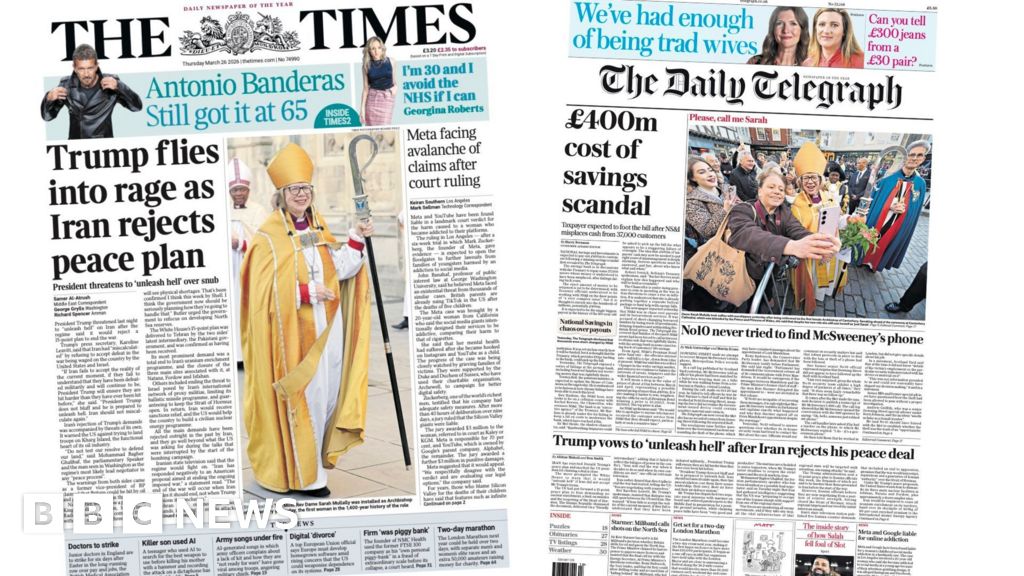
The Papers: 'Iran rejects peace plan' and '£400m cost of savings scandal'
Iran's rejection of US talks and Donald Trump's reaction features on Thursday's front pages.

US embassy in Mexico prompts outrage with AI video promoting ‘self-deportation’
<p>AI-generated footage depicts group of men performing a corrido, singing phrases including ‘return to your roots’</p><p>An AI-generated video from the US embassy in Mexico encouraging migrants to “self-deport” has sparked disbelief and outrage online.</p><p>The video posted this week on official embassy social media accounts depicts a group of men wearing black caps and sporting tattoos performing a kind of traditional Mexican ballad known as a <a href="https://www.theguardian.com/music/2004/sep/19/urban1">corrido</a>.</p> <a href="https://www.theguardian.com/us-news/2026/mar/28/us-embassy-mexico-outrage-ai-video-self-deportation">Continue reading...</a>
Did this story change how you see things?
Stories like this only matter when people see them. Help us get verified journalism in front of more eyes.
The Verity Ledger curates verified investigative journalism from trusted sources only.
See our sourcesMost Read This Week
Senate deal reached to cap insulin costs

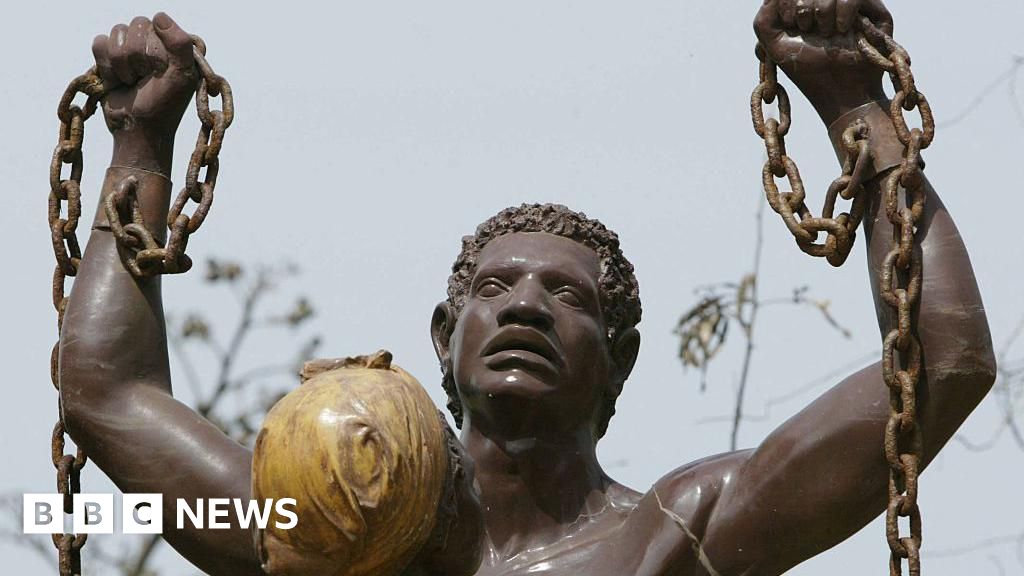
'The gravest crime against humanity': What does the UN vote on slavery mean?
Pentagon will remove media offices after judge reinstates NYT's press credentials
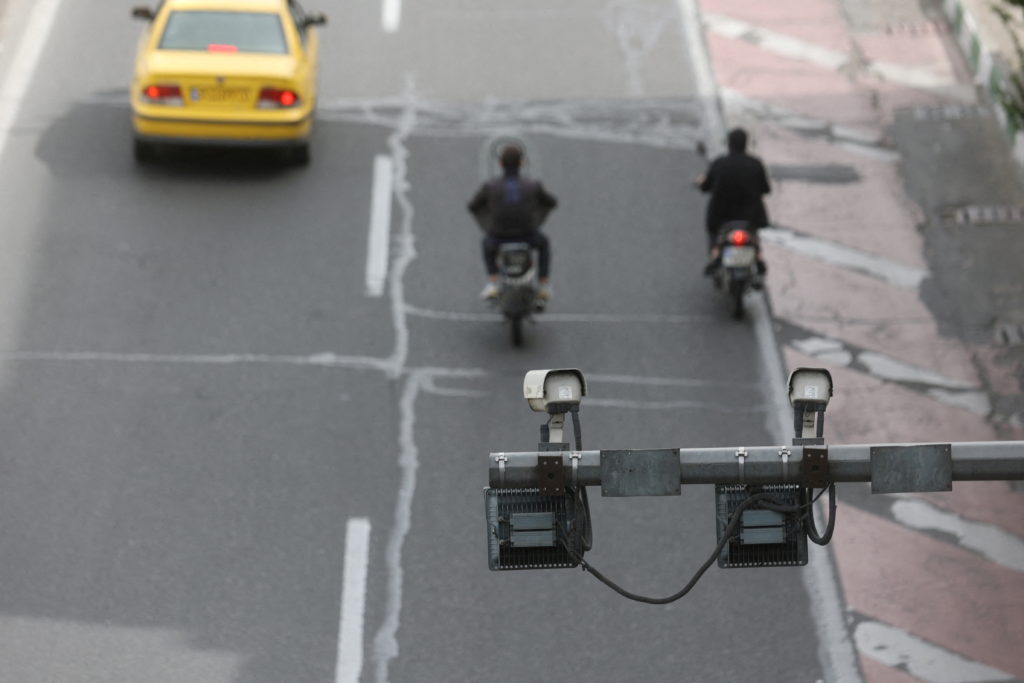
Iran built a vast camera network to control dissent. Israel used it to track targets, AP sources say
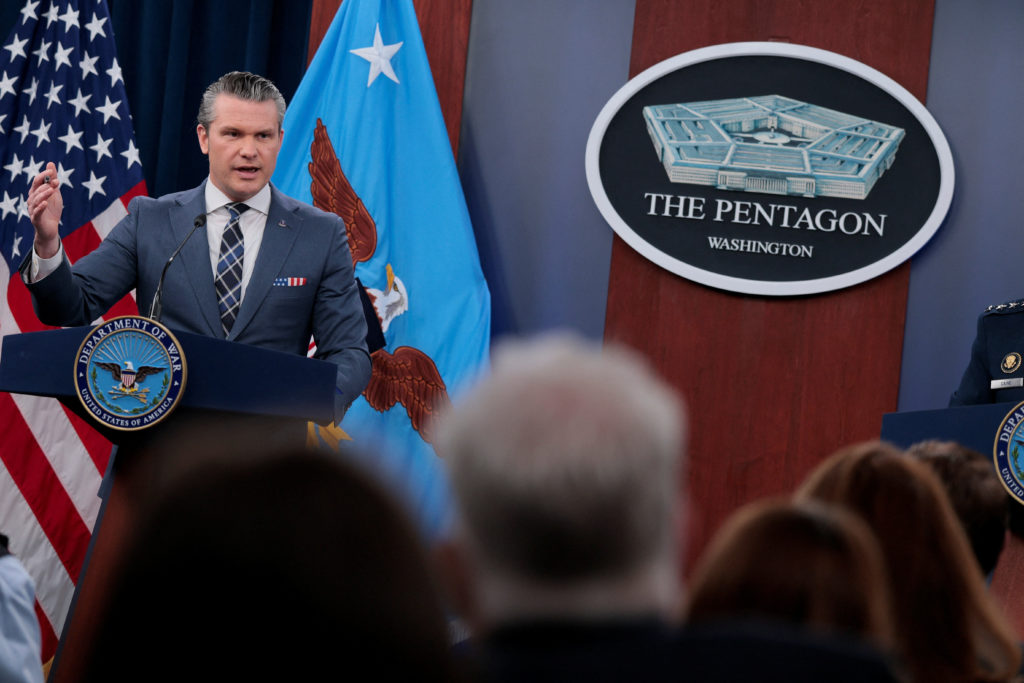
At Pentagon Christian service, Hegseth prays for violence 'against those who deserve no mercy'