

Fewer people traveled for abortions as telehealth went up: report
Quick Insights
The Bottom Line
Fewer Americans travel for abortions since Dobbs decision; telehealth medication abortion replaces interstate trips in restrictive states.
How This Affects You
People in states with abortion bans now rely on telehealth services to access medication abortion remotely, avoiding costly interstate travel.
AI Summary
The Guttmacher Institute found that fewer people are traveling across state lines to obtain abortions, while simultaneously reporting increased use of telehealth services for at-home abortions. This shift has occurred since the 2022 Supreme Court Dobbs decision overturned Roe v. Wade, which eliminated the federal right to abortion and allowed states to impose total bans. The findings suggest that medication abortion accessed remotely is reshaping how people in restrictive states circumvent local abortion prohibitions. Telehealth abortion services have expanded significantly in states where the procedure remains legal, enabling patients to avoid costly and time-consuming interstate travel. The data reflects a broader reshuffling of abortion access in post-Roe America, where geography and technology now play competing roles in determining whether people can obtain the procedure.
Source Coverage Map
2 of 43 tracked sources covered this story
Following this story?
Get notified when new coverage appears
Other Sources Covering This Story
1 sourceMultiple outlets have reported on this story. Compare perspectives from different sources.

This article is part of a story we're tracking:
Should this be getting more attention?
You Might Have Missed
Related stories from different sources and perspectives
 Health
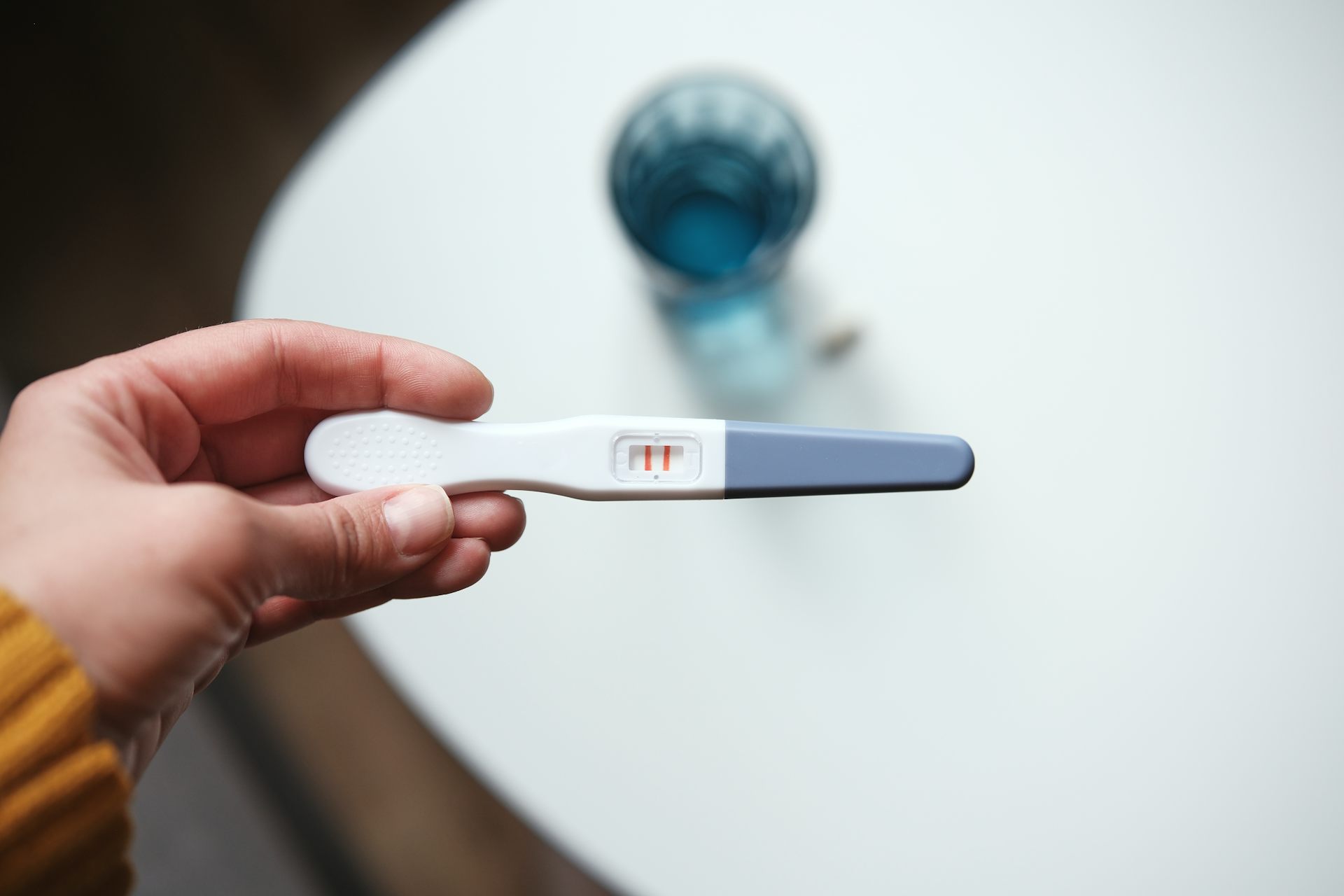
Teens are driving the demand for online abortion pills via telehealth – new research
Parental involvement laws and the stigma of teen pregnancy create significant barriers for teenagers seeking abortions. These factors are pushing teens to obtain abortion pills online.
 Government Transparency
Cold War Nuclear Assessment Re-Released with Fewer Redactions After Five-Year Review
A Cold War-era intelligence document examining the global spread of nuclear weapons has been re-released following a Mandatory Declassification Review (MDR) request filed by The Black Vault. The document, National Intelligence Estimate 4-63, “Likelihood and Consequences of a Proliferation of Nuclear Weapons Systems,” was originally produced in June 1963 and coordinated across multiple U.S. intelligence [...] The post Cold War Nuclear Assessment Re-Released with Fewer Redactions After Five-Year Review first appeared on The Black Vault .
 Health
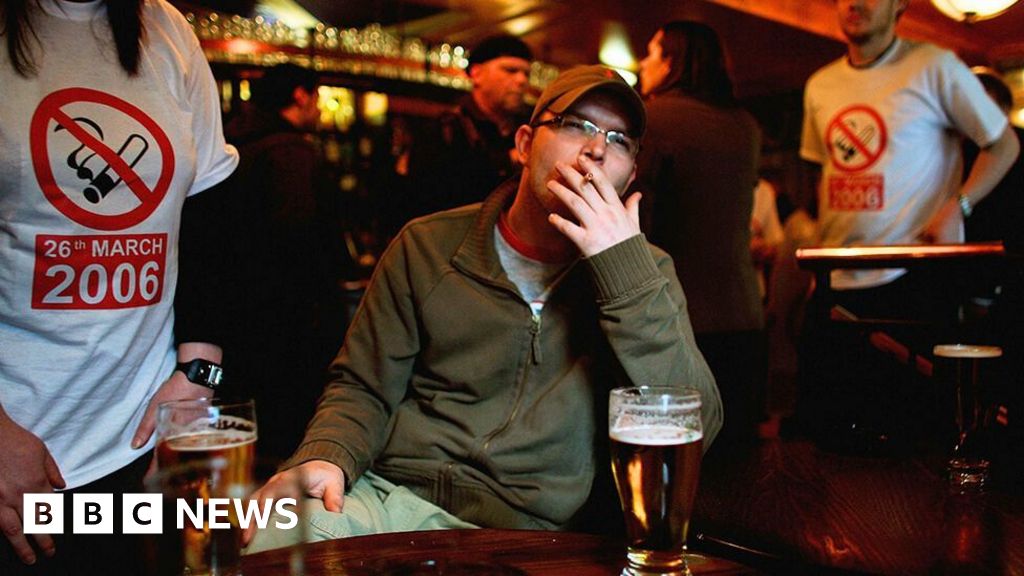
Twenty years ago, Scotland banned smoking in pubs. Did it save lives?
Exactly 20 years ago, Scotland became the first part of the UK to outlaw smoking in bars, restaurants and offices.
 Health
When health insurance costs $2,500 per month, families make tough choices
A self-employed couple already had to dip into retirement savings for health costs. Now, they are skipping vacations and canceling streaming to afford health insurance.
 Health
Fentanyl found inside Barbies sold at Missouri discount store, police say
Police found that five Barbie packages containing fentanyl were sold. They have all been recovered.
 Health
Senate Democrats Urge Kennedy to Stop Hindering Key Health Panel
The health secretary has canceled or postponed three meetings of the U.S. Preventive Services Task Force, which shapes health care coverage for Americans.

The Horrors That Could Lie Ahead if Vaccines Vanish
The post The Horrors That Could Lie Ahead if Vaccines Vanish appeared first on ProPublica .
Did this story change how you see things?
Stories like this only matter when people see them. Help us get verified journalism in front of more eyes.
The Verity Ledger curates verified investigative journalism from trusted sources only.
See our sourcesMost Read This Week
Fentanyl found inside Barbies sold at Missouri discount store, police say
Senate deal reached to cap insulin costs

The West's historic snow drought could bring water shortages, wildfires
Washington ignores America's fiscal cliff

Iran built a vast camera network to control dissent. Israel used it to track targets, AP sources say