
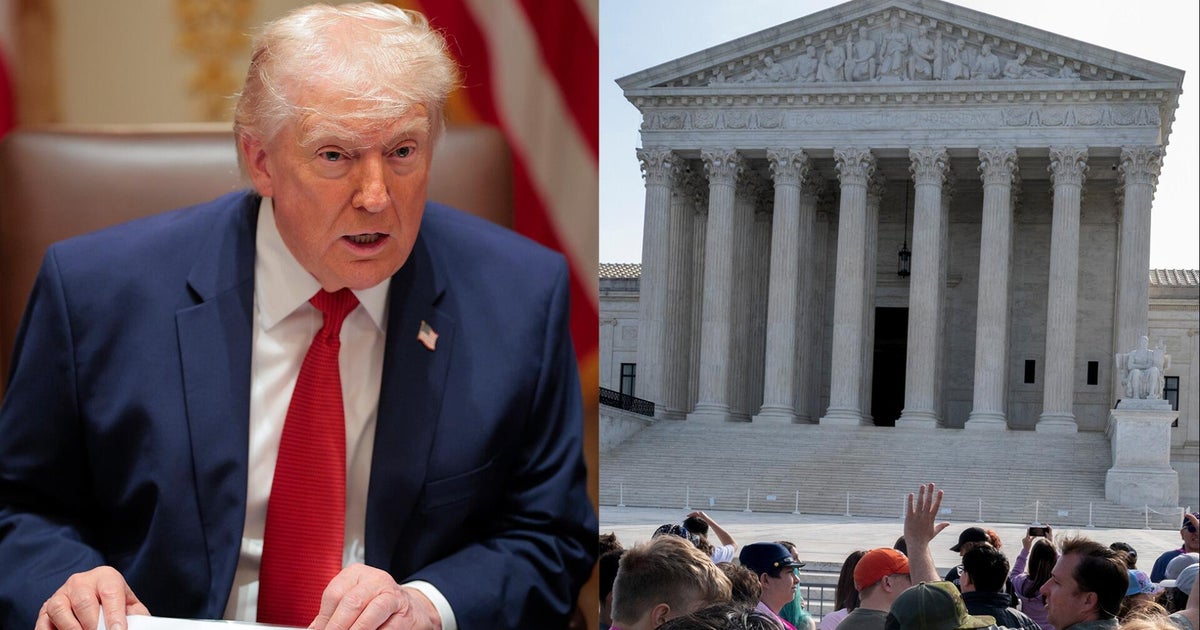
Supreme Court casts doubt on Trump's arguments in birthright citizenship case
Quick Insights
The Bottom Line
Supreme Court justices appeared skeptical of Trump's executive order eliminating birthright citizenship during oral arguments.
How This Affects You
If overturned, roughly 150,000 children born annually to undocumented immigrants would retain automatic citizenship rights under current law.
AI Summary
The Supreme Court questioned the constitutional validity of President Trump's executive order attempting to eliminate birthright citizenship during oral arguments Wednesday. The justices' skepticism suggests the court may be inclined to reject the administration's legal theory that the 14th Amendment's citizenship clause does not automatically grant citizenship to children born on U.S. soil regardless of parental immigration status. The case is central to Trump's immigration agenda and could determine whether roughly 150,000 children born annually to undocumented immigrants retain automatic citizenship rights. A ruling against the administration would block one of its most aggressive anti-immigration policies, while a decision upholding the order would represent a dramatic reinterpretation of constitutional citizenship law. The court's decision is expected within months and will likely face immediate legal challenges regardless of the outcome.
What's Being Done
The Supreme Court will issue a decision within months on the constitutional validity of Trump's birthright citizenship executive order.
Source Coverage Map
18 of 43 tracked sources covered this story
Following this story?
Get notified when new coverage appears
Other Sources Covering This Story
5 sourcesMultiple outlets have reported on this story. Compare perspectives from different sources.

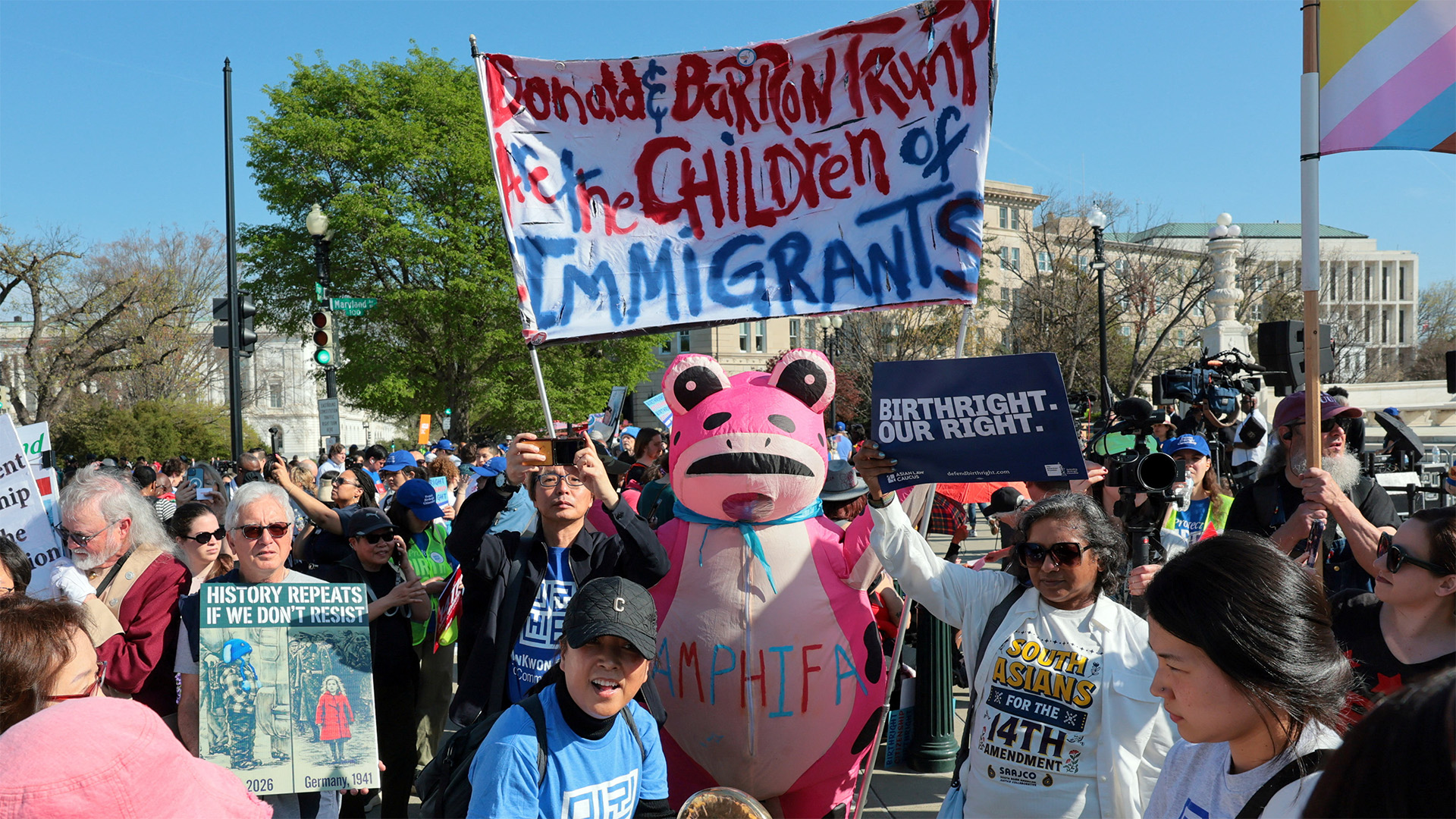

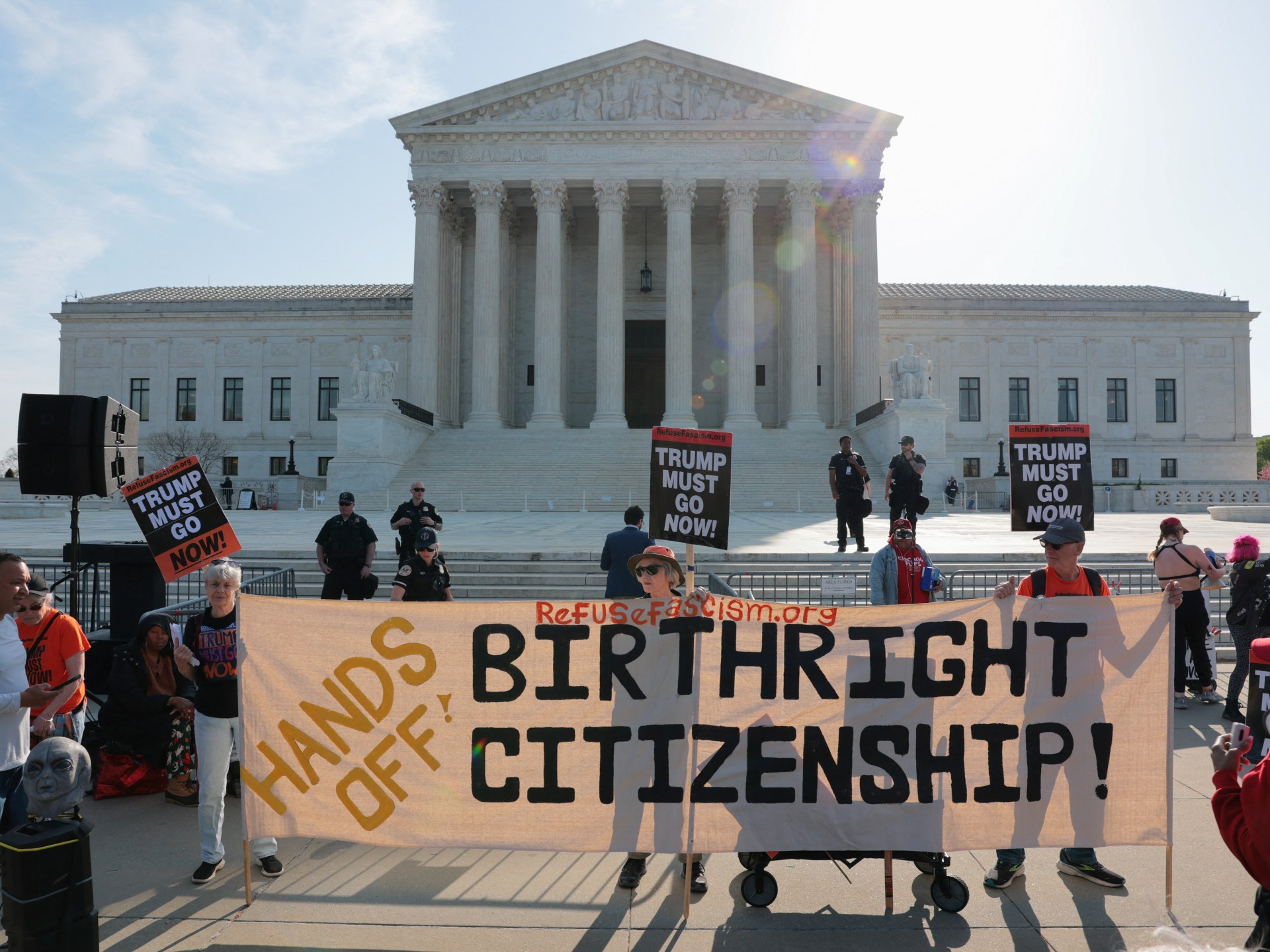

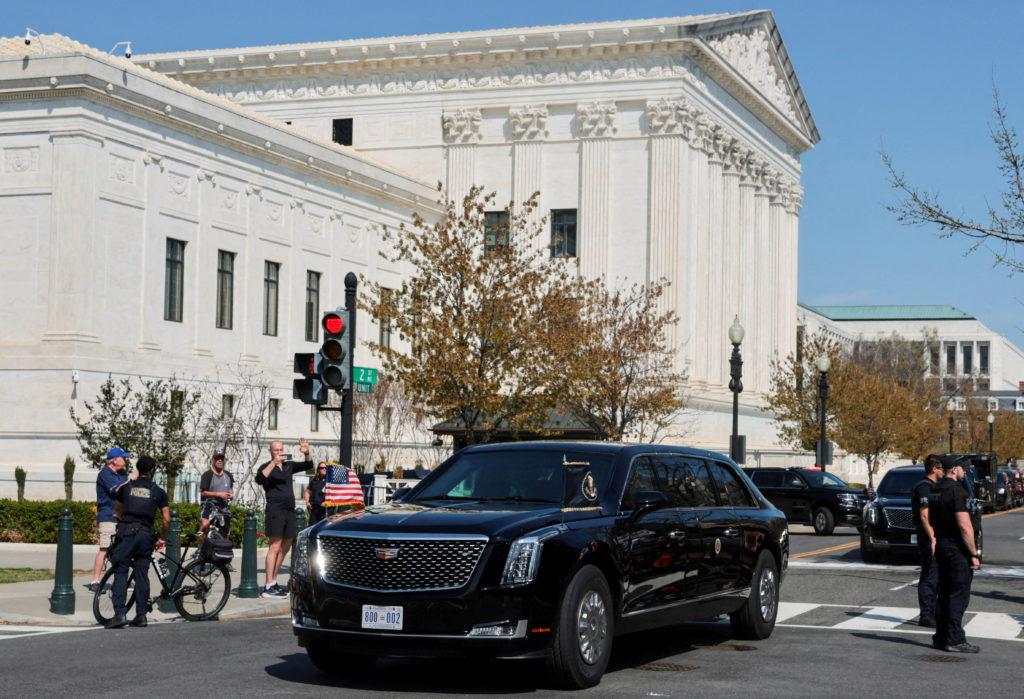
Trump attends birthright citizenship hearing at Supreme Court in historic first
This article is part of a story we're tracking:
Should this be getting more attention?
You Might Have Missed
Related stories from different sources and perspectives
 Politics
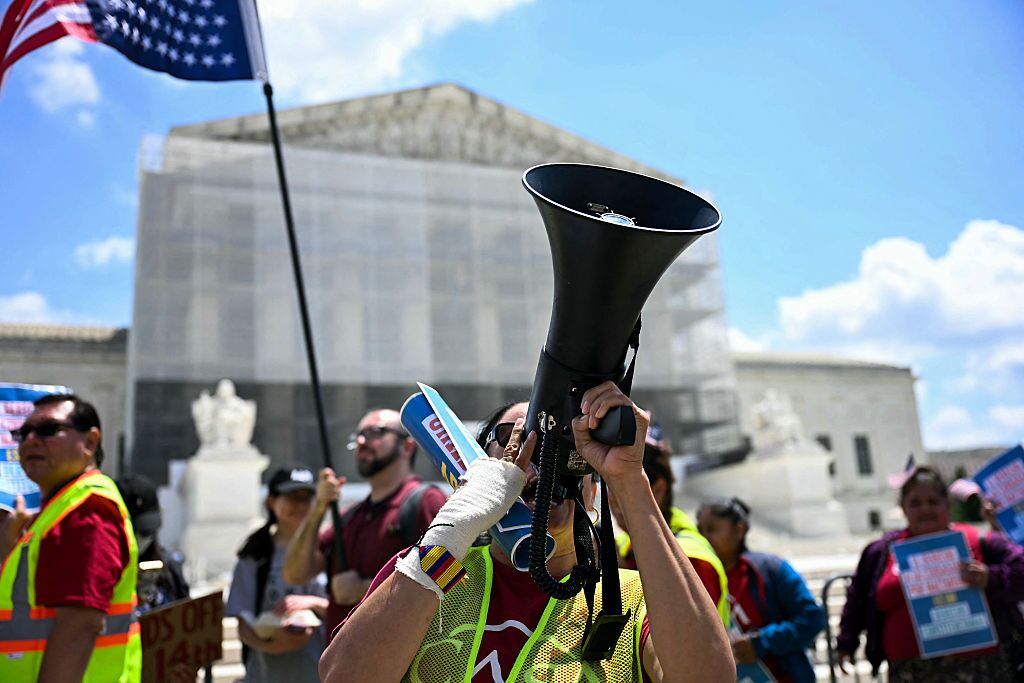
As birthright citizenship goes to Supreme Court, here's how Americans feel about it
The Supreme Court will hear arguments Wednesday on whether all children born in the United States can continue to automatically receive citizenship.
 Civil Rights
In Supreme Court fight over birthright citizenship, a great-grandson hears echoes of 1898 - Reuters
<a href="https://news.google.com/rss/articles/CBMiwwFBVV95cUxQa1BRbnZXSXhWZ1o3SVU4eEdNRktQMnBxLWMxSDQ3ekNwNFlfeHFEZllleVFhZHZGTmdlRFVoZVpzbzNlSnJuZ2o4S2lPUTlDdHRISFRlbjNBOU5BSlAzbFNjT0dwa05WVEltZy1WOHpybXV0OVI1cGpvMlRoY3VfeWdpYkhWUEtGX3RpVVJ2RklMMTAzTEQwZm51YVdMQnJIUERsZmkyVlMzamU5dXYwS2J2a3FRV19xbGJpMklmYmdMR1U?oc=5" target="_blank">In Supreme Court fight over birthright citizenship, a great-grandson hears echoes of 1898</a> <font color="#6f6f6f">Reuters</font>
 Civil Rights
Trump’s order on birthright citizenship would harm millions, including citizens
On April 1, the Supreme Court will hear arguments on one of the most consequential immigration cases in decades. At issue is whether President Trump’s executive order restricting birthright citizenship can stand. The stakes could not be higher. If the court sides with Trump, the damage will ripple far beyond undocumented immigrants. It will affect legal visa…
 Politics
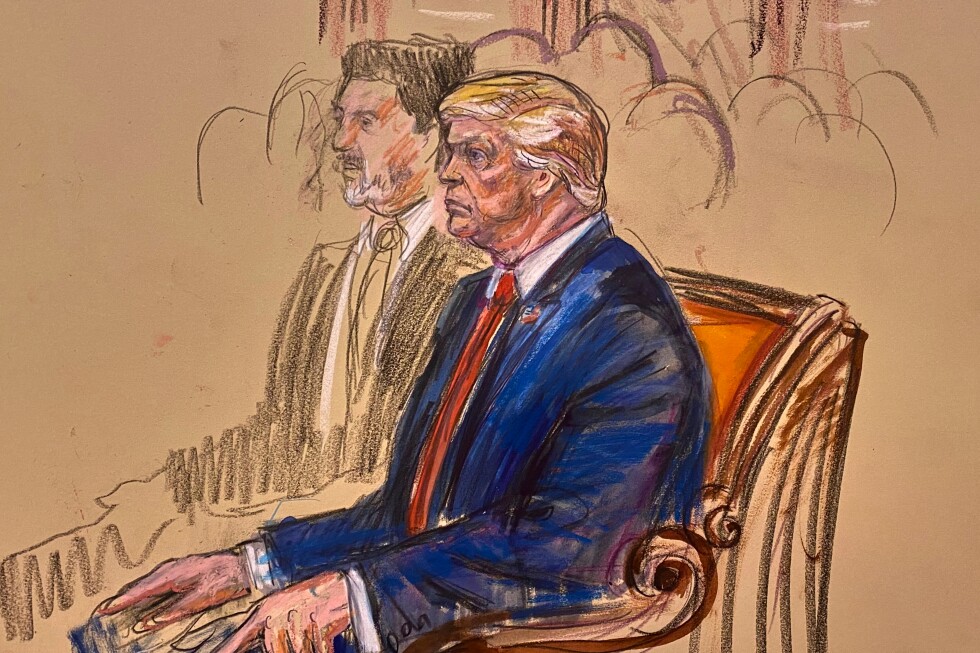
Whispers in the Supreme Court as Trump takes a front-row seat for oral arguments
President Donald Trump has attended oral arguments at the U.S. Supreme Court, marking a first for a sitting president.
 Politics
Whispers in the Supreme Court as Trump takes a front-row seat for oral arguments - apnews.com
<a href="https://news.google.com/rss/articles/CBMitAFBVV95cUxQS0wxYkU3RVRReVBuRDFmU25xSWdMWTd4M043TXBlbVJnLVJrTkI4Nmg0YkNMOXNZQklEX0k4ZUpTSHBOUXphMGxzSlR4MXRzU19OUktmb0lGb3Fjekk4aWhQYlc1Y3B3dTBXQVhQZE1KNjZUQVNhOVdFVWxFLXRlMnpQNmprQzF4MGlwbEp6MVRBUmVyNTZzTDNMNnprWUtXbXl2bmdobGpXZnlrbVpJVkkwTXo?oc=5" target="_blank">Whispers in the Supreme Court as Trump takes a front-row seat for oral arguments</a> <font color="#6f6f6f">apnews.com</font>
 Civil Rights
Supreme court hearing Mississippi death penalty case over alleged racial jury bias
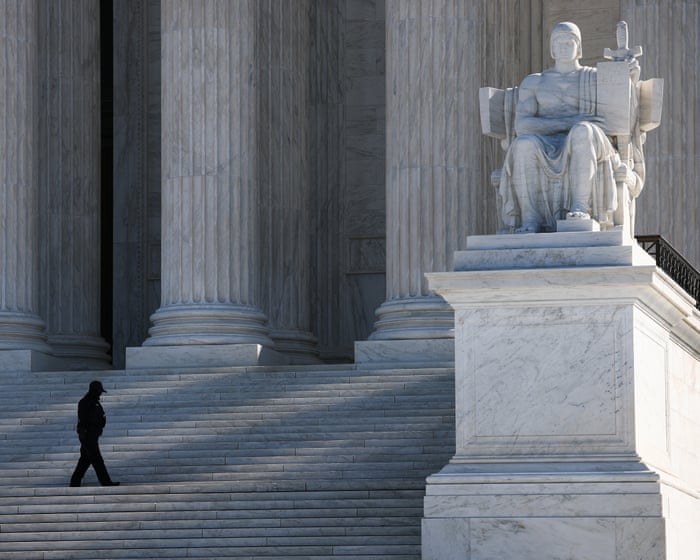
<p>Doug Evans, a former prosecutor, removed nearly all Black jurors in Terry Pitchford’s 2006 trial, raising legal questions</p><p>The <a href="https://www.theguardian.com/us-news/us-supreme-court">supreme court</a> is hearing arguments on Tuesday about racial bias in jury selection in a death penalty case stemming from Mississippi.</p><p>Doug Evans, a now-retired prosecutor, removed all but one Black person from a jury that convicted Terry Pitchford of capital murder in 2006. The judge, Joseph Loper, allowed the juror strikes and Mississippi’s supreme court upheld the conviction.</p> <a href="https://www.theguardian.com/us-news/2026/mar/31/supreme-court-mississippi-death-penalty-pitchford">Continue reading...</a>
Trump says he is strongly considering pulling US out of NATO in interview with UK's Telegraph
Did this story change how you see things?
Stories like this only matter when people see them. Help us get verified journalism in front of more eyes.
The Verity Ledger curates verified investigative journalism from trusted sources only.
See our sourcesMost Read This Week
'The gravest crime against humanity': What does the UN vote on slavery mean?
US paves way for private assets to be included in 401(k) retirement plans - Reuters

After 16 years and $8 billion, the military's new GPS software still doesn't work
US votes against UN resolution labeling slavery ‘gravest crime against humanity’

White House AI rollout exposes widening rift