
Tech is our military’s great strength, but China could make it our Achilles’ heel
Quick Insights
The Bottom Line
A Chinese cyberattack on U.S. tech infrastructure could cripple both military and civilian systems simultaneously.
AI Summary
The article outlines a hypothetical scenario in which a Chinese cyberattack disables critical U.S. technological infrastructure, illustrating vulnerabilities in systems that underpin both military capability and civilian life. It uses a Pasadena blackout as a narrative device to demonstrate how interconnected modern society has become—and how dependent American defense is on the same digital networks that power communications, power grids, and internet connectivity. The piece argues that while technological superiority has long been a cornerstone of U.S. military advantage, that same reliance on advanced tech creates a significant national security risk if an adversary like China can successfully target the infrastructure America depends on. The scenario highlights the cascading failures that could result from coordinated attacks on interconnected systems rather than isolated incidents. The broader concern is that the U.S. military and civilian sectors share overlapping technological vulnerabilities that an adversary could exploit simultaneously.
Source Coverage Map
4 of 43 tracked sources covered this story
Following this story?
Get notified when new coverage appears
Other Sources Covering This Story
3 sourcesMultiple outlets have reported on this story. Compare perspectives from different sources.

This article is part of a story we're tracking:
Should this be getting more attention?
You Might Have Missed
Related stories from different sources and perspectives
 Global
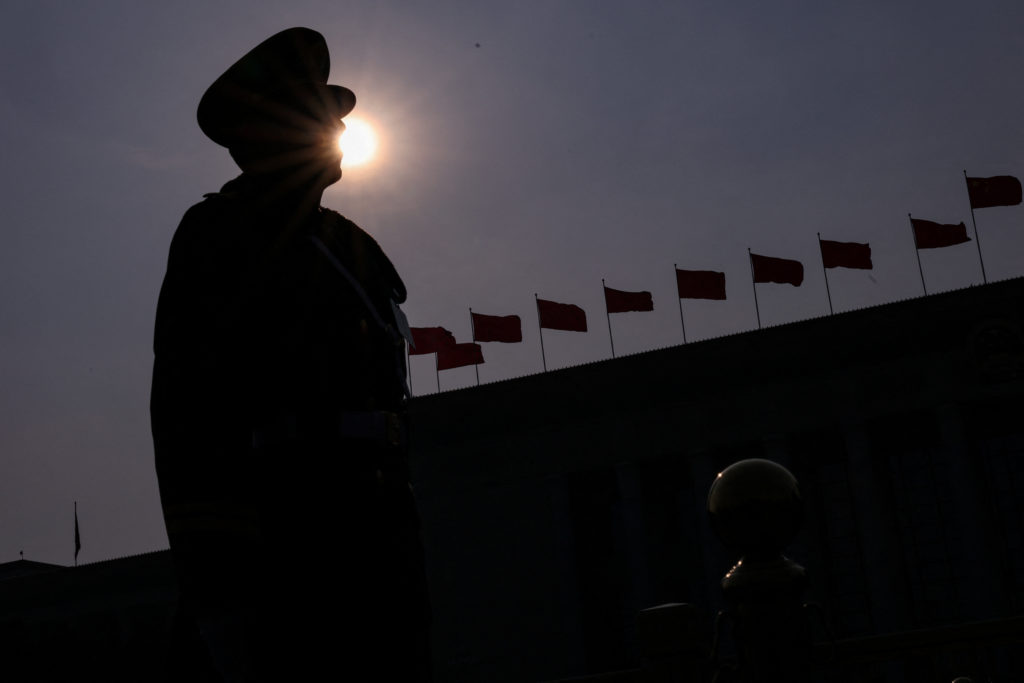
China positions itself as force for global stability and technological innovation at its annual Congress
China is doubling down on a push to transform its economy and be at the forefront of technology.
 National Security
Military report says 'one in a million' live fire malfunction rained shrapnel on California highway - AP News
<a href="https://news.google.com/rss/articles/CBMirAFBVV95cUxNcnNEQk5IOUNPV0hGQms1QUlDZ083TlVTR294Q1ZWd0JBOW5DamJGbndueGFxUHU2U3pfOVM3bTZiNG5CRWVPUU9laWpkSEQ3TG9tNlNPZWhMRHUxRFZ2V2hIQlNhSkwwQUsxUGY0NDZVWHkwSk9iRXEwUmVodk9lZmJqOWNhYTRyMW5xUE52dHV2cnJCVERmNWV4STNmTmVQNWJHajhZSTNPS0RI?oc=5" target="_blank">Military report says 'one in a million' live fire malfunction rained shrapnel on California highway</a> <font color="#6f6f6f">AP News</font>
 AI & Warfare
The Download: how AI is used for military targeting, and the Pentagon’s war on Claude
This is today’s edition of The Download, our weekday newsletter that provides a daily dose of what’s going on in the world of technology. Defense official reveals how AI chatbots could be used for targeting decisions The US military might use generative AI systems to rank targets and recommend which to strike first, according to a Defense Department…
 Corporate
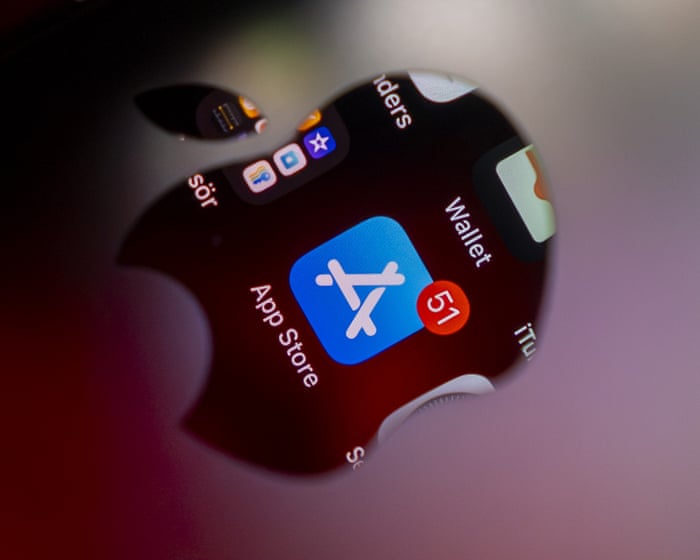
Apple cuts China App Store commission fees after government pressure
<p>The move, which lowers fees to 25%, is a breakthrough for Chinese developers Tencent and ByteDance</p><ul><li><p><a href="https://www.theguardian.com/news/2026/feb/17/sign-up-for-the-breaking-news-us-email-to-get-newsletter-alerts-direct-to-your-inbox?utm_medium=ACQUISITIONS_STANDFIRST&utm_campaign=BN22326&utm_content=signup&utm_term=standfirst&utm_source=GUARDIAN_WEB">Sign up for the Breaking News US email to get newsletter alerts in your inbox</a></p></li></ul><p><a href="https://www.theguardian.com/technology/apple">Apple</a> announced late on Thursday it would lower the commission fees collected in its App Store in mainland <a href="https://www.theguardian.com/world/china">China</a>. The move follows pressure from regulators in the <a href="https://www.theguardian.com/business/technology">tech</a> company’s second-largest market, as well as global scrutiny of its payment requirements.</p><p>Fees for in-app purchases and paid transactions will be lowered to 25%...
 National Security
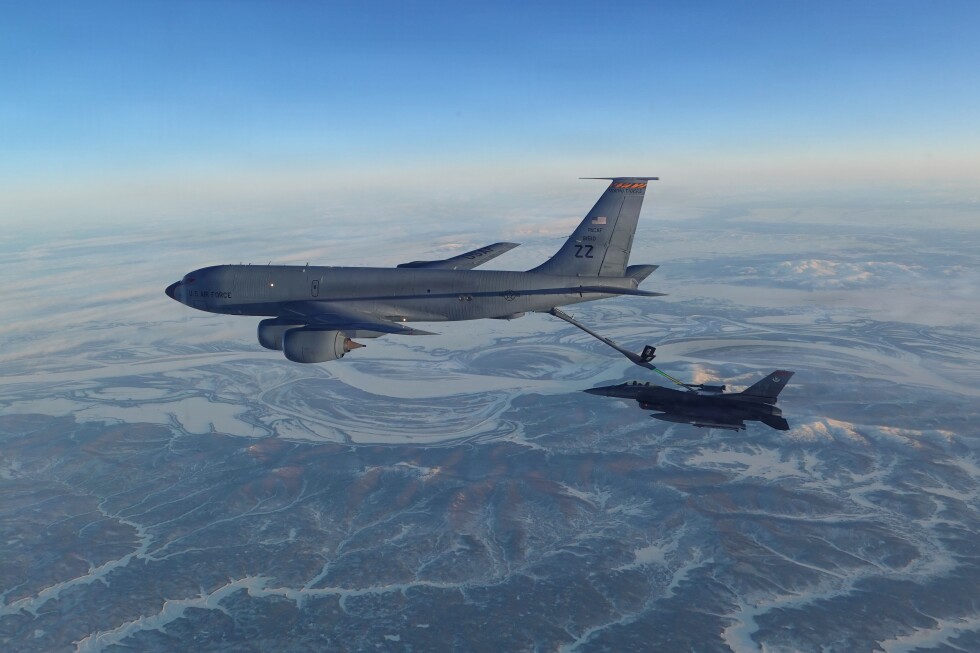
A US military refueling plane crashed in Iraq. Here’s what to know - AP News
<a href="https://news.google.com/rss/articles/CBMiogFBVV95cUxOWUZzMGJZSzFUX3k1WjdhRHBkMFZ5SFNCSEJvbzVPMERsMk5kS0tZUWdKOUtMZ0wwa0E5UDVQNlhlbVBYTVhCZmRCZHd4S1VfTkpqRy1vRnlWLWlVbEJIWGJMMkpTVGxvVTBiT0JFZC1uaktGdWZwc1JDeGU2bVBoSEx1dE54T0ZWRVd5NnMxZGh1aUt2WHdxblZwbzdjbnY1NWc?oc=5" target="_blank">A US military refueling plane crashed in Iraq. Here’s what to know</a> <font color="#6f6f6f">AP News</font>
 National Security
Iran says major U.S. tech firms now among its targets in the Middle East
Suspected Iranian cyber and drone attacks are already impacting U.S. tech companies, and Iran says a list of American firms are now on its target list.

Top counterterrorism official resigns over the Iran war, saying "Iran posed no imminent threat"
Joe Kent, President Trump's director of the National Counterterrorism Center, resigned on Tuesday citing the Iran war and saying, "Iran posed no imminent threat to our nation." Kent, who was a controversial pick to lead the agency, is the first senior official to step down over the war and the first to resign during Mr. Trump's second term.
Did this story change how you see things?
Stories like this only matter when people see them. Help us get verified journalism in front of more eyes.
The Verity Ledger curates verified investigative journalism from trusted sources only.
See our sourcesMost Read This Week
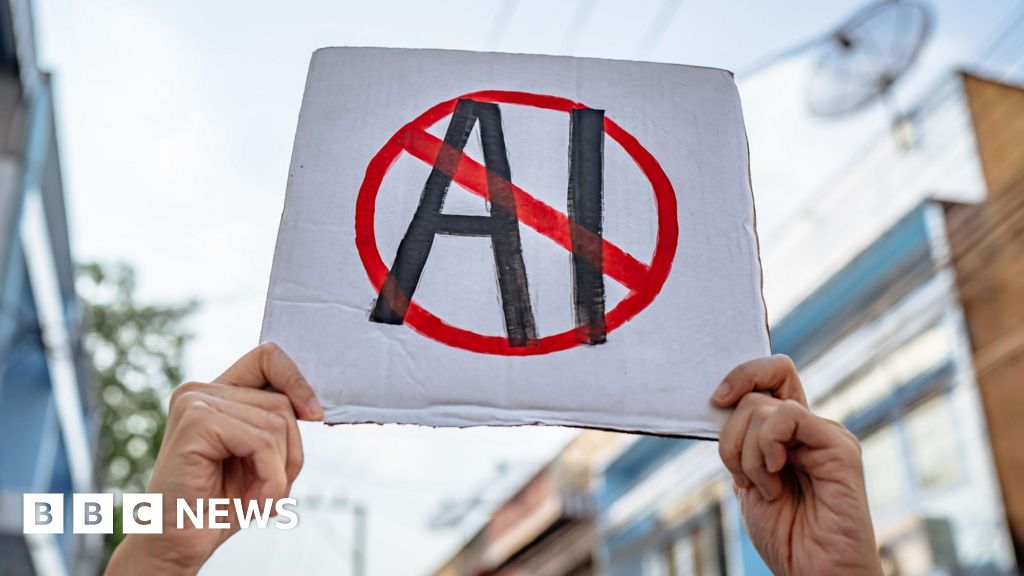
Race on to establish globally recognised 'AI-free' logo
Biggest wildfire in Nebraska history continues to burn out of control - abcnews.com

TikTok and Meta risked safety to win algorithm arms race, whistleblowers say

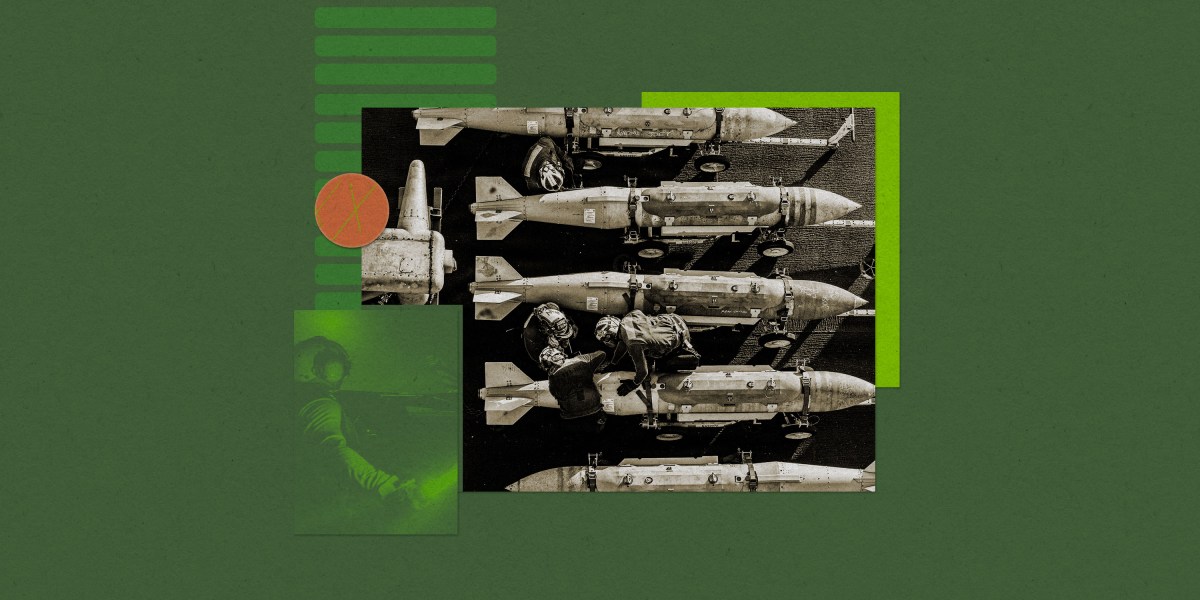
Defense official reveals how AI chatbots could be used for targeting decisions
Bank of America reaches proposed, non-binding settlement in Jeffrey Epstein suit