
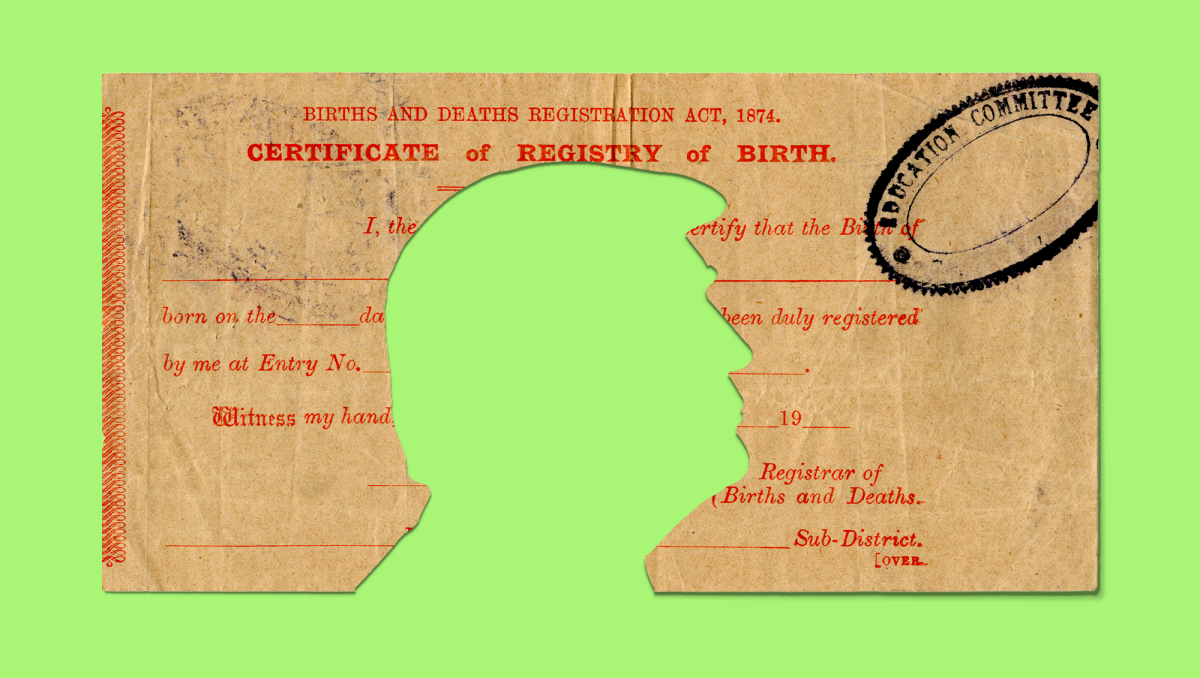
The “Massive Human Consequences” of Ending Birthright Citizenship
Quick Insights
The Bottom Line
Trump's birthright citizenship order could deny citizenship to 255,000 U.S.-born children annually, creating a permanent undocumented underclass.
How This Affects You
If you have undocumented relatives, your children born in the U.S. could lose automatic citizenship, affecting access to health care, education, and employment. The order could swell the undocumented population to 5.4 million by 2075.
AI Summary
President Trump signed Executive Order 14160 on his first day in office, denying birthright citizenship to children of undocumented immigrants and parents without permanent resident status, and the Supreme Court will hear oral arguments on the order's legality Wednesday. Matthew Platkin, former Democratic attorney general of New Jersey, leading a coalition of states challenging the order, warns that implementation would create chaos—the federal government has 30 days to define a new citizenship class while states lack capacity to determine who qualifies for services. According to the Migration Policy Institute and Penn State, approximately 255,000 children born annually in the U.S. would be denied citizenship, swelling the undocumented population to 2.7 million by 2045 and 5.4 million by 2075, with ripple effects including loss of health care, food security access, and economic participation. Legal scholars and labor unions argue the order would create a permanent underclass with inherited lesser status across generations, while historical precedent—from South Asian citizenship stripping in the 1920s to Jim Crow—demonstrates the government's capacity to denaturalize people based on race. A Supreme Court ruling in Trump's favor would set the stage for potential retroactive application stripping millions of existing citizens, fundamentally altering the demographic and economic fabric of American society.
What's Being Done
The Supreme Court will hear oral arguments Wednesday on the order's legality; a coalition of states led by former New Jersey Attorney General Matthew Platkin is challenging it.
Source Coverage Map
10 of 43 tracked sources covered this story
Following this story?
Get notified when new coverage appears
Other Sources Covering This Story
5 sourcesMultiple outlets have reported on this story. Compare perspectives from different sources.
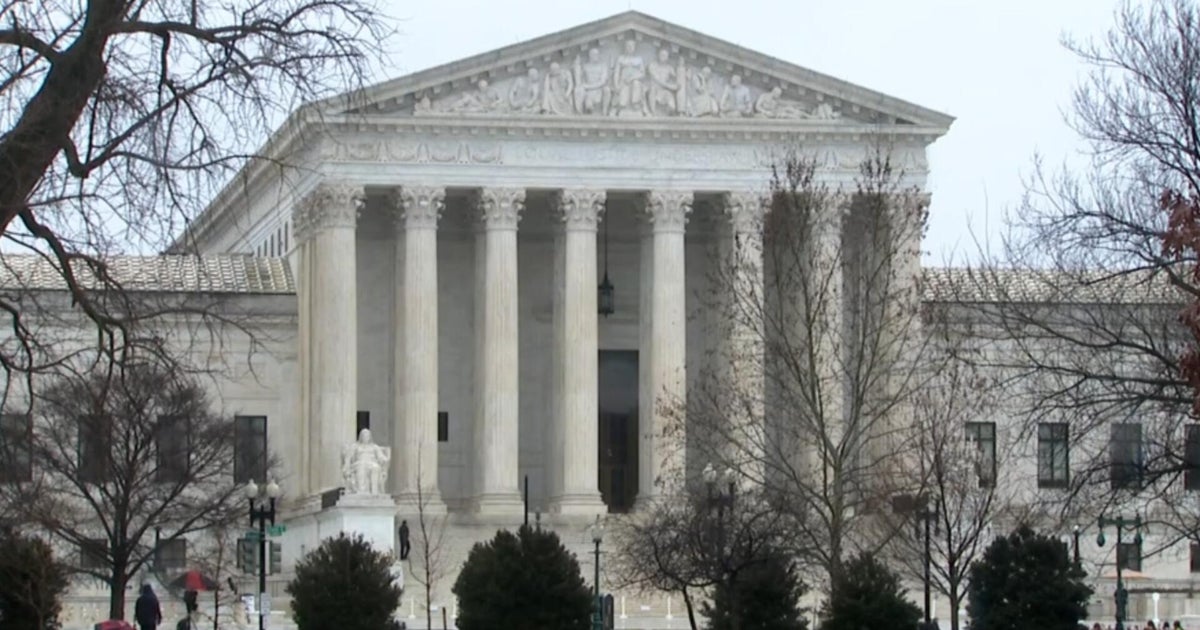
Fact-checking Trump on birthright citizenship and birth tourism before Supreme Court hears arguments
How Immigration Policies Like Birthright Citizenship Shaped the Supreme Court Justices’ Histories
This article is part of a story we're tracking:
Should this be getting more attention?
You Might Have Missed
Related stories from different sources and perspectives
 Civil Rights
Trump’s order on birthright citizenship would harm millions, including citizens
On April 1, the Supreme Court will hear arguments on one of the most consequential immigration cases in decades. At issue is whether President Trump’s executive order restricting birthright citizenship can stand. The stakes could not be higher. If the court sides with Trump, the damage will ripple far beyond undocumented immigrants. It will affect legal visa…
 Politics
Four Problems for Trump in Birthright Citizenship Case
The president must confront a 1952 federal law, the possibility that millions will lose their citizenships, stateless foundlings and a fluid future.
 Civil Rights
In Supreme Court fight over birthright citizenship, a great-grandson hears echoes of 1898 - Reuters
<a href="https://news.google.com/rss/articles/CBMiwwFBVV95cUxQa1BRbnZXSXhWZ1o3SVU4eEdNRktQMnBxLWMxSDQ3ekNwNFlfeHFEZllleVFhZHZGTmdlRFVoZVpzbzNlSnJuZ2o4S2lPUTlDdHRISFRlbjNBOU5BSlAzbFNjT0dwa05WVEltZy1WOHpybXV0OVI1cGpvMlRoY3VfeWdpYkhWUEtGX3RpVVJ2RklMMTAzTEQwZm51YVdMQnJIUERsZmkyVlMzamU5dXYwS2J2a3FRV19xbGJpMklmYmdMR1U?oc=5" target="_blank">In Supreme Court fight over birthright citizenship, a great-grandson hears echoes of 1898</a> <font color="#6f6f6f">Reuters</font>
 Civil Rights
How a SCOTUS decision on birthright citizenship could impact education access
All children, regardless of immigration status, have the right to a free K-12 public education. But without birthright citizenship, access to schools and colleges could get complicated.
 Politics
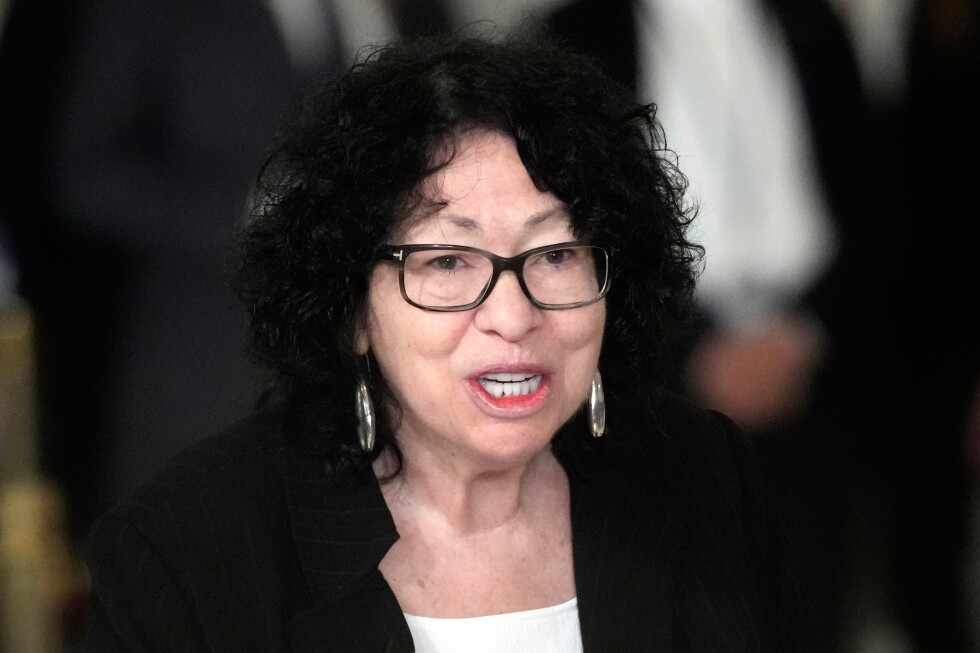
In their words: What judges have said about birthright citizenship - apnews.com
<a href="https://news.google.com/rss/articles/CBMivgFBVV95cUxQamFmV0tUU2p0eGRObzdRNlc3VVNjRXBJdlFwRERsbjRackRHbkIxbFRCanlyMzBjYUhHam12VWplajRLMGxfOVF4MEo2bEZQWnUtMlZsTGU2VjVoQ2ZuTFotSnNVUDY0aTRUeHBCS3EySjlmVUJmWmpSanFiNTRlNXduSDdiWFIyVU1Zd2g5R3pDbTdwMC1rMlB2ZWlsVE9odnBlRE5pc1NLQTJEdnB4WFA1Ym1IU1VQNWVxN1B3?oc=5" target="_blank">In their words: What judges have said about birthright citizenship</a> <font color="#6f6f6f">AP News</font>
 Politics
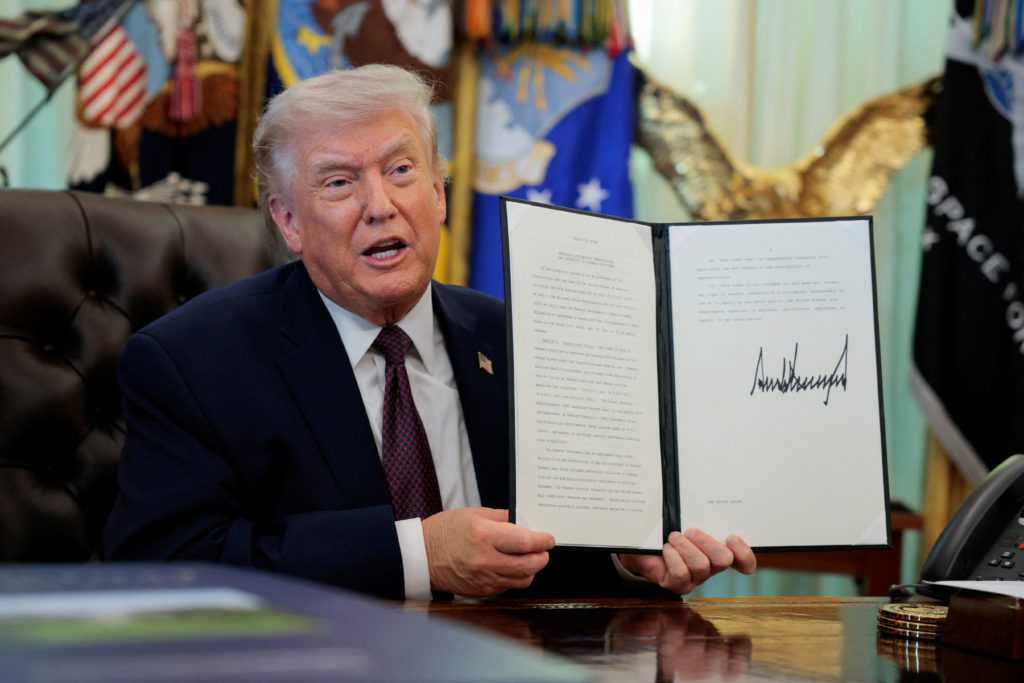
WATCH: Trump signs executive order to create national list of eligible voters
President Donald Trump on Tuesday signed an executive order to create a nationwide list of verified eligible voters, a move that is sure to draw legal challenges as the president continues to demand further restrictions on voting ahead of this year's midterm elections.

Judge Approves Trump Effort to Obtain List of Jews From University of Pennsylvania
The decision to allow the government to collect the names and phone numbers of Jewish people on campus could allow the government to pursue similar tactics elsewhere.
Did this story change how you see things?
Stories like this only matter when people see them. Help us get verified journalism in front of more eyes.
The Verity Ledger curates verified investigative journalism from trusted sources only.
See our sourcesMost Read This Week
Senate deal reached to cap insulin costs

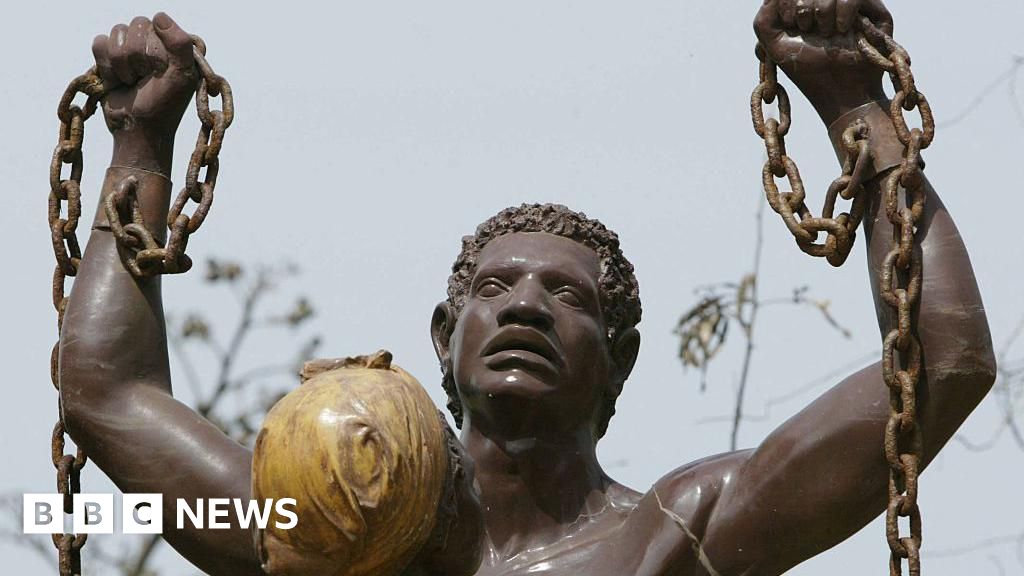
'The gravest crime against humanity': What does the UN vote on slavery mean?
At Pentagon Christian service, Hegseth prays for violence 'against those who deserve no mercy'
After 16 years and $8 billion, the military's new GPS software still doesn't work

US paves way for private assets to be included in 401(k) retirement plans - Reuters