

As US pursues 'maximalist demands', Iran relies on four decades of asymmetric warfare
Quick Insights
The Bottom Line
Iran possesses decades-old asymmetric warfare capabilities that complicate U.S.-Iran negotiations and risk regional escalation.
How This Affects You
Escalating U.S.-Iran military tensions could disrupt global oil markets and increase energy prices for American consumers.
AI Summary
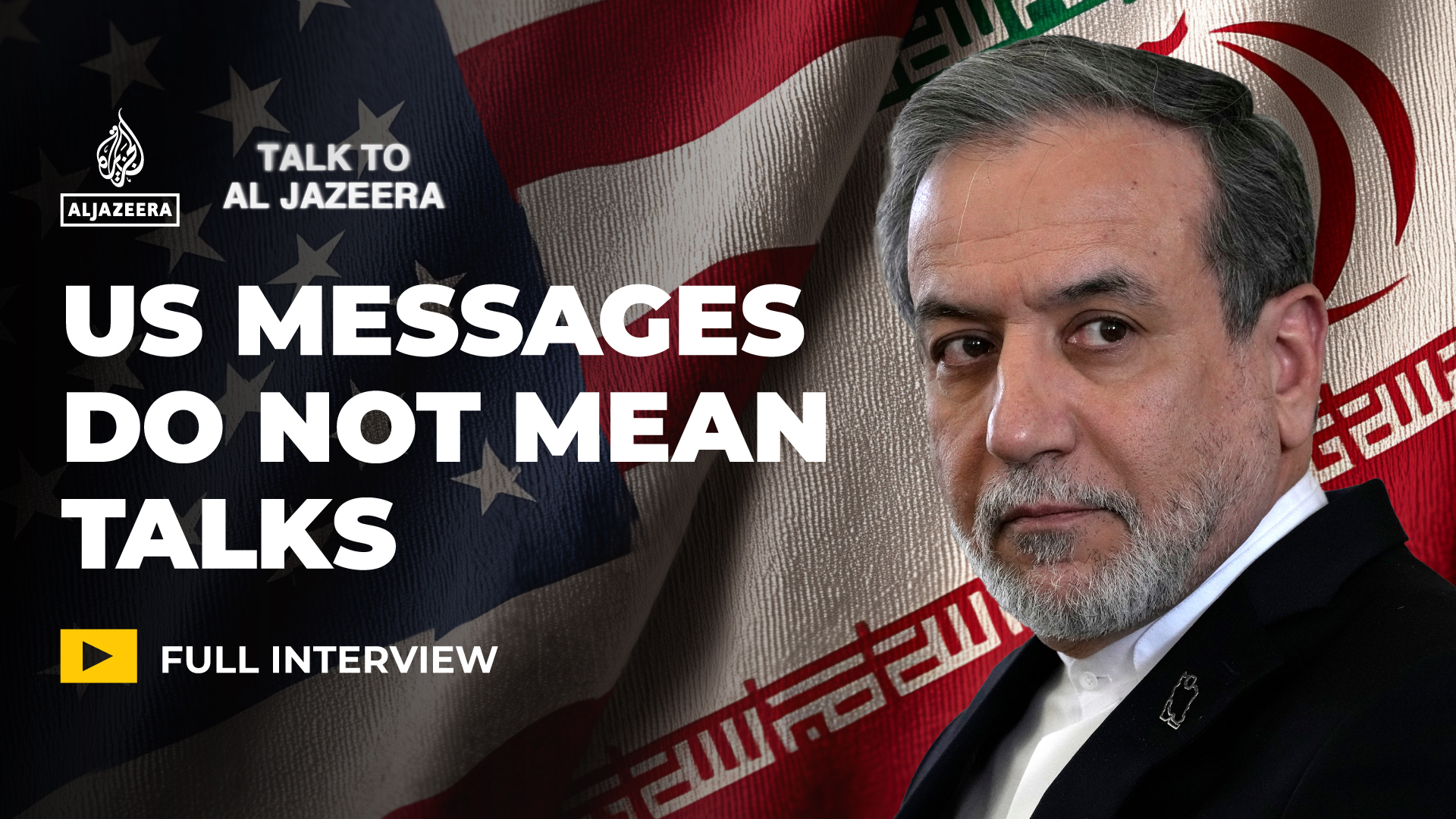
Ali Vaez, Director of the Iran Project at the International Crisis Group, argues that escalating US demands are pushing Iran to rely on asymmetric warfare tactics refined over four decades rather than toward diplomatic resolution. The confrontation between the US, Israel, and Iran carries significant risk of military escalation that could destabilize the broader Middle East and beyond. Vaez identifies deep mistrust, misaligned expectations, and lack of credible security guarantees as the primary obstacles preventing meaningful negotiation. Despite internal and external pressures, Iran maintains operational capacity and continues developing unconventional military capabilities—a posture that suggests the standoff could intensify rather than resolve through traditional diplomacy. The analysis underscores that the current trajectory favors military rather than political solutions unless the fundamental conditions for dialogue shift.
Source Coverage Map
22 of 43 tracked sources covered this story
Following this story?
Get notified when new coverage appears
Other Sources Covering This Story
5 sourcesMultiple outlets have reported on this story. Compare perspectives from different sources.



Donald Trump says US could withdraw from Iran ‘whether we have a deal or not’ - ft.com
This article is part of a story we're tracking:
Should this be getting more attention?
You Might Have Missed
Related stories from different sources and perspectives
 Global
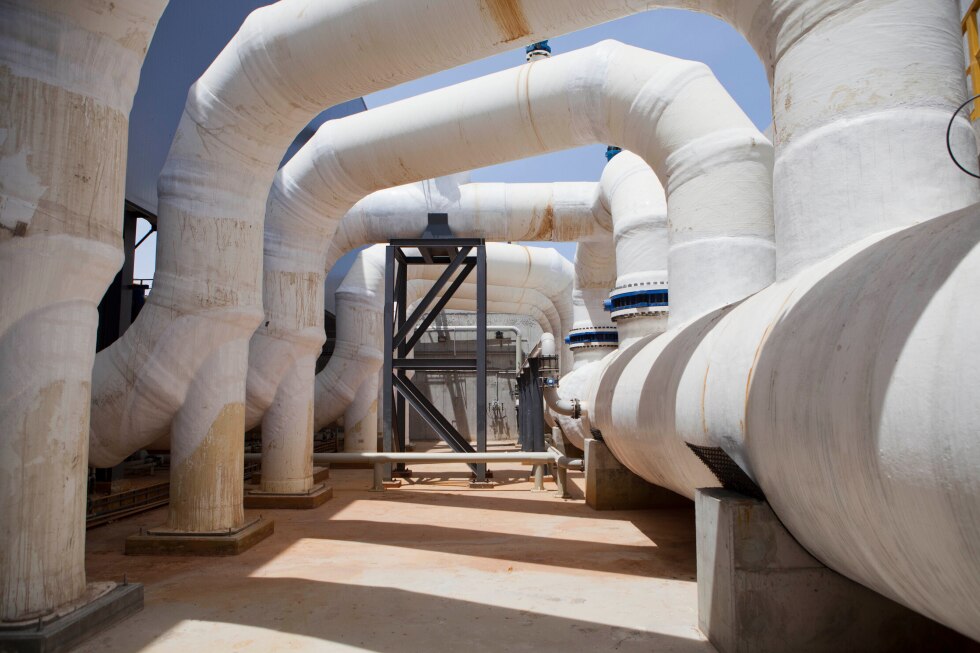
Trump threatens to destroy Iran's desalination plants. Here’s what that could mean for the Mideast - AP News
<a href="https://news.google.com/rss/articles/CBMiowFBVV95cUxNbEVCYW5qYUdxR3NzckpSeXBTd0lNV3cyMzdnSWJuOGYwOE9nSDh4ck9uMUh3N0duTUtndjlYNTNjQWJaU2Z6anc4MVNUS2x4aXpHdF9QZnZiZVNxTER1WktTQTdkWkxtOWJLc0E3Q2s4T3BkV0ZtVWY5bnFJdjV3NkxIbGRfRjlNSWY3QjdzNDcxRzl2RmYyWVk3OFRKUUVONVdV?oc=5" target="_blank">Trump threatens to destroy Iran's desalination plants. Here’s what that could mean for the Mideast</a> <font color="#6f6f6f">AP News</font>
 Global
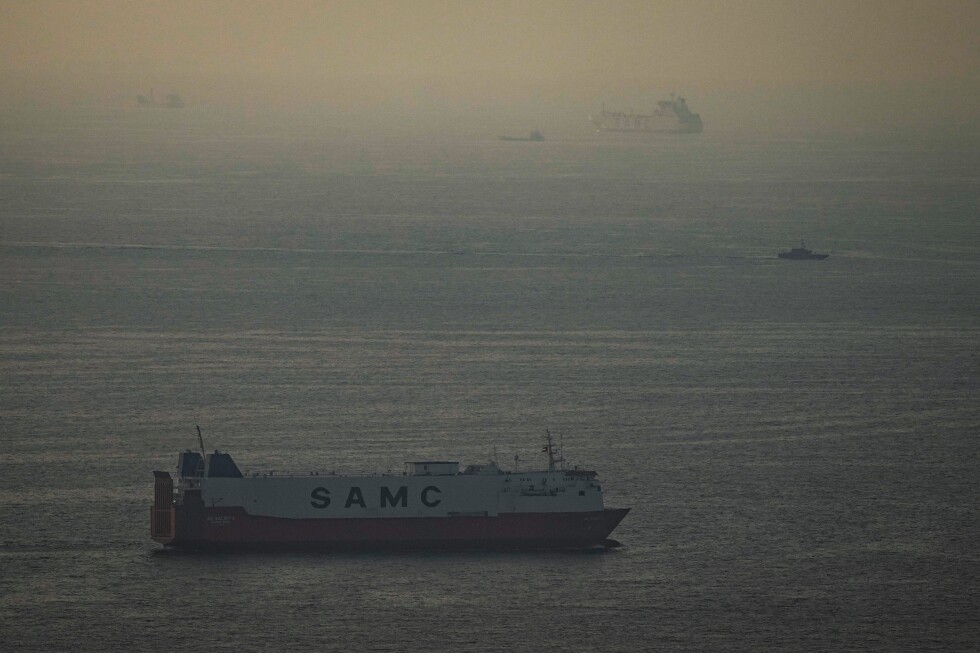
Iran starts to formalize its chokehold on the Strait of Hormuz with a ‘toll booth’ regime - AP News
<a href="https://news.google.com/rss/articles/CBMilwFBVV95cUxPQ2daM2NpVk1qQVpra3BJRDJnOWZfQkxSdVBjbVpMLXB6V3hab3pvTVIxcDlGRnlpU2NHdWpXNzg1MGtXUF9wMGxKcTUyTTBaUDVZMVl0UWZUSHh3S3FCQUJqS01ua3VmY2hwcE1XWEtXZXExSVIwVC1ldkh4aGFySlZkOFBmZ0ZIbTE0SnMxQ1hQMkhuRmNz?oc=5" target="_blank">Iran starts to formalize its chokehold on the Strait of Hormuz with a ‘toll booth’ regime</a> <font color="#6f6f6f">AP News</font>
 Global
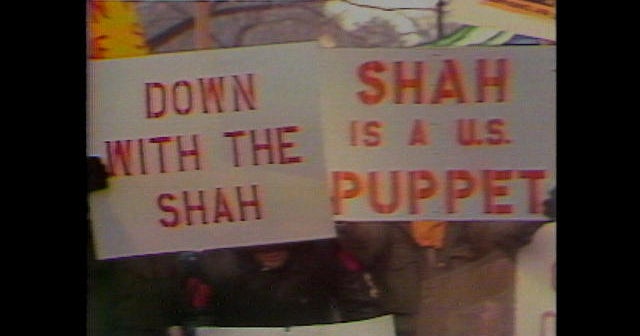
Explaining Iran’s animosity (1980) | 60 Minutes Archive
In March 1980, the U.S. hostages in Iran had been held for four months. Mike Wallace’s report asked why so many Iranians endorsed their captivity.
 Civil Rights
‘Transnational repression’: Iranian diaspora faces harassment, death threats, pressure on families
Oliver Farry is pleased to welcome Dr. Roya Boroumand, Co-Founder and Executive Director of the Abdorrahman Boroumand Center for Human Rights in Iran. According to Dr. Boroumand, Iran's transnational repression began in the aftermath of the 1979 revolution. Over time, this strategy has adapted, becoming more technologically mediated, and more globally embedded. It serves multiple functions for the Iranian state: it silences dissent beyond its borders, deters political engagement within diaspora communities, and reinforces the regime’s narrative of legitimacy.
 Politics
Understanding why some Iranian Americans support the war on their country of origin
Protesters from the Iranian diaspora in the U.S. gathered in Washington, D.C. as the war in the Middle East broadens. Many say they are aligned with the U.S. and Israel and explain why they want to see regime change in Tehran.
 Global
Gulf allies privately make the case to Trump to keep fighting until Iran is decisively defeated - AP News
<a href="https://news.google.com/rss/articles/CBMiogFBVV95cUxQRF9zNDJxTXc3eEllNUVPSTcxUnRmRHJBM0M1NmJTazRrVTJjRkJreW5HSlJwTlNXaHZmQ3puNEI1Q1ZQV2dySEFZYzJETVczalJyQWNSUlpIQXJDTWYxRnFQc0Vfai1TOTNRMWgtTjdxbHJMZU5wMkt1WEM0T2pBR1V1d0xmN08wMjU2Z3Frc2hXRnl5R3FMQnFlQ2FzMml2U1E?oc=5" target="_blank">Gulf allies privately make the case to Trump to keep fighting until Iran is decisively defeated</a> <font color="#6f6f6f">AP News</font>
Trump threatens to destroy Iran's desalination plants. Here’s what that could mean for the Mideast - AP News
<a href="https://news.google.com/rss/articles/CBMiowFBVV95cUxNbEVCYW5qYUdxR3NzckpSeXBTd0lNV3cyMzdnSWJuOGYwOE9nSDh4ck9uMUh3N0duTUtndjlYNTNjQWJaU2Z6anc4MVNUS2x4aXpHdF9QZnZiZVNxTER1WktTQTdkWkxtOWJLc0E3Q2s4T3BkV0ZtVWY5bnFJdjV3NkxIbGRfRjlNSWY3QjdzNDcxRzl2RmYyWVk3OFRKUUVONVdV?oc=5" target="_blank">Trump threatens to destroy Iran's desalination plants. Here’s what that could mean for the Mideast</a> <font color="#6f6f6f">AP News</font>
Did this story change how you see things?
Stories like this only matter when people see them. Help us get verified journalism in front of more eyes.
The Verity Ledger curates verified investigative journalism from trusted sources only.
See our sourcesMost Read This Week
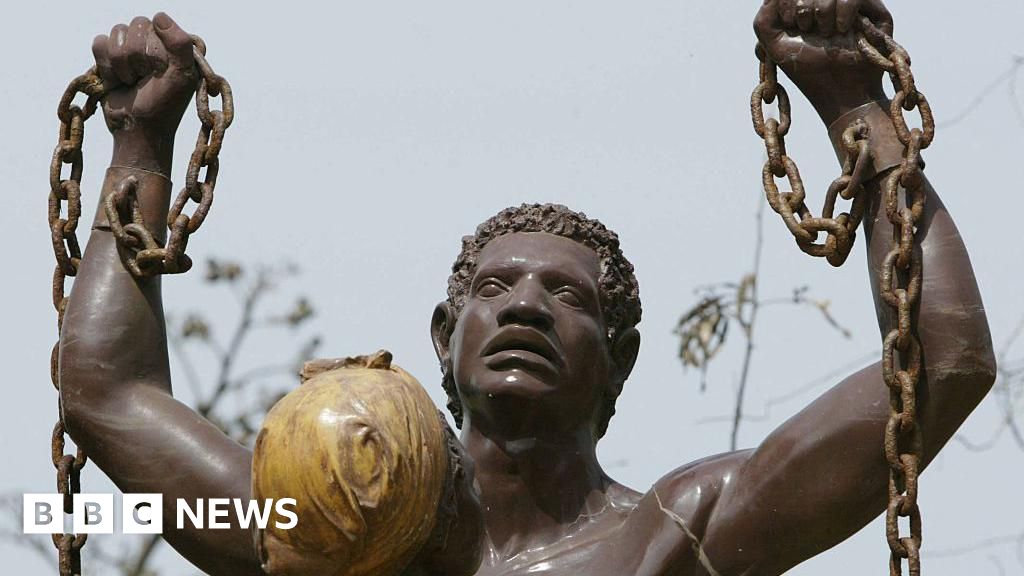
'The gravest crime against humanity': What does the UN vote on slavery mean?
Senate deal reached to cap insulin costs

At Pentagon Christian service, Hegseth prays for violence 'against those who deserve no mercy'
After 16 years and $8 billion, the military's new GPS software still doesn't work
US paves way for private assets to be included in 401(k) retirement plans - Reuters