
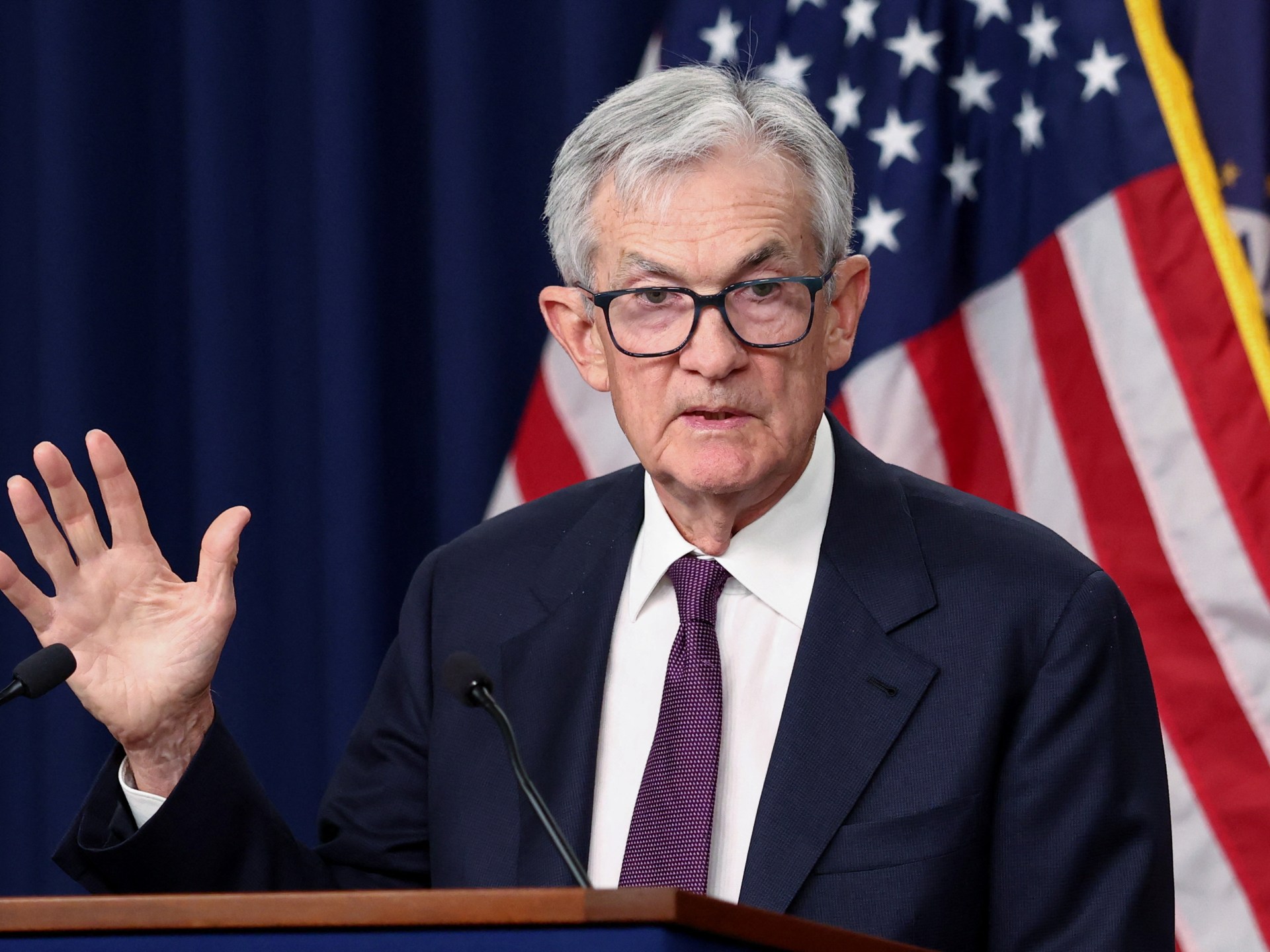
US Fed keeps interest rates steady amid economic uncertainty, Iran war
Quick Insights
The Bottom Line
Federal Reserve held interest rates steady at 3.5–3.75 percent due to mixed economic signals and geopolitical uncertainty.
How This Affects You
Steady rates mean mortgage payments remain unchanged near current levels; future cuts or increases will depend on labor market and inflation trends.
AI Summary
The Federal Reserve held interest rates steady in the 3.5–3.75 percent range, signaling a pause in its monetary policy amid mixed economic signals and heightened geopolitical tensions. The decision comes as the labor market shows signs of cooling, a key concern for Fed policymakers who monitor employment alongside inflation trends. By holding rates at their current level, the Fed is avoiding further increases that could slow hiring while also refraining from cuts that might reignite price pressures. The geopolitical uncertainty—specifically tensions involving Iran—adds another layer of unpredictability to the economic outlook, potentially affecting energy prices and global markets. Investors and markets will now watch for signals about when the Fed might adjust course, with the labor market trajectory and resolution of geopolitical risks likely to guide future decisions.
What's Being Done
Fed is monitoring labor market trajectory and geopolitical risks to guide future interest rate decisions.
Source Coverage Map
7 of 43 tracked sources covered this story
Following this story?
Get notified when new coverage appears
Other Sources Covering This Story
5 sourcesMultiple outlets have reported on this story. Compare perspectives from different sources.
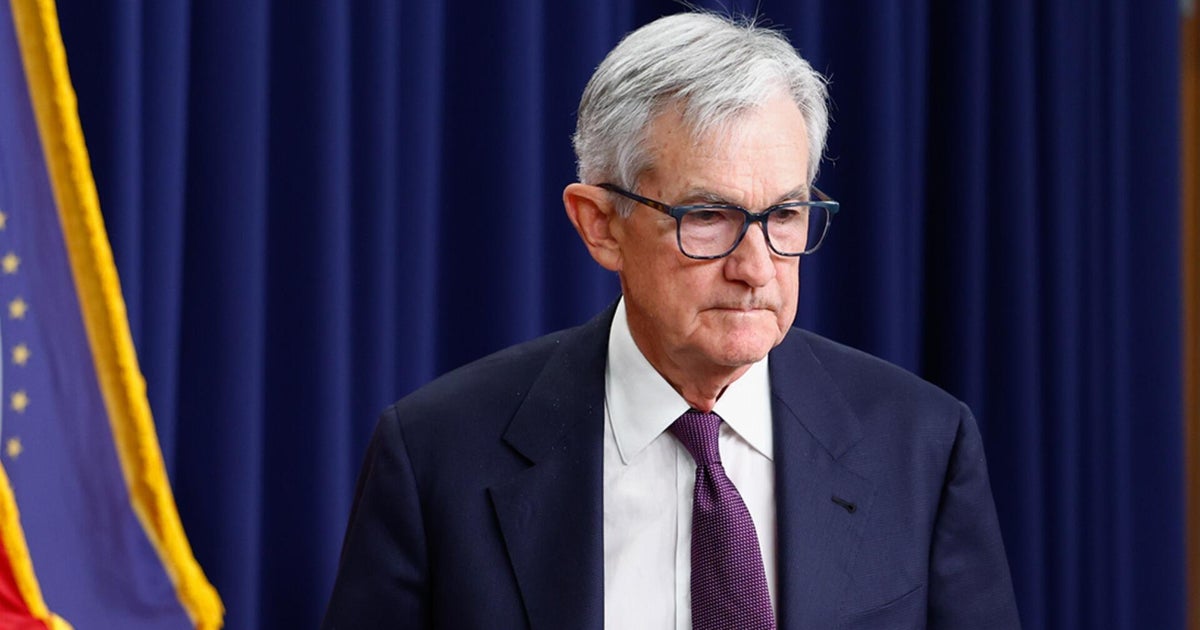
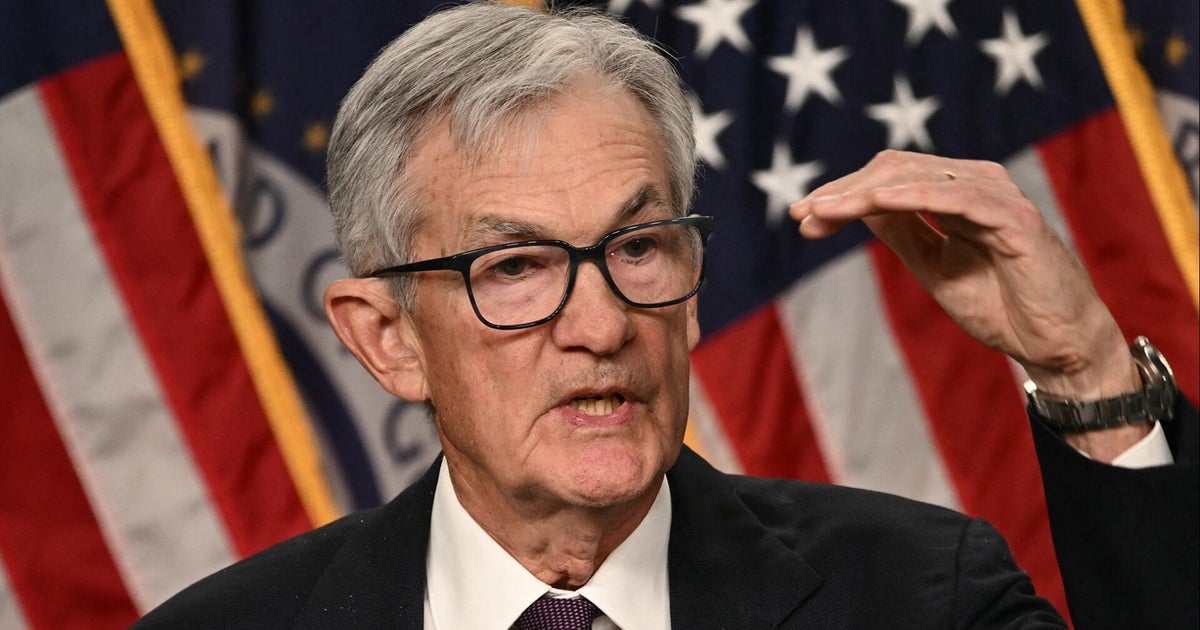


This article is part of a story we're tracking:
Should this be getting more attention?
You Might Have Missed
Related stories from different sources and perspectives
 Finance
New economic projections signal a tricky Federal Reserve path
<p>The Federal Reserve will almost certainly hold rates steady, but fresh economic projections and other communications due out Wednesday afternoon will show how the central bank is absorbing two uncomfortable realities at once.</p><p><strong>Why it matters: </strong>The energy shock from the Iran war adds a new factor to the Fed's complicated calculus. Inflation is running hotter than expected, even before the war's impact materializes in the data. Labor market data has been grim, and it's unclear how a sustained oil shock could weigh more heavily on the economy.</p><hr><ul><li>Whatever the projections show will set the table for Fed chair Jerome Powell's successor, Kevin Warsh.</li></ul><p><strong>What they're saying: </strong>"The new dot plot likely will indicate that most members retain a bias to ease policy this year and in 2027," Sam Tombs, chief U.S. economist at Pantheon Macro, wrote in a client note.</p><ul><li>But Tombs cautioned that "the biggest risk to markets" is if n...
 Finance
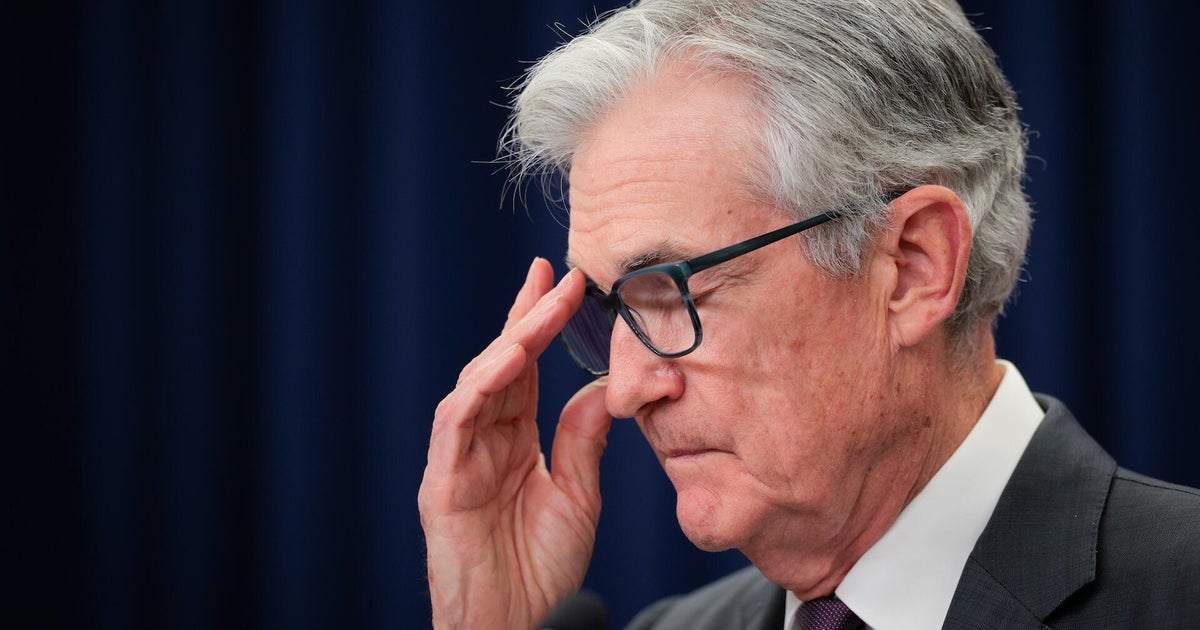
The Iran war is making it harder for Fed officials to cut interest rates
Some economists think the Fed, facing inflationary pressures from rising energy prices, may not cut interest rates at all this year.
 Finance
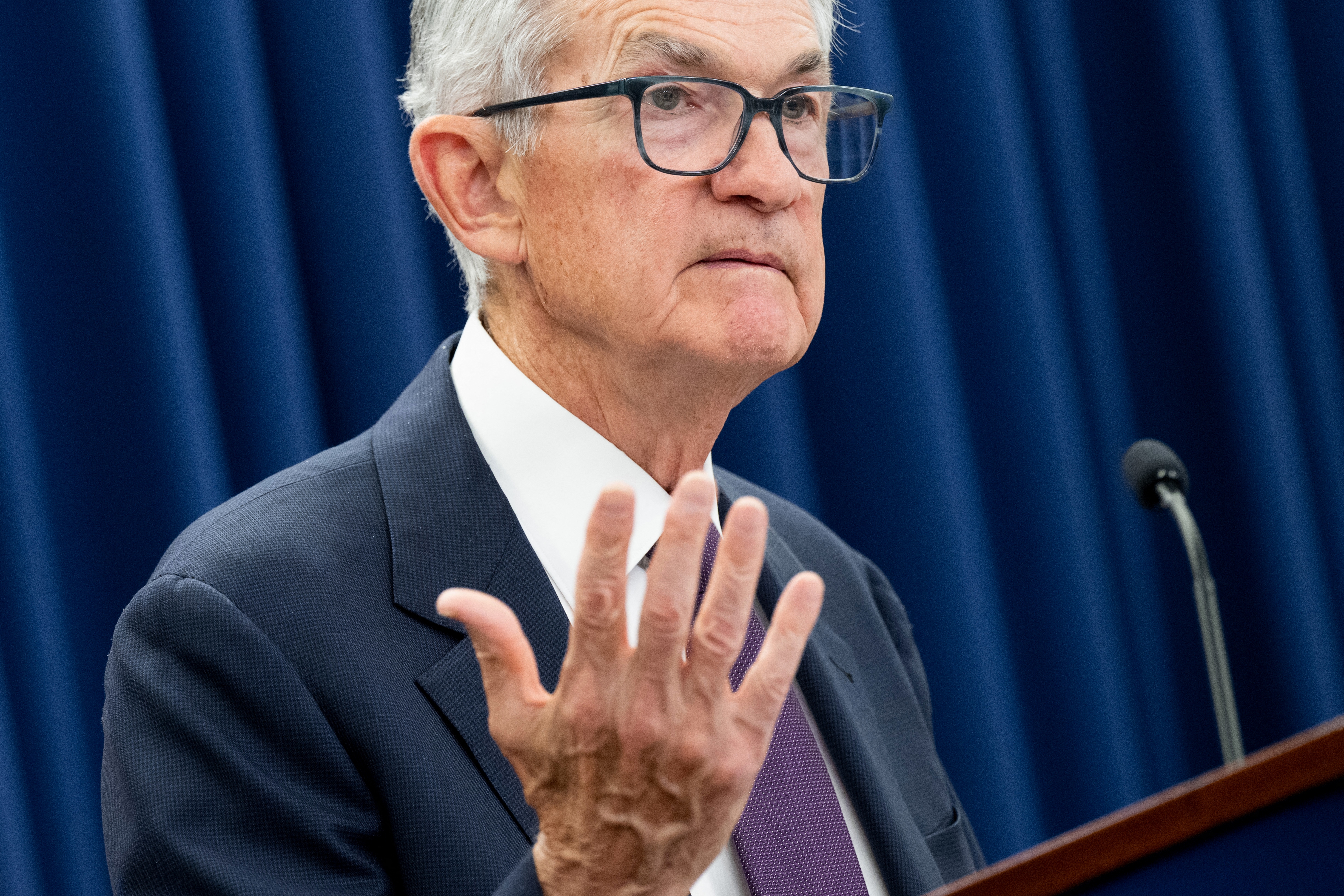
The Federal Reserve is facing tough choices as the economy faces deep uncertainty
The Federal Reserve's job is expected to hold its benchmark interest rate steady as it faces inflationary pressure from the war with Iran — and a weakening labor market.
 Finance
Live updates: Interest rates steady, Federal Reserve forecasts one rate cut in 2026 - Yahoo Finance
 Global
Iran hits Gulf neighbors and keeps stranglehold on oil shipping as concerns rise of energy crisis - AP News
<a href="https://news.google.com/rss/articles/CBMilwFBVV95cUxNMnFkQ1lMcXNwMjZtWkluTVNScXFuZl9vakpnUFdHR2ZONGNlRlpDUlN0OWo3U0NEUHJTWXVWN3NWTzBycU5LU2laRkE0bkI3ZzlrQ0dhT2dPVk9WV0lWM3hoTW9MSHd4R1JCdHhyV1JRcGdUdzFJdV9JWllxckZpUXViaHlpdGZDYjJVdU1oY28xOFAwdlNr?oc=5" target="_blank">Iran hits Gulf neighbors and keeps stranglehold on oil shipping as concerns rise of energy crisis</a> <font color="#6f6f6f">AP News</font>
 Politics
This DHS Official Oversees the Security of Federal Elections. He Wants to Ban Voting Machines.
The post This DHS Official Oversees the Security of Federal Elections. He Wants to Ban Voting Machines. appeared first on ProPublica .

US Postal Service could run out of money as soon as October - Reuters
<a href="https://news.google.com/rss/articles/CBMimwFBVV95cUxOX0xZZVhKVmJyeExTLUlJZzNuRmRoYUVoTGNPOS1vbXNydTlhcjNMWFF0amNsdEc0WWtYc1M0VVoxbVdDOHpXR3B6S0tSc3J4QzJVWWdkUkRuWW5keV9jampOODVlQ3l3cXdQWDd1NGtmb0dya3RybTRqdnRBT0p4VTlOMHVUbElDSkVvOFB3TUNBaHI2d0dGbFhGOA?oc=5" target="_blank">US Postal Service could run out of money as soon as October</a> <font color="#6f6f6f">Reuters</font>
Did this story change how you see things?
Stories like this only matter when people see them. Help us get verified journalism in front of more eyes.
The Verity Ledger curates verified investigative journalism from trusted sources only.
See our sourcesMost Read This Week
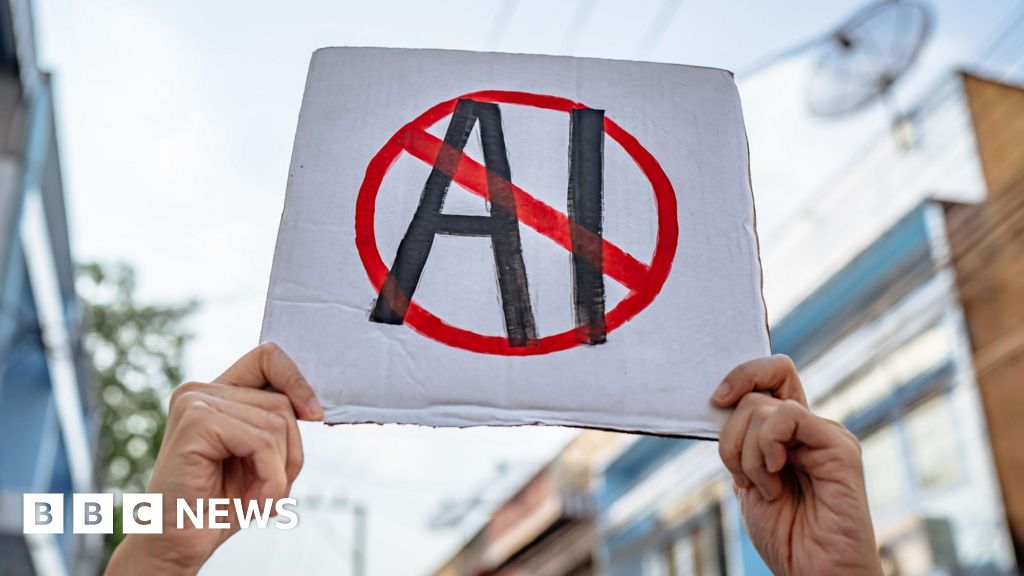
Race on to establish globally recognised 'AI-free' logo
Biggest wildfire in Nebraska history continues to burn out of control - abcnews.com

TikTok and Meta risked safety to win algorithm arms race, whistleblowers say

Defense official reveals how AI chatbots could be used for targeting decisions

Bank of America reaches proposed, non-binding settlement in Jeffrey Epstein suit