
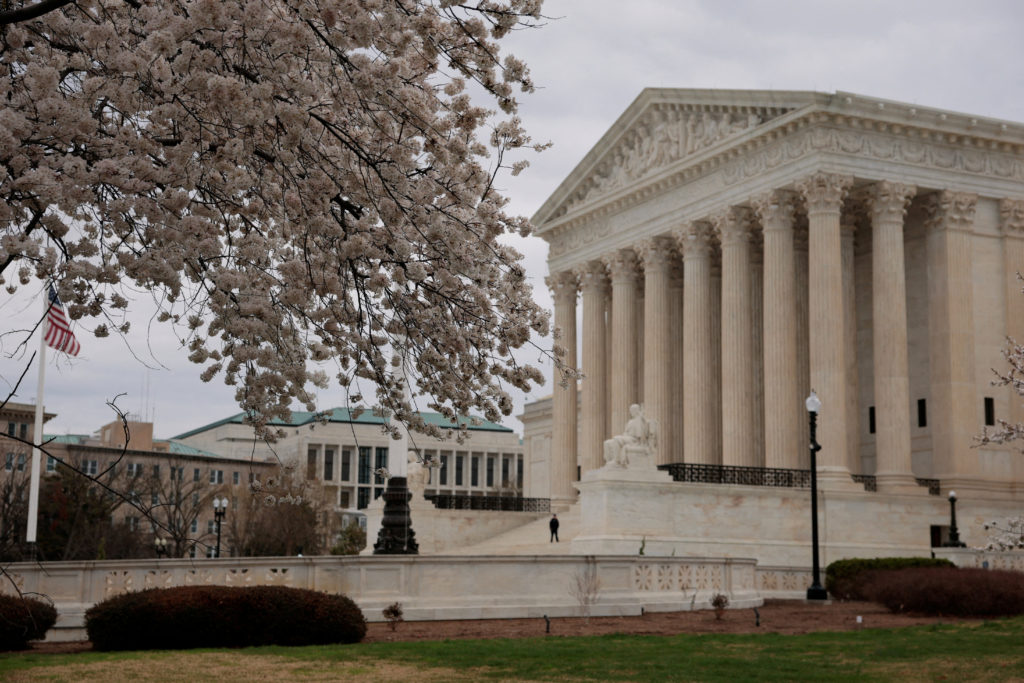
Supreme Court rules against Colorado's ban on 'conversion therapy' for LGBTQ kids
Quick Insights
The Bottom Line
Supreme Court ruled 8-1 that Colorado's ban on conversion therapy for LGBTQ minors violates the First Amendment.
How This Affects You
If you live in Colorado or a state with similar bans, therapists may now legally engage in conversion therapy practices despite established medical consensus against the practice.
AI Summary
The Supreme Court ruled 8-1 that Colorado's ban on conversion therapy for LGBTQ minors violates the First Amendment, siding with a Christian counselor who challenged the law. The majority found that the state's restriction on the practice infringes on therapists' free speech rights, even though conversion therapy is widely condemned by major medical organizations as ineffective and harmful. The decision significantly weakens state-level prohibitions on the practice, which over 20 states have enacted to protect minors from psychological harm. The ruling reflects the current court's expansive view of First Amendment protections, particularly for speech tied to religious or philosophical beliefs. Only Justice Ketanji Brown Jackson dissented, arguing the law appropriately regulates harmful conduct rather than censoring speech.
What's Being Done
The Supreme Court issued its 8-1 ruling against Colorado's conversion therapy ban.
Source Coverage Map
11 of 43 tracked sources covered this story
Following this story?
Get notified when new coverage appears
Other Sources Covering This Story
5 sourcesMultiple outlets have reported on this story. Compare perspectives from different sources.

US Supreme Court rules against ban on 'conversion therapy' for LGBTQ minors

Supreme Court rules against ban on ‘conversion therapy’ for LGBTQ+ minors - The Washington Post
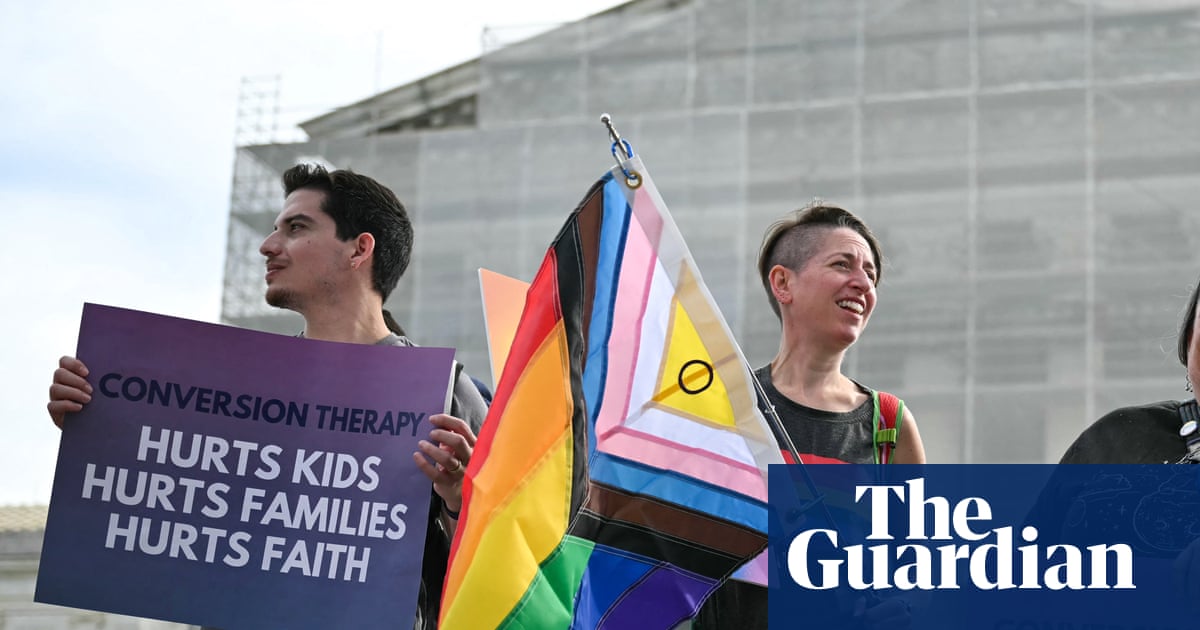
US supreme court rules against Colorado ban on ‘conversion therapy’ - The Guardian
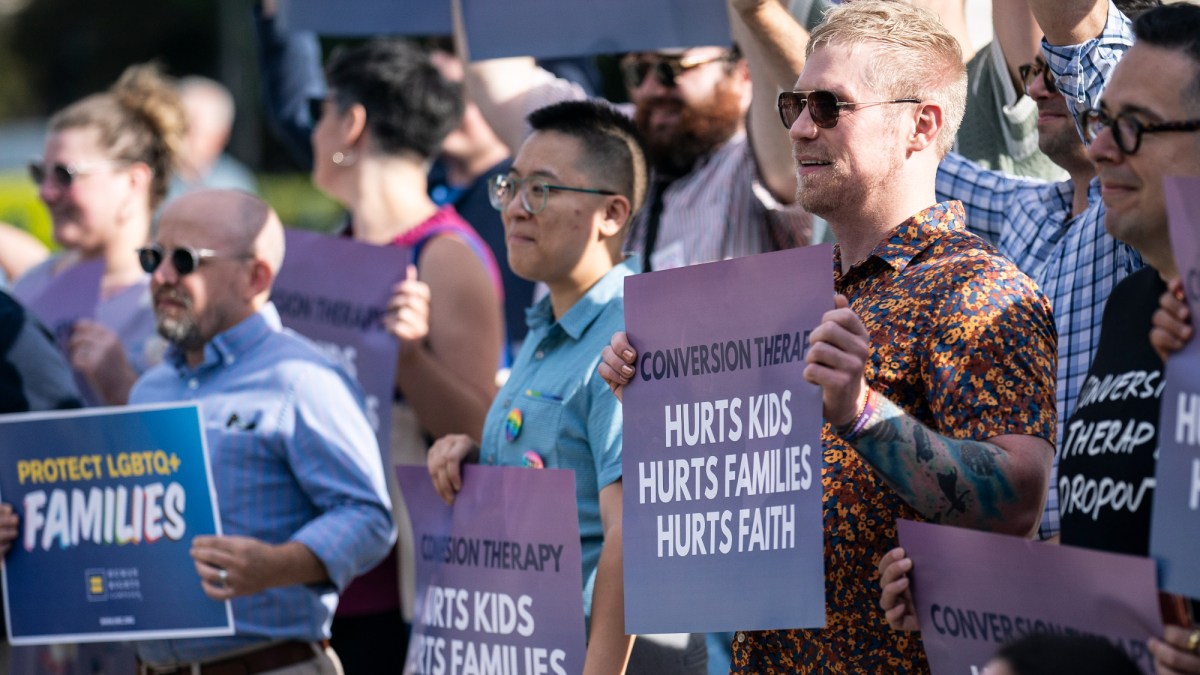
This article is part of a story we're tracking:
Should this be getting more attention?
You Might Have Missed
Related stories from different sources and perspectives
 Politics
Supreme Court rules against music industry in piracy case - USA Today
<a href="https://news.google.com/rss/articles/CBMiqwFBVV95cUxPVXFiNHRnaTQxZzQ0dnlvd2oxWmx5MTExb3JrTE5tUlczWjY3Sk1Nakk1ZzFvaHlCMXhsTzY4YXFIVm9WY0wzVWFNZ3FBMmJ1X09INV9Va1Q3Y25fMnhheUpDdEpRdTB2eFpiZ0RDWFJMb1RVV3NrT0tiTzZIZ19YRVNEMGlwWHl4VkFxV1VFb0FpMnVvaTdEUTVIdHk1dXVVQzVXZEo0X0taOXM?oc=5" target="_blank">Supreme Court rules against music industry in piracy case</a> <font color="#6f6f6f">USA Today</font>
 Corporate
Supreme Court rules for Cox in Sony copyright fight over music downloads
The Supreme Court unanimously ruled Wednesday that Sony cannot hold Cox Communications liable for not doing enough to disconnect customers who illegally downloaded copyrighted music, a battle that has sent ripples through the music and telecommunications industries. Justice Clarence Thomas, writing for the majority, said a lower court got it wrong in putting Cox on the hook for damages…
 Civil Rights
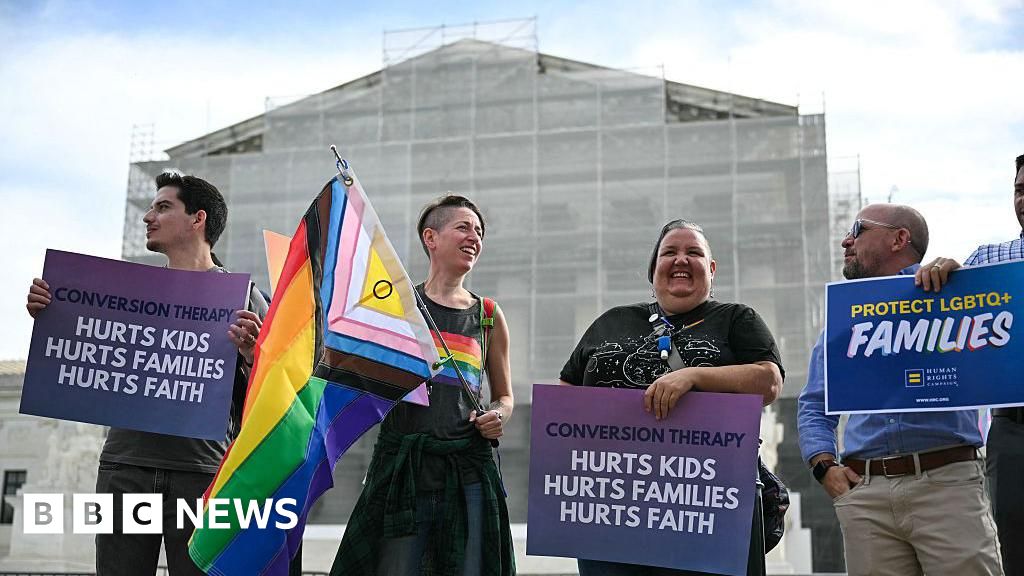
US Supreme Court strikes down Colorado's ban on conversion therapy - BBC
 Politics
With no Musk, voters see 'less intense and noisy' Wisconsin Supreme Court race
Wisconsin voters will elect another Supreme Court justice this year with high stakes, but none of the spectacle of last year's election.
Civil RightsIn Supreme Court fight over birthright citizenship, a great-grandson hears echoes of 1898 - Reuters
<a href="https://news.google.com/rss/articles/CBMiwwFBVV95cUxQa1BRbnZXSXhWZ1o3SVU4eEdNRktQMnBxLWMxSDQ3ekNwNFlfeHFEZllleVFhZHZGTmdlRFVoZVpzbzNlSnJuZ2o4S2lPUTlDdHRISFRlbjNBOU5BSlAzbFNjT0dwa05WVEltZy1WOHpybXV0OVI1cGpvMlRoY3VfeWdpYkhWUEtGX3RpVVJ2RklMMTAzTEQwZm51YVdMQnJIUERsZmkyVlMzamU5dXYwS2J2a3FRV19xbGJpMklmYmdMR1U?oc=5" target="_blank">In Supreme Court fight over birthright citizenship, a great-grandson hears echoes of 1898</a> <font color="#6f6f6f">Reuters</font>
 Civil Rights
Supreme court hearing Mississippi death penalty case over alleged racial jury bias
<p>Doug Evans, a former prosecutor, removed nearly all Black jurors in Terry Pitchford’s 2006 trial, raising legal questions</p><p>The <a href="https://www.theguardian.com/us-news/us-supreme-court">supreme court</a> is hearing arguments on Tuesday about racial bias in jury selection in a death penalty case stemming from Mississippi.</p><p>Doug Evans, a now-retired prosecutor, removed all but one Black person from a jury that convicted Terry Pitchford of capital murder in 2006. The judge, Joseph Loper, allowed the juror strikes and Mississippi’s supreme court upheld the conviction.</p> <a href="https://www.theguardian.com/us-news/2026/mar/31/supreme-court-mississippi-death-penalty-pitchford">Continue reading...</a>

Judge Approves Trump Effort to Obtain List of Jews From University of Pennsylvania
The decision to allow the government to collect the names and phone numbers of Jewish people on campus could allow the government to pursue similar tactics elsewhere.
Did this story change how you see things?
Stories like this only matter when people see them. Help us get verified journalism in front of more eyes.
The Verity Ledger curates verified investigative journalism from trusted sources only.
See our sourcesMost Read This Week
Senate deal reached to cap insulin costs

'The gravest crime against humanity': What does the UN vote on slavery mean?
At Pentagon Christian service, Hegseth prays for violence 'against those who deserve no mercy'
After 16 years and $8 billion, the military's new GPS software still doesn't work

US paves way for private assets to be included in 401(k) retirement plans - Reuters